Can Betta Fish Eat Once a Day

Betta fish can thrive on a once‑daily feeding schedule if you serve the right amount of high‑quality food. Watch for appetite cues, keep portions small, and adjust for age, temperature, and activity level to prevent health problems.
Key Takeaways
- One meal is enough: Adult bettas do well with a single feeding per day when the portion is appropriate.
- Portion size matters: Offer only what the fish can consume in 2‑3 minutes to avoid waste.
- Temperature influences metabolism: Warmer water speeds up digestion, so adjust feeding slightly.
- Watch for signs: Over‑eating leads to bloating, while under‑feeding causes loss of color and energy.
- Use variety: Rotate pellets, frozen bloodworms, and daphnia for balanced nutrition.
- Backup plan: If you’re away, a timed feeder or a trusted friend can keep the routine.
- Age matters: Fry need multiple small meals; adults can settle to once daily.
Quick Answers to Common Questions
Can I feed my betta more than once a day?
Yes, especially for juveniles or during breeding, but adult bettas usually do fine with a single, well‑measured feeding.
What if my betta doesn’t eat the whole portion?
Remove any uneaten food after 2‑3 minutes to prevent water fouling and adjust the portion size next time.
Is it okay to feed frozen bloodworms once a day?
Frozen bloodworms are an excellent protein source; just limit them to 1‑2 pieces per feeding to avoid over‑protein.
How do I know if my betta is over‑fed?
Look for bloating, floating, or cloudy water. Reduce the portion or feed every other day for a short period.
Can I use a regular fish feeder for bettas?
Standard bulk feeders often release too much food. Choose a small‑capacity, timed feeder designed for betta pellets.
📑 Table of Contents
Introduction: Why Feeding Frequency Matters
When you first bring a betta home, the excitement often leads to over‑feeding. You might think “the more I feed, the happier the fish.” In reality, bettas have small stomachs and fast metabolisms. Feeding them too often or giving oversized portions can cause constipation, swim‑bladder disease, and cloudy water.
This article answers the most common question: can betta fish eat once a day? We’ll break down the science, share practical tips, and give you a clear plan so your betta stays vibrant and healthy.
Understanding Betta Metabolism
Natural feeding habits in the wild
In their native Southeast Asian rice paddies, bettas are ambush predators. They hide among vegetation and snap up insects, larvae, and tiny crustaceans whenever they appear. They don’t graze continuously; instead, they feast, digest, and then rest.

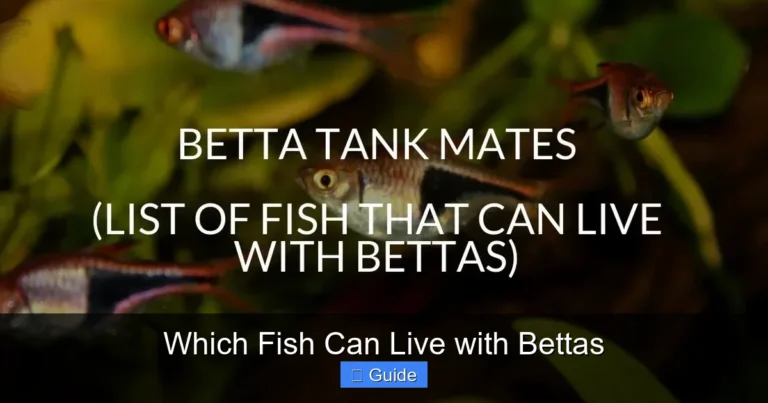
Visual guide about Can Betta Fish Eat Once a Day
Image source: saga.ismcdn.jp
How temperature affects digestion
Betta enzymes work best between 76°F and 82°F (24°C‑28°C). When water is warmer, digestion speeds up, meaning the fish can process a meal faster. In cooler water, metabolism slows, and a single daily feeding becomes even more appropriate.
How Much Should You Feed?
Portion guidelines
For an adult betta (about 2‑3 inches), a typical portion is 2‑4 pellets or a pinch of frozen food. The rule of thumb: feed only what the fish can eat in 2‑3 minutes. Anything left after that should be removed to keep water quality high.

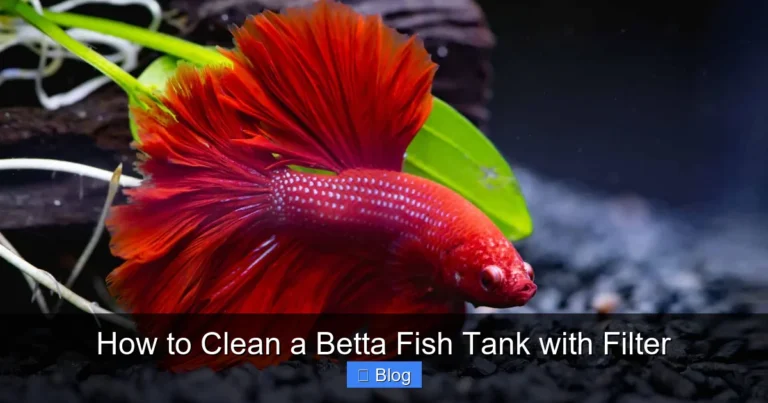
Visual guide about Can Betta Fish Eat Once a Day
Image source: todaywhy.com
Comparing food types
High‑protein pellets, freeze‑dried bloodworms, and daphnia each offer different nutrients. Rotating them prevents boredom and provides a complete amino‑acid profile. For more details on suitable foods, see our guide on what can betta fish eat.
Age and life stage differences
- Fry: 3‑5 small feedings daily until they’re 4‑6 weeks old.
- Juveniles (1‑2 months): 2 feedings per day.
- Adults: One well‑measured feeding works best.
Can Betta Fish Go a Day Without Food?
Yes. Betta fish can safely skip a day occasionally, especially if water temperature is on the lower end of their range. However, making “skip‑a‑day” a habit can stress the fish and lead to weight loss. For a deeper dive, read our article on can betta fish go a day without food.

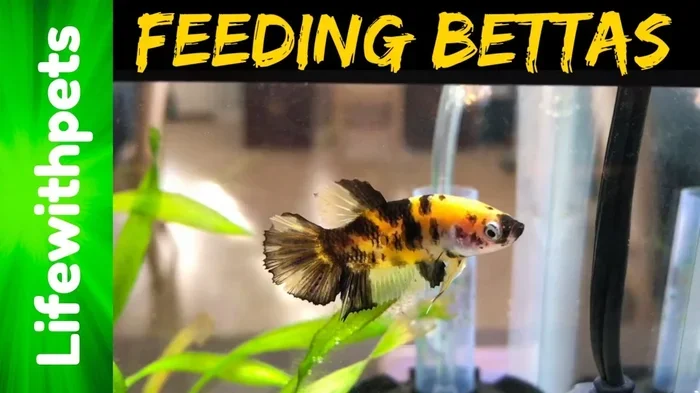
Visual guide about Can Betta Fish Eat Once a Day
Image source: i.ytimg.com
Signs Your Betta Is Getting the Right Amount
Positive indicators
- Bright, vibrant colors
- Active swimming and flaring during feeding
- Clear, waste‑free water
- Normal growth rate (about 0.2‑0.3 inches per month)
Warning signs of over‑feeding
- Bloating or a rounded abdomen
- Frequent surfacing or floating near the top
- Cloudy water from excess waste
- Lethargy after meals
Warning signs of under‑feeding
- Faded colors, especially the fins
- Thin, ribbon‑like body shape
- Reduced activity and less interest in food
- Weight loss over a few weeks
Practical Feeding Schedule
Morning routine
Pick a consistent time each morning (e.g., 9:00 am). Sprinkle the measured portion onto the surface. Observe the betta for 2‑3 minutes; if any food remains, gently remove it with a soft net or siphon.
Evening check
Even though you’re feeding once daily, a quick evening glance helps you spot any leftover debris or health changes. If the water looks cloudy, perform a partial water change (about 25%).
When you’re away
For trips longer than 48 hours, consider a timed automatic feeder designed for small pellets. Test it a few days before you leave to ensure it releases the correct amount.
Common Mistakes and How to Avoid Them
Feeding too many pellets
Even premium pellets can be calorie‑dense. Stick to the 2‑4 pellet rule. If you’re unsure, start with two and watch your betta’s response.
Using human food
Bread, crackers, and other human snacks lack essential nutrients and can introduce harmful bacteria. Stick to formulated betta foods and occasional live or frozen treats.
Feeding in cold water
If the tank temperature drops below 75°F (24°C), digestion slows dramatically. In such cases, reduce the portion or warm the tank slightly before feeding.
Conclusion: One Meal a Day Can Be Perfect
Answering the headline question: yes, betta fish can eat once a day as long as you provide a nutritionally complete, appropriately sized portion. By monitoring your fish’s appearance, behavior, and the water quality, you’ll quickly learn the perfect amount for your individual betta. Remember, consistency is key, and a little variety keeps the diet exciting.
With the right routine, your betta will display its famous flaring colors, swim with confidence, and live a long, healthy life—proving that less really can be more.
Frequently Asked Questions
Can betta fish eat once a day?
Yes, adult bettas thrive on a single daily feeding when the portion is appropriate for their size and activity level.
How many pellets should I give my betta?
Typically 2‑4 small pellets or a pinch of frozen food, enough for the fish to consume within 2‑3 minutes.
What should I do if my betta skips a meal?
Missing one feeding isn’t harmful. Offer the regular portion at the next scheduled time and monitor for any signs of stress.
Do temperature changes affect feeding frequency?
Warmer water speeds up metabolism, so a single meal remains suitable. In cooler water, digestion slows, making once‑daily feeding even more appropriate.
Can I feed my betta goldfish flakes?
Occasionally, yes, but goldfish flakes lack the protein bettas need. For more details, read can a betta fish eat goldfish food.
Is it safe to feed my betta live foods daily?
Live foods are nutritious but can introduce parasites. Use them sparingly—once or twice a week—and balance with high‑quality pellets.