User Safety safe
Do betta fish bite their own tails is a common concern among fish owners. This behavior often signals stress, boredom, or underlying health problems. Understanding the root cause helps you protect your fish and improve its quality of life. Betta fish tail biting can lead to serious infections if left unchecked. In this guide, you will learn the signs, causes, and solutions to stop this harmful habit.
Watching your betta fish nip at its own tail can be alarming. Many owners wonder if this is normal behavior or a sign of trouble. The truth is that tail biting in bettas happens for several reasons. Sometimes it is a minor habit. Other times it points to a bigger problem in the tank. This article covers everything you need to know to help your fish.
Betta fish are intelligent creatures that need stimulation. A small bare tank can cause extreme boredom. When bettas lack hiding spots or things to explore, they may turn to tail biting. This self-harm behavior often starts as a repetitive habit. Stress from bright lights or loud noises also triggers this response. Understanding betta fish behavior is the first step toward prevention.
Why Do Betta Fish Bite Their Tails?
Stress and boredom play a huge role in tail biting. Fish in tiny bowls with no decorations often develop this habit. They need mental stimulation just like any pet. A tank size of at least 5 gallons gives them room to swim. Add soft plants and caves for hiding. These decorations break up the line of sight and reduce stress. Change the layout occasionally to provide new exploration opportunities.
Health issues also drive tail biting. Pain from fin rot or parasites makes fish bite at their tails. They try to relieve itching or discomfort by chewing. Do betta fish feel pain in their fins? Yes, they absolutely do. If your fish shows sudden tail biting, check for redness or fraying. Health problems require quick attention to prevent worsening conditions. Fin rot and bacterial infection are common culprits behind this behavior. Look for white edges on the fins or fuzzy growths.
How to Tell If Your Betta Is Biting Its Tail
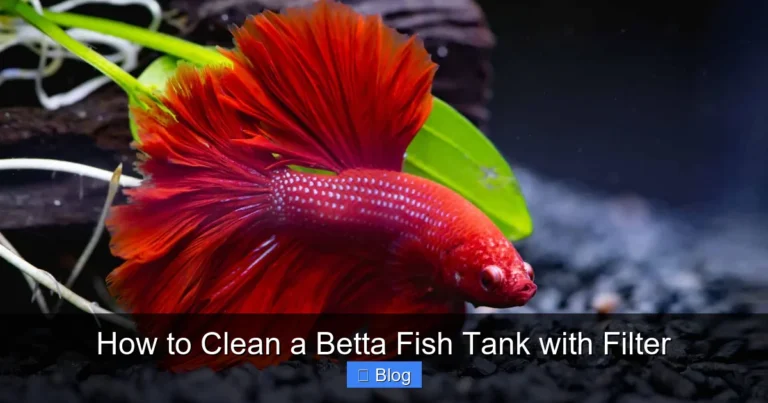
Visible damage signs are easy to spot once you know what to look for. Look for shredded edges on the tail fin. Missing chunks or short stubs indicate recent biting. The tail may look ragged compared to the rest of the body. Some fish leave blood trails in the water. These physical signs mean the behavior is happening frequently. Check the tail base too, since biting often starts there. Fin nipping can be mistaken for play, but blood means trouble.
Behavioral changes accompany the physical damage. A fish that bites its tail often swims erratically. You might see it darting against decorations. Loss of appetite can accompany this stress. The fish may hide more than usual or clamp its fins tight. Watch for these patterns during feeding time. Fish stress signs like rapid gilling or flashing against objects also appear. A healthy betta should be curious and active, not repetitive in its movements.
Can Tail Biting Kill Your Betta?
Infection risks are real and serious. Open wounds from tail biting invite bacteria into the body. Fin rot can develop quickly in dirty water. Once infection sets in, it spreads fast. Severe cases lead to systemic illness that threatens your fish’s life. This is why early intervention matters so much. Bacterial infection can become fatal without treatment. Watch for redness spreading from the wound or a foul smell in the water.
The good news is that fins can heal. Do betta fish grow back their fins? In many cases, yes. But regrowth takes weeks and requires clean water. If the biting continues, the new fins get damaged again. Stopping the behavior is essential for proper healing. Fin regrowth depends on water quality and nutrition. Betta fins grow from the base outward, so monitor the base area closely.
How to Stop Tail Biting
Tank setup improvements make a big difference. Increase tank size to at least 5 gallons. Add soft plants and caves for hiding. Do betta fish like a lot of space? They definitely prefer room to swim. Keep water temperature stable between 78-80°F. Use a filter with gentle flow to reduce stress. Water quality is crucial, so test parameters weekly. Ammonia and nitrites should always read zero.
Diet and enrichment also help prevent biting. Offer varied foods like pellets, frozen bloodworms, and brine shrimp. Feed small amounts twice daily rather than one large meal. Add tank mates carefully if the tank is large enough. Some owners use mirror sessions for short mental stimulation. Just remove the mirror after a few minutes. A good betta fish diet supports overall health and reduces anxiety. Avoid overfeeding, which pollutes the water quickly.
When to See a Vet
Serious injury signs require professional help. Seek veterinary help if you see open wounds or pus. Cloudy eyes or lethargy indicate severe illness. The vet may prescribe antibiotics or antifungal medication. Quick treatment prevents permanent tail damage. Do not wait if the fish stops eating. Early vet visits save money and lives.
Treatment options vary based on severity. Vets often recommend water changes and medication baths. Indian almond leaves can add beneficial tannins. Some owners use aquarium salt for mild cases. Always follow dosage instructions carefully. Monitor your fish daily during recovery. Healing fins need a clean, stable environment to regenerate properly. Keep the tank dimly lit to reduce stress during treatment.
Preventing Future Tail Biting
Long-term care tips keep your fish safe. Perform weekly water changes of 25-30%. Test water parameters monthly for ammonia and nitrites. Keep the tank away from high-traffic areas. Observe your fish each morning for early signs of stress. Consistency in betta fish care builds a calm environment. Use a timer for lights to maintain a regular day-night cycle.
Understanding betta personality helps too. Each betta has a unique temperament. Some fish are naturally more anxious than others. Learning your fish’s normal behavior helps you spot problems early. Patience and observation go a long way in prevention. Aggressive fish behavior often stems from poor living conditions. Consider a species-only tank if your betta shows constant aggression.
Common Mistakes Owners Make
Many owners make mistakes that worsen tail biting. Using tanks smaller than 5 gallons is a common error. Adding sharp decorations can cut fins and trigger biting. Overcrowding the tank causes territorial stress. Ignoring water tests leads to invisible ammonia buildup. Skipping regular maintenance allows bacteria to thrive. Avoid these errors to protect your fish.
Quick Tips for Success
– Check water parameters every week
– Provide hiding spots and plants
– Feed a varied diet twice daily
– Observe your fish for 10 minutes each morning
– Perform 25% water changes weekly
– Remove sharp decorations immediately
– Quarantine new fish before adding them
– Use a gentle sponge filter
These simple steps create a safe environment. Consistency is more important than perfection. Small improvements add up over time. Your betta will reward you with vibrant colors and active swimming.
Key Takeaways
- Stress causes tail biting: Boredom, small tanks, and bright lights trigger this behavior.
- Health issues matter: Fin rot and parasites make fish bite at their tails for relief.
- Watch for visible damage: Shredded edges and blood trails mean the behavior is frequent.
- Fins can regrow: Clean water and proper care help bettas heal within weeks.
- Tank setup is key: Increase space, add plants, and maintain stable water temperature.
- Diet affects behavior: Varied nutrition reduces stress and supports fin health.
- Vet care saves lives: Open wounds need professional treatment to prevent fatal infections.
Frequently Asked Questions
H3: Why is my betta fish biting its tail all of a sudden?
Sudden tail biting often signals stress or a new irritant. Check for recent changes in water, tank mates, or lighting. Look for signs of parasites or fin rot that cause itching. Quick investigation helps you address the root cause before damage worsens.
H3: Does tail biting mean my betta is hungry?
Hunger is rarely the direct cause of tail biting. However, poor nutrition weakens fins and increases stress. Offer a balanced diet with protein-rich foods. If your fish bites its tail after feeding, the issue is likely behavioral or medical, not hunger.
H3: Can betta fish bite each other?
Yes, bettas can be aggressive toward other fish. Do betta fish bite each other? They certainly can, especially males. Never house two male bettas together. Female bettas may also fight in small groups. Choose tank mates carefully to avoid injuries.
H3: How long does it take for betta fins to grow back?
Fin regrowth typically takes two to four weeks. Clean water and good nutrition speed up the process. Do betta fish eat their own fins? Some do, which stops regrowth. You must stop the biting behavior first. Monitor progress daily and check for new damage.
H3: Will aquarium salt help with tail biting?
Aquarium salt can support mild fin damage and prevent infection. It does not stop the biting behavior itself. Use aquarium-specific salt at proper doses. Consult a vet before adding salt if your fish has severe wounds. Salt works best as a supplement to other treatments.
H3: Do betta fish bite hard enough to bleed?
Yes, bettas can cause bleeding with persistent tail biting. Their teeth are small but sharp enough to damage tissue. Check for blood in the water immediately. Separate aggressive fish if needed to stop the cycle.
=== CONCLUSION ===
Do betta fish bite their own tails is a serious issue that needs prompt attention. Stress, boredom, and health problems all contribute to this behavior. By improving tank conditions and watching for early signs, you can protect your fish. Remember that fins can regrow if you stop the biting early. Take action today to give your betta a happier, healthier life.