Is My Betta Fish a Boy or Girl
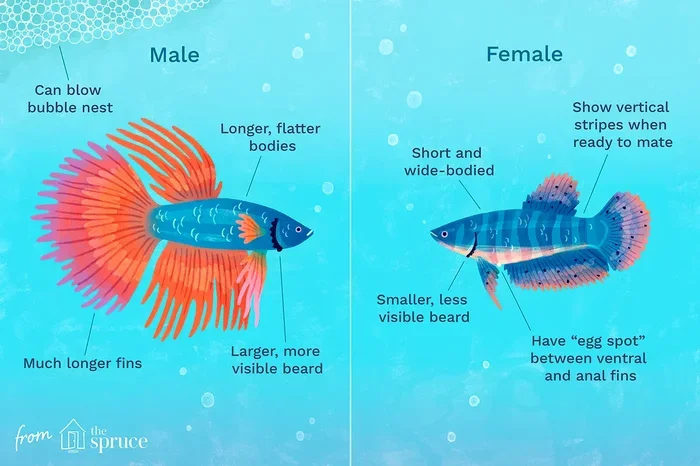
Figuring out if your betta fish is a boy or girl is easier than you think. With a few simple checks like looking at body shape, fin length, and coloring, you can quickly tell if your betta is male or female. This guide walks you through every step of betta fish gender identification so you can confidently know what you have.
So you have a betta fish and you are not sure if it is a boy or a girl. You are definitely not alone. Many betta fish owners find themselves wondering about is my betta fish a boy or girl, especially when they first bring their fish home. Pet stores do not always label the gender clearly, and young bettas can look very similar regardless of sex.
Knowing your betta fish gender is more than just a fun fact. It affects how you set up the tank, what tank mates you can choose, and even how you care for your fish day to day. Male and female bettas have different needs and behaviors that every owner should understand.
The good news is that you do not need a biology degree to figure this out. With a few simple observations, you can start identifying your betta fish sex in just minutes. Let us walk through the key signs together.
Key Takeaways
- Body shape is the first clue: Female bettas tend to have a rounder, wider body, especially when carrying eggs.
- Fin length differs significantly: Male bettas have longer, more flowing fins compared to the shorter fins of females.
- Color intensity varies by sex: Males typically display brighter and more vivid colors than females.
- Bubble nests are a male trait: Only male bettas build bubble nests, which is a clear behavioral sign of gender.
- An egg spot helps identify females: A small white dot on the underside is a reliable marker for female bettas.
- Gender affects tank setup: Knowing whether your betta is male or female helps you choose the right tank mates and environment.
- Age matters for accurate ID: Young bettas may not show clear gender differences until they reach a few months old.
📑 Table of Contents
How to Answer: Is My Betta Fish a Boy or Girl?
Figuring out the gender of your betta fish comes down to three main areas: body shape, fins, and behavior. Each of these areas gives you clear clues. Let us break them down one by one so you can feel confident in your identification.
Check the Body Shape First
This is often the easiest and most reliable method. Female bettas tend to have a rounder, wider body compared to males. When a female is ready to breed, her body becomes even more noticeable because she is carrying eggs. You might see a small white spot near her vent area, which is called an egg spot. This is one of the strongest visual markers for a female betta.
Male bettas, on the other hand, usually have a more streamlined and slender body shape. They are not carrying eggs, so their midsection stays tighter and narrower. If your fish has a plump, rounded belly, there is a good chance you are looking at a female.
Look Closely at the Fins
Fin length is one of the most dramatic differences between male and female bettas. Male bettas have long, flowing fins that trail behind them as they swim. Their tail fins, also called caudal fins, can be quite elaborate and dramatic. This is part of what makes male bettas so popular in the aquarium hobby.
Female bettas have noticeably shorter fins. Their fins are still nice, but they do not have the long, flowing look that males display. If your betta has short, compact fins, you are most likely dealing with a female. This difference becomes even more obvious as the fish matures and reaches full growth.
Observe the Coloring and Patterns
Betta fish colors can also help you determine gender. Males tend to display brighter, more intense colors. Their hues are vivid and rich, which makes them stand out in any tank. Females usually have more muted or duller coloring. This difference exists because males use their bright colors to attract mates and display dominance.
Some female bettas do develop bright colors, especially when they are in breeding condition. However, as a general rule, the male will always have the more vibrant display. If you notice a sudden change in color, it could also be related to stress or health, so always look at multiple signs together.
Physical Differences Between Male and Female Betta Fish
Understanding the physical differences between male and female bettas goes beyond just color and fins. There are several other body features that can help you tell them apart with confidence. Let us explore these in more detail.
Size and Body Differences
When you compare male vs female betta side by side, the size difference is subtle but real. Are boy betta fish or girl betta bigger? In most cases, females tend to be slightly smaller and more compact. Males can grow a bit longer, especially when you include their fin length in the measurement.
The body width is another clue. Female bettas have a broader body shape, particularly around the midsection. This is because their bodies are designed to carry and release eggs. Males have a more narrow, torpedo-shaped body that is built for speed and agility in the water.
Fin Length and Shape
Betta fish fins are one of the most obvious gender markers. Males have long, dramatic fins that can sometimes be longer than their actual body. The dorsal fin, anal fin, and caudal fin all extend far outward, creating that signature flowing look that betta enthusiasts love.
Females have shorter, more practical fins. Their fins still move gracefully in the water, but they do not have the same dramatic length. The anal fin on a female is also different. It is shorter and less pointed compared to the long, pointed anal fin on a male. These differences become easier to spot as your fish grows older.
Color Intensity and Patterns
Color differences between the sexes are not just about brightness. Males often display more complex patterns and color combinations. You might see solid colors, marble patterns, or butterfly patterns that are more pronounced in males. Females tend to have simpler color patterns overall.
Another interesting detail is that males may darken or intensify their colors when they are feeling aggressive or during courtship. If you see your betta suddenly becoming more colorful, this could be a behavioral response rather than a permanent trait. Keep observing over time to get a clearer picture.
Behavioral Signs That Reveal Your Betta’s Gender
Watching how your betta behaves can give you some of the clearest gender clues. Behavior is especially useful because it does not require you to get too close to the fish or handle it in any way. Let us look at the key behavioral differences.
Bubble Nest Building
If you see bubbles gathered at the surface of the water, you are likely looking at a male betta. Why is my male betta fish making a bubble nest? Males build these nests as part of their breeding behavior. They blow small bubbles and gather them together at the water surface to create a safe place for eggs.
Female bettas do not build bubble nests. If your fish is creating a bubble nest, you can be very confident it is a male. However, the absence of a bubble nest does not automatically mean your fish is female. Some males build nests more actively than others, and environmental factors can also play a role.
Flaring and Aggression
Both male and female bettas can flare, which means they spread their gills and fins to look bigger. However, males flare much more frequently and aggressively. They flare to defend territory, impress females, or respond to perceived threats. If your betta flares constantly at its own reflection, it is most likely a male.
Females do flare, but they tend to do it less often and less dramatically. Female bettas can also be territorial, especially when kept in groups, but their aggression is usually less intense than that of males. Watching your fish’s flaring behavior over several days can give you a good sense of its gender.
Breeding Behavior
If you ever witness breeding behavior, the gender differences become very obvious. The male will build a bubble nest and then chase the female around the tank. The female will release eggs, and the male will collect them and place them in the nest. This entire process is a clear sign that you have both a male and a female in the tank.
Even if you are not planning to breed your fish, understanding this behavior helps you identify gender. The male becomes very active and focused during breeding, while the female may appear rounder and more sluggish as she releases eggs. These behaviors are hard to miss once you know what to look for.
Why Knowing Your Betta Fish Gender Matters
Identifying the gender of your betta is not just a fun trivia exercise. It has real practical implications for how you care for your fish. Let us look at why this knowledge matters so much.
Tank Setup and Compatibility
Gender directly affects how you set up your tank. Males are known to be very territorial and should generally be kept alone. Putting two males in the same tank will almost always lead to fighting and serious injury. Can you put a boy and girl betta fish together? The answer is more nuanced, and you should check our detailed guide on Can You Put Boy and Girl Betta Fish Together for full details on safe cohabitation setups.
Females can sometimes be kept in small groups called sororities, but this requires careful tank setup and enough space. Knowing your fish’s gender helps you make the right decisions about tank layout, hiding spots, and whether your fish needs to live alone or with companions.
Breeding Considerations
If you ever want to breed bettas, knowing the gender of each fish is absolutely essential. You need both a male and a female for breeding to happen. Without proper gender identification, you might end up with two males or two females, which will not produce any offspring.
Breeding bettas also requires specific conditions, including a separate breeding tank, proper water temperature, and careful monitoring. Understanding the gender of your fish is the first step toward creating a successful breeding environment if that is your goal.
Health and Care Differences
Male and female bettas can have slightly different health needs. For example, males are more prone to stress-related issues because of their territorial nature. They need plenty of hiding spots and calm environments to thrive. Females, especially those that are breeding, may need extra nutrition to support egg production.
Knowing the gender also helps you understand changes in behavior. If a normally active male suddenly stops building a bubble nest or becomes lethargic, that could signal a health problem. Similarly, if a female stops eating or becomes very round, she might be carrying eggs. These insights help you respond quickly to potential health issues.
Common Mistakes When Identifying Betta Gender
Even experienced fish keepers sometimes make mistakes when determining betta gender. Here are the most common errors to avoid so you can get accurate results every time.
Relying on Color Alone
One of the biggest mistakes is assuming that a brightly colored fish must be male and a dull-colored fish must be female. While color intensity is a useful clue, it is not foolproof. Some females can develop surprisingly bright colors, especially young females or those in breeding condition. Always use multiple clues together, not just one.
Ignoring Age Factors
Young bettas under a few months old may not show clear gender differences yet. The fins of a young male and female can look very similar, and the body shape may not be pronounced enough to tell apart. Wait until your fish is at least three to four months old before trying to determine gender. At that point, the physical and behavioral differences become much more apparent.
Overlooking the Egg Spot
Many new fish owners miss the egg spot, which is one of the most reliable female indicators. The egg spot is a small white or yellowish dot located on the underside of the fish, near the vent area. If you see this spot, your fish is very likely female. Using a magnifying glass can help you spot it more easily.
Can Male and Female Betta Fish Live Together?
The short answer is yes, but with important caveats. Keeping a male and female betta together is possible under the right conditions, but it requires careful planning and monitoring. The tank needs to be large enough, with plenty of hiding spots and visual barriers to break up territory lines. Both fish should be in good health and well-fed before being introduced.
If you are considering a community setup, it is important to understand that even a male and female pair can show aggression, especially during breeding. Always have a backup plan in case you need to separate the fish. Our guide on Can You Put Boy and Girl Betta Fish Together covers this topic in much greater detail, including step-by-step introduction methods and warning signs to watch for.
Remember that every betta has its own personality. Some individuals are more tolerant of tank mates than others, regardless of gender. Observing your fish closely during the first few days of any new arrangement is essential for keeping everyone safe and healthy.
Conclusion
So is my betta fish a boy or girl? Now you have all the tools to find out with confidence. By checking the body shape, comparing fin length, observing the coloring, and watching for behavioral signs like bubble nest building, you can accurately determine your betta’s gender. The key is to look at multiple clues together rather than relying on just one sign.
Knowing whether your betta is male or female opens up a better understanding of its needs. You can set up the right tank environment, choose compatible tank mates, and even plan for breeding if you wish. Every piece of knowledge makes you a better fish owner and gives your betta a happier, healthier life.
Take your time, observe your fish daily, and enjoy the process of learning more about your companion. Gender identification is just one of many rewarding aspects of betta fish ownership, and with practice, it becomes second nature. Happy fish keeping!
Frequently Asked Questions
How can I tell if my betta fish is male or female at a young age?
Young bettas under three months old may not show clear gender differences yet. Wait until your fish is at least three to four months old. At that point, look for fin length, body shape, and coloring. Males will start developing longer fins and more vivid colors, while females will show a rounder body and may develop an egg spot.
Using a magnifying glass can help you spot the egg spot on younger females. If you are still unsure, compare your fish to reference images online of male and female bettas at similar ages. Patience and observation are your best tools for early gender identification.
Do female bettas build bubble nests?
No, bubble nest building is a behavior exclusive to male bettas. If you see bubbles gathered at the water surface, your fish is almost certainly a male. Females do not build bubble nests as part of their natural behavior.
However, some females may occasionally blow a few bubbles near plants or decor, but this is not the same as a proper bubble nest. A true bubble nest is a structured collection of bubbles at the water surface built by a male in preparation for breeding.
Can two female bettas live together?
Yes, female bettas can sometimes live together in small groups called sororities. This setup requires a tank of at least 10 gallons with plenty of hiding spots, plants, and visual barriers. Each female needs her own territory to reduce stress and aggression.
Not all females get along, so it is important to monitor them closely when first introducing them. If you notice constant chasing, fin nipping, or one fish hiding all the time, you may need to separate them. Start with no more than three to four females in a well-planted tank.
What is the egg spot on a female betta fish?
The egg spot is a small white or yellowish dot located on the underside of a female betta, near the vent area. It is called an egg spot because it is where the eggs will exit the body during spawning. This is one of the most reliable visual indicators that your betta is female.
Some males may have a small spot in the same area, but it is usually less prominent and less defined. If you are trying to confirm gender, look for the egg spot alongside other clues like body shape and fin length for the most accurate result.
Why is my betta fish flaring at me?
Betta fish flare to assert dominance or respond to perceived threats. Males flare much more frequently than females, often at their own reflection in the tank glass. If your betta flares regularly, it is likely a male displaying territorial behavior.
Flaring is normal in small amounts, but excessive flaring can cause stress. To reduce unnecessary flaring, avoid placing the tank near windows or mirrors. You can also dim the lights or add plants to break up your fish’s view of its own reflection.
Does the gender of a betta fish affect its lifespan?
There is no significant difference in lifespan between male and female bettas. Both sexes can live three to five years with proper care. The key factors that determine lifespan are water quality, diet, tank size, and stress levels.
Males may face slightly more stress due to their territorial nature, especially if kept in small tanks without proper enrichment. Females kept in sororities may also experience social stress. Providing a well-maintained environment and a balanced diet benefits both male and female bettas equally.