Are Betta Fish Air Breathers

Yes, betta fish are air breathers. They use a special organ called the labyrinth to gulp air from the surface, which helps them survive in low-oxygen water. Understanding how are betta fish air breathers works is key to keeping your betta healthy and happy in its tank.
Have you ever watched your betta fish glide up to the surface and take a gulp of air? It might look strange, but this is completely normal. Are betta fish air breathers? The short answer is yes. Betta fish are unique creatures that have a special way of getting oxygen. They do not rely on their gills alone. Instead, they breathe air directly from the surface. This ability sets them apart from most other freshwater fish.
If you are a new betta owner or thinking about getting one, understanding how they breathe is super important. It affects everything from tank setup to water changes. In this guide, we will explore everything you need to know about betta fish breathing. We will cover how their bodies work, what it means for their tank, and how you can keep your fish happy and healthy.
Key Takeaways
- Betta fish breathe air: They have a unique labyrinth organ that lets them gulp oxygen from the surface.
- They are not fully underwater breathers: Unlike most fish, bettas need access to the water’s surface regularly.
- Tank setup matters: A low water level or open surface area helps your betta breathe comfortably.
- Air pumps are optional: Bettas do not always need an air pump, but gentle circulation can help.
- Surface breathing is normal: If your betta comes up for air often, that is healthy behavior, not a sign of distress.
- Water quality still counts: Even though bettas breathe air, clean water and proper oxygen levels are still essential.
📑 Table of Contents
- How Betta Fish Breathe Air
- Why Bettas Need Access to the Surface
- Do Bettas Need an Air Pump?
- How Water Conditions Affect Breathing
- Common Breathing Problems in Betta Fish
- Betta Fish Breathing Compared to Other Fish
- Quick Tips for Keeping Your Betta Breathing Well
- Expert Insights on Betta Fish Breathing
- Final Thoughts
How Betta Fish Breathe Air
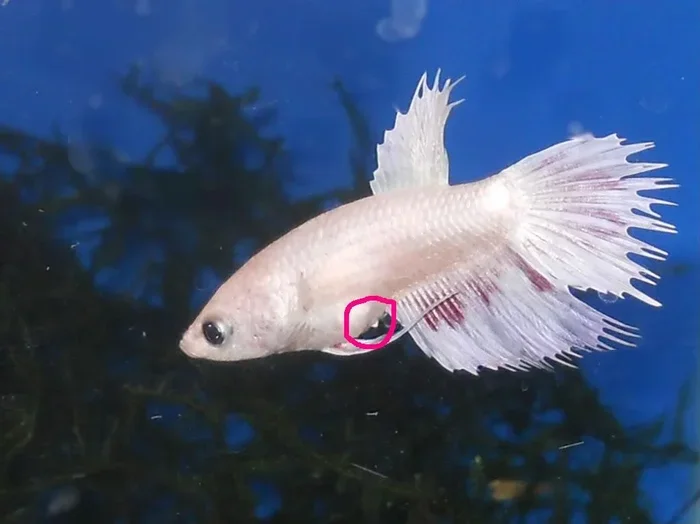
Betta fish have something amazing inside their bodies. It is called the labyrinth organ. This special structure lets them pull oxygen from the air. Most fish can only use oxygen dissolved in water through their gills. Bettas can do both. They use their gills underwater and their labyrinth organ when they come up for air.
The Labyrinth Organ Explained
The labyrinth organ works like a tiny lung. It sits near the gills and fills with blood. When a betta fish swims to the surface and takes a sip of air, that air goes into the labyrinth. The oxygen from the air passes into the bloodstream. Then the carbon dioxide gets released back into the water. This process is called aquatic respiration, and it is what makes bettas so special.
Without the labyrinth organ, bettas would not survive in stagnant or low-oxygen water. In the wild, they often live in rice paddies, slow streams, and shallow ponds. These environments do not always have plenty of dissolved oxygen. So over time, bettas evolved this incredible breathing system. It is one of the reasons they are such hardy fish.
Do Betta Fish Come Up for Air Often?
Yes, they do. A healthy betta will regularly swim to the surface and take a breath. You might see them do this a few times every hour. Some bettas are more frequent breathers than others. If your fish is coming up often, that is usually a good sign. It means the labyrinth organ is working properly.
However, if your betta seems to be gasping or struggling at the surface, that could be a problem. Do betta fish have to come up for air? Yes, but not in a panicked way. Normal breathing is calm and steady. Labored breathing could mean low oxygen, poor water quality, or a health issue.
Why Bettas Need Access to the Surface
Because bettas breathe air, they need easy access to the water’s surface. This is a key part of betta fish care. If the surface is blocked or hard to reach, your fish could have trouble breathing. Here are some things to keep in mind.
- Do not fill the tank to the brim. Leave a little space between the water and the lid. This lets air exchange happen naturally.
- Avoid tall decorations near the surface. These can make it harder for your betta to reach the top.
- Use a lid with gaps or a mesh cover. This keeps the fish inside while still allowing airflow.
- Keep the water level comfortable. Some betta owners keep the water level lower so the fish does not have to swim far to breathe.
When you set up a betta fish tank setup, always think about surface access. A tank with a tight seal and no air exchange can cause problems. Your betta needs fresh air just like any other living creature.
Do Bettas Need an Air Pump?
This is one of the most common questions new owners ask. Can betta fish need an air pump? The answer is not a simple yes or no. Bettas can survive without an air pump. They breathe air from the surface, so they do not depend on water movement for oxygen. However, an air pump can still be helpful in some situations.
When an Air Pump Helps
An air pump creates gentle movement in the water. This helps with oxygen levels in fish tank water. It also keeps the water from becoming stagnant. Stagnant water can build up harmful toxins like ammonia and nitrite. A small air pump with a betta fish air stone can improve water quality without creating too much current.
Here are some situations where an air pump makes sense:
- Your tank is warm and the water holds less oxygen.
- You have plants that use oxygen at night.
- The water surface is not moving much.
- You want to improve overall water circulation.
When You Can Skip the Air Pump
Many betta owners run their tanks without any air pump at all. If you have a gentle filter that causes slight surface movement, that is usually enough. The key is to make sure the water has some oxygen exchange. If your betta is breathing normally and swimming happily, you probably do not need to worry.
Some people wonder, do betta fish like air pump circulation? Most bettas prefer calm water. Strong currents can stress them out. If you do use an air pump, choose one with adjustable output. A gentle bubble or two is all you need.
How Water Conditions Affect Breathing
Even though bettas breathe air, water conditions still play a big role. Dirty or oxygen-poor water can make breathing harder. Your betta will have to work much harder to get enough oxygen. This can lead to stress and illness.
Temperature and Oxygen Levels
Warmer water holds less dissolved oxygen. Since bettas are tropical fish, they need warm water, usually between 76 and 82 degrees Fahrenheit. This creates a bit of a balancing act. You need warm water, but you also need enough oxygen. That is why surface access and gentle water movement are so important.
Water Quality Matters
Keep the water clean with regular water changes. Test the parameters often. Ammonia and nitrite should always be at zero. Nitrate should stay below 20 parts per million. Poor water quality can damage the gills and make it harder for your betta to breathe both underwater and at the surface.
Using a water filter for betta fish helps maintain clean water. Just make sure the filter flow is not too strong. Bettas are not strong swimmers, and a powerful filter can tire them out quickly.
Common Breathing Problems in Betta Fish
Sometimes, bettas have trouble breathing. Knowing the signs can help you act fast and save your fish’s life.
Gasping at the Surface
If your betta is gasping or opening its mouth at the surface repeatedly, something is wrong. This could mean the water has low oxygen. It could also mean there are toxins in the water. Check your parameters and do a water change right away.
Labored Breathing Underwater
Sometimes a betta will breathe fast or seem to struggle even below the surface. This often points to gill damage or infection. Poor water quality is the most common cause. Regular maintenance and testing can prevent this issue.
Lethargy and Loss of Appetite
If your betta stops eating and stays at the bottom or near the surface, it may be having trouble breathing. Breathing takes a lot of energy when oxygen is low. A stressed fish will become inactive quickly. Check the water temperature, pH, and oxygen levels.
Betta Fish Breathing Compared to Other Fish
Not all fish breathe the same way. Most fish rely entirely on dissolved oxygen in the water. Bettas are different because of their labyrinth organ. Here is a quick comparison.
| Feature | Betta Fish | Most Other Fish |
|---|---|---|
| Breathes air? | Yes | No |
| Has labyrinth organ? | Yes | No |
| Needs surface access? | Yes | No |
| Can survive in low-oxygen water? | Yes | No |
| Uses gills? | Yes | Yes |
| Needs air pump? | Optional | Sometimes |
This table shows why are betta fish air breathers is such an important question. Bettas are more flexible than most fish when it comes to oxygen. But that does not mean you can ignore water quality. Clean, well-oxygenated water is still the best environment for your betta.
Some people also ask, do betta fish have air in their bodies? Not exactly. They take in air into the labyrinth organ temporarily. It is not stored. They use the oxygen from it and release the rest. This is different from how mammals breathe, but it serves a similar purpose.
Quick Tips for Keeping Your Betta Breathing Well
- Keep the water level moderate. Do not fill the tank all the way to the top.
- Use a gentle filter. Avoid strong currents that tire your betta out.
- Do regular water changes. Aim for 25 to 30 percent every week.
- Test water parameters often. Ammonia, nitrite, and nitrate levels should be checked weekly.
- Keep the temperature stable. Use a heater to maintain 76 to 82 degrees Fahrenheit.
- Watch your betta’s behavior. If it is breathing fast or gasping, take action quickly.
- Consider an air stone for extra oxygen. A gentle air stone can boost oxygen without creating strong currents.
Following these simple tips will help your betta breathe easily and stay healthy for years to come. Remember, do betta fish breathe air because they evolved to survive in tough environments. But they still need your help to thrive in a home tank.
Expert Insights on Betta Fish Breathing
Experienced betta keepers agree that understanding breathing behavior is one of the most overlooked parts of betta care. Many new owners panic when they see their fish at the surface. But most of the time, it is perfectly normal. The key is knowing the difference between healthy breathing and distressed breathing.
If you are ever unsure, check the water first. Test for ammonia, nitrite, and nitrate. Check the temperature. Look at the filter flow. Nine times out of ten, the issue is water quality, not the fish itself. And if you are wondering whether are betta fish air breathers means you can skip water changes, the answer is no. Even air-breathing fish need clean water to stay healthy.
Final Thoughts
Are betta fish air breathers? Absolutely yes. Their labyrinth organ is one of nature’s most fascinating adaptations. It allows them to survive in places where other fish cannot. But this special ability does not mean they are low-maintenance pets. They still need clean water, proper temperature, and easy access to the surface.
By understanding how your betta breathes, you can create a better home for it. Pay attention to the water quality, keep the surface accessible, and watch for signs of breathing trouble. A well-cared-for betta will reward you with vibrant colors, interesting behavior, and years of companionship.
Take what you have learned here and apply it to your tank today. Your betta fish will thank you for it. And remember, a happy betta is a breathing betta.
Frequently Asked Questions
Do betta fish breathe air or water?
Betta fish can do both. They use their gills to extract oxygen from water, but they also have a labyrinth organ that lets them breathe air from the surface. This dual breathing ability is what makes them unique among freshwater fish.
Why does my betta fish keep coming to the surface?
Your betta is likely taking a breath of air. This is normal behavior for are betta fish air breathers. However, if the fish seems to be gasping or struggling, check the water quality and oxygen levels. Poor water conditions can cause excessive surface visits.
Can betta fish survive without access to the surface?
No, bettas need to reach the surface to breathe air. Without access to the surface, they cannot use their labyrinth organ effectively. This can lead to oxygen deprivation and serious health problems. Always make sure your betta can easily reach the top of the tank.
Is it normal for betta fish to breathe fast?
Fast breathing can be normal after activity or in warm water. But if your betta is breathing rapidly all the time, it could be a sign of low oxygen or poor water quality. Test your water parameters and make changes if needed.
Do betta fish need an air stone to breathe?
No, bettas do not need an air stone. They breathe air directly from the surface using their labyrinth organ. However, an air stone can help improve oxygen levels in the water and keep the environment healthier overall.
How is breathing air helpful for betta fish in the wild?
In the wild, bettas live in shallow, warm, and sometimes stagnant water. These environments have low dissolved oxygen. Breathing air allows them to survive in these conditions where other fish would struggle. It is a key reason bettas are such resilient fish.
=== CONCLUSION ===
Are betta fish air breathers? Yes, and that is what makes them so special. Their labyrinth organ gives them the ability to breathe air, which sets them apart from most other fish. Understanding this helps you provide better care, build a healthier tank, and enjoy your betta for longer.
Keep the surface accessible, maintain clean water, and watch your fish’s behavior. With the right setup and a little attention, your betta will thrive. Happy fish keeping!