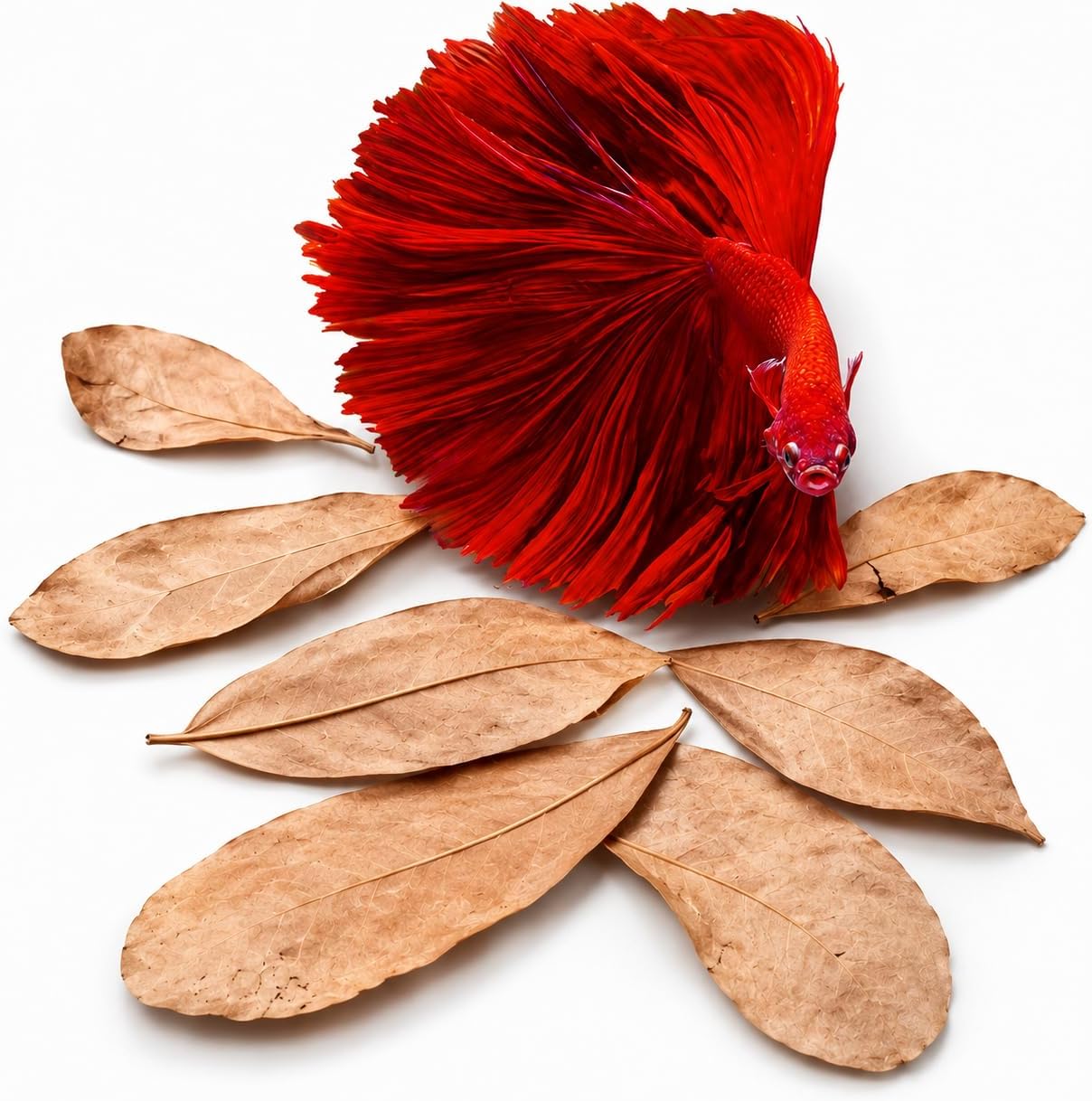
Can Betta Fish Breath Air
Betta fish have a special organ called the labyrinth that lets them gulp air from the surface, so they can survive in low‑oxygen water. Understanding this ability helps you set up the right environment, avoid common mistakes, and keep your betta thriving.
Key Takeaways
- Labyrinth organ: Betta fish use this extra “lung” to breathe air directly from the water surface.
- Surface access is vital: Even in a well‑filtered tank, they need a calm spot to gulp.
- Water quality matters: Poor oxygen levels force more surface breathing, stressing the fish.
- Tank setup tips: Use a lid with a small opening, provide floating plants, and avoid strong currents.
- Health indicators: Frequent gulping, gasping, or lethargy can signal water problems.
- Myth busting: Betta fish don’t need a “bowl” to survive; a proper tank is healthier.
- Compatibility note: Knowing their breathing habit helps when choosing tank mates.
📑 Table of Contents
- Introduction: Why the Question Matters
- 1. The Labyrinth Organ – A Fish’s Little “Lung”
- 2. Setting Up a Tank That Supports Surface Breathing
- 3. Recognizing Normal vs. Problematic Breathing
- 4. Common Myths About Betta Breathing
- 5. How Breathing Impacts Compatibility with Other Pets
- 6. Maintaining Optimal Health Through Proper Breathing
- Conclusion: Breathe Easy, Betta Owners!
Introduction: Why the Question Matters
When you first meet a betta, its bright colors and flamboyant fins are hard to miss. Yet many new owners wonder, can betta fish breath air? The answer is a confident “yes,” but the story behind that answer is full of fascinating biology and practical care tips.
In this guide we’ll break down the science of the labyrinth organ, explain how it affects tank setup, and clear up common myths. By the end you’ll feel like you’re chatting with a friend who’s been keeping bettas for years, and you’ll have a checklist of things to do (and avoid) to keep your fish healthy.
1. The Labyrinth Organ – A Fish’s Little “Lung”
What Is the Labyrinth Organ?
The labyrinth organ is a set of folded, bony plates located just above the gills. Unlike most fish that rely solely on dissolved oxygen, bettas can gulp air at the water’s surface, sending it into this organ where it diffuses into the bloodstream.

Visual guide about Can Betta Fish Breath Air
Image source: akamaividz2.zee5.com
How It Works
- Gulping: The betta snaps its mouth open and pulls a bubble of atmospheric air.
- Absorption: The air travels into the labyrinth’s maze‑like chambers, where oxygen passes through thin membranes into the blood.
- Release: Carbon dioxide is expelled when the fish returns to the surface and exhales.
This ability lets bettas survive in stagnant ponds where oxygen levels are low—a trait inherited from their native Southeast Asian habitats.
Why It Matters for Hobbyists
Even in a modern aquarium, the organ remains essential. A betta that can’t reach the surface will quickly become stressed, lose color, and may develop health problems. Understanding this need guides everything from tank lid design to water flow settings.
2. Setting Up a Tank That Supports Surface Breathing
Tank Size and Shape
While bettas are often sold in tiny bowls, a minimum of 5 gallons (about 19 liters) is recommended. Larger volumes provide more stable water parameters and give your fish a calm area to breathe.

Visual guide about Can Betta Fish Breath Air
Image source: xcolle.com
Lid and Cover Considerations
Many betta owners use tight‑fitting lids to prevent jumps. Ensure there’s a small opening—about 1 inch (2.5 cm)—so the fish can reach the surface without escaping.
Water Flow and Current
Strong currents can push a betta away from the surface. Use a gentle sponge filter or adjust the flow rate so the water remains still near the top. Floating plants like Hornwort or Java moss create natural “breathing islands” where the fish can rest.
Temperature and Oxygen Solubility
Warmer water holds less dissolved oxygen. Keep the temperature between 76‑80 °F (24‑27 °C) and monitor oxygen levels, especially in heavily planted tanks.
Practical Tip
Place a small piece of smooth leaf or a floating log near the surface. Betta fish love to perch on these, making it easier to observe their breathing habits.
3. Recognizing Normal vs. Problematic Breathing
What Healthy Gulping Looks Like
A healthy betta will surface for air a few times an hour, especially after feeding. The movements are smooth, and the fish quickly returns to swimming.

Visual guide about Can Betta Fish Breath Air
Image source: i.ytimg.com
Signs of Stress
- Rapid, frantic surfacing (gasping)
- Lethargy or staying at the bottom
- Clamped fins or loss of color
- Excess mucus on the body
If you notice these signs, test water parameters (ammonia, nitrite, nitrate) and check the filter. A sudden spike in waste can deplete oxygen, forcing the fish to over‑use its labyrinth organ.
When to Intervene
Increase aeration with a gentle air stone, perform a partial water change (20‑30 %), and ensure the surface is free of oil or debris that could block access.
4. Common Myths About Betta Breathing
Myth 1: Betta Fish Can Live Forever Without Water
False. The labyrinth organ supplements gill breathing but does not replace the need for water. Betta fish still require clean, well‑maintained water to process waste and regulate temperature.
Myth 2: A Small Bowl Is Enough Because They Breathe Air
While a bowl provides a surface, it often lacks filtration and stable temperature, leading to rapid waste buildup. A proper tank is healthier and reduces stress.
Myth 3: You Should Let Them “Air‑Breathe” All the Time
Over‑reliance on surface air can indicate poor water quality. Aim for balanced oxygen levels so the fish uses both gills and labyrinth organ naturally.
5. How Breathing Impacts Compatibility with Other Pets
Choosing Tank Mates
Because bettas need a calm surface, fast‑swimming or overly active fish can push them away. Species like shy tetras, small rasboras, or peaceful dwarf gouramis are better choices.
For more ideas, see our guide on what other fish can live with betta fish.
Aquatic Frogs and Shrimp
Frogs and shrimp often dwell near the bottom, leaving surface space for the betta. However, ensure the frog’s size won’t intimidate the betta, and keep shrimp species that won’t be seen as food.
Read about compatible amphibians in can aquatic frogs live with betta fish.
Goldfish Caution
Goldfish produce a lot of waste and raise water temperature, which can reduce dissolved oxygen. This makes it harder for a betta to breathe comfortably. For detailed reasons, check can a goldfish live with a betta fish.
6. Maintaining Optimal Health Through Proper Breathing
Regular Water Changes
Swap out 25 % of the water weekly. This removes excess nutrients and keeps oxygen levels high.
Feeding Practices
Overfeeding creates waste, which consumes oxygen as it decomposes. Feed small portions 2‑3 times a day and remove uneaten food after a few minutes.
Monitoring Tools
Use a test kit for ammonia, nitrite, nitrate, and pH. A dissolved oxygen meter is optional but helpful for larger setups.
Health Check Routine
- Observe breathing pattern for 5 minutes each day.
- Check fin condition and coloration.
- Test water parameters weekly.
- Perform a partial water change if any reading is out of range.
Following this simple routine will keep your betta’s labyrinth organ from being overworked.
Conclusion: Breathe Easy, Betta Owners!
Yes, a betta fish can breath air, thanks to its remarkable labyrinth organ. This adaptation lets it thrive in environments where other fish would struggle. By providing a calm surface, maintaining good water quality, and choosing compatible tank mates, you give your betta the best chance to show off its colors and personality.
Remember, the ability to gulp air is a survival tool—not a license to neglect proper aquarium care. Keep the tank clean, watch the breathing patterns, and enjoy the vibrant companion you’ve welcomed into your home.
Frequently Asked Questions
Can betta fish survive without a surface to breathe?
No. While they can extract oxygen from the air, they still need water to regulate temperature and remove waste. A surface for gulping is essential.
How often should a betta come to the surface?
Typically a few times per hour. More frequent surfacing may indicate low dissolved oxygen or poor water quality.
Do all betta fish have the same breathing ability?
Yes, both male and female bettas possess a labyrinth organ, though individual health and tank conditions affect how often they use it.
Is a bubble nest related to their breathing?
The bubble nest is built at the surface for breeding, not for breathing. However, a healthy surface environment benefits both activities.
Can I keep a betta with fast‑moving fish?
Fast swimmers can disturb the calm surface area bettas need, leading to stress. Choose slower, peaceful companions instead.
What should I do if my betta is gasping continuously?
Check water parameters, increase surface agitation gently, perform a partial water change, and ensure the tank lid has an opening for easy access.