How Big Will a Betta Fish Get in the Wild
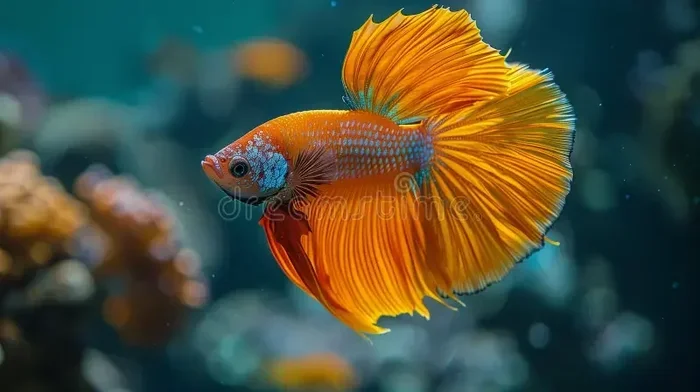
A betta fish in the wild can grow up to 2.5 to 3 inches long, which is bigger than most pet bettas kept in small tanks. Wild bettas have more space, better diet, and natural conditions that help them reach their full size. Understanding betta fish size in the wild helps fish keepers appreciate these amazing creatures even more.
Have you ever wondered how big a betta fish will get in the wild? Many fish keepers assume their pet betta is the standard size. But betta fish in the wild can look quite different from the ones swimming in home aquariums. Wild bettas often grow larger and more vibrant because they live in natural conditions that let them thrive.
The answer to how big will a betta fish get in the wild might surprise you. While a typical pet betta stays around 2 to 2.5 inches, wild bettas can stretch past 3 inches. Their size depends on habitat, diet, water conditions, and genetics. In this article, we will explore everything about betta fish growth in the wild. You will learn what makes wild bettas different, how their environment shapes their body, and what you can do to help your pet betta reach its full size.
Let us dive into the world of wild bettas and find out what makes them grow so well. Whether you are a curious fish keeper or planning to learn more about betta fish species, this guide has you covered.
Key Takeaways
- Wild bettas grow bigger: They can reach 2.5 to 3 inches, sometimes even larger than pet bettas.
- Habitat matters: The warm, shallow waters of Southeast Asia shape how betta fish grow in nature.
- Diet plays a big role: Wild bettas eat a varied diet of insects, larvae, and small crustaceans that supports healthy growth.
- Pet bettas often stay smaller: Limited tank space and diet can restrict their full size potential.
- Betta fish can survive in the wild: They are well adapted to natural environments, but face threats from habitat loss.
- Growth rate varies: Water temperature, food availability, and genetics all affect how fast bettas grow.
📑 Table of Contents
- Understanding Betta Fish Size in the Wild
- The Natural Habitat of Wild Betta Fish
- How Big Do Betta Fish Get Compared to Pet Bettas
- Factors That Affect Betta Fish Growth in the Wild
- What Do Wild Betta Fish Eat to Grow So Big?
- Can Betta Fish Survive in the Wild?
- How to Help Your Pet Betta Grow Bigger
- Conclusion
Understanding Betta Fish Size in the Wild
The betta fish size in the wild is one of the most interesting topics for fish lovers. Wild bettas belong to the Betta splendens species, also known as the Siamese fighting fish. They originally come from the warm, shallow waters of Thailand, Cambodia, Vietnam, and other parts of Southeast Asia.
In their natural habitat, bettas have room to move, explore, and hunt. This freedom helps them grow to their full potential. A wild betta fish typically measures between 2.5 and 3 inches long. Some exceptional specimens can even reach 3.5 inches under ideal conditions.
Compare this to pet bettas, which often stay around 2 inches. The difference comes down to a few key factors. Tank size, water quality, and diet all play a role in how a betta grows. But in the wild, bettas get everything they need naturally.
Why Wild Bettas Grow Bigger
Wild bettas have several advantages over their tank-raised cousins. First, they live in large bodies of water like rice paddies, marshes, and slow-moving streams. This gives them plenty of space to swim and exercise. Movement is important for healthy muscle and bone development.
Second, wild bettas eat a diverse diet. They hunt for insects, mosquito larvae, small worms, and tiny crustaceans. This varied diet provides all the nutrients they need to grow strong. Pet bettas often eat the same flakes or pellets every day, which can limit their growth.
Third, wild bettas experience natural seasonal changes. These cycles help regulate their body functions, including growth. They may grow faster during the wet season when food is plentiful and water levels rise.
The Natural Habitat of Wild Betta Fish
To understand how big a betta fish can get in the wild, you need to know where they live. Wild bettas thrive in warm, shallow waters across Southeast Asia. They prefer slow-moving or still water bodies like ponds, ditches, and flooded rice fields.
The wild betta habitat is very different from a home aquarium. In nature, bettas deal with changing water levels, temperatures, and food sources. These natural challenges help them develop strong, healthy bodies over time.
Where Do Betta Fish Live in the Wild?
Where are betta fish in the wild? They are found in countries like Thailand, Malaysia, Indonesia, Vietnam, and Cambodia. They prefer warm waters that stay between 75 and 80 degrees Fahrenheit. The water is often shallow, sometimes only a few inches deep.
Wild bettas love places with lots of plants and hiding spots. Dense vegetation gives them shelter and a place to hunt. The water is usually warm and slightly acidic, with a natural tannin tint from fallen leaves.
If you want to learn more about where betta fish live in the wild, you can explore the natural waterways of Southeast Asia. These environments are rich in biodiversity and provide everything a betta needs to grow and reproduce.
How Water Conditions Affect Betta Growth
Water conditions play a huge role in betta fish growth. In the wild, water temperature stays warm year-round. This warmth helps bettas digest food efficiently and absorb nutrients. Cold water can slow down their metabolism and stunt growth.
Water quality also matters. Wild bettas live in water that is constantly refreshed by rain and streams. This natural filtration keeps the water clean and rich in oxygen. In captivity, fish keepers must maintain good water quality through regular water changes and proper filtration.
If you want your pet betta to grow as close to wild size as possible, focus on water temperature and cleanliness. A heater and a small filter can make a big difference.
How Big Do Betta Fish Get Compared to Pet Bettas
It is always helpful to compare wild betta fish size with pet bettas. This gives you a clear picture of what is possible. Most pet bettas live in tanks that are 5 gallons or smaller. While bettas can survive in small tanks, they do not always thrive.
In a big betta tank, your fish has more room to swim. This exercise promotes healthy growth. Many fish keepers report that their bettas grow bigger when moved from a small bowl to a larger tank. The same principle applies to wild bettas, who have vast natural spaces to explore.
Size Comparison Table
Here is a simple comparison of betta fish size in different environments:
- Pet betta in a small bowl: 1.5 to 2 inches
- Pet betta in a 5-gallon tank: 2 to 2.5 inches
- Pet betta in a 10-gallon tank: 2 to 2.75 inches
- Wild betta in natural habitat: 2.5 to 3.5 inches
As you can see, wild bettas have the edge when it comes to size. The extra space and natural diet make a real difference. If you want to give your pet betta the best chance to grow big, consider upgrading to a larger tank and offering a varied diet.
Factors That Affect Betta Fish Growth in the Wild
Several factors determine how big a betta fish will get in the wild. Understanding these factors helps us appreciate the complexity of betta growth. Let us look at the main ones.
1. Food Availability
Food is the most important factor for growth. Wild bettas eat live food almost every day. They hunt for insect larvae, small worms, and tiny shrimp. This high-protein diet fuels their growth and keeps them healthy.
In contrast, pet bettas often eat processed food that may lack certain nutrients. You can improve your pet betta’s diet by adding frozen or live foods like bloodworms and brine shrimp. This mimics what wild bettas eat and supports better growth.
2. Water Temperature
Warm water helps bettas digest food faster and absorb nutrients better. In the wild, tropical temperatures stay consistent. This steady warmth supports continuous growth throughout the year.
If your home is cool, consider using a tank heater. Keeping the water between 78 and 80 degrees Fahrenheit gives your betta the best environment for growth.
3. Space to Swim
Betta fish need room to move. Swimming builds muscle and keeps the body strong. In the wild, bettas swim across large areas of shallow water every day.
A small bowl limits movement and can lead to a smaller, less active fish. A bigger tank gives your betta the space it needs to exercise and grow. If you are wondering about tank sizes, check out how big a tank for betta fish needs to be for optimal growth.
4. Genetics
Just like humans, bettas inherit traits from their parents. Some wild bettas are genetically predisposed to grow larger. Others may stay smaller no matter how ideal their conditions are. Genetics play a role in betta fish maximum size.
When you buy a pet betta, you cannot always know its genetic background. But choosing a healthy fish from a reputable breeder gives you the best chance of getting a betta that reaches its full size potential.
What Do Wild Betta Fish Eat to Grow So Big?
The diet of wild bettas is one of the secrets behind their impressive size. What do betta fish eat in the wild? They are carnivores by nature. Their diet consists mainly of protein-rich foods found in and around the water.
Wild bettas are skilled hunters. They use their sharp senses to locate prey in the shallow water. Their long, flowing fins help them maneuver gracefully as they chase food.
Common Foods in a Wild Betta’s Diet
- Mosquito larvae: A staple food that is rich in protein and easy to catch.
- Small insects: Bugs that fall onto the water surface are an easy meal.
- Brine shrimp: Tiny crustaceans that provide essential nutrients.
- Bloodworms: A favorite food that is high in iron and protein.
- Daphnia: Small water fleas that help with digestion and growth.
- Tiny snails: A source of calcium that supports shell and bone health.
This varied diet gives wild bettas everything they need to grow big and strong. Pet bettas can benefit from a similar approach. Adding live or frozen foods to their diet can boost their growth and improve their color.
If you want to mimic a wild betta’s diet at home, try feeding a mix of high-quality pellets, frozen bloodworms, and live brine shrimp. This combination supports healthy betta fish growth and keeps your fish active and vibrant.
Can Betta Fish Survive in the Wild?
Many people ask, can betta fish survive in the wild? The answer is yes, but with some important caveats. Wild bettas are well adapted to their natural environment. They have strong instincts for finding food, avoiding predators, and reproducing.
However, wild bettas face many threats. Habitat destruction, pollution, and climate change all put pressure on wild populations. In some areas, bettas are becoming harder to find in their natural habitats.
It is also important to note that releasing a pet betta into the wild is not always a good idea. Pet bettas may carry diseases that can harm wild populations. They may also struggle to adapt to sudden changes in their environment. If you ever need to rehome your betta, consider giving it to a fellow fish keeper or a local rescue.
To learn more about this topic, read can betta fish survive in the wild for a deeper look at their chances of survival outside captivity.
How Long Do Wild Betta Fish Live?
Wild bettas generally live shorter lives than pet bettas. In the wild, a betta may live for 2 to 4 years. The constant challenges of finding food, avoiding predators, and dealing with weather changes take a toll on their lifespan.
Pet bettas, on the other hand, can live 3 to 5 years or even longer with proper care. Good water quality, a balanced diet, and a stress-free environment all contribute to a longer, healthier life for your betta.
If you want to give your betta the longest life possible, focus on creating the best conditions at home. Regular water changes, a proper diet, and enough space go a long way toward keeping your betta happy and healthy.
How to Help Your Pet Betta Grow Bigger
While your pet betta may never reach the size of a wild betta, you can still help it grow as big as its genetics allow. Here are some practical tips to support healthy betta fish growth.
1. Upgrade the Tank
A 5-gallon tank is the minimum for a single betta. But a 10-gallon tank gives your fish more room to swim and explore. More space means more exercise, which promotes healthy growth. If you have a small bowl, consider moving your betta to a bigger tank.
2. Feed a Varied Diet
Do not rely on flakes alone. Mix in frozen or live foods like bloodworms, brine shrimp, and daphnia. A protein-rich diet mimics what wild bettas eat and supports bigger, stronger growth.
3. Keep the Water Warm and Clean
Use a heater to maintain a steady temperature of 78 to 80 degrees Fahrenheit. Perform regular water changes to keep the tank clean. Good water quality reduces stress and supports healthy growth.
4. Provide Enrichment
Add plants, caves, and hiding spots to your betta’s tank. Enrichment keeps your fish active and engaged. A stimulated betta is a healthier betta that is more likely to reach its full size.
5. Monitor Growth Regularly
Keep an eye on your betta’s size over time. If you notice stunted growth, check your water parameters and diet. Sometimes a simple change, like upgrading food or improving water quality, can make a big difference.
For more tips on tank setup, check out how big does a betta fish tank need to be to give your betta the best environment for growth.
Conclusion
How big will a betta fish get in the wild? The answer is clear. Wild bettas can grow up to 3 inches or more, thanks to their natural habitat, varied diet, and plenty of space to swim. Their size is a testament to the power of living in conditions that match their biological needs.
Pet bettas can also grow bigger when given the right environment and diet. By upgrading their tank, feeding them well, and keeping their water clean, you can help your betta reach its full size potential. Understanding betta fish size in the wild gives us valuable insights into how to care for these beautiful fish better.
Remember, every betta fish deserves a chance to thrive. Whether it lives in a cozy home tank or the warm waters of Southeast Asia, it deserves proper care and attention. Use what you have learned here to give your betta the best life possible. Your fish will thank you with vibrant colors, active behavior, and healthy growth.
Take what you have learned and start making improvements today. Your betta fish will live a happier, healthier life because of it.
Frequently Asked Questions
How big do wild betta fish get compared to pet bettas?
Wild bettas typically grow to 2.5 to 3.5 inches, while pet bettas usually stay around 2 to 2.5 inches. The extra space and natural diet in the wild help wild bettas reach a larger betta fish size in the wild.
What is the average size of a betta fish in the wild?
The average wild betta measures about 2.5 to 3 inches long. Some exceptional fish can reach 3.5 inches when they have access to plenty of food and ideal water conditions in their natural wild betta habitat.
Can a pet betta fish grow as big as a wild betta?
A pet betta can get close to wild size if given a large tank, a varied diet, and excellent water conditions. However, most pet bettas stay smaller because of limited space and a less diverse diet. You can help your pet betta grow bigger by following the tips in this article.
Why are wild bettas bigger than pet bettas?
Wild bettas have more space to swim, eat a protein-rich diet of live food, and experience natural seasonal cycles. These factors all support healthy betta fish growth. Pet bettas often live in smaller tanks and eat a more limited diet, which can restrict their size.
How fast do betta fish grow in the wild?
Wild bettas grow steadily during their first year of life. Growth rate depends on food availability, water temperature, and genetics. In warm, food-rich environments, bettas reach their adult size within 6 to 12 months.
Do betta fish keep growing their whole life?
No, bettas stop growing once they reach adulthood, usually around 6 to 12 months of age. After that, they maintain their size. The betta fish maximum size they reach depends on genetics, diet, and living conditions.