Betta fish are carnivorous predators, but they don’t usually eat whole fish. In most home aquariums they will snap at tiny live foods and may attack very small fry, yet they cannot digest larger fish. Understanding what your betta can safely eat helps prevent stress, injury, and tank drama.
Key Takeaways
- Betta diet basics: Bettas thrive on protein‑rich foods like live or frozen brine shrimp, daphnia, and high‑quality pellets.
- Size matters: A betta will only try to eat creatures that fit into its mouth—typically under 2 mm.
- Whole fish are unsafe: Larger fish cannot be swallowed and may injure a betta’s delicate fins.
- Live foods trigger hunting instinct: Offering occasional live foods satisfies natural behavior without risking tank mates.
- Tank mates need caution: Only very small, fast‑swimming species are considered safe companions.
- Observe and adjust: Watch your betta’s reactions; stress signs mean it’s time to change diet or tank setup.
- Use reputable sources: Refer to trusted articles like “What Can Betta Fish Eat” for detailed feeding guides.
📑 Table of Contents
Introduction: Why the Question Matters
If you’ve ever watched a betta flare its fins and dart toward a tiny speck in the water, you might wonder: can betta eat fish? The answer isn’t a simple yes or no. Bettas are natural predators, but they are also delicate creatures with specific dietary needs. Understanding what they can and cannot eat protects both the betta and any potential tank mates.
In this article we’ll break down the science of a betta’s mouth, explore the types of fish‑like foods they might try, and give you practical tips for safe feeding. By the end, you’ll know exactly how to keep your betta healthy, happy, and drama‑free.
1. The Betta’s Natural Diet
What a wild betta eats
In the shallow rice paddies and slow‑moving streams of Southeast Asia, wild bettas hunt insects, larvae, and tiny crustaceans. Their diet is almost 100 % protein, with very little plant matter.
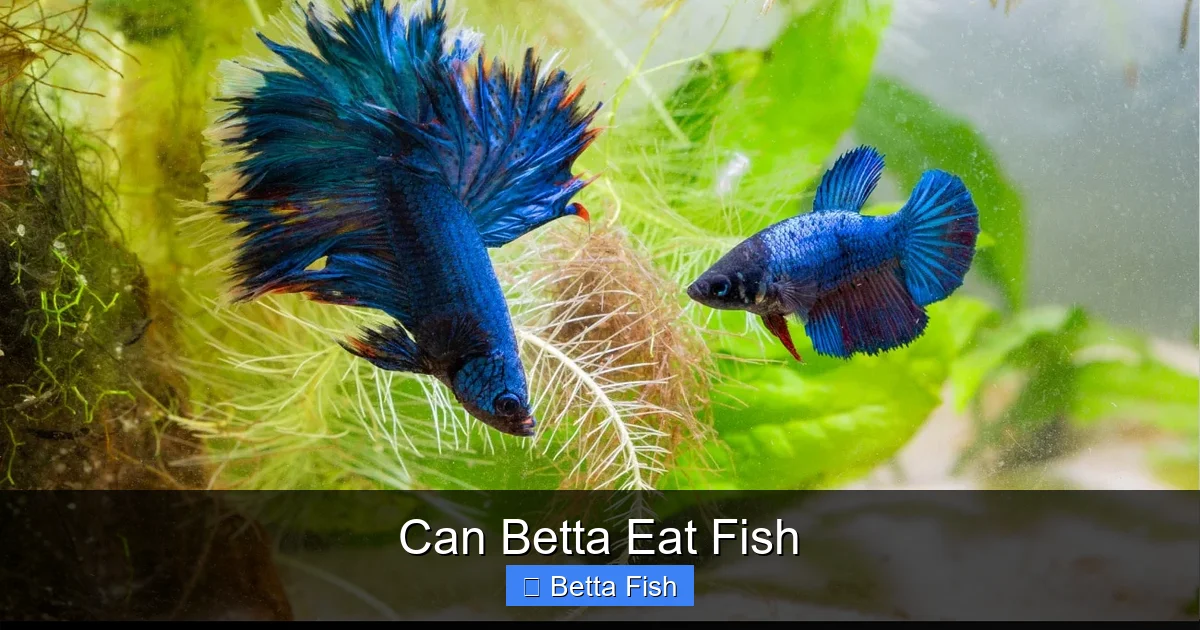
Visual guide about Can Betta Eat Fish
Image source: buildyouraquarium.com
What we feed captive bettas
Most hobbyists rely on:
- High‑quality betta pellets (designed to dissolve slowly)
- Frozen or freeze‑dried brine shrimp, daphnia, bloodworms
- Occasional live foods like mosquito larvae
These options mimic the natural protein punch while being easy to store.
2. Size Limits: How Big Is Too Big?
The mouth of a betta
A betta’s mouth opens only a few millimetres wide. Anything larger than about 2 mm simply won’t fit. That means a betta can’t swallow a guppy, a neon tetra, or any typical aquarium fish.
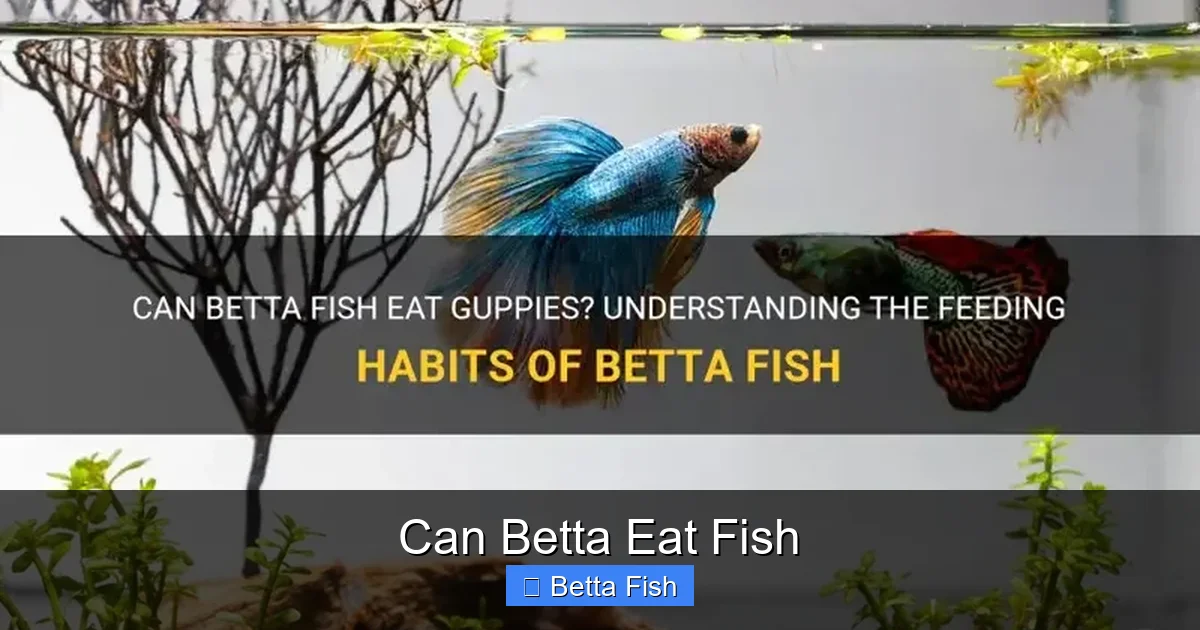
Visual guide about Can Betta Eat Fish
Image source: petshun.com
What “fish” might a betta try?
Very small live foods—such as newly hatched brine shrimp (nauplii) or micro‑daphnia—look like tiny fish to a betta. They’ll chase and eat them eagerly. Larger fish, even if they are the same size as a betta’s body, will be ignored or cause the betta to flare defensively.
Practical tip
If you want to offer a “fish‑like” treat, use shrimp or frozen bloodworms cut into bite‑size pieces. This satisfies the hunting instinct without risking injury.
3. Risks of Feeding Whole Fish
Physical injury
Attempting to bite a larger fish can tear a betta’s delicate fins, leading to infections and permanent damage. Bettas have soft, flowing fins that heal slowly.
Visual guide about Can Betta Eat Fish
Image source: petshun.com
Digestive problems
Even if a betta somehow manages to gulp a small fish, its digestive system isn’t built for large, bony meals. Undigested pieces can cause constipation, bloating, or even blockages.
Stress and aggression
Seeing a larger fish in the tank can trigger territorial aggression. A betta may flare, bite, or become overly stressed, which weakens its immune system.
4. Safe “Fish‑Like” Foods for Bettas
Live foods that mimic fish
- Brine shrimp nauplii: Tiny, fast, and highly nutritious.
- Daphnia: Small freshwater crustaceans that move like miniature fish.
- Microworms: Microscopic worms that are perfect for tiny mouths.
Frozen alternatives
Frozen foods retain most of their nutritional value and are easier to store. Thaw them completely and rinse before feeding.
Supplementing with pellets
Quality betta pellets should form the diet’s backbone. They provide balanced nutrition and help prevent over‑reliance on live foods, which can be costly and carry a higher risk of disease.
5. Tank‑Mate Considerations
Can a betta share a tank with tiny fish?
Only if the fish are truly tiny (under 1 cm) and fast‑swimming. Even then, there’s a risk of accidental nipping.
Recommended companions
- Corydoras catfish (small, bottom‑dwelling)
- Snails (they stay on the glass and are ignored)
- Some shrimp species (though larger bettas may see them as prey)
Species to avoid
Guppies, neon tetras, and any fish with bright colors or long fins are likely to trigger aggression. Goldfish are far too large and have very different water requirements.
6. How to Test Your Betta’s Appetite Safely
Start with a tiny live food
Drop a single brine shrimp nauplius into the tank. Watch your betta’s reaction. If it snaps confidently, you know it’s comfortable with live prey.
Observe stress signals
Signs of stress include constant flaring, rapid breathing, or loss of colour. If you see any of these, stop live feeding and return to pellets.
Gradual introduction
Introduce new foods one at a time, waiting 24‑48 hours before adding another type. This helps you spot any digestive issues early.
Conclusion: The Bottom Line
Bettas are fierce little hunters, but their mouths are not built for swallowing whole fish. Feeding them appropriately sized live or frozen foods satisfies their predatory instincts while keeping them healthy. If you choose tank mates, opt for tiny, fast swimmers or bottom‑dwelling species and always monitor interactions. By respecting the size limits and natural diet of your betta, you’ll enjoy a vibrant, thriving fish that never has to chase a fish it can’t eat.
Frequently Asked Questions
Can a betta eat a goldfish?
No. Goldfish are far too large for a betta to swallow, and attempting to bite them can damage the betta’s fins.
Will a betta eat live brine shrimp?
Yes. Live brine shrimp are ideal because they are the right size and trigger the betta’s natural hunting behaviour.
Can I feed my betta frozen bloodworms?
Absolutely. Frozen bloodworms are a safe, protein‑rich option that mimics the texture of live prey.
Is it safe to keep a betta with tiny neon tetras?
Generally not. Even small neon tetras can be seen as rivals, and the betta may attack them, causing stress or injury.
How often should I feed my betta?
Feed small amounts 2‑3 times a day, offering only what the betta can consume in 2‑3 minutes to prevent overfeeding.
Can bettas eat snail meat?
Yes, cooked or frozen snail meat can be given in tiny pieces, but it should not replace a balanced pellet diet.

