How to Put a Betta Fish
Knowing how to put a betta fish into a new home is one of the most important skills for any fish owner. Whether you are setting up a new tank or moving your betta to a bowl, proper acclimation prevents stress and keeps your fish healthy. This guide walks you through every step with simple, actionable advice.
So you have a betta fish, and you need to move it somewhere new. Maybe you just bought a bigger tank, or perhaps you are setting up a beautiful bowl for the first time. Either way, learning how to put a betta fish into a new environment safely is essential. A rushed move can cause serious stress, and in some cases, it can even be fatal. This guide will show you exactly how to do it right, step by step.
The process of putting a betta fish in a new home is not just about pouring water and fish into a new container. It involves careful planning, the right water conditions, and a gentle approach. Betta fish are sensitive creatures. They respond to changes in their surroundings, and a smooth transition sets them up for a long, healthy life. In this article, we will cover everything you need to know, from preparing the new habitat to monitoring your fish after the move.
Key Takeaways
- Preparation is key: Always set up the new habitat before moving your betta fish.
- Acclimate slowly: Gradual temperature and water adjustments prevent shock.
- Water quality matters: Use treated water with the right parameters for your betta.
- Monitor closely: Watch for signs of stress after the move and act quickly.
- Avoid common mistakes: Skipping acclimation and sudden water changes are top errors.
- Choose the right home: A proper tank or bowl setup makes all the difference for long-term health.
📑 Table of Contents
- Why Properly Putting a Betta Fish Matters
- How to Put a Betta Fish in a New Tank
- How to Put a Betta Fish in a New Bowl
- Transferring a Betta Fish From One Home to Another
- Common Mistakes When Putting a Betta Fish in a New Home
- Expert Tips for a Stress-Free Move
- Maintaining Water Quality After the Move
- Conclusion
Why Properly Putting a Betta Fish Matters
Many new fish owners underestimate the importance of a proper transition. They think fish are simple creatures that just need water and food. But bettas are actually quite sensitive. They thrive in stable environments, and any sudden change can trigger stress responses. When a betta gets stressed, its immune system weakens. This opens the door to diseases like ich and fungal infections.
Learning how to put a betta fish correctly protects its health from day one. A well-planned move reduces cortisol levels in the fish, which is the hormone responsible for stress. Lower stress means better color, better appetite, and a longer lifespan. It also means fewer trips to the vet and less heartbreak for you as an owner.
The Science Behind Fish Stress
When a betta fish is placed in a new environment too quickly, its body goes into fight-or-flight mode. The gills work harder, the heart rate increases, and the fish may try to escape or hide constantly. Over time, chronic stress leads to behavioral problems and physical illness. By taking the time to acclimate your fish properly, you give it the best chance to adjust naturally and comfortably.
How to Put a Betta Fish in a New Tank
If you are moving your betta into a new tank, the process requires patience and attention to detail. Follow these steps to ensure a smooth transition. This method works whether you are upgrading from a small bowl to a larger aquarium or setting up a brand-new tank from scratch.
Step 1: Prepare the New Tank Before You Move Your Fish
Never move your betta into an empty, uncycled tank. The new habitat should be fully set up and running for at least 24 to 48 hours before the fish enters it. This means the filter should be running, the heater should be set to the right temperature, and any live or artificial plants should be in place. If you are unsure about the setup process, check out our guide on how to set up a fish tank for betta fish for detailed instructions.
Make sure the water parameters are stable. Test the pH, ammonia, nitrite, and nitrate levels. A good pH for bettas ranges between 6.5 and 7.5. Ammonia and nitrite should be at zero, and nitrates should be below 20 ppm. If you are new to testing water, a simple liquid test kit works great and is not expensive.
Step 2: Match the Water Temperature
Bettas are tropical fish, so they need warm water. The ideal temperature is between 78 and 80 degrees Fahrenheit. Before you move your fish, check the temperature of both the current container and the new tank. If there is a difference, adjust the new tank’s temperature to match as closely as possible. Sudden temperature drops are one of the biggest causes of fish shock.
Step 3: Float the Bag or Container
If your betta is currently in a bag or a small container, float it in the new tank for 15 to 20 minutes. This allows the water temperatures to equalize. After the initial float, open the bag and add a small cup of tank water to the bag every 5 to 10 minutes. Do this for about 30 to 45 minutes. This gradual dilution helps your betta adjust to the new water chemistry.
For a more detailed walkthrough of this method, you can also read our article on how to put a betta fish into a new tank, which covers the bag method and the drip method in depth.
Step 4: Gently Release Your Betta
After the acclimation period, use a net to gently transfer your betta into the new tank. Avoid pouring the old water into the new tank, as it may contain waste or contaminants. Once your betta is in, give it some time to explore. Do not turn on bright lights right away. Dim the room lights or keep the tank lights off for the first few hours. This helps the fish feel safe and reduces initial stress.
Step 5: Monitor Your Betta for the Next 24 to 48 Hours
Watch your betta closely after the move. Is it eating normally? Is it swimming without difficulty? Does it hide excessively or gasp at the surface? These are all signs that something may be wrong. If you notice any of these symptoms, test the water immediately and check the temperature. Sometimes a simple adjustment fixes the problem quickly.
How to Put a Betta Fish in a New Bowl
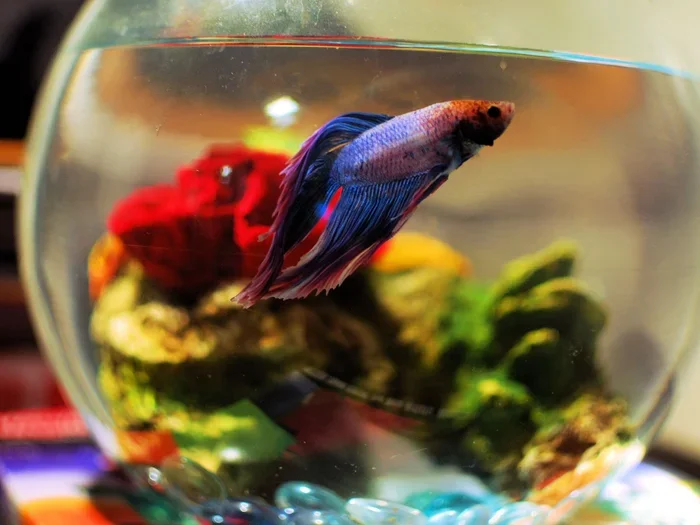
Some betta owners prefer a bowl setup, especially for smaller spaces or desktop environments. Putting a betta fish in a new bowl follows many of the same principles as a tank, but there are a few bowl-specific considerations. Bowls typically hold less water, so water quality can fluctuate faster. This makes proper cycling and regular maintenance even more important.
If you are new to bowls, our guide on how to put a betta fish in a new bowl provides a complete walkthrough with bowl-specific tips. Here are the key steps to keep in mind.
Choose the Right Size Bowl
A common misconception is that bettas can live happily in tiny cups or vases. In reality, a bowl should hold at least 2.5 gallons, and bigger is always better. A larger volume of water dilutes waste products more effectively and creates a more stable environment. If you are using a very small bowl, you will need to perform water changes more frequently, sometimes every other day.
Add a Gentle Filter and Heater
Even in a bowl, a small sponge filter can make a huge difference. It helps maintain beneficial bacteria that break down harmful toxins. A tiny heater also keeps the water at a stable tropical temperature. Without these additions, you are essentially asking your betta to survive in conditions that are constantly changing, which is stressful and unhealthy.
Acclimate Using the Same Floating Method
The acclimation process for a bowl is the same as for a tank. Float the container, gradually add bowl water, and then gently release the fish. The only difference is that you should be even more careful about water quality in a bowl because the smaller volume means less buffer against mistakes.
Transferring a Betta Fish From One Home to Another
Sometimes you are not moving your betta to a brand-new setup. Instead, you are transferring it from one established tank or bowl to another. This is common when you are rearranging your aquariums or when you need to quarantine a fish. The process is slightly different because both containers likely have established water parameters.
For a detailed guide on this specific scenario, see our article on how to transfer betta fish to a new tank. Here are the essential steps to follow.
Match Parameters First
Before you move your betta, test the water in both the old and new containers. You want the pH, temperature, and hardness to be as close as possible. Even small differences can cause stress. If the new tank has slightly different parameters, adjust them gradually over a few days before the transfer.
Use a Net, Not Pouring
Always use a soft net to move your betta. Pouring water from one container to another can disorient the fish and may introduce unwanted substances. Gently scoop your betta and transfer it directly to the new home.
Give Your Betta Time to Settle
After a transfer, your betta may act confused or scared for the first few hours. This is normal. Provide plenty of hiding spots, such as plants or decorations, so the fish can feel secure. Avoid handling the fish or tapping on the glass during this adjustment period.
Common Mistakes When Putting a Betta Fish in a New Home
Even experienced fish keepers make mistakes sometimes. Here are the most common errors that happen when moving a betta to a new environment, and how to avoid them.
- Skipping acclimation entirely: Some people just dump the fish into the new tank. This is the fastest way to cause shock and stress.
- Using untreated tap water: Tap water contains chlorine and chloramine, which are harmful to bettas. Always use a water conditioner before adding water to any new habitat.
- Moving the fish into an uncycled tank: An uncycled tank has no beneficial bacteria to process waste. This can lead to ammonia spikes that are deadly to fish.
- Changing too many variables at once: Do not change the water, the filter, the decorations, and the temperature all at the same time. Make changes one at a time so your betta can adjust.
- Ignoring signs of stress: If your betta is clamped, pale, or not eating after a move, do not ignore it. Take action immediately by testing the water and checking the temperature.
Quick Tips to Avoid Problems
- Always have the new habitat running for at least a day before the move.
- Keep a log of water parameters so you can track changes over time.
- Have all your supplies ready before you start the transfer process.
- Move your betta during a calm time when there are no loud noises or vibrations nearby.
- If possible, do the move in the evening so the fish can rest overnight without bright lights.
Expert Tips for a Stress-Free Move
Veterinarians and experienced aquarists agree that the key to a successful move is preparation and patience. Here are some expert-level tips that can make the process even smoother.
First, consider adding a small amount of aquarium salt to the new habitat. Aquarium salt can help reduce stress and support your betta’s slime coat, which is its first line of defense against disease. Use it at the recommended dosage, which is typically one teaspoon per gallon.
Second, keep the lights off or very dim for the first 24 hours. Bettas are more relaxed in low-light conditions, and darkness helps them feel safe while they explore their new surroundings. After the first day, you can gradually return to a normal light schedule.
Third, offer a small meal after the move, but do not overfeed. A small pinch of high-quality betta pellets or a few frozen bloodworms is enough. Overfeeding after a stressful move can lead to digestive issues, which only adds to the fish’s discomfort.
When to Seek Help
If your betta shows severe signs of distress after a move, such as rapid breathing, lying on the bottom, or losing color rapidly, it is time to take action. Test the water immediately and look for ammonia or nitrite spikes. If the water parameters are fine, consider whether the temperature might be off. Sometimes a simple adjustment solves the problem. If symptoms persist, consult a fish veterinarian or an experienced aquarist for advice.
Maintaining Water Quality After the Move
Once your betta is settled in its new home, the work is not over. Maintaining good water quality is essential for long-term health. In a new environment, beneficial bacteria are still establishing themselves, which means water parameters can be less stable during the first few weeks.
Perform small water changes of about 10 to 20 percent every week. Use a gravel vacuum to remove debris from the substrate. Always treat new water with a conditioner before adding it to the tank. For more information on keeping your betta’s water clean and healthy, read our article on how to take care of betta fish water.
Signs That Water Quality Is Good
- Your betta is active and alert.
- The fish has vibrant colors and a healthy appetite.
- There is no cloudy water or unpleasant odor.
- No signs of disease such as white spots, torn fins, or redness.
- The fish swims comfortably throughout the tank or bowl.
By staying on top of water maintenance, you create an environment where your betta can thrive. A clean, stable habitat reduces the risk of illness and helps your fish live its longest, happiest life.
Conclusion
Learning how to put a betta fish into a new home is a fundamental skill for every betta owner. Whether you are moving your fish to a new tank, a new bowl, or simply rearranging its current habitat, the principles remain the same: prepare in advance, acclimate slowly, and monitor closely. A smooth transition leads to a healthier, happier fish, and that translates into years of enjoyment for you as the owner.
Take your time with the process. Do not rush it. Follow the steps outlined in this guide, and your betta will adjust to its new environment with confidence. Remember, a well-cared-for betta is a beautiful, lively companion that brings joy to any space. By putting in the effort to do the move correctly, you are setting both yourself and your fish up for success.
Frequently Asked Questions
How long does it take to acclimate a betta fish to a new tank?
The full acclimation process typically takes 30 to 60 minutes, but you should monitor your betta for 24 to 48 hours afterward. The floating and drip method ensures a gradual transition that minimizes stress and prevents shock.
Can I put a betta fish directly into a new tank without acclimation?
No, you should never skip acclimation. Sudden changes in temperature, pH, and water chemistry can cause severe stress or even death. Always take the time to gradually introduce your betta to new water conditions.
What is the best way to transport a betta fish to a new location?
The best method is to place your betta in a clean, secure bag or container with some of its original water. Keep the container stable and avoid temperature extremes during transport. For long-distance moves, check out our guide on how to transport a betta fish long distance.
Should I feed my betta fish right after moving it to a new bowl?
Wait at least 2 to 3 hours after the move before offering food. This gives your betta time to settle and explore its new surroundings. When you do feed, offer a small amount to avoid overfeeding during a stressful transition.
Do I need to cycle a new tank before putting a betta fish in it?
Yes, absolutely. A cycled tank has beneficial bacteria that break down harmful toxins like ammonia and nitrite. Moving a betta into an uncycled tank puts it at serious risk of ammonia poisoning, which can be fatal.
How can I tell if my betta fish is stressed after being moved?
Common signs of stress include clamped fins, loss of color, hiding constantly, not eating, and rapid gill movement. If you notice any of these symptoms, test the water parameters and temperature first, as these are the most common causes of post-move stress.