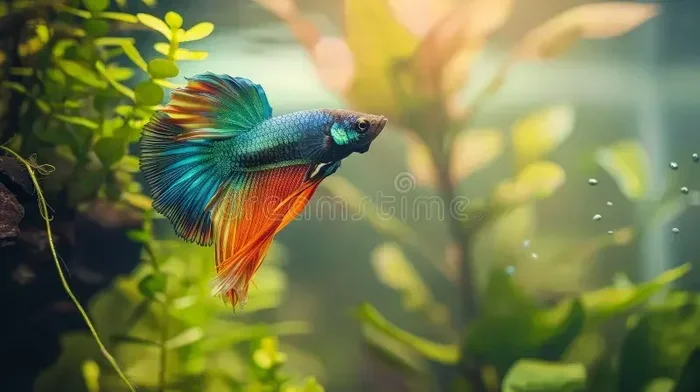
What Size Fish Tank for Betta

Choosing the right fish tank size for betta is the single most important decision you will make for your pet betta’s health and happiness. A minimum of 5 gallons is widely recommended by experts, but bigger is always better. This guide covers everything you need to know about betta tank size, from setup to common mistakes.
So you just brought home a beautiful betta fish. Maybe its flowing fins caught your eye at the pet store, or maybe you have been dreaming about adding a splash of color to your home. Either way, one question matters most: what size fish tank for betta?
The answer might surprise you. Many people still believe bettas thrive in tiny cups and bowls. That is a myth. Your betta deserves a real home with enough space to swim, explore, and be itself. In this guide, we will walk you through everything you need to know about choosing the right betta fish tank size. We will cover minimum requirements, ideal sizes, setup tips, and common mistakes to avoid.
Let us get started. Your betta is counting on you to make the right choice.
Key Takeaways
- Minimum Tank Size: A 5-gallon tank is the absolute minimum for a single betta fish. Smaller containers lead to health problems and stress.
- Bigger Is Better: Tanks between 10 and 20 gallons give your betta more room to swim and make water maintenance much easier.
- Avoid Small Bowls: Betta fish bowls under 3 gallons are harmful and do not provide a healthy environment.
- Tank Setup Matters: Proper filtration, heating, and décor are essential regardless of tank size.
- Water Quality Is Critical: Larger tanks are more stable and easier to keep clean, which directly impacts your betta’s lifespan.
- Know Your Betta’s Needs: Understanding betta fish care basics helps you create a thriving habitat.
📑 Table of Contents
- Why Tank Size Matters for Your Betta Fish
- Common Tank Sizes and What They Mean for Your Betta
- What Else You Need for the Right Tank Size
- How to Set Up Your Betta Tank
- Common Mistakes to Avoid When Choosing a Betta Tank
- How Big Should a Betta Fish Tank Really Be?
- Final Thoughts on Choosing the Right Size Fish Tank for Betta
Why Tank Size Matters for Your Betta Fish
Tank size is not just about giving your fish room to move. It directly affects water quality, temperature stability, and your betta’s overall well-being. A small container heats up too fast, cools down too quickly, and fills with toxins rapidly. A properly sized betta habitat gives you a much easier time keeping things clean and stable.
Here is a simple way to think about it. Imagine living in a closet your entire life. Now imagine living in a cozy apartment with a window. The second option sounds much better, right? Your betta feels the same way. The more space it has, the happier and healthier it will be.
What size tank for betta fish is actually ideal? Let us break it down.
The Minimum Standard
Most aquarium experts agree that a 5-gallon tank is the minimum for a single betta. This size gives your fish enough room to swim in all directions. It also provides enough water volume to dilute waste products. In a smaller container, ammonia from fish waste builds up fast and can poison your betta within hours.
If you have ever seen a betta kept in a tiny cup at a pet store, that is not a lifestyle we want for your fish. Those cups are only for temporary transport. Your betta deserves so much more.
Why Bigger Tanks Make Life Easier
A 10-gallon tank is a great step up from 5 gallons. It gives your betta plenty of swimming space. It also gives you more room for plants, caves, and other decorations. More importantly, a larger volume of water stays more stable. Temperature swings and chemical spikes happen less often in bigger tanks.
A 20-gallon long tank is even better if you have the space. It gives your betta room to explore and gives you flexibility to add tank mates or create a planted aquascape. The ideal tank size betta owners should aim for is somewhere between 10 and 20 gallons.
Common Tank Sizes and What They Mean for Your Betta
Not all tanks are created equal. Let us look at the most common sizes and how they work for betta fish care.
| Tank Size | Best For | Pros | Cons |
|---|---|---|---|
| 1-3 Gallons | Nothing recommended | Very cheap, takes up little space | Unstable water parameters, too small for healthy betta life |
| 5 Gallons | Single betta (minimum) | Stable enough with proper care, easy to manage | Limited swimming space, no room for tank mates |
| 10 Gallons | Single betta or small community | Good stability, room for plants and décor | Needs more equipment and space |
| 20 Gallons | Betta with plants or small community | Excellent water stability, lots of setup options | Larger footprint, higher cost |
As you can see, the minimum size fish tank for betta is 5 gallons. But if you really want your betta to thrive, go bigger. A 10 or 20 gallon tank gives you room to be creative and builds a much healthier environment.
Can You Keep a Betta in a Fish Bowl?
This is one of the most common questions we get. The short answer is no. Betta fish bowls are almost always too small. Most decorative bowls hold less than 2 gallons. That is not enough water to maintain safe ammonia and nitrate levels. Your betta will get stressed, sick, and may not live very long.
If you want to keep your betta in a bowl-style container, upgrade to at least a 3-gallon round tank. Even then, a standard rectangular 5-gallon aquarium is a far better choice.
What Else You Need for the Right Tank Size
Choosing the right fish tank size for betta is only half the battle. You also need the right equipment to keep the environment safe and comfortable.
Filtration
A filter keeps your tank water clean by removing waste and toxins. For a 5-gallon tank, a small hang-on-back filter or sponge filter works great. Make sure the filter flow is gentle. Bettas are slow swimmers and do not like strong currents. A filter with an adjustable flow rate is ideal.
Heating
Betta fish are tropical. They need warm water to stay healthy. A 5-watt heater is perfect for a 5-gallon tank. You want to keep the temperature between 76 and 82 degrees Fahrenheit. A heater with a built-in thermostat makes this easy to maintain. Check out our guide on what is the best temperature for a betta fish tank for more details on temperature management.
Lighting
Standard aquarium lighting works fine for a betta tank. You do not need anything fancy. If you plan to add live plants, a full-spectrum LED light will help them grow. Keep the light on for 8 to 10 hours a day. Too much light can cause algae growth and stress your fish.
Substrate and Décor
Use a soft, fine-grained substrate like sand or small gravel. Bettas like to explore the bottom of their tank. Add some plants, caves, and hiding spots to make your betta feel safe. Live plants are excellent because they help clean the water naturally. Learn more about the best live plants for betta fish to create a natural and beautiful habitat.
How to Set Up Your Betta Tank
Setting up a new tank might feel overwhelming, but it does not have to be. Follow these simple steps and you will have a thriving betta fish habitat in no time.
- Rinse your tank with clean water. Do not use soap or detergent.
- Add substrate to the bottom of the tank. Rinse it first to remove dust.
- Install your heater and filter according to the manufacturer’s instructions.
- Fill the tank with treated water. Use a water conditioner to remove chlorine and chloramine.
- Let the tank cycle for at least 2 to 4 weeks before adding your betta. This builds beneficial bacteria that keep the water safe.
- Add plants and décor to create hiding spots and visual interest.
- Acclimate your betta slowly by floating its bag in the tank for 15 to 20 minutes before gently releasing it.
For a full step-by-step walkthrough, check out our article on how to set up a fish tank for betta fish. It covers everything from cycling to planting in detail.
Quick Tips for a Healthy Betta Tank
- Test your water parameters weekly. You want ammonia and nitrite at zero, and nitrates below 20 ppm.
- Do partial water changes of 25 to 30 percent every week.
- Do not overfeed your betta. Feed small amounts once or twice a day.
- Keep the tank lid on. Bettas are jumpers and can escape if given the chance.
- Place the tank away from direct sunlight and drafty areas to maintain stable temperature.
Common Mistakes to Avoid When Choosing a Betta Tank
Even well-meaning fish keepers make mistakes. Here are the most common ones when it comes to betta tank size.
Mistake 1: Buying the Smallest Tank Possible
It is tempting to buy a tiny, cheap tank. But small tanks are a nightmare to maintain. Water parameters swing wildly in less than 5 gallons. Your betta will be stressed and more prone to disease. Always go with at least a 5-gallon tank.
Mistake 2: Overcrowding the Tank
Bettas are solitary fish. They do not need tank mates in most cases. Adding too many fish to a small betta aquarium creates aggression and poor water quality. If you want to keep other fish, research compatible species carefully and make sure your tank is large enough.
Mistake 3: Skipping the Cycling Process
Some people add their betta to a brand-new tank right away. This is dangerous. An uncycled tank has no beneficial bacteria to break down harmful waste. Your betta could get ammonia burns or become very ill. Always cycle your tank first, and learn more about what all you need for a betta fish tank to make sure you have everything ready.
Mistake 4: Ignoring Water Temperature
Cold water makes bettas sluggish and sick. Room temperature water is almost never warm enough for a betta. Always use a heater and monitor the temperature regularly. Visit our guide on what the water temperature should be for a betta fish for specific temperature guidelines.
How Big Should a Betta Fish Tank Really Be?
The honest answer is that there is no upper limit. Bettas love space. The more room they have, the more they get to express natural behaviors like exploring, resting, and swimming. A 10-gallon tank is the sweet spot for most hobbyists. It is large enough to create a beautiful setup and small enough to fit in most homes.
If you have a larger space, a 20-gallon long tank opens up even more possibilities. You can add a gentle community of small fish, create a lush planted scape, or build a stunning aquascape. The key is to match the tank size to your experience level and the space you have available.
Remember, the best betta fish tank is one that you can maintain consistently. A well-kept 5-gallon tank is far better than a neglected 20-gallon tank. Start with what you can manage and upgrade as you grow more confident in your betta fish care routine.
Also, keep in mind that a tank can be too big if it is not properly cycled and maintained. The key is balance between adequate size and consistent care.
Final Thoughts on Choosing the Right Size Fish Tank for Betta
Choosing the right fish tank size for betta is one of the most impactful decisions you will make as a fish owner. A 5-gallon tank is the minimum. A 10-gallon tank is the ideal sweet spot. And a 20-gallon tank is perfect for experienced keepers who want to create something spectacular.
Your betta is a living creature with needs. Give it the space, warmth, and clean water it deserves, and it will reward you with vibrant colors and lively behavior for years to come. The right betta fish tank size is not just about the fish. It is about creating a little piece of nature in your home that brings you joy every single day.
Start with the right size. Set it up properly. And enjoy the wonderful world of betta keeping. You and your fish will both be glad you did.
Frequently Asked Questions
What is the minimum tank size for a betta fish?
The minimum tank size for a betta fish is 5 gallons. Anything smaller, such as a bowl or a 1-gallon container, does not provide enough space or water stability for a healthy betta. A 5-gallon tank gives your fish room to swim and allows waste to dilute properly.
Can a betta fish live in a 3-gallon tank?
A 3-gallon tank is better than a bowl, but it is still too small for long-term betta health. Water parameters fluctuate quickly in such a small volume, which stresses your fish. If you only have a 3-gallon tank, upgrade to at least 5 gallons as soon as possible.
Is a 10-gallon tank good for a betta fish?
Yes, a 10-gallon tank is an excellent size for a betta fish. It provides plenty of swimming space, stable water conditions, and room for plants and decorations. Many betta owners consider 10 gallons the ideal balance between manageability and a healthy environment.
Do betta fish need a heater in their tank?
Yes, betta fish need a heater. They are tropical fish that thrive in water temperatures between 76 and 82 degrees Fahrenheit. Without a heater, room temperature water is usually too cold, which can make your betta sluggish and prone to illness.
Can two betta fish live in the same tank?
Generally, no. Male bettas are highly territorial and will fight each other. Female bettas can sometimes live together in groups called sororities, but this requires a tank of at least 10 gallons with plenty of hiding spots. For most beginners, one betta per tank is the safest choice.
How often should I clean my betta fish tank?
Do a 25 to 30 percent water change every week. This removes waste and keeps ammonia and nitrate levels in check. You should also vacuum the substrate and clean the glass during each water change. A filter helps, but it does not replace regular maintenance.