Where Are Betta Fish Native
Betta fish, scientifically known as Betta splendens, are not from a single country but are native to the tropical freshwater ecosystems of Southeast Asia. Their natural habitat spans the shallow, slow-moving waters of Thailand, Cambodia, Vietnam, and parts of Malaysia and Indonesia. Understanding this native environment is crucial for properly caring for them in captivity, as it explains their unique adaptations like the labyrinth organ and their territorial behavior.
Key Takeaways
- Native Region: Wild bettas originate from the continental shelf of Southeast Asia, primarily Thailand, Cambodia, Vietnam, and parts of Malaysia and Indonesia.
- Habitat Type: They thrive in shallow, warm, slow-moving or stagnant bodies of water like rice paddies, ditches, swamps, and floodplain forests.
- Labyrinth Organ: Their famous ability to breathe atmospheric air is an adaptation to survive in oxygen-poor, warm waters common in their native range.
- Aggression Origin: The intense male aggression seen in captivity evolved as a survival strategy in their resource-limited, crowded native habitats.
- Cultural Roots: The history of betta fighting is deeply tied to their native Thailand (formerly Siam), where it was a popular pastime for centuries.
- Conservation Status: While the domesticated Siamese fighting fish is not threatened, wild populations face habitat loss and pollution in their native territories.
- Care Implication: Replicating key aspects of their native water conditions (warm, soft, acidic) and providing surface access is essential for their health.
📑 Table of Contents
- The Allure and Misconception of the Betta Fish
- The Southeast Asian Cradle: Mapping the Native Range
- The Native Habitat: A Closer Look at the Wild World
- The Labyrinth Organ: Breathing Air to Survive
- Aggression in the Wild: More Than Just Fighting
- From Wild Fish to Global Icon: A Brief Cultural History
- Conservation in the Native Range: A Fragile Paradise
- Bringing the Wild Home: Practical Implications for Care
- Conclusion: A Window into Evolution
The Allure and Misconception of the Betta Fish
Walk into any pet store, and you’ll be greeted by a dazzling array of betta fish. Their flowing, jewel-toned fins and vibrant personalities have made them one of the world’s most popular aquarium fish. Yet, behind the captive-bred spectacle lies a wild origin story that is utterly fascinating and critically important for their well-being. When we ask, “Where are betta fish native?” we are not just looking for a point on a map; we are uncovering the environmental blueprint that built this remarkable creature. The common betta fish, Betta splendens, is a product of a very specific, challenging, and beautiful part of our world. Understanding this native landscape transforms how we see these fish, moving them from a simple “decorative” pet to a complex animal with deep evolutionary roots.
The misconception is that bettas come from small, dirty puddles and therefore can live in a dirty jar. This is a dangerous oversimplification born from a partial truth. Yes, they can survive in poor conditions, but they thrive in the complex, plant-rich ecosystems of their homeland. Their native habitat is a masterclass in adaptation—warm, shallow, often low in oxygen, but teeming with life and cover. This article will journey from the bustling markets of Bangkok to the quiet, flooded forests of the Mekong Delta, exploring exactly where betta fish are native and what that wild life tells us about the betta swimming in your tank.
The Southeast Asian Cradle: Mapping the Native Range
The answer to “where are betta fish native” is a story of a region defined by monsoon cycles, vast river deltas, and ancient, interconnected waterways. The native range of Betta splendens is centered on the Chao Phraya and Mekong River basins. This doesn’t mean a single river, but the entire continental shelf and floodplain systems they drain. The political boundaries we know today—Thailand, Cambodia, Vietnam—are human constructs that cut across the betta’s natural, fluid territory.
Visual guide about Where Are Betta Fish Native
Image source: shutterstock.com
Thailand: The Heartland of the Siamese Fighting Fish
Thailand, historically known as Siam, is unequivocally the core native range and cultural birthplace of the domesticated betta. The name “Siamese fighting fish” is a direct reference to this origin. In Thailand, wild bettas are found throughout the central plain, particularly in the vast network of waterways surrounding the Chao Phraya River. This includes the provinces of Bangkok, Nonthaburi, Pathum Thani, and Ayutthaya. These areas are characterized by low-lying floodplains that become a mosaic of shallow ponds, canals (khlongs), and rice fields during the rainy season. The Thai wild bettas, often called “pla kat” ( biting fish), are the direct ancestors of nearly all the domesticated varieties in the global aquarium trade. Their genetic diversity in these central Thai waters is the foundation for the colors and fin types we see today.
Cambodia and the Mekong Delta Connection
East of Thailand, the native range extends deep into Cambodia, particularly in the Tonlé Sap lake and the Mekong River systems that flow through it. The Tonlé Sap is one of the world’s most productive freshwater ecosystems, expanding dramatically during the monsoon. This creates an immense, temporary flooded forest habitat—a perfect betta paradise. Here, bettas live among submerged roots, dense aquatic plants, and leaf litter. The connection between the Thai and Cambodian populations via the Mekong and Tonlé Sap is a critical wildlife corridor. Vietnamese populations are also significant, found in the Mekong Delta (known as the “Nine Dragons” river delta) and smaller coastal river basins in the south. The Vietnamese wild bettas often show subtle differences in coloration and morphology, representing a distinct genetic population.
Malaysia and the Southern Fringe
The southern fringes of the native range dip into the Malay Peninsula. Here, in the states of Peninsular Malaysia like Perlis, Kedah, and Perak, you find wild bettas inhabiting the peat swamps and blackwater streams. These environments are chemically distinct from the rice paddies of Thailand—the water is stained dark brown by tannins from decaying vegetation, making it very soft and acidic. This represents the extreme southern adaptation of the species. There is also a population on the Indonesian island of Sumatra, though its status as a native or introduced population is sometimes debated by scientists. The Sumatra bettas are often classified as a closely related species, Betta imbellis (the peaceful betta), highlighting the rich biodiversity of the Betta genus in this region.
The Native Habitat: A Closer Look at the Wild World
Knowing the countries is one thing; understanding the specific type of water they call home is another. A betta’s native habitat is not a generic “pond.” It is a highly specific micro-ecosystem that explains every aspect of their biology, from how they breathe to how they behave.
Visual guide about Where Are Betta Fish Native
Image source: shutterstock.com
Shallow, Stagnant, and Sun-Drenched Waters
Forget clear, flowing mountain streams. Wild bettas are creatures of the still, sun-drenched shallows. Their homes are typically less than 30 centimeters (about 12 inches) deep. Think of the edge of a rice paddy after it’s been flooded, a muddy ditch beside a jungle path, or the quiet backwaters of a swamp. The water is often stained a tea-color from tannins (in forested areas) or murky from suspended silt (in agricultural areas). The temperature is consistently warm, usually between 75°F and 85°F (24°C – 29°C), with little daily or seasonal fluctuation. The water movement is negligible; these are essentially still pools. This environment is crucial because still water holds very little dissolved oxygen, especially when warm. This is the primary evolutionary pressure that led to the betta’s most famous feature.
The Vegetation: Dense Cover is Everything
Imagine a floating mat of water lettuce or water hyacinth, roots dangling into the water. Below, dense stands of underwater plants like Cryptocoryne (water trumpets) and Vallisneria (eelgrass) sway gently. Overhanging jungle vegetation casts dappled shadows. This is the ideal wild betta habitat. The surface vegetation is absolutely critical. It provides three vital functions: it traps the betta’s bubble nest (for males), it offers shade and security from aerial predators (birds, snakes), and it is the platform from which the betta takes its essential gulps of atmospheric air. The underwater plants and submerged roots provide hiding places from larger fish and a hunting ground for the tiny insects, zooplankton, and larvae that make up their diet. A betta in the wild is rarely out in the open; it is a creature of the dense cover, using plants to navigate, rest, and ambush prey.
The Labyrinth Organ: Breathing Air to Survive
The single most important physiological adaptation of the betta fish, directly tied to its native habitat, is the labyrinth organ. This is a folded, vascularized structure located in a chamber above the gills. It allows the betta to breathe atmospheric air directly. In the warm, stagnant, oxygen-depleted waters of Southeast Asia, gill respiration alone is often insufficient. The betta must regularly swim to the surface, gulp a bubble of air, and extract oxygen through its labyrinth organ. This is not a quirky party trick; it is a survival mechanism. In captivity, this means you must provide access to the water’s surface. A tight-closing lid is essential to prevent escape, but the water level should allow the betta to easily reach the air. More importantly, it explains why water agitation and surface-skimming filters can be stressful—they disrupt the delicate air layer at the surface that the betta relies on. The labyrinth organ also allows bettas to survive in isolated, drying puddles during the dry season, migrating over damp land to new water bodies—a trait that fueled their spread across the region and their notorious hardiness.
Aggression in the Wild: More Than Just Fighting
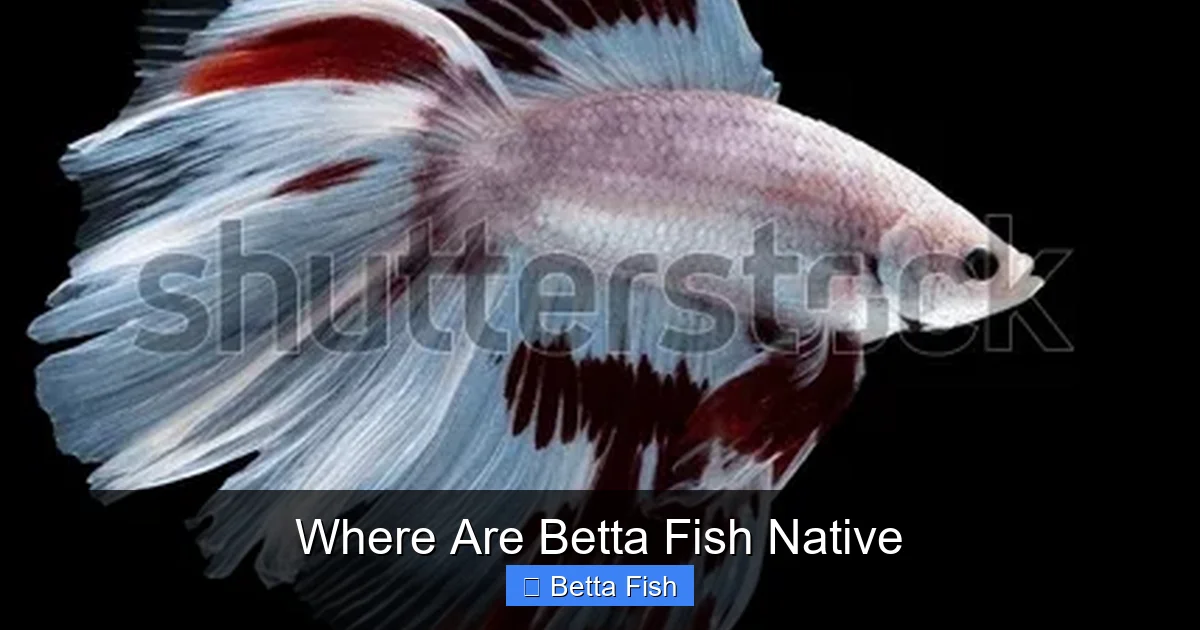
The image of two bettas locked in a fierce, flaring battle is iconic. But why did this evolve? The aggression is not random violence; it is a highly specific territorial and mating strategy born from the constraints of their native habitat. In the wild, resources are limited. A good patch of dense plants with a suitable bubble-nest site is prime real estate. A male betta will fiercely defend this small territory from rival males because it represents his chance to attract a female and successfully spawn. The famous flaring—expanding gill covers and fins—is primarily a display to intimidate and avoid a costly physical fight. Fights do occur, but they are usually brief and end with one fish retreating. The limited space of a small tank in captivity removes the option for retreat, forcing prolonged, stressful conflicts. This context is vital: in the wild, a betta’s aggression is tied to a specific, defendable resource (a nest site), not a general hatred of other fish. It is a territorial imperative, not a personality flaw.
Visual guide about Where Are Betta Fish Native
Image source: shutterstock.com
From Wild Fish to Global Icon: A Brief Cultural History
The Tradition of Fighting in Siam
The story of the betta’s domestication is inseparable from its native land. In 19th century Siam (Thailand), betting on betta fights was a widespread popular pastime, akin to cockfighting. People would collect wild males and pit them against each other. The fights were not to the death but would continue until one fish retreated and refused to return. The winners were prized for their aggression and stamina. These wild-caught fighters were the first to be selectively bred, not for color, but for fighting prowess. This selective pressure for heightened aggression and durability is why modern domesticated bettas retain such a strong territorial instinct, even the more “peaceful” females. The practice was so notable that the King of Siam gave some of his prized fighting bettas to a Danish physician and explorer, Theodore Cantor, in the 1840s. Cantor sent specimens back to Europe, where they were scientifically described as Betta splendens (“splendid fighting fish”) in 1849.
The Western Aquarium Revolution
For decades after their introduction to the West, bettas were known primarily as fighting fish. It wasn’t until the early 20th century that breeders in Europe and later the United States began selecting for color and fin length, creating the first ornamental varieties. The development of the “veiltail” long-finned strain was a major milestone. The modern explosion of varieties—halfmoon, delta, crowntail, doubletail, and every color imaginable—is a product of intensive, global selective breeding in the last 30-40 years. However, every single one of these fish carries the genetic code and physiological blueprint of its wild ancestors from the rice paddies of Thailand. This history underscores that our bettas are domesticated animals, not wild-caught, but their instincts and needs are shaped by that wild past.
Conservation in the Native Range: A Fragile Paradise
While your pet betta is safe, its wild cousins face growing threats. The very ecosystems that nurtured the species are under siege. The primary threat is habitat destruction. Southeast Asia has seen massive loss of natural wetlands, swamps, and floodplain forests to agriculture (especially palm oil and rice), urban development, and infrastructure projects like dams. Pollution is another severe issue. Agricultural runoff (pesticides, fertilizers) and untreated industrial and urban sewage poison the shallow, slow-moving waters where bettas live. The introduction of invasive plant species like water hyacinth, while sometimes providing cover, can also clog waterways and alter ecosystems. The pet trade itself, if unregulated, can lead to over-collection from the wild. The IUCN Red List assessment for Betta splendens is “Vulnerable,” indicating it faces a high risk of extinction in the wild. Protecting the peat swamps of Malaysia and the floodplain forests of Thailand and Cambodia is not just about saving a fish; it’s about preserving an entire unique type of tropical wetland ecosystem.
Bringing the Wild Home: Practical Implications for Care
Understanding the native habitat is not an academic exercise; it is the ultimate guide to proper betta care. Every recommendation for a betta tank should be a direct translation of a wild condition.
- Tank Size & Setup: A “vase” or “mason jar” is an insult to their wild range, which offers miles of water. A minimum of 5 gallons (19 liters) is the absolute baseline. The tank must have a secure lid (they jump!). The decor should mimic the dense cover: live plants like Anubias, Java fern, and Cryptocoryne are excellent. Provide floating plants (real or artificial) for shade and nest-building. Smooth, broad-leafed plants are ideal resting spots.
- Water Parameters: Aim for warm, stable temperatures between 76°F and 82°F (24°C – 28°C). The water should be soft to moderately hard and slightly acidic to neutral (pH 6.5 – 7.5), mimicking the tannin-stained waters. Gentle filtration is key—a sponge filter is perfect, as it provides biological filtration without strong current. Perform regular water changes (25-50% weekly) to manage waste, as stagnant wild pools have natural processes (plants, microbes) we lack in a tank.
- Tankmates: Their territorial nature means they should generally be kept alone. If you must add tankmates, choose peaceful, fast-swimming, non-finned-nipping fish from similarly warm, soft water environments (e.g., small rasboras, corydoras catfish). Never keep two male bettas together. The “community tank” must be large (20+ gallons) and heavily planted to provide visual barriers.
- Diet: In the wild, they are insectivores and micropredators, eating mosquito larvae, tiny crustaceans, and insects that fall on the water’s surface. A quality pellet or flake should be the base, supplemented with regular treats of frozen or live foods like daphnia, brine shrimp, or bloodworms. Avoid overfeeding; in the wild, they eat small amounts frequently.
The goal is to create a micro-habitat that honors their evolutionary design. A well-set-up betta tank is not a sterile glass box; it’s a living diorama of a Southeast Asian shallows.
Conclusion: A Window into Evolution
The betta fish’s native home in the tropical wetlands of Southeast Asia is more than a geographic footnote. It is the key to understanding the creature itself. The labyrinth organ is a direct response to warm, oxygen-poor water. The legendary aggression is a strategy for defending scarce, valuable nesting territory in crowded, seasonal habitats. The need for surface access and dense cover is a non-negotiable requirement written in their DNA. When we see a betta in its native setting—a flash of blue and red among the roots of a flooded forest, a tiny bubble nest clinging to a water lettuce leaf—we see the animal in its full, unadulterated context. Every flowing fin, every vibrant scale, every territorial flare is a chapter in a story that began in the monsoon-swollen plains of Thailand and Cambodia. By bringing a betta into our homes, we take on the responsibility of honoring that wild legacy. It means moving beyond the myth of the “durable fish in a cup” and embracing the privilege of providing a slice of their magnificent, challenging, and beautiful native world. To care for a betta is, in essence, to become a steward of a tiny piece of Southeast Asian biodiversity.
Frequently Asked Questions
What countries are betta fish native to?
Wild betta fish (Betta splendens) are native to the continental shelf of Southeast Asia, with their core range in Thailand (formerly Siam), Cambodia, and Vietnam. Their habitat also extends into parts of southern Malaysia and possibly Sumatra, Indonesia.
Why are they called Siamese fighting fish?
The name “Siamese fighting fish” directly references their historical origins in Siam (the former name of Thailand). In 19th century Thailand, people selectively bred wild bettas for aggressive fighting contests, a tradition that led to their scientific discovery and export to the West.
What is the natural habitat of a betta fish like?
>In the wild, bettas live in shallow, warm, slow-moving or stagnant bodies of water like rice paddies, swamps, ditches, and the flooded edges of forests. These habitats are densely vegetated, often have dark, tannin-stained water, and have very low oxygen levels.
What is the labyrinth organ and why is it important?
The labyrinth organ is a specialized breathing structure that allows bettas to gulp atmospheric air from the water’s surface. It evolved as a crucial adaptation to survive in their native oxygen-poor, warm, stagnant waters. In captivity, this means bettas must have access to the water’s surface to breathe.
Are wild betta fish endangered?
The wild populations of Betta splendens are currently listed as “Vulnerable” by the IUCN. They face significant threats from habitat loss due to agriculture, urban development, pollution, and damming in their native Southeast Asian range. The global pet trade uses almost exclusively captive-bred fish.
Does knowing their native habitat affect how I should care for my pet betta?
Absolutely. Their native environment dictates their needs: a warm tank (76-82°F), soft to moderately hard and slightly acidic water, access to the surface for breathing, and abundant dense cover (plants) for security. Avoiding strong water movement and providing a varied, insect-based diet are also direct reflections of their wild life.