How Long Until a Betta Fish Is Fully Grown
So, how long until a betta fish is fully grown? Most bettas reach their full size within 7 to 12 months, but their growth stages begin the moment they hatch. Understanding the betta fish growth stages helps you provide the right betta fish care at every phase. This guide covers everything from baby betta size to adult dimensions, feeding schedules, and tank conditions that support healthy growth.
If you have just brought home a baby betta or are planning to breed one, you probably want to know exactly how long until a betta fish is fully grown. The answer might surprise you. While most bettas reach their adult size within the first year, the journey from tiny fry to a vibrant, full-sized fish involves several distinct stages.
Understanding betta fish growth stages is not just fascinating. It is essential for providing the right care at every step. The food you offer, the tank size you choose, and the water conditions you maintain all play a huge role in how fast and how healthy your betta grows. In this guide, we will walk through each phase in detail so you can give your fish the best start in life.
Whether you are a complete beginner or a seasoned hobbyist, this article covers practical tips you can use right away. Let us dive into the world of betta development and find out what you need to know.
Key Takeaways
- Full Growth Timeline: Bettas typically reach full size in 7 to 12 months under proper care.
- Growth Stages Matter: Each phase from egg to adult requires different conditions and nutrition.
- Tank Size Impacts Growth: A proper tank size supports healthy development and reduces stress.
- Diet Drives Growth: Feeding high-quality food at the right frequency accelerates growth spurts.
- Health Signs to Watch: Recognizing healthy vs. stunted growth helps you intervene early.
- Gender Differences: Male and female bettas may grow at slightly different rates and sizes.
- Patience Is Key: Betta fish development is a gradual process that rewards consistent care.
📑 Table of Contents
- Understanding Betta Fish Growth Stages
- How Big Do Betta Fish Get When Fully Grown?
- What Affects How Fast a Betta Fish Grows?
- Betta Fish Growth Chart: What to Expect Month by Month
- Common Mistakes That Slow Betta Growth
- How to Support Maximum Growth in Your Betta
- How Long Do Betta Fish Live After Reaching Full Size?
- Conclusion
Understanding Betta Fish Growth Stages
Betta fish do not just appear as tiny versions of adults overnight. They go through clearly defined betta fish development phases. Each stage has unique needs that directly affect how well your fish grows.
Stage 1: The Egg Phase (Days 1 to 2)
It all starts with eggs. Female bettas lay anywhere from 10 to 50 eggs per spawn. The male fertilizes them and guards them carefully. During this phase, the eggs are tiny and fragile. They need warm, clean water with gentle movement. Any sudden change in temperature or water quality can damage the eggs and stop development before it even begins.
Stage 2: The Fry Phase (Days 3 to 4 Weeks)
Once the eggs hatch, you have fry. These baby bettas are incredibly small. At this stage, they still carry their yolk sacs for nutrition. They do not need external food yet. After the yolk sac is absorbed, usually around day 3 to 5, you must start feeding them infusoria or liquid fry food. This is the most delicate period in betta fish care. Fry are extremely vulnerable to water changes and temperature swings.
Stage 3: The Juvenile Phase (Weeks 4 to 12)
After about a month, your fry starts looking more like a tiny betta. Color begins to show. Fins start to develop. This is when growth really kicks in. Juvenile bettas need protein-rich food now. Baby brine shrimp and micro worms work great. You will also notice betta fish growth spurts during this phase. Some fish grow noticeably in just a few days.
Stage 4: The Sub-Adult Phase (Months 3 to 6)
By the third month, your betta is now a sub-adult. The fins are longer and more defined. Males start developing their signature long fins. Females remain shorter and more compact. During this phase, behavior changes become visible too. Males may start showing flaring behavior. This is a sign of healthy betta fish maturity.
Stage 5: Full Adult (Months 7 to 12)
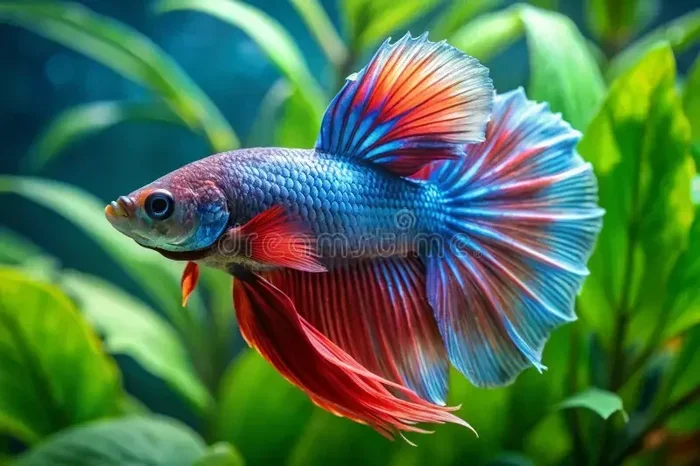
Most bettas reach their full adult size by month 7 to 12. At this point, they are considered fully grown. A healthy adult betta typically measures about 2 to 3 inches from nose to tail. Some well-cared-for males can even reach closer to 3.5 inches. This is the final stage of betta fish growth, and it is a beautiful sight to see your fish at full size.
How Big Do Betta Fish Get When Fully Grown?
The average betta fish size at full maturity is 2 to 3 inches. But size alone does not tell the whole story. A well-nourished betta with flowing fins can look much larger than a stressed fish of the same length. Several factors influence how big your betta will actually get.
Gender Differences in Size: Male bettas tend to have longer fins and a slightly more elongated body. Females are shorter and more compact. Males often reach 2.5 to 3 inches in body length, while females typically stay around 2 to 2.5 inches.
Tank Conditions: A cramped tank can stunt growth. Bettas need at least a 5-gallon tank to thrive. If you want to learn more about proper tank sizing, check out our guide on what is the best tank size for a betta fish. Proper space allows your fish to swim freely, which supports physical development and reduces stress.
Genetics: Just like humans, some bettas are simply genetically predisposed to grow larger. Lineage plays a role. Fish from reputable breeders often grow bigger and healthier than those from mass breeding facilities.
What Affects How Fast a Betta Fish Grows?
Not all bettas grow at the same speed. Several key factors determine how quickly your fish reaches full size. Understanding these factors helps you optimize your care routine.
Diet and Nutrition
Food is fuel for growth. Young bettas need a diet high in protein. Live or frozen foods like brine shrimp and bloodworms are excellent. As your fish matures, you can transition to high-quality pellets. Overfeeding is a common mistake. It leads to bloating and poor water quality, both of which slow down betta fish development. Feed small amounts 2 to 3 times a day for juveniles and once or twice a day for adults.
Water Quality and Temperature
Clean water is non-negotiable for healthy growth. Ammonia and nitrite levels should always be at zero. Nitrate should stay below 20 ppm. The ideal temperature range is 76 to 82 degrees Fahrenheit. Water that is too cold slows metabolism. Water that is too hot stresses the fish. Both scenarios stunt betta fish growth.
Tank Size and Environment
A larger tank gives your betta room to explore and exercise. This directly supports muscle and fin development. A 5-gallon tank is the minimum recommended size. If you are curious about how long bettas can live in smaller setups, our article on how long do betta fish live in a 5 gallon tank covers this topic in detail.
Stress and Tank Mates
Stress is a silent growth killer. Aggressive tank mates, bright lights, and loud noises all contribute to a stressed fish. A stressed betta eats less and spends energy on survival instead of growth. Keeping your betta in a peaceful environment is one of the simplest ways to support healthy development.
Betta Fish Growth Chart: What to Expect Month by Month
A growth chart helps you track progress and spot problems early. Here is a general month-by-month breakdown of what healthy betta fish growth looks like:
- Month 1: Fry are about 0.2 inches long. They are still absorbing their yolk sacs and starting to swim freely.
- Month 2: Juveniles reach about 0.5 inches. Color begins to appear. Fins are still short and undeveloped.
- Month 3: Your betta is now about 1 inch long. Fins are growing longer. Behavior becomes more active.
- Month 4 to 6: Rapid growth phase. Fish reach 1.5 to 2 inches. Males start showing fin elongation.
- Month 7 to 9: Growth slows down. Fish approach full size. Color deepens and fins fully develop.
- Month 10 to 12: Your betta is now fully grown. Adult size ranges from 2 to 3 inches depending on gender and care.
Keep in mind that these numbers are averages. Some fish grow faster, others slower. What matters most is that your fish is healthy and active at every stage.
Common Mistakes That Slow Betta Growth
Many well-meaning owners accidentally hold back their betta’s growth. Here are the most common mistakes to avoid.
Keeping Bettas in Too-Small Tanks: A tiny bowl might look cute, but it restricts movement and spikes toxins quickly. This directly impacts growth rate and overall health.
Feeding the Wrong Diet: Betta fish are carnivores. They need protein-rich food. Feeding only plant-based flakes or overfeeding pellets leads to nutritional deficiencies and obesity. Both stunt growth.
Ignoring Water Changes: Dirty water builds up ammonia. Even low levels of ammonia damage gills and slow development. Regular partial water changes are essential.
Skipping Quarantine: Introducing new fish or plants without quarantine can introduce diseases. Sick fish do not grow properly. Always isolate new additions before adding them to your main tank.
Overcrowding the Tank: Even though bettas are often kept alone, some owners add too many tank mates. Crowded tanks create stress and competition for food. This environment is not conducive to steady betta fish development.
How to Support Maximum Growth in Your Betta
Now that you know what affects growth, here are actionable steps you can take to help your betta reach its full potential.
- Start with a proper tank. A 5-gallon or larger tank with a filter and heater gives your betta the best foundation.
- Feed a varied diet. Rotate between high-quality pellets, frozen bloodworms, and live brine shrimp. This ensures balanced nutrition.
- Maintain clean water. Test water parameters weekly. Perform 25% water changes every week or two.
- Keep the environment stress-free. Avoid loud noises, sudden lighting changes, and aggressive tank mates.
- Monitor growth regularly. Use a simple ruler or compare photos month to month. This helps you catch any issues early.
- Be patient. Growth takes time. Some bettas are slow growers but still end up perfectly healthy and beautiful.
Following these steps consistently gives your betta the best chance of reaching full size within the expected timeline. If you ever notice your fish is not growing or seems unwell, our guide on how to help a betta fish that is sick offers practical advice to get your fish back on track.
How Long Do Betta Fish Live After Reaching Full Size?
Reaching full size is just one milestone. Many owners wonder about the bigger picture: how long will their betta live overall? A well-cared-for betta typically lives 3 to 5 years. Some even reach 7 years with exceptional care. After your betta is fully grown, the focus shifts to maintaining health and quality of life. Proper nutrition, clean water, and a stimulating environment all contribute to a longer betta fish lifespan.
If you want to learn more about the full lifespan journey, check out our article on how long does a betta fish live. It covers everything from birth to senior years in detail.
Conclusion
So, how long until a betta fish is fully grown? In most cases, 7 to 12 months. But the journey from egg to adult is filled with important milestones that every betta owner should understand. Each growth stage requires specific attention to diet, tank conditions, and overall care. By providing the right environment and nutrition from day one, you set your fish up for a healthy, happy life.
Remember that every betta is unique. Some grow fast, others take their time. What matters most is consistent, informed care. Use the tips and timelines in this guide as a roadmap. Adjust based on what your fish shows you. With patience and dedication, you will watch your betta grow into a stunning, fully mature fish that brings joy for years to come.
Frequently Asked Questions
How long does it take for a betta fish to reach full size?
Most betta fish reach their full adult size within 7 to 12 months. However, growth rates can vary based on diet, tank conditions, and genetics. Providing optimal care throughout each growth stage helps ensure your betta reaches its full potential on schedule.
How big is a fully grown betta fish?
A fully grown betta typically measures 2 to 3 inches in body length. Males tend to have longer fins and a slightly more elongated body, while females are shorter and more compact. Overall appearance can vary depending on the fish’s health and environment.
Can a betta fish’s growth be stunted?
Yes, poor water quality, inadequate tank size, and a low-quality diet can all stunt betta fish growth. Stress and illness also slow development. Maintaining clean water, proper tank size, and a protein-rich diet helps prevent stunted growth and supports healthy development.
What should I feed my betta to support healthy growth?
Young bettas need protein-rich foods like live or frozen brine shrimp and bloodworms. Adult bettas thrive on high-quality pellets supplemented with occasional treats. Avoid overfeeding, as excess food degrades water quality and can hinder growth. A varied diet supports steady and healthy growth at every age.
Do male and female bettas grow at the same rate?
Males and females grow at similar rates, but males tend to reach a slightly larger overall size due to their longer fins and more elongated body shape. Females are typically shorter and more compact. Both genders reach full maturity within the same general timeframe.
Is it normal for a betta fish to stop growing before 12 months?
Some bettas slow their growth significantly by 8 to 10 months and may appear fully grown earlier. This is normal as long as the fish remains active, eats well, and shows no signs of illness. If growth stops unexpectedly and the fish seems unwell, check water parameters and consult a veterinarian experienced with fish.