When Betta Fish Flare Their Gills
Betta fish flare their gills as a primary form of communication, often signifying aggression, stress, or a display of health. While famously linked to fighting, flaring also occurs during courtship, territorial defense, or in response to poor water conditions or illness. Understanding the context—such as what’s happening in the tank and who the betta is reacting to—is key to interpreting this behavior correctly. It’s not always a sign of a “mean” fish, and frequent, unexplained flaring can be a critical red flag for underlying issues that need addressing.
Key Takeaways
- Flaring is communication: It’s a betta’s main visual signal, used for aggression, courtship, and expressing discomfort.
- Context is everything: The same flare means different things depending on if the betta sees its reflection, a tankmate, or is alone.
- Not always aggression: While a flare towards another fish is often hostile, flaring at a reflection is frustrating, and flaring alone can indicate stress or illness.
- Health indicator: Persistent, unexplained flaring is a major sign something is wrong with water quality, tank setup, or the fish’s physical health.
- Gender matters: Male bettas flare more frequently and intensely than females, who flare primarily during spawning or serious disputes.
- Owner responsibility: Your job is to observe, identify the trigger, and modify the environment to reduce harmful stress flares.
- Flaring uses energy: Excessive flaring is physically taxing and can weaken a betta’s immune system over time.
📑 Table of Contents
The Language of Flaring: More Than Just a “Fight”
If you own or are considering a betta fish, you’ve likely seen it: that sudden, dramatic puffing out of the gill covers, making the fish look bigger, almost like a tiny, furious balloon. This is flaring. It’s the most iconic and misunderstood behavior of the Siamese fighting fish. For decades, bettas were bred and pitted against each other solely for this aggressive display. But in your peaceful home aquarium, flaring tells a much more complex story. It’s not merely a sign of a “bad” or “aggressive” temperament. Instead, flaring is the betta’s primary vocabulary—a single, powerful word they use in many different sentences. To be a responsible and insightful betta keeper, you must learn to read those sentences. This guide will decode the complete language of betta gill flaring, transforming your understanding from simple fear to nuanced communication.
What Exactly *Is* a Flare?
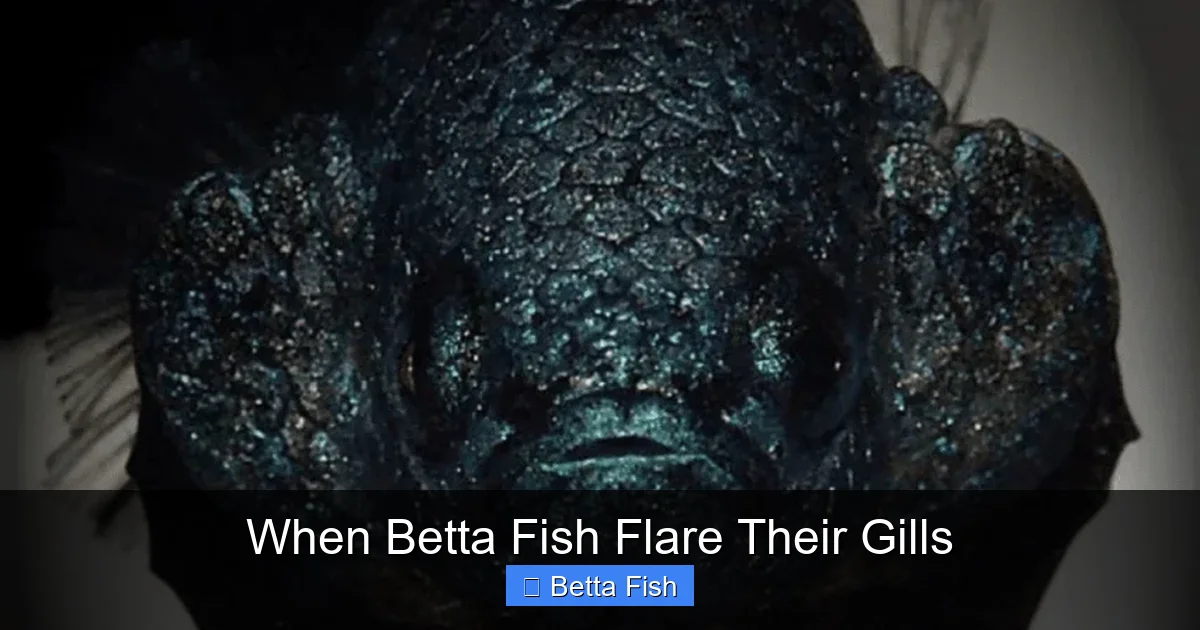
Anatomically, flaring is the controlled expansion of the operculum, the bony plate covering the gills. When a betta flares, it pushes this plate outward and often slightly forward, while simultaneously extending its fins to their maximum apparent size. The effect is to make the fish appear significantly larger and more intimidating. The gill filaments themselves may also become more visible, adding to the dramatic effect. This is an instinctive, involuntary response triggered by the sympathetic nervous system—the “fight or flight” system. It’s not a conscious decision in the way we might choose to raise our voice; it’s an emotional and physiological reaction to a perceived threat, challenge, or stimulus.
Why Do Bettas Flare? The Core Triggers
To interpret a flare, you must first identify its catalyst. Bettas flare in response to a surprisingly wide range of stimuli, not just the presence of another male betta. Categorizing these triggers is the first step in accurate diagnosis.
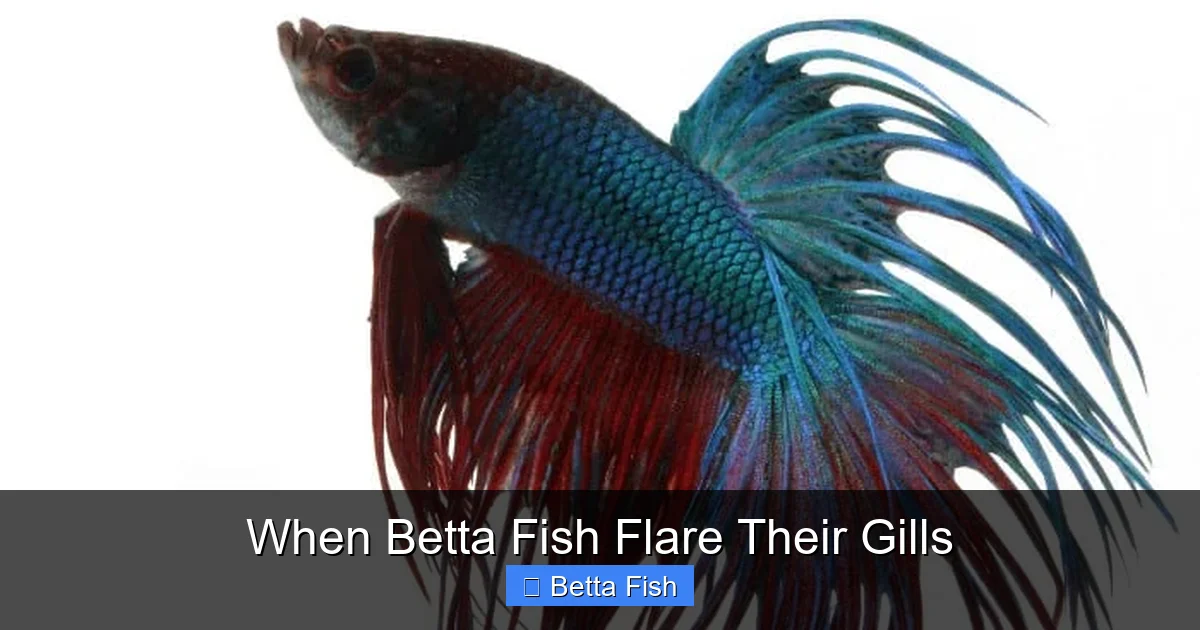
Visual guide about When Betta Fish Flare Their Gills
Image source: aquariumsphere.com
1. Aggression & Territorial Defense
This is the classic scenario. A betta will flare aggressively at an intruder it perceives as a rival. This could be another male betta in a divided tank, a fish with long, flowing fins that it mistakes for another betta (like some fancy guppies), or even its own reflection in the tank glass or a nearby mirror. The flare is a warning: “This is my space. Back off.” In a shared tank, this is a serious issue requiring immediate intervention, as it leads to relentless stress and potential injury for both fish.
2. Stress and Fear
Paradoxically, a betta will also flare when it feels scared or overwhelmed. A sudden shadow, loud noise, a hand reaching into the tank, or the presence of a larger, more boisterous tankmate can trigger a fear-based flare. Here, the message is “I feel threatened and vulnerable.” Unlike the bold, forward-facing aggressive flare, a stress flare might be accompanied by frantic swimming, hiding, or pale coloration. This is a sign the betta’s environment is not secure.
3. Courtship and Breeding
In the wild and in breeding tanks, flaring is a crucial part of courtship. A male betta will perform a “nuptial dance” for a female, flaring his gills and fins in a vibrant display to attract her and prove his genetic fitness. The female, in turn, may flare back in a submissive or receptive way. This flare is often less rigid and more “dance-like,” paired with specific body movements. In a community tank, if a male flares at a female betta (who may be housed separately but visible), it can be a sign of breeding interest, but also of potential frustration if she cannot respond properly.
4. Health and Discomfort
This is a critical and often overlooked trigger. A betta suffering from internal issues—such as swim bladder disorder, constipation, parasites, or severe fin rot—may flare its gills repeatedly. This is thought to be a response to physical discomfort or a desperate attempt to increase oxygen intake if its gill function is compromised. The flare may be weak, one-sided, or constant. If your betta flares persistently while appearing lethargic, clamped, or showing other symptoms, health is the first suspect.
5. Environmental Irritants
Poor water quality is the silent killer of bettas, and flaring is a common scream for help. High levels of ammonia, nitrite, or nitrate, incorrect pH, or water that is too hard or too soft can irritate a betta’s sensitive gills. The flare may be a reflexive attempt to clear the irritation or a general sign of systemic distress. Similarly, strong chemical smells from new decorations, certain substrates, or cleaning agents near the tank can trigger this response.
Reading the Scene: Context is King
You cannot diagnose a flare in a vacuum. The meaning is 90% context. You must become a detective, observing the entire scene.
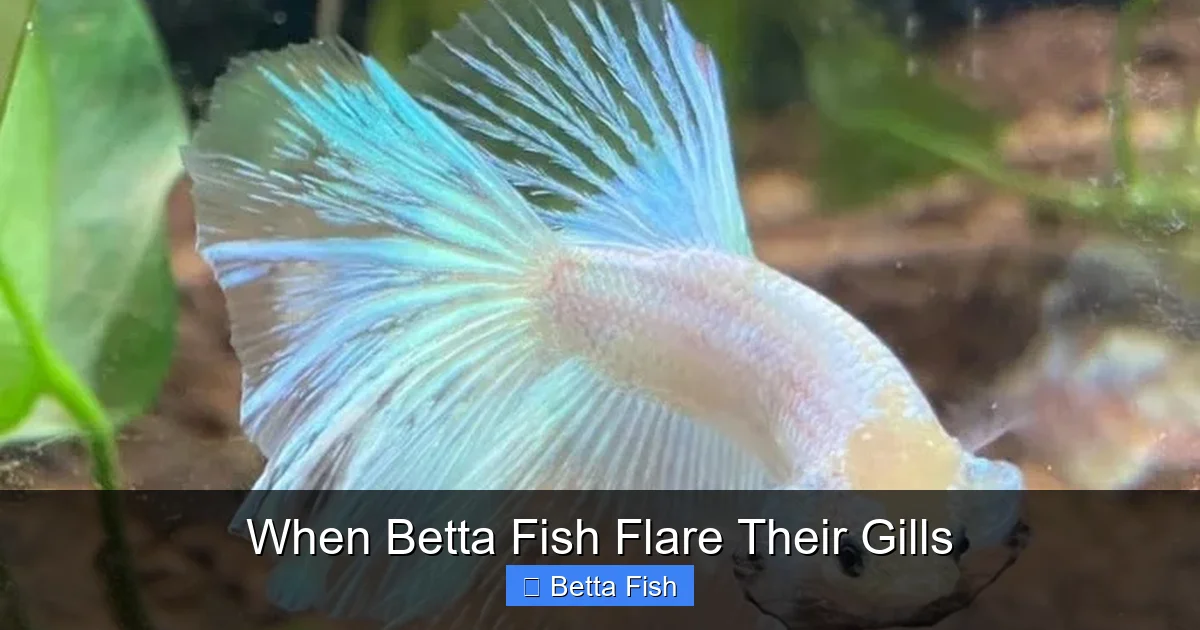
Visual guide about When Betta Fish Flare Their Gills
Image source: aquanswers.com
The “Who” and “What” of the Flare
Ask yourself these questions the moment you see a flare:
- What is the betta looking at? Is it fixated on another fish, its own reflection, a spot on the wall, or nothing in particular?
- What is happening in the tank? Is it feeding time, water change day, or has a new object been added?
- What is the betta’s body language? Are all fins fully extended and rigid (aggression)? Is the body pale and clamped (stress/fear)? Is it swimming erratically (possible health issue)?
- How long does the flare last? A quick, 1-2 second flare that stops when the stimulus leaves is often mild. A prolonged, minutes-long flare with intense focus is a major red flag.
Example 1: Your betta flares at its reflection every morning for 30 seconds, then swims away to explore. Likely Meaning: Mild territorial assertion. Frustrating for the betta, but not immediately dangerous. Solution: Move the tank, add a background, or use a temporary divider during active periods.
Example 2: Your betta is in a community tank and constantly flares at a guppy with a long tail, chasing it to the point the guppy hides. Likely Meaning: Aggressive territorialism. The betta is stressed from the chase, the guppy is terrified. Action Required: Rehome one fish immediately. This is not a compatible tank.
Example 3: Your normally active betta is sitting at the bottom, flaring its gills weakly every few minutes, and not eating. Likely Meaning: Severe health issue or extreme water quality problem. Action Required: Test water parameters immediately and begin health assessment.
Gender Differences in Flaring Behavior
While both male and female bettas flare, there are distinct differences in frequency, intensity, and purpose due to sexual dimorphism and selective breeding.
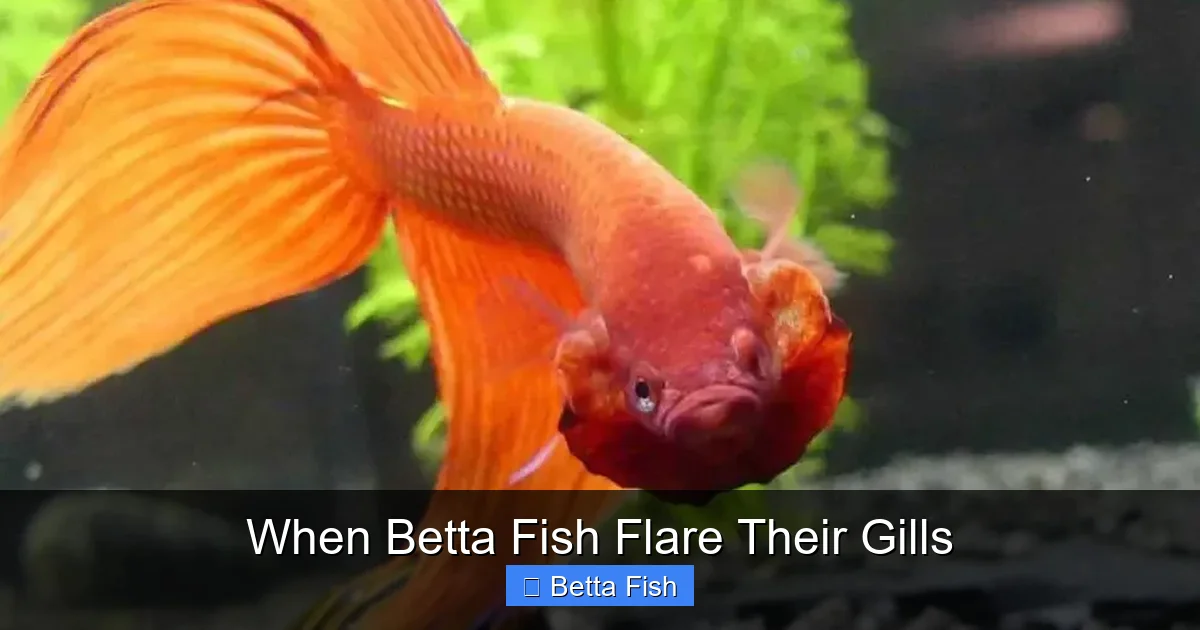
Visual guide about When Betta Fish Flare Their Gills
Image source: bettafishworld.com
The Male’s Dramatic DisplayFrequently Asked Questions
What is when betta fish flare their gills?
when betta fish flare their gills is an important topic with many practical applications.