Can an African Dwarf Frog Be with Betta Fish
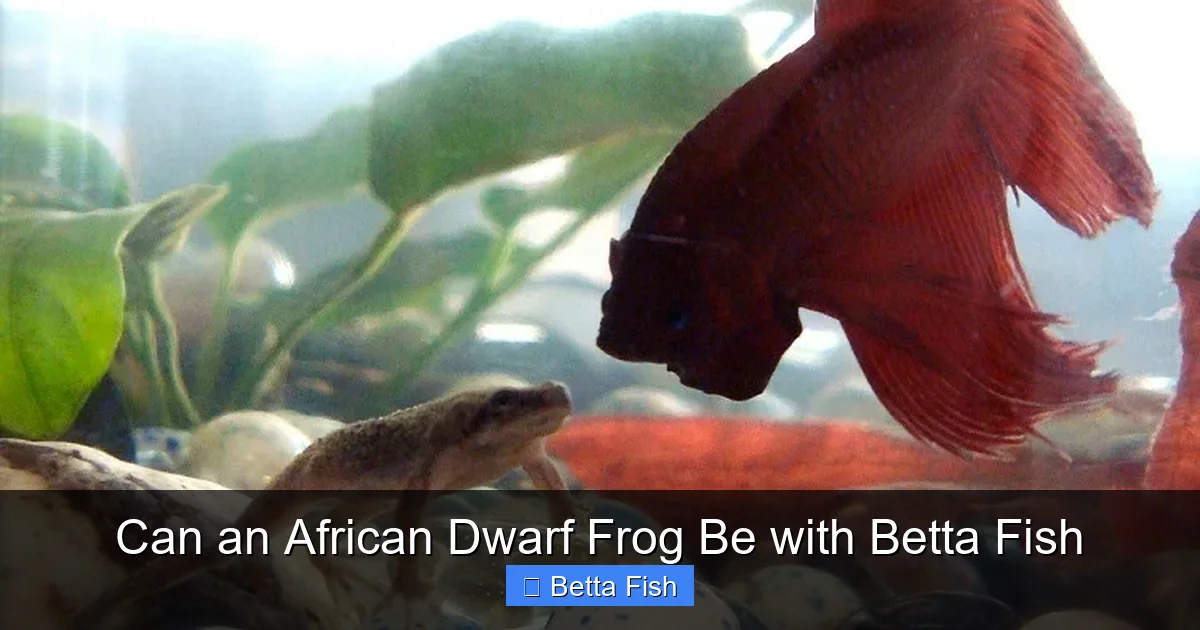
Wondering if you can keep an African dwarf frog with a betta fish? While both are popular low‑maintenance pets, they have very different needs and temperaments. This guide breaks down the key factors—water parameters, tank size, feeding, and behavior—so you can decide whether a shared tank is a good idea for your home aquarium.
Key Takeaways
- Understanding can an african dwarf frog be with betta fish: Provides essential knowledge
📑 Table of Contents
- Introduction: A Curious Pair
- 1. Understanding the Basics of Each Species
- 2. Water Parameter Compatibility
- 3. Tank Size, Layout, and Hiding Spots
- 4. Behavioral Interactions: Will They Get Along?
- 5. Feeding Both Species Without Competition
- 6. Health Monitoring and Common Issues
- Conclusion: Making an Informed Decision
Introduction: A Curious Pair
If you’ve ever watched a bright‑red betta flaring its fins and then spotted a tiny, curious African dwarf frog hopping around the water’s surface, you might wonder: can an African dwarf frog be with betta fish in the same tank? The idea is tempting—both are small, colorful, and relatively easy to care for. Yet, mixing any two species requires a solid understanding of their natural habits, water needs, and personalities.
In this article we’ll walk through everything you need to know before you decide to share a home for these two creatures. From the science of water chemistry to practical tank‑setup tips, you’ll get a clear picture of the risks and rewards. By the end, you’ll be able to answer the question confidently and set up a thriving, stress‑free aquarium.
1. Understanding the Basics of Each Species
African Dwarf Frog (Hymenochirus spp.)
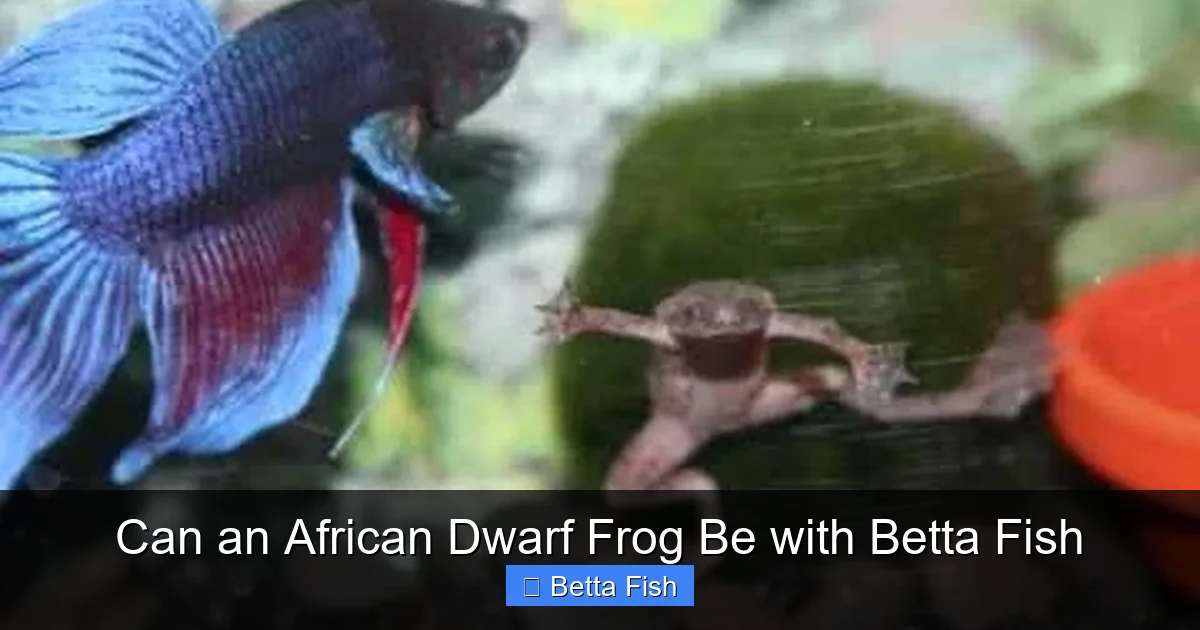
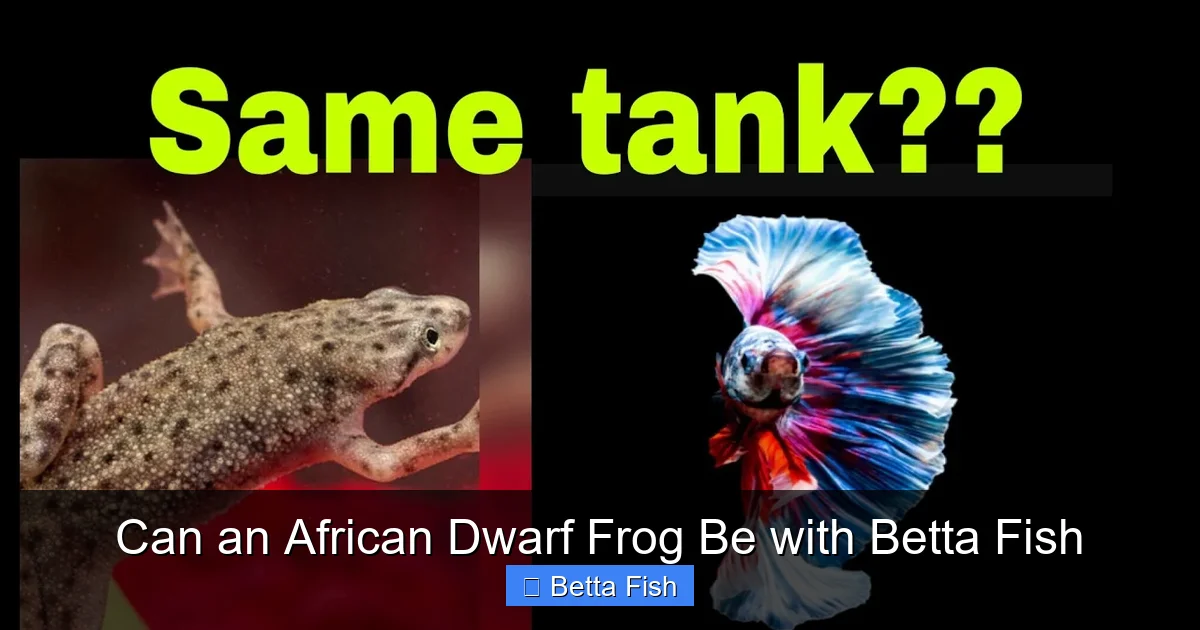
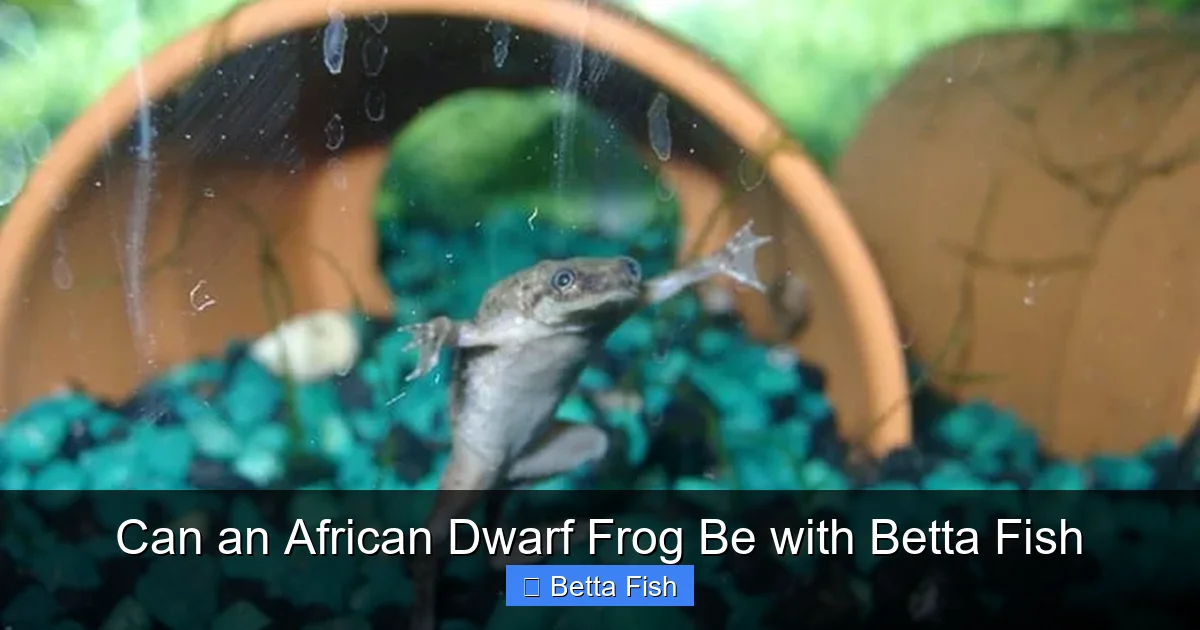
African dwarf frogs are fully aquatic amphibians native to West Africa. They grow to about 1–1.5 inches, have smooth skin, and spend their entire lives submerged, only coming to the surface to breathe. Their diet consists of small live foods such as brine shrimp, daphnia, and finely chopped bloodworms.
Visual guide about Can an African Dwarf Frog Be with Betta Fish
Image source: i.pinimg.com
Betta Fish (Betta splendens)
Betta fish, also called Siamese fighting fish, are popular for their vivid colors and flowing fins. Males are especially territorial and will flare at any perceived intruder. Bettas are surface‑feeders and prefer a diet of high‑quality pellets, frozen or live foods.
Key Differences
- Respiration: Frogs need a surface for air, while bettas breathe through a labyrinth organ and can gulp air from the surface as well.
- Activity level: Frogs are shy and move slowly; bettas are more active and may dart around.
- Temperament: Bettas can be aggressive toward similarly sized fish; frogs are generally non‑aggressive.
2. Water Parameter Compatibility
Temperature
Both species love warm water. African dwarf frogs thrive at 75‑78°F (24‑26°C), while bettas prefer 78‑80°F (25‑27°C). Keeping the tank at 78°F strikes a balance that satisfies both.
Visual guide about Can an African Dwarf Frog Be with Betta Fish
Image source: i.ytimg.com
pH and Hardness
Soft, slightly acidic water (pH 6.5‑7.0, GH 3‑6 dGH) is ideal for bettas and perfectly fine for dwarf frogs. Avoid sudden shifts; use a reliable test kit and make changes gradually.
Filtration and Flow
A gentle sponge filter or a low‑flow hang‑on filter works best. Strong currents can stress dwarf frogs, who like to float calmly, and can also tire out a betta.
Internal Link Example
For more on how water conditions affect bettas, see our guide on Which Fish Can Be Kept With Betta.
3. Tank Size, Layout, and Hiding Spots
Minimum Tank Volume
Although a 5‑gallon tank might hold a single betta, a mixed setup requires at least 10 gallons. This extra space reduces territorial disputes and gives the frog room to explore.
Visual guide about Can an African Dwarf Frog Be with Betta Fish
Image source: nippyfish.net
Decor and Plants
- Live plants like Java fern, Anubias, or hornwort provide natural cover and help maintain water quality.
- Floating plants such as duckweed give the frog easy access to the surface for breathing.
- Use smooth rocks, driftwood, and PVC pipes as hideouts. Ensure all decorations are free of sharp edges that could harm the frog’s delicate skin.
Lighting
Both species appreciate a moderate photoperiod (8‑10 hours). Avoid intense LED lights that can stress bettas; a gentle, plant‑friendly spectrum works well.
4. Behavioral Interactions: Will They Get Along?
Potential Risks
Betta fish are known for flaring at anything that resembles a rival. A moving frog can trigger this response, leading to fin nipping or stress for the frog. Conversely, a curious betta might try to bite the frog’s tail, especially if the frog is small.
Signs of Compatibility
- Both animals ignore each other and go about their routines.
- Betta shows no flaring, chasing, or aggressive displays.
- Frog remains active, not hiding constantly.
Testing Compatibility
Start with a divided tank using a clear acrylic barrier. Observe for 48‑72 hours. If the betta remains calm and the frog shows normal behavior, you can consider a gradual introduction.
5. Feeding Both Species Without Competition
Separate Feeding Zones
Place a small feeding cup on one side of the tank for the betta and drop live or frozen foods near the frog’s preferred area. This prevents the betta from stealing the frog’s food and vice versa.
Dietary Needs
- Betta: High‑protein pellets, occasional frozen bloodworms, brine shrimp.
- Dwarf Frog: Small live foods (daphnia, microworms) and finely chopped frozen foods.
Feeding Frequency
Feed the betta twice daily (morning and evening) and the frog 2‑3 times a week with live foods. Overfeeding can quickly foul water, which is harmful to both.
6. Health Monitoring and Common Issues
Signs of Stress
For the betta: faded colors, clamped fins, loss of appetite. For the frog: excessive hiding, loss of appetite, skin discoloration.
Diseases to Watch
- Fin rot: Often caused by poor water quality; treat with antibacterial meds.
- Frog skin infection: Look for redness or slime; use a mild antifungal dip.
Quarantine Practices
Always quarantine new arrivals for at least two weeks. This protects both the betta and the frog from hidden parasites.
Related Reading
Curious about other compatible tank mates? Check out Can Aquatic Frogs Live With Betta Fish for a broader view of amphibian‑betta cohabitation.
Conclusion: Making an Informed Decision
So, can an African dwarf frog be with betta fish in the same aquarium? The answer is: it’s possible, but only under very specific conditions. You need a sufficiently large, well‑filtered tank with stable warm water, plenty of hiding places, and vigilant monitoring of behavior. Even then, some bettas simply won’t tolerate a frog, and the risk of stress or injury can outweigh the aesthetic appeal.
If you’re a beginner, you might start with a single-species tank and gain experience before attempting a mixed setup. For seasoned hobbyists who can maintain pristine water quality and observe their pets closely, a carefully planned community can be a rewarding showcase of two very different, yet beautiful, creatures sharing a home.
Frequently Asked Questions
Can a betta fish and African dwarf frog share the same tank?
Yes, but only if the tank is at least 10 gallons, the water parameters match both species, and the betta shows no aggressive behavior toward the frog.
What temperature is best for both a betta and a dwarf frog?
Maintain the water at around 78°F (25‑27°C). This temperature is comfortable for both the betta and the African dwarf frog.
Do bettas eat African dwarf frogs?
Betta fish are unlikely to eat a fully grown dwarf frog, but a very small or stressed frog could be nipped. Always supervise initial interactions.
How often should I feed a dwarf frog in a mixed tank?
Feed the frog 2‑3 times a week with small live foods like daphnia or microworms, ensuring the betta does not consume all the food.
What are good tank decorations for a betta‑frog community?
Use live plants, smooth rocks, driftwood, and floating foliage to provide hiding spots and surface access for the frog.
Is it safer to keep a betta with shrimp or snails instead of a frog?
Often yes. Shrimp and snails are less likely to trigger a betta’s aggression, making them safer tank mates for beginners.