How Do You Feed Your Betta Fish
Feeding your betta fish the right way is simpler than you think, but getting it wrong can harm your fish. This guide covers everything from the best foods and feeding frequency to portion sizes and common mistakes. You will learn how to keep your betta healthy, happy, and well-fed every single day.
Feeding your betta fish might seem straightforward, but there is a lot more to it than just tossing food into the tank. A proper betta fish diet is the foundation of a long, healthy life for your colorful companion. Whether you are a complete beginner or have had bettas for years, this guide will walk you through everything you need to know about how do you feed your betta fish the right way.
Betta fish are not like other tropical fish. They are carnivores by nature and need a protein-rich diet to stay vibrant and active. Getting the betta fish feeding schedule and food choices right makes all the difference. In this article, we will cover the best foods, how much to feed, how often, and the mistakes you should avoid at all costs.
Key Takeaways
- Feed your betta fish 1-2 times a day with small portions that they can eat within 2 minutes.
- A balanced diet includes pellets, flakes, frozen food, and occasional treats like brine shrimp or peas.
- Overfeeding is the #1 mistake new betta owners make and can lead to serious health problems.
- Watch for signs of hunger and fullness to adjust portions and keep your fish thriving.
- Skip one feeding day per week to support healthy digestion and prevent bloating.
- Use a consistent feeding schedule so your betta knows when to expect food.
- Never feed your betta goldfish food or bread as these lack proper nutrition and can be harmful.
📑 Table of Contents
Understanding Your Betta Fish Diet
Before you drop any food into that tank, it helps to understand what your betta fish actually needs. Bettas evolved as hunters in the warm rice paddies and slow streams of Southeast Asia. They naturally eat insects, larvae, and small crustaceans. This means their betta fish nutrition needs are quite specific.
A wild betta would eat small meals throughout the day. They are not grazers like some other fish. Instead, they prefer concentrated protein-rich meals. When you how do you feed your betta fish in a home aquarium, you should try to mimic this natural eating pattern as closely as possible.
The best betta fish food types include high-quality pellets, flakes, frozen foods, and live foods. Each option has its own benefits. Let us break them down so you can make the best choices for your fish.
Betta Fish Pellets
Pellets are the staple of most betta diets. They sink slowly, which is perfect because bettas like to eat from the middle or top of the water column. Look for pellets specifically made for bettas. These are formulated with the right protein content, usually around 30-40 percent. Betta fish pellets are convenient, easy to portion, and less likely to cloud your water than flakes.
Betta Fish Flakes
Flakes are another popular option, but they come with some downsides. They tend to fall apart quickly and can create mess in the tank. If you use flakes, soak them in a little tank water before adding them. This prevents your betta from swallowing air, which can cause digestive issues. You can learn more about how often do you feed betta fish flakes in our dedicated guide.
Frozen and Live Foods
Frozen foods like bloodworms, daphnia, and brine shrimp are excellent treats and nutritional boosters. They mimic what bettas eat in the wild and are packed with protein. Live foods are even better but can carry parasites or bacteria if not sourced properly. Frozen foods are the safest middle ground. You can find them at most pet stores and online.
How Often Should You Feed Your Betta Fish
This is one of the most common questions new betta owners ask. The answer is simpler than you might think. A healthy adult betta fish does best with one to two small feedings per day. Some experienced keepers even recommend feeding once a day and skipping a day each week to give the digestive system a rest.
When you how do you feed your betta fish, consistency matters more than quantity. Bettas thrive on routine. Try to feed them at the same times every day. Morning and evening feedings work well for most people. This helps your fish develop a predictable betta fish feeding schedule and reduces stress.
If you are wondering about the exact frequency, here is a quick breakdown:
- Once a day: Give a small portion of pellets or flakes. This is ideal for most bettas.
- Twice a day: Split the daily portion into two smaller meals. This works well for active, growing bettas.
- Every other day: Some older or less active bettas do fine with less frequent feedings.
For more details on frequency, check out our guide on how often do you feed a betta fish.
How Much Should You Feed Your Betta Fish
Portion control is critical when you how do you feed your betta fish. Overfeeding is the fastest way to ruin your water quality and make your fish sick. A good rule of thumb is to offer only what your betta can eat in about two minutes.
For pellets, this usually means two to four pellets per feeding. For flakes, a small pinch will do. If there is leftover food floating around after a few minutes, you have given too much. Remove the excess promptly to keep the tank clean.
Here is a simple comparison of portion sizes for different food types:
| Food Type | Portion Size | Feeding Frequency |
|---|---|---|
| Pellets | 2-4 pellets | Once or twice daily |
| Flakes | Small pinch | Once or twice daily |
| Frozen Bloodworms | 2-3 cubes | 2-3 times per week |
| Brine Shrimp | 1-2 small pieces | As a treat, 2 times per week |
| Daphnia | 2-3 cubes | 1-2 times per week |
Keep in mind that these are guidelines, not strict rules. Every betta is different. Some have bigger appetites, while others are pickier. Watch your fish and adjust accordingly. If your betta always finishes food quickly, you can try adding a tiny bit more next time.
Best Practices for Feeding Your Betta Fish
Now that you know what and how much to feed, let us talk about the how of feeding. The way you present food to your betta matters more than you might think.
Use the Right Feeding Technique
Betta fish are surface feeders. They like to come up and grab food from the top of the water. When you how do you feed your betta fish, drop the food gently near the surface. Do not dump it from high up, as this can startle your fish. Let the food settle for a moment before your betta approaches.
Soak Dry Food Before Feeding
If you feed pellets or flakes, consider soaking them in tank water for a few seconds before adding them to the aquarium. Dry food expands in the stomach, which can cause bloating and constipation in bettas. A quick soak prevents this problem and makes the food easier to digest.
Variety Is Key
Just like humans, bettas get bored eating the same thing every day. Rotate between pellets, flakes, and frozen treats to provide a well-rounded betta fish diet. A varied diet supports better color, energy levels, and overall health. Try to include a mix of protein sources throughout the week.
Feed in a Calm Environment
Betta fish can get stressed easily, especially during feeding time. Keep the tank in a quiet area of your home. Avoid tapping on the glass or making sudden movements near the tank. A calm environment helps your betta eat comfortably and digest food properly.
Clean Up Leftover Food
Uneaten food decomposes quickly and releases ammonia into the water. This is toxic to bettas and can spike your water parameters. Always remove any food your betta does not eat within a few minutes. A small net or turkey baster works great for this task. Clean water is just as important as good food for your betta’s health.
Common Feeding Mistakes to Avoid
Even well-meaning betta owners make feeding mistakes. Here are the most common ones and how to avoid them.
Overfeeding
This is the number one mistake. Bettas have small stomachs, roughly the size of their eye. It does not take much food to fill them up. Overfeeding leads to bloating, constipation, and poor water quality. If your betta seems hungry all the time, it might be a behavioral habit rather than actual hunger. Stick to the recommended portion sizes and trust the process.
Feeding the Wrong Foods
Not all fish food is created equal. Goldfish food, tropical flakes, and bread are all bad ideas for bettas. Goldfish food lacks the protein bettas need, and bread can expand in their stomach and cause serious problems. Always choose foods specifically designed for bettas or carnivorous fish.
Ignoring Fasting Days
Many experienced fish keepers recommend fasting your betta for one day per week. This gives the digestive system a chance to process any remaining food and prevents buildup in the gut. Skipping a day will not hurt your fish. In fact, it can actually improve their long-term health. Learn more about fasting and how often do you need to feed a betta fish in our detailed article.
Feeding Only One Type of Food
Relying solely on pellets or flakes can lead to nutritional gaps over time. Your betta needs variety to get all the vitamins, minerals, and proteins they require. Mix up their diet with frozen treats and occasional live foods. Think of it as a balanced meal plan for your fish.
Special Feeding Situations
Sometimes feeding your betta gets a little tricky. Here are some common scenarios and how to handle them.
Feeding a Sick Betta Fish
If your betta is not feeling well, they may lose their appetite. Try offering smaller, softer foods like soaked pellets or frozen daphnia. A sick betta might need encouragement to eat. If they refuse food for more than a day or two, check for signs of illness and consider adjusting the tank temperature slightly to support their metabolism.
Feeding While on Vacation
Going on vacation does not mean your betta goes hungry. You can use an automatic feeder or ask a friend to feed them. For trips under a week, your betta can safely skip feedings. For longer trips, set up a slow-release food block or arrange for a pet sitter. Our guide on how to feed your betta fish while on vacation has more detailed tips.
Feeding Baby Betta Fish (Fry)
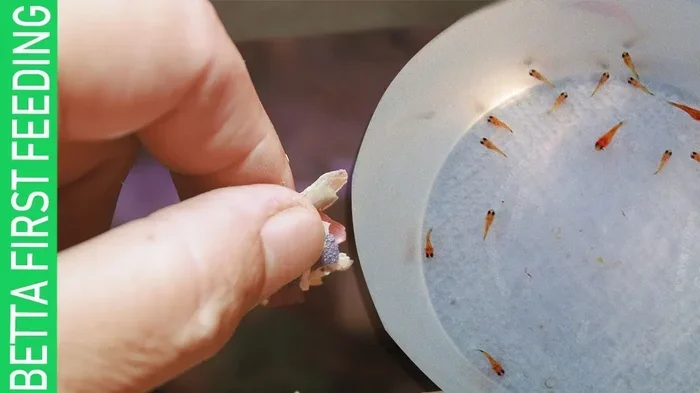
Baby bettas need more frequent, smaller feedings than adults. Offer finely crushed flakes or specialized fry food several times a day. As they grow, you can gradually transition them to pellets and larger food items. The key is to provide small, manageable portions that match their tiny mouths.
Signs You Are Feeding Your Betta Fish Correctly
How do you know if your feeding routine is working? Watch for these positive signs:
- Bright, vibrant colors: A well-fed betta displays rich reds, blues, and greens.
- Active swimming: Your betta should be curious and energetic, especially around feeding time.
- Healthy appetite: Your betta should eat eagerly but not aggressively.
- Regular waste: Solid, dark waste is a sign of healthy digestion.
- No bloating: Your betta’s belly should be a normal, slightly rounded shape, not bloated or distended.
If you notice any of these signs, you are on the right track. If something seems off, adjust your feeding routine and monitor your fish closely. Sometimes a simple change in portion size or food type makes all the difference.
Final Thoughts
How do you feed your betta fish properly? The answer comes down to balance, consistency, and attention. Offer the right foods in the correct portions, stick to a regular schedule, and avoid the common traps of overfeeding and poor nutrition. Your betta fish depends on you for everything, and feeding is one of the most important ways you can show them care.
Take what you have learned here and put it into practice today. Your betta will thank you with vibrant colors, playful behavior, and a long, healthy life. Remember, a well-fed betta is a happy betta. Keep experimenting, keep learning, and enjoy the journey of being a great betta fish owner.
Frequently Asked Questions
How many times a day should I feed my betta fish?
Most betta fish do well with one to two small feedings per day. Offer only what they can eat in about two minutes. If you are unsure about the exact amount, start with two pellets per feeding and adjust based on how quickly your fish eats.
Can I feed my betta fish every other day?
Yes, some bettas do fine with every-other-day feedings, especially older or less active fish. However, younger and more active bettas usually benefit from daily feedings. Watch your fish for signs of hunger or lethargy and adjust the schedule as needed.
What is the best food for betta fish?
High-quality betta pellets are the best staple food. You should supplement them with frozen or live foods like brine shrimp, bloodworms, and daphnia for variety and extra nutrition. Avoid generic tropical flakes and never feed bread or goldfish food.
Can overfeeding kill a betta fish?
Yes, overfeeding can be fatal. It causes bloating, constipation, and poor water quality from excess food decaying in the tank. Bettas have very small stomachs, so less is more. If you notice your betta leaving food uneaten, reduce the portion size immediately.
Should I skip feeding my betta fish once a week?
Many experienced keepers recommend a weekly fasting day. This helps your betta’s digestive system process any remaining food and prevents constipation. Skipping one day per week is safe and can actually improve your betta’s overall health and longevity.
Can I feed my betta fish human food?
Some human foods like blanched peas are safe in small amounts, but most human food is not suitable for bettas. Bettas need protein-rich diets, and human food often lacks the right nutrients or contains harmful additives. Stick to betta-specific foods whenever possible. Learn more about this in our article on whether you can feed your betta fish human food.