Where to Sell Betta Fish
Selling betta fish can be a rewarding venture, but choosing the right venue is crucial for success and fish welfare. You can sell through local fish stores, aquarium clubs, or online marketplaces like eBay and specialized forums. Always prioritize legal compliance, proper fish preparation, and safe shipping practices to ensure a positive experience for both you and your buyers.
Key Takeaways
- Local sales build trust: Selling through local fish stores (LFS) or clubs allows for face-to-face transactions and immediate buyer education, but your reach is geographically limited.
- Online platforms offer wide reach: General sites (eBay, Facebook Marketplace) and niche forums (AquaBid, Betta Fish Forums) connect you with a national or global audience, requiring careful shipping logistics.
- Legality is non-negotiable: Research state and federal laws regarding live animal sales, including potential permits, health certificates, and shipping regulations to avoid penalties.
- Preparation determines presentation: Proper fasting, health observation, and photography of your betta in a clean, well-lit setup significantly impacts buyer confidence and final price.
- Price strategically: Factor in coloration, fin type (e.g., Halfmoon, Plakat), age, and breeding history. Research comparable sales to set a competitive yet fair price.
- Packaging and shipping are an art: Use proven methods like double-bagging with oxygen, insulation, and heat/cold packs. Ship early in the week to avoid weekend delays.
- Post-sale communication is key: Provide clear care instructions, be available for questions, and consider a short health guarantee to build a positive reputation for future sales.
📑 Table of Contents
- Introduction: Your Betta’s Next Chapter
- Option 1: Selling Locally – The Trust-Building Approach
- Option 2: Selling Online – Reaching a National Audience
- The Legal and Ethical Framework: Don’t Ship Before You Know
- Maximizing Your Success: Presentation, Pricing, and Preparation
- The Shipping Process: A Step-by-Step Guide to Safe Transit
- Conclusion: Building a Sustainable Selling Practice
Introduction: Your Betta’s Next Chapter
So, you’ve mastered the art of keeping a betta fish vibrant and healthy. Perhaps you’ve even dabbled in breeding, marveling at the array of colors and fin types that emerge from a single spawn. Now, you’re faced with a delightful yet daunting question: where to sell betta fish? This isn’t just about finding a buyer; it’s about ensuring your prized fish go to a knowledgeable, caring home while you navigate the process ethically and profitably.
The world of betta sales is vast, ranging from the local fish store (LFS) down the street to global online auctions. Each avenue has its own rhythm, rules, and rewards. Choosing the wrong platform can lead to stressed fish, frustrated buyers, and even legal trouble. But choose wisely, and you can fund your hobby, connect with fellow enthusiasts, and place your beautiful bettas in forever homes. This guide will walk you through every viable option, from the simplest local pickup to complex cross-country shipping, arming you with the knowledge to make the best decision for you and your fish.
Option 1: Selling Locally – The Trust-Building Approach
Selling within your community is often the most straightforward and lowest-stress method for both seller and fish. There’s no shipping involved, you meet the buyer face-to-face, and you can often provide immediate, hands-on advice. This method fosters trust and allows you to vet potential owners directly.

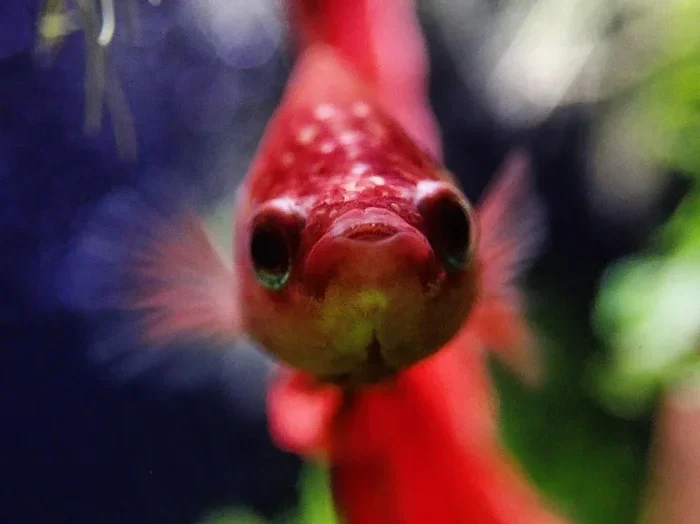
Visual guide about Where to Sell Betta Fish
Image source: fishtrivia.com
Local Fish Stores (LFS): The Consignment Classic
This is a traditional and reliable route. Many independent aquarium stores will take bettas on consignment. You provide the fish and its care setup (often a small display tank), and the store sells them on your behalf, taking a commission (typically 30-50%).
- How it works: You deliver healthy, display-ready bettas to the store. They handle all customer interactions, pricing (often based on their markup), and unsold inventory. You get paid for sold fish periodically.
- Pros: Zero marketing effort on your part. You leverage the store’s existing customer traffic and reputation. The store’s expertise can help price the fish appropriately.
- Cons: Lower profit margin due to the split. You have less control over the final buyer. Unsold fish may be returned to you or, in some agreements, become store property.
- Tip: Build a strong relationship with the store owner. Provide meticulous care notes and be willing to take back any fish they feel aren’t selling well. A store that knows you’re a serious, ethical breeder will be more enthusiastic about featuring your bettas.
Aquarium Clubs and Swap Meets
Local aquarium societies are hubs for passionate hobbyists. They host regular meetings and larger swap meets or auction events. These are fantastic places to sell directly to informed buyers who appreciate quality.
- How it works: You typically pay a small table fee to set up and sell your fish (and other supplies) at a club event. You interact directly with every visitor.
- Pros: You set your own price and keep 100% of the profit. You meet people who already understand betta care, reducing the risk of poor post-sale treatment. Great for networking.
- Cons: Requires your time and presence at events. Sales are not guaranteed and depend on event turnout. You must transport fish safely to and from the venue.
- Example: At a club auction, you might auction a high-end Halfmoon. The competitive, knowledgeable crowd can drive the price up significantly compared to a private sale.
Online Classifieds with Local Pickup (Craigslist, Facebook Marketplace)
These platforms are powerful for local sales. You list your betta with photos and a description, and interested buyers message you to arrange a pickup.
- How it works: Create a listing with clear, appealing photos. Specify “LOCAL PICKUP ONLY” in bold. Meet in a safe, public place or, better yet, at your home where you can show the fish in its setup.
- Pros: Massive local visibility. You control the price and the conversation. You can educate the buyer thoroughly before handing over the fish. No shipping costs or risks.
- Cons: You must screen buyers (ask about their experience, tank setup). Dealing with “window shoppers” or no-shows can be frustrating. Safety is a concern; always meet in public if not at your home.
- Critical Tip: Your listing must include a strong statement about responsible ownership. “Serious inquiries only. Must have a cycled, heated tank of at least 5 gallons. I will ask to see your setup.” This filters out casual buyers and ensures the fish has a proper home.
Option 2: Selling Online – Reaching a National Audience
When your local market is saturated or you have a rare variety, the internet opens up a world of potential buyers. However, this convenience comes with the significant challenge of shipping live animals safely and legally across state lines.
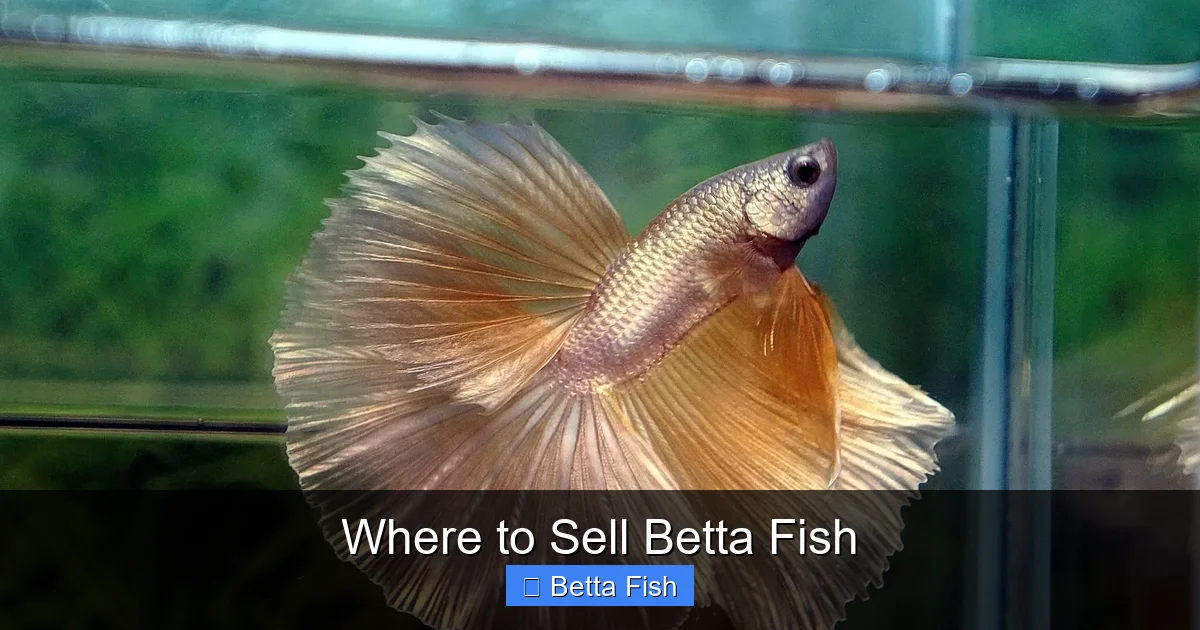
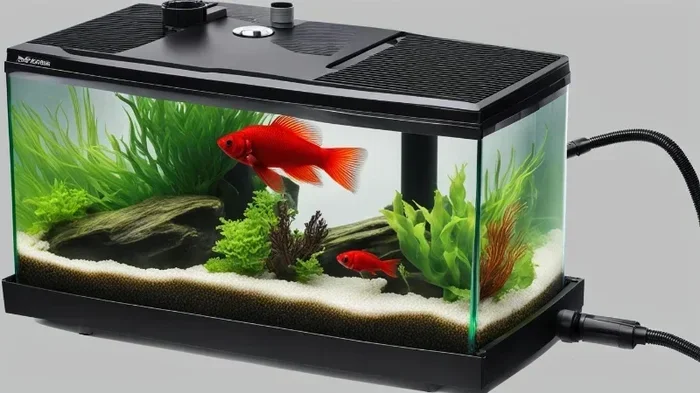
Visual guide about Where to Sell Betta Fish
Image source: nicebettathailand.com
General Online Marketplaces (eBay, Etsy, Facebook Groups)
Sites like eBay are common for all types of goods, including live animals. Etsy has a specific “Live Plants & Animals” category. Dedicated Facebook groups for betta breeders and sellers are also bustling marketplaces.
- How it works: You create a product listing with multiple high-quality photos and a detailed description. Buyers purchase through the platform’s system. You are then responsible for shipping.
- Pros: Unparalleled reach. You can find niche buyers willing to pay premium prices for specific colors or genetics. eBay’s buyer protection can offer some security for both parties.
- Cons: High competition. Platform fees (final value fees on eBay, listing fees). You must become an expert shipper. Shipping costs can be high ($35-$60+), which may deter some buyers. Platform policies on live animals change frequently—ALWAYS read the current terms of service.
- Essential Practice: List the fish as “Buyer Responsible for Checking State Laws.” Include a clear disclaimer that you ship according to USPS or UPS live animal regulations and the buyer must verify their state allows receipt. This protects you legally.
Specialized Betta Forums and Auction Sites (AquaBid, BettaFishForums.com)
These are the premier destinations for serious hobbyists. The audience is knowledgeable, passionate, and understands the value of quality bettas.
- How it works: You usually need to be an active, respected member of the forum for a period before being granted selling privileges. Listings are text-based with attached photos, often in a dedicated “For Sale” section. Some sites have formal auction systems.
- Pros: Targeted, high-quality audience. Community moderation helps reduce scams. Buyers understand breeding terminology, reducing miscommunication. You can build a long-term reputation as a seller.
- Cons: Smaller overall audience than eBay. Requires community participation and adherence to strict forum rules. The learning curve for listing formats can be higher.
- Why it’s worth it: A beautifully photographed, well-documented betta from a respected breeder on a forum like IBC (International Betta Congress) can command prices 2-3 times higher than on a general marketplace because the buyer understands and values the specific genetics.
The Legal and Ethical Framework: Don’t Ship Before You Know
This section is not optional. Ignoring legal requirements can result in fines, confiscation of your fish, and a permanently damaged reputation. Ethics go hand-in-hand with legality; your goal is a safe, humane transaction.
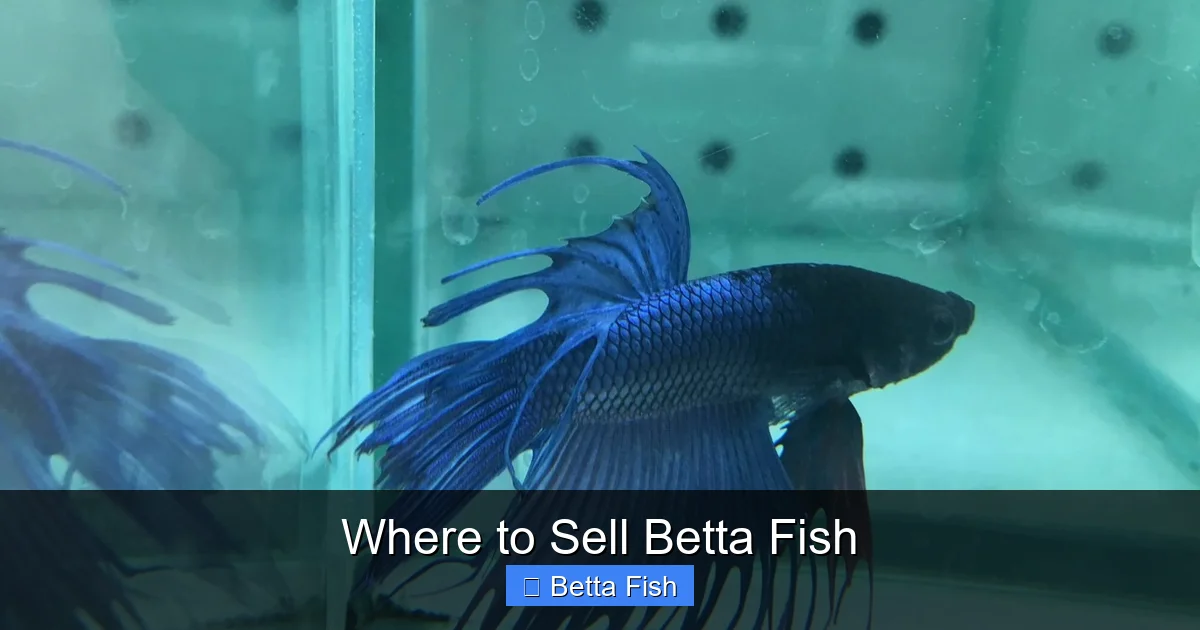
Visual guide about Where to Sell Betta Fish
Image source: waterlifeaquarium.com.au
Understanding State and Federal Regulations
The primary law governing the shipment of live animals is the Lacey Act. It prohibits the transportation of any wildlife (which includes all fish) in violation of state, federal, or foreign law. This means:
- State Bans: Some states (e.g., Hawaii, Alaska) have strict quarantines or outright bans on importing live fish to protect their ecosystems. You must check the receiving state’s Department of Agriculture or Fish & Game website for restrictions.
- Health Certificates: While not always required for personal shipments, some states may require a health certificate from a licensed veterinarian for commercial shipments. For the average hobbyist seller, this is rare but must be checked.
- USPS vs. UPS/FedEx: The United States Postal Service (USPS) has the most straightforward and affordable regulations for shipping live fish as “Live Animals” (not “Perishable”). They require proper packaging and “Live Animal” labeling. UPS and FedEx have more restrictive policies; you must use their “Next Day Air” services and declare them as “Live Animals,” often with stricter packaging requirements. Always get the latest guidelines directly from the carrier’s website.
The Ethical Seller’s Checklist
Beyond the law, ethical practice ensures the fish’s welfare:
- Ship only healthy fish: Never ship a fish showing signs of illness (clamped fins, spots, lethargy), even if it’s a minor issue. Wait until it’s fully recovered.
- Fast before shipping: Withhold food for 24-48 hours prior to packing to reduce waste and ammonia in the bag.
- Be transparent: Disclose any known health history, previous treatments, or minor imperfections (like a healed tear). Honesty prevents disputes and builds trust.
- Guarantee, but set boundaries: A 24-48 hour “arrival alive” guarantee is standard and reasonable. A longer health guarantee (e.g., 7 days) is more complex due to variables after receipt. Be clear about your policy in the listing.
- Avoid “dumping”: Do not sell to someone who clearly lacks basic knowledge (e.g., “I’ll keep it in a vase”). It’s okay to refuse a sale if you believe the home will be unsuitable. You can politely suggest they research proper betta care first.
Maximizing Your Success: Presentation, Pricing, and Preparation
You’ve chosen your platform. Now, how do you make your listing stand out and get the best possible price? It’s all in the details.
The Art of the Photograph
In online sales, photos are your only chance to showcase the fish’s true beauty. Bad photos will kill a listing.
- Setup: Use a clean, clear glass container (a small vase or jar works). Fill with conditioned water. Use a plain, dark background (black poster board is ideal) to make colors pop.
- Lighting: Use natural daylight near a window, or two soft light sources at 45-degree angles to eliminate glare on the glass. Avoid using your camera’s flash; it creates reflections and startles the fish.
- Capture the moments: Take multiple shots: a full-body side view to show fin shape and color, a top-down shot to see scale pattern, a close-up of the head for coloration details. If the fish flares, get that shot! Patience is key; wait for the betta to be calm and displaying its fins fully.
- Editing: Only adjust brightness, contrast, and sharpness. Never digitally alter colors or fins.
Pricing Your Betta: It’s Not Just a Number
Pricing is where emotion meets research. Don’t just guess.
- Factors that increase value:
- Fin Type: Halfmoon (HM) and Double Tail (DT) are generally higher priced than Plakats (PK) or Crowntails (CT). A perfect, 180-degree Halfmoon is a premium.
- Color & Pattern: Solid, vibrant colors (especially reds, blues, metallics) command more. Rare patterns like Koi, Marble, or Butterfly are highly sought after. The intensity and symmetry of color matter.
- Lineage: If you have a documented pedigree from a known breeder, this adds significant value.
- Size & Condition: A large, mature male (over 2 inches) in prime condition with no fin damage is worth more than a younger, smaller fish.
- Factors that decrease value: Small size, shy behavior (not flaring), minor fin nipping or damage, common colors (like basic red or blue without special iridescence).
- Research: This is critical. Search completed listings on eBay and active listings on specialized forums. See what similar bettas are actually selling for, not just what they’re listed for. A “starting bid” of $100 doesn’t mean it sold for $100. This research forms your baseline.
- Pricing Models: Use a “Buy It Now” price for fixed-price sales. For auctions, set a reasonable starting bid (often your minimum acceptable price) and a reserve price if you won’t sell below a certain amount. Be prepared for the final price to be lower than your ideal in an auction.
Pre-Flight Checklist: Getting Your Betta Ready
A week before your planned sale or shipping date, begin preparation.
- Health Observation: Place the fish in a clean, bare tank (no substrate or decorations) for 24-48 hours. This makes it easier to observe for any hidden issues like internal parasites (stringy feces) or external spots. Treat any issues well in advance.
- Conditioning: Feed high-quality, varied foods (brine shrimp, daphnia, quality pellets) to enhance color and overall robustness. A well-fed, vibrant fish looks more valuable.
- Acclimation to Shipping Bag: A few days before shipping, consider moving the betta to a small, clean container (like a 1-gallon jar) to get it used to a confined space. This can reduce stress during the actual packing process.
- Gather Supplies: Have your shipping kit ready: thick, clear poly bags (2-3 mil), rubber bands, a small insulated shipping box, foam inserts or newspaper, heat packs or cold packs (depending on climate), and “Live Animal” stickers. Practice the packing procedure once without the fish.
The Shipping Process: A Step-by-Step Guide to Safe Transit
If you’re selling online and shipping, this is the most critical phase. A properly packed betta can survive 2-3 days in transit. A poorly packed one may not survive the first night.
Day of Shipment: The Packing Procedure
- Fast: Withhold food for at least 24 hours, up to 48.
- Water: Fill your clean shipping bag 1/3 full with water from the betta’s tank. This water is familiar and contains beneficial bacteria. Top off the remaining 2/3 with pure oxygen from a tank (not from a can). If you don’t have an oxygen tank, you can fill the bag 2/3 full with tank water and then gently squeeze the bag to expel most of the air before sealing—this creates a smaller volume of water, which is safer.
- Double-Bag: Place the first sealed bag inside a second, identical bag. This is a fail-safe against leaks. Seal both bags tightly with rubber bands, not just the twist-tie.
- Insulate: Place the double-bagged fish into a small, sealed plastic bag or sleeve to contain any potential leaks. Then, line your insulated shipping box with foam or crumpled newspaper. Place the fish bag in the center.
- Temperature Control: This is vital. In cold weather (below 50°F/10°C), use a 72-hour heat pack (like UniHeat), activated and placed according to instructions, usually on top of the bag. In hot weather (above 80°F/27°C), use a cold pack that has been chilled (not frozen) or a phase-change pack. Never use a frozen gel pack directly against the bag. Always place a layer of newspaper or foam between the pack and the fish bag.
- Cushion and Seal: Fill all remaining space in the box with more newspaper, foam peanuts, or packing paper. The fish bag should not be able to move. Seal the box securely with packing tape, reinforcing all seams.
- Label Correctly: Affix the shipping label. Place a prominent “LIVE ANIMAL” sticker on at least two sides of the box. Write “THIS SIDE UP” with an arrow. These labels alert handlers to treat the package with care.
Timing and Carrier Selection
- Ship Early in the Week: Always ship on Monday, Tuesday, or at the very latest, Wednesday. This avoids the package sitting in a non-climate-controlled warehouse or truck over the weekend.
- Choose Overnight Service: There is no substitute. Use USPS Priority Mail Express (1-2 day) or UPS/FedEx Next Day Air. The cost is high, but it’s a non-negotiable part of doing business for live animal shipping. The faster, the better.
- Communicate with the Buyer: Provide the tracking number immediately. Advise them to be home on the expected delivery day or to arrange for the package to be held at their local post office/facility. A package left on a hot porch or freezing doorstep is a death sentence.
Conclusion: Building a Sustainable Selling Practice
Figuring out where to sell betta fish is the first step in a rewarding cycle. Start local to learn the ropes of buyer communication and fish preparation. As you gain confidence and a reputation, expand to online forums for better prices on quality stock. Always, always prioritize the fish’s welfare and legal compliance over a quick sale.
Remember, every betta you sell represents you as a seller. A buyer who receives a healthy, well-packaged fish with clear care instructions is a repeat customer and a potential referral source. They will also be more likely to provide positive feedback on forums or marketplaces, which is invaluable currency in the online world. By combining ethical practices with strategic marketing—stellar photos, honest descriptions, and impeccable shipping—you transform the simple act of selling a fish into the foundation of a respected hobbyist or small business. Your bettas deserve that level of care, and so do the people who will cherish them.
Frequently Asked Questions
Is it legal to sell betta fish from my home?
Yes, in most cases it is legal for hobbyists to sell excess stock from personal breeding. However, you must comply with the Lacey Act by ensuring your state and the buyer’s state allow the import of live fish. Some states require permits for commercial-scale sales. Always check your state’s Department of Agriculture website first.
What is the absolute safest way to ship a betta fish?
The safest method uses the USPS Priority Mail Express service with a double-bagged system (bag within a bag), pure oxygen in the bags, and proper insulation with heat or cold packs as needed. The box must be sealed tightly, clearly labeled “LIVE ANIMAL” on multiple sides, and shipped early in the week. Practice the packing process before shipping your first fish.
Which is better for selling: eBay or a specialized betta forum?
It depends on your goals. eBay offers massive reach but high fees and a less knowledgeable buyer base. Specialized forums (like AquaBid) have a smaller, but highly knowledgeable audience that understands and pays more for quality bettas, and often have lower or no fees. For high-end fish, forums are usually superior. For common varieties, eBay’s volume might be better.
How much should I charge for my betta?
Research is key. Check completed listings on eBay and active prices on forums for bettas with similar fin type, color, and quality. A basic, healthy male from a common spawn might sell for $10-$25. A high-quality Halfmoon with vibrant coloration can range from $40 to $150+. Rare patterns (Koi, Fancy) from proven lines can exceed $200. Price based on the fish’s merits, not on your time or costs.
What should I do to prepare my betta for sale or shipping?
Start at least one week prior: Ensure the fish is 100% healthy and active. Feed a high-quality diet to enhance color. On the day before, withhold food for 24-48 hours. Clean the fish’s display container thoroughly so it looks pristine for photos. For shipping, have all supplies ready and practice the bagging procedure.
What should I include in my listing description?
Be detailed and honest. Include: Sex (male), age or size estimate, specific fin type (e.g., 180-degree Halfmoon), color description (e.g., “red with blue iridescence on fins”), any known genetics or lineage, tank parameters (temperature, filter type), and diet. State your shipping method, cost, and policy (e.g., “24-hour arrival guarantee, buyer responsible for state laws”). Use clear, multiple photos from different angles.