Wondering if a clownfish can live with a betta fish? In most cases the answer is no—different water needs, temperaments, and tank sizes make them poor tank mates. However, you can still enjoy both species by providing separate, well‑maintained habitats and following a few simple guidelines.
Key Takeaways
- Different water parameters: Clownfish need saltwater; bettas need freshwater.
- Temperament clash: Both are territorial and may fight if placed together.
- Tank size matters: Each species requires its own appropriately sized tank.
- Separate filtration: Saltwater and freshwater filtration systems cannot be shared.
- Health monitoring: Stress signs appear quickly when incompatible fish are forced together.
- Alternative companions: Choose other fish that match each species’ water type and temperament.
- Safe setup tips: Use a quarantine tank and proper cycling to protect both fish.
📑 Table of Contents
- Introduction: A Curious Question
- 1. The Basics: Freshwater vs. Saltwater
- 2. Temperament and Territorial Behavior
- 3. Tank Size, Filtration, and Equipment
- 4. Health Risks and Stress Indicators
- 5. Safe Alternatives: Compatible Tank Mates
- 6. Practical Steps If You Still Want Both Species
- Conclusion: Keep Them Happy, Keep Them Separate
Introduction: A Curious Question
If you’ve ever watched a vibrant orange clownfish swimming among sea anemones and then turned to your betta’s flamboyant fins, you might wonder, can a clownfish live with a betta fish? It’s a natural question for anyone who loves both freshwater and marine aquariums. The short answer is “no,” but the full story is worth exploring.
Understanding why these two beautiful creatures don’t make good roommates helps you avoid costly mistakes, keep both fish healthy, and still enjoy the best of both worlds. In this guide we’ll break down the biological differences, tank requirements, and practical tips for keeping clownfish and bettas in the same home—just not the same tank.
1. The Basics: Freshwater vs. Saltwater
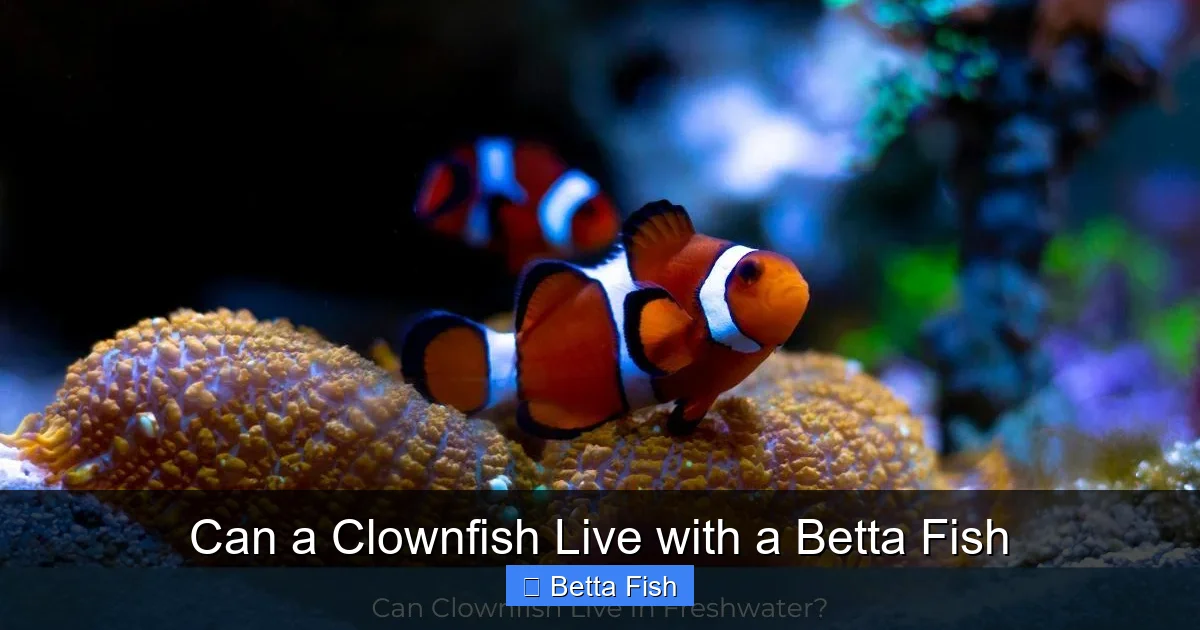
Clownfish are marine specialists
Clownfish (family Pomacentridae) are native to coral reefs. They thrive in water that is 1.020–1.025 specific gravity, with a stable temperature of 76‑82°F (24‑28°C) and a pH of 8.1‑8.4. Their diet consists of brine shrimp, copepods, and specialized marine pellets.
Visual guide about Can a Clownfish Live with a Betta Fish
Image source: reefcraze.com
Betta fish are freshwater champions
Betta splendens, the Siamese fighting fish, live in soft, slightly acidic freshwater (specific gravity ≈ 1.000). Ideal temperature ranges from 78‑80°F (25‑27°C) with a pH of 6.5‑7.5. They eat high‑protein pellets, bloodworms, and occasional live foods.
Because these parameters are fundamentally different, trying to combine the two in one aquarium would force you to choose a compromise that harms at least one fish.
2. Temperament and Territorial Behavior
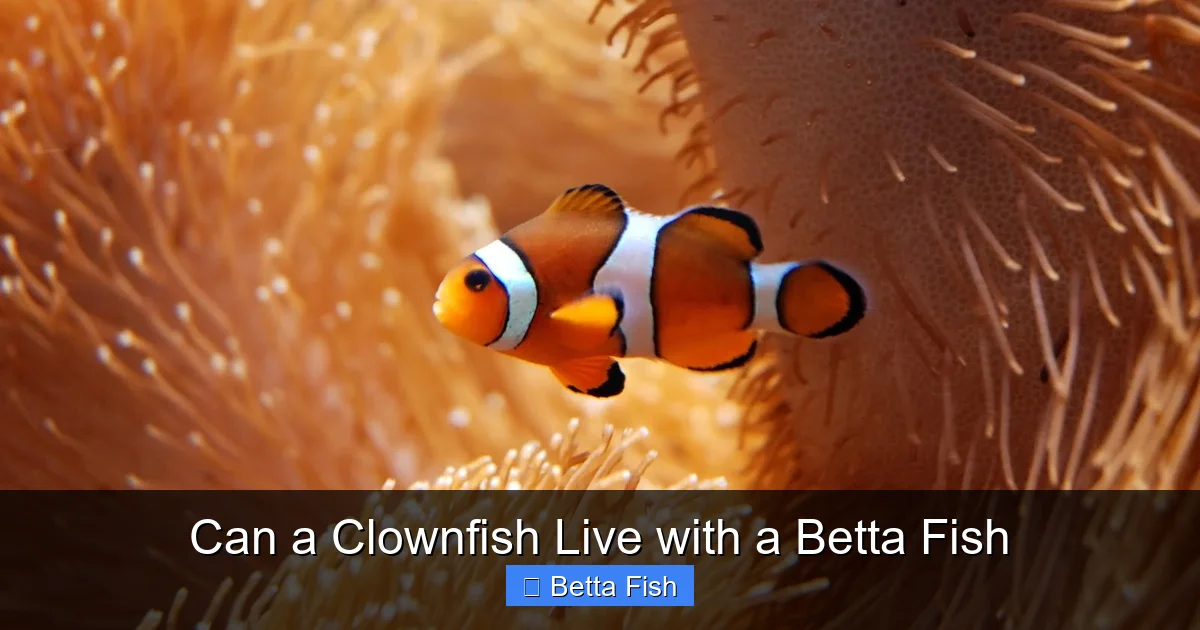
Clownfish: Peaceful but protective
In the wild, clownfish form symbiotic relationships with anemones. They are generally peaceful with other reef fish but can become aggressive if another fish threatens their host anemone or territory.
Visual guide about Can a Clownfish Live with a Betta Fish
Image source: fantaseaaquariums.com
Betta fish: The name says it all
Betta males are famously aggressive toward other males and similarly colored fish. Even females can display fin‑flaring and nipping when stressed. Introducing a curious clownfish could trigger a territorial showdown.
Both species have strong personalities, making a mixed‑species tank a recipe for stress, fin damage, and disease.
3. Tank Size, Filtration, and Equipment
Separate tanks are essential
A healthy clownfish needs at least a 20‑gallon marine tank equipped with a protein skimmer, live rock, and a robust filtration system designed for saltwater. A betta does well in a 5‑gallon well‑cycled freshwater tank with a gentle filter or sponge.
Visual guide about Can a Clownfish Live with a Betta Fish
Image source: bettacarefishguide.com
Why a single system won’t work
- Salinity: Adding freshwater to a saltwater system dilutes the specific gravity, endangering the clownfish.
- Filtration media: Marine bio‑media harbors nitrifying bacteria suited for brine; freshwater media does not.
- Decor: Live coral and anemones require stable marine conditions that bettas cannot tolerate.
For hobbyists who want both fish, set up two dedicated tanks or a “split‑system” with a solid glass barrier and separate filtration loops—though this is advanced and often unnecessary.
4. Health Risks and Stress Indicators
Signs of stress in clownfish
Loss of color, clamped fins, rapid breathing, and refusal to eat are common when a clownfish is placed in unsuitable water or under aggression.
Signs of stress in bettas
Fin‑rot, faded coloration, excessive gill movement, and frequent flaring indicate a betta is uncomfortable.
Cross‑contamination dangers
Even if you tried a temporary mixed tank, pathogens from freshwater (e.g., Ich) can devastate marine fish, and vice versa. Maintaining strict quarantine procedures is vital.
5. Safe Alternatives: Compatible Tank Mates
For clownfish
Consider other small, peaceful marine species such as:
- Pygmy gobies
- Chromis damselfish
- Royal gramma
These fish share similar water requirements and are unlikely to provoke aggression.
For bettas
Freshwater companions that coexist well with bettas include:
- Harlequin rasboras
- Corydoras catfish
- Neon tetras (in a larger community tank)
For more ideas, see our guide on What Fish Can Live With A Betta and Which Fish Can I Put With A Betta.
6. Practical Steps If You Still Want Both Species
Set up two separate, properly cycled tanks
1. **Choose the right size** – 20‑gallon marine tank for the clownfish; 5‑10‑gallon freshwater tank for the betta.
2. **Cycle each tank** – Use marine-grade ammonia for the saltwater tank and freshwater cycling methods for the betta.
3. **Maintain water parameters** – Test salinity, pH, and temperature weekly.
Quarantine new arrivals
Always quarantine fish for 2‑4 weeks before adding them to the main display. This prevents disease spread between tanks.
Provide visual barriers
If space is limited, you can place the two tanks side‑by‑side with a clear divider to enjoy watching both species without risking interaction.
Conclusion: Keep Them Happy, Keep Them Separate
In short, a clownfish and a betta fish belong in different worlds—one in a salty, reef‑like environment, the other in a calm, freshwater oasis. Trying to force them together will likely end in stress, illness, or loss of both beautiful creatures.
By respecting each species’ natural needs, you can create thriving habitats for both. Set up dedicated tanks, monitor water quality, and choose compatible tank mates for each. That way you’ll enjoy the bright orange of a clownfish and the flamboyant fins of a betta without compromise.
Frequently Asked Questions
Can a clownfish survive in a freshwater tank?
No. Clownfish require a specific gravity of 1.020–1.025, which freshwater cannot provide. The lack of salt will cause severe stress and likely death.
Can a betta live in a reef tank with marine fish?
Betta fish cannot survive in a reef tank because the salinity is too high for their physiology. They need freshwater conditions.
What is the best tank size for a single clownfish?
A minimum of 20 gallons is recommended for a single clownfish, allowing enough space for live rock, an anemone, and proper water flow.
Are there any freshwater fish that can tolerate low levels of salt?
Some hardy species, like certain guppies, can tolerate very low brackish conditions, but they still cannot live in true marine water needed by clownfish.
Can I keep a betta with a shrimp in a freshwater tank?
Yes, many bettas coexist peacefully with larger shrimp like Amano or ghost shrimp, provided the shrimp have plenty of hiding places.
How often should I test water parameters in a betta tank?
Test temperature, pH, and ammonia at least once a week. Consistent water quality is key to a healthy betta.

