Can a Betta Fish with a Vitamin Deficiency Recover

Yes, a betta fish with a vitamin deficiency can recover with proper care. Identify the symptoms early, adjust diet, improve water conditions, and consider supplements. With patience and the right steps, your betta can regain its color, energy, and health.
Key Takeaways
- Early detection matters: Spotting pale fins, loss of appetite, or sluggish behavior early speeds recovery.
- Balanced diet is essential: High‑quality betta pellets, occasional frozen or live foods, and occasional vitamin‑rich treats prevent deficiencies.
- Water quality cannot be ignored: Clean, stable water supports nutrient absorption and overall health.
- Supplements work when used correctly: A few drops of liquid vitamin B complex or calcium can boost recovery, but over‑supplementing harms fish.
- Prevention is easier than cure: Regular tank maintenance and varied nutrition keep deficiencies at bay.
- Patience pays off: Full color and vigor may take 2‑4 weeks to return after treatment.
- Seek professional help if needed: Persistent issues may signal deeper health problems requiring a vet.
📑 Table of Contents
Introduction: Why Vitamin Deficiencies Happen in Betta Fish
Betta fish are tiny, flashy, and surprisingly delicate. Their bright fins and aggressive personality make them popular pets, but they also have specific nutritional needs. When those needs aren’t met, a vitamin deficiency can develop. This isn’t a death sentence; it’s a signal that something in the tank or diet needs attention.
In this article we’ll answer the question “can a betta fish with a vitamin deficiency recover?” by walking through the signs to watch for, the steps to treat the problem, and the habits that keep your betta healthy for life. Think of it as a friendly chat with a fellow hobbyist who’s been there and fixed the issue.
1. Recognizing the Symptoms
Physical clues
Vitamin deficiencies often show up on the outside of the fish. Look for:
Visual guide about Can a Betta Fish with a Vitamin Deficiency Recover
Image source: buildyouraquarium.com
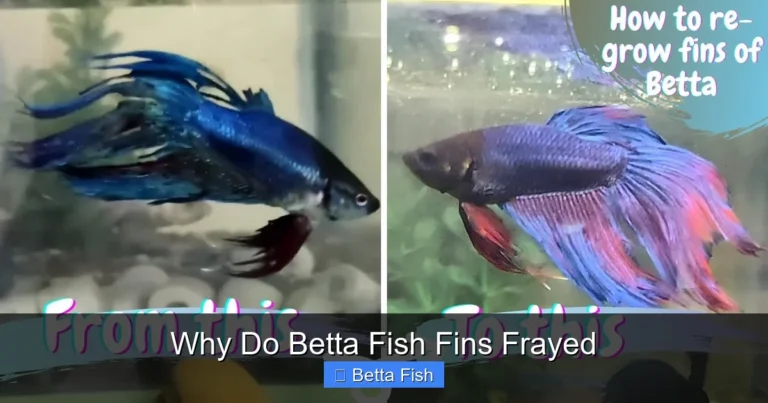
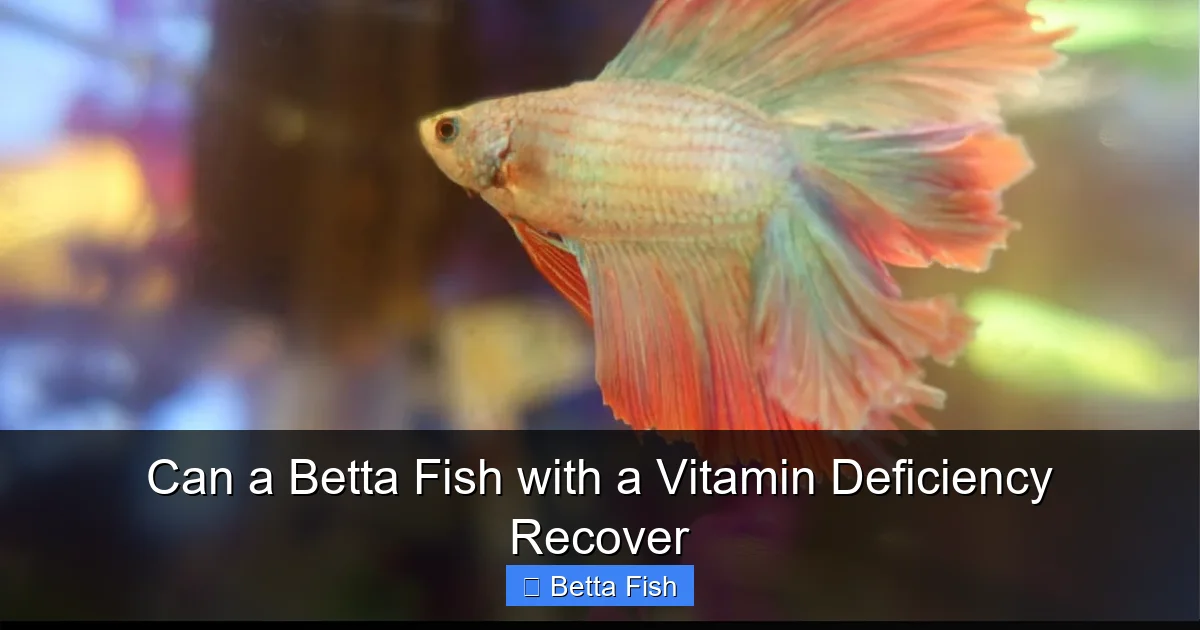
- Pale or faded coloration: A healthy betta dazzles with reds, blues, or purples. A dull, almost gray hue can point to a lack of vitamin A or carotenoids.
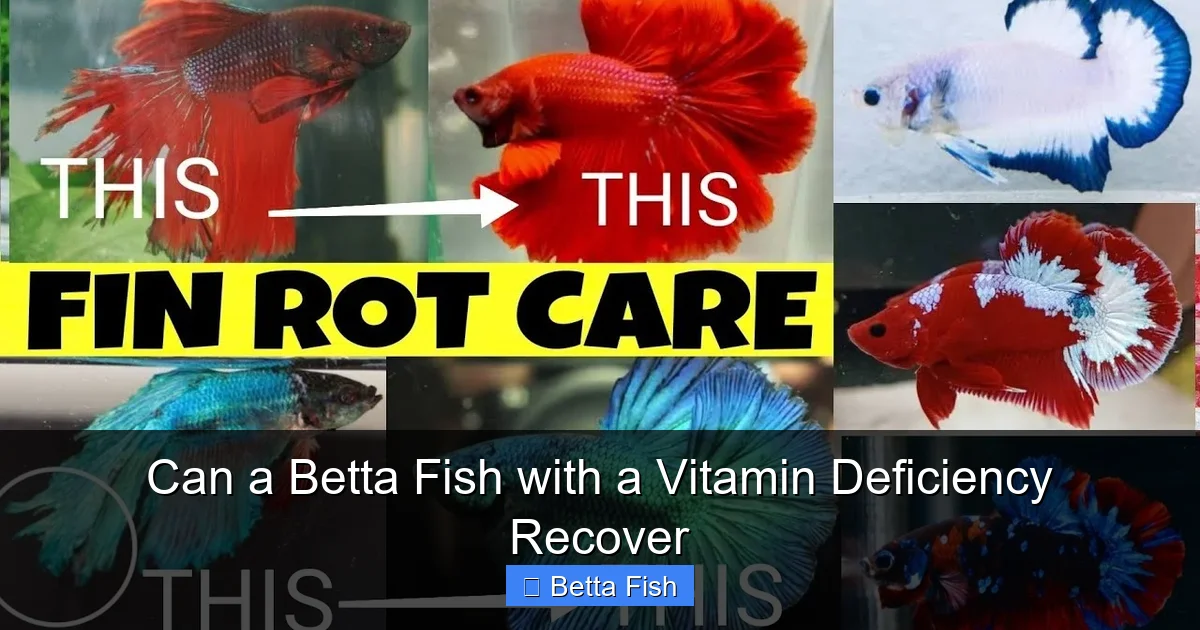
- Fin rot or frayed edges: While fin rot is usually bacterial, weak fins that don’t heal can be a sign of vitamin C deficiency.
- Soft or deformed scales: Scales that feel rubbery or lift easily may indicate poor calcium or vitamin D absorption.
Behavioral clues
- Lethargy: A betta that spends most of the day at the bottom or rests near the filter is not feeling well.
- Loss of appetite: Skipping meals for several days is a red flag.
- Erratic swimming: Swirls, crashes into the glass, or an inability to maintain buoyancy can be linked to vitamin B12 deficiency.
When to act
If you notice two or more of these signs, it’s time to investigate diet and water quality. Remember, the question can a betta fish with a vitamin deficiency recover is answered with a confident “yes” when you act quickly.
2. Diagnosing the Deficiency
Rule out other causes first
Before blaming vitamins, check for common culprits:
Visual guide about Can a Betta Fish with a Vitamin Deficiency Recover
Image source: i.ytimg.com
- High ammonia or nitrite spikes – test water with a reliable kit.
- Improper temperature (betta thrive at 78‑80°F).
- Over‑feeding or poor-quality food – both can mask nutrient problems.
Simple home tests
While a vet can run blood work, you can get clues at home:
- Observe the color of the feces – white or stringy feces may suggest malabsorption.
- Check the tank’s pH; extreme pH can hinder vitamin uptake.
When to seek professional help
If symptoms persist after 48 hours of diet correction, contact an aquatic veterinarian. Some deficiencies are linked to underlying organ issues that need medication.
3. Treating a Vitamin Deficiency
Step 1: Upgrade the diet
The cornerstone of recovery is food. Switch to a high‑quality betta pellet that lists “complete nutrition” and “added vitamins.” Feed 2‑3 pellets once or twice daily.
Visual guide about Can a Betta Fish with a Vitamin Deficiency Recover
Image source: fishkeepingadvice.com
Supplement the pellets with:
- Frozen or live brine shrimp: Rich in vitamin B12 and protein.
- Daphnia: Excellent source of vitamin C and calcium.
- Bloodworms (once a week):** Provides natural pigments that boost color.
Step 2: Add vitamin supplements
If you suspect a specific deficiency, a liquid vitamin supplement can help. Use a product formulated for tropical fish and follow the label – usually 1‑2 drops per 5 gallons every other day.
Do NOT over‑dose. Too much vitamin A can cause liver stress, and excess vitamin D can lead to calcium deposits.
Step 3: Optimize water conditions
Clean water is the silent hero of recovery. Perform a 25‑30% water change every 2‑3 days for the first week of treatment. Use a water conditioner that removes chlorine and chloramine.
Maintain temperature at 78‑80°F and keep ammonia and nitrite at 0 ppm. Stable parameters allow the betta’s gut to absorb nutrients efficiently.
Step 4: Reduce stress
Stress blocks the immune system. Keep the tank in a quiet area, limit bright lights to 8‑10 hours, and avoid sudden temperature changes. A calm environment speeds healing.
Step 5: Monitor progress
Within 5‑7 days you should see brighter fins and more active swimming. Continue the enhanced diet for at least 2‑3 weeks, then gradually return to a regular feeding schedule.
4. Preventing Future Deficiencies
Balanced feeding routine
Rotate protein sources weekly. A simple schedule could be:
- Monday‑Wednesday: Premium pellets.
- Thursday: Frozen brine shrimp.
- Saturday: Daphnia.
- Sunday: Rest day (no feeding) to mimic natural fasting.
Regular water testing
Test for pH, ammonia, nitrite, and nitrate weekly. A stable environment means nutrients stay available.
Seasonal considerations
During colder months, bettas eat less. Reduce portion size but keep vitamin content high by adding a pinch of powdered vitamin B complex to the food.
Choosing the right tank mates
If you keep a community tank, make sure companions don’t out‑compete the betta for food. For example, some peaceful fish may nibble at the same pellets, leaving your betta under‑fed. Read more about compatible tank mates in our guide on Can a Betta Fish Live With Other Fish.
Supplemental lighting
Full‑spectrum LED lights help plants produce natural carotenoids, which can supplement your betta’s diet indirectly.
5. Real‑World Success Stories
Case study: “Blue to brilliant”
Emily noticed her male betta’s blue hue fading to a dull gray. She switched to a vitamin‑enriched pellet, added frozen brine shrimp twice a week, and performed 30% water changes every other day. Within ten days, the blue returned, and the fish was flaring again. Emily’s story proves that can a betta fish with a vitamin deficiency recover is a practical, everyday answer.
Case study: “The shy swimmer”
Mark’s betta stayed at the bottom and barely ate. He introduced a liquid vitamin B12 supplement and offered live daphnia. After a week, the fish began exploring the tank and eating more. Within three weeks, the fins looked strong and the color was vibrant again.
Lessons learned
- Consistent water changes are non‑negotiable.
- Varied diet beats “just pellets.”
- Patience is key – recovery isn’t instant.
Conclusion: A Positive Outlook
The short answer to “can a betta fish with a vitamin deficiency recover” is a confident yes. By recognizing symptoms early, fixing diet, maintaining pristine water, and giving the fish a stress‑free environment, most bettas bounce back beautifully. Prevention, however, is the smartest strategy. Keep a regular feeding schedule, test your water, and provide occasional vitamin‑rich treats. Your betta will thank you with dazzling colors and lively flares for years to come.
Frequently Asked Questions
What are the most common vitamin deficiencies in betta fish?
Vitamin A (affects color), vitamin C (weakens fins), and vitamin B12 (causes lethargy) are the most frequently seen deficiencies.
How quickly can a betta fish regain its color after treatment?
Most bettas show brighter coloration within 5‑10 days of proper diet and water care, but full recovery may take 2‑4 weeks.
Can I give my betta human vitamins?
No. Human vitamins are not formulated for fish and can be toxic. Always use supplements labeled for aquarium use.
Is it safe to mix live foods with commercial pellets?
Yes, mixing live or frozen foods with high‑quality pellets provides a balanced nutrient profile and helps prevent deficiencies.
Do water conditioners affect vitamin absorption?
Good conditioners remove chlorine and heavy metals that can interfere with nutrient uptake, so they indirectly support vitamin absorption.
Should I isolate a betta with a deficiency from other fish?
Isolation isn’t usually required unless the betta is being bullied or stressed by tank mates. A calm, clean tank is more important than separation.