Is Full Moon Better for Fishing
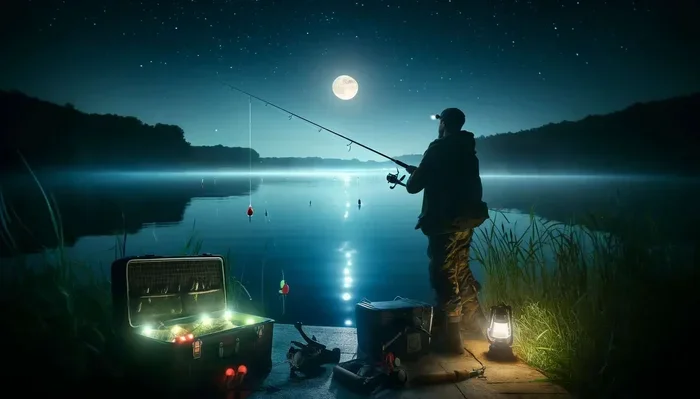
Many anglers believe that a full moon creates better fishing conditions because it boosts fish feeding activity and affects tidal patterns. The full moon fishing theory ties into solunar theory and lunar cycle fishing, which suggest that moonlight and gravity influence when fish are most active. Whether you fish saltwater or freshwater, understanding the moon phase can seriously improve your fishing success rate.
Have you ever wondered whether the full moon really makes a difference when you cast your line? If you have spent any time on the water, you have probably heard an old-timer say something like, “The fish are feeding like crazy tonight — it is a full moon.” But is there any truth to this? Or is it just another fishing tale passed down through generations?
The short answer is yes. There is real science and plenty of anecdotal evidence behind the idea that fishing during a full moon can lead to better results. The lunar cycle affects tides, light levels, and even the feeding patterns of fish. Whether you are a weekend angler or a serious tournament competitor, paying attention to the moon phase can give you a real edge.
In this article, we will break down exactly why the full moon can be better for fishing, what the science says, and how you can use this knowledge to plan your next trip. We will cover saltwater and freshwater fishing, night fishing strategies, and simple tips you can start using right away.
Key Takeaways
- Full moon boosts fish feeding: Increased moonlight triggers more aggressive feeding behavior in many species.
- Tides matter: The full moon creates stronger tidal currents, which stir up food and attract fish.
- Night fishing gets easier: The bright moonlight during a full moon improves visibility for evening and night fishing sessions.
- Solunar theory supports it: Many experienced anglers use moon phase calendars to plan their trips around peak activity windows.
- Freshwater and saltwater both respond: Fish behavior changes during a full moon regardless of the water type you fish.
- Timing is everything: Fishing during the days around the full moon often produces better results than fishing on the exact day.
📑 Table of Contents
- What Is the Full Moon and How Does It Affect Fishing?
- Why Is Fishing Better During a Full Moon?
- How to Plan Your Fishing Trips Around the Moon Phase
- Full Moon Fishing: Saltwater vs. Freshwater
- Common Mistakes to Avoid When Fishing the Full Moon
- Expert Tips for Maximizing Your Full Moon Fishing Success
- Conclusion
What Is the Full Moon and How Does It Affect Fishing?
The full moon occurs when the Earth sits directly between the sun and the moon. This positioning means the entire face of the moon is illuminated. The result is the brightest night of the month. But this extra light does more than just help you see your line in the dark.
The Science Behind Moon Phases and Fish Behavior
Fish are creatures of habit. They respond to environmental cues like light, temperature, and water movement. The lunar cycle influences all three of these factors. During a full moon, the gravitational pull is at its strongest, which creates higher high tides and lower low tides. These tidal currents push food into new areas and trigger fish to feed.
Many biologists believe that fish have internal clocks synced to the moon phase. This is similar to how birds migrate based on the calendar. The solunar theory, developed by John Alden Knight in 1926, suggests that fish have major and minor feeding periods based on the position of the moon. These periods often line up with sunrise, sunset, and the moon rise and moon set times.
How the Full Moon Changes Water Conditions
Stronger tides during the full moon do more than just move water. They stir up the bottom of lakes, rivers, and oceans. This stirs up small organisms, baitfish, and nutrients. When the food supply moves, the bigger fish follow. This is why many anglers target tidal fishing windows around the full moon.
In freshwater environments, the full moon still has an impact. The extra moonlight penetrates shallow water and affects the behavior of predators. Bass, walleye, and trout often become more active during bright moonlit nights. They use the light to hunt more effectively, and their prey becomes more visible too.
Why Is Fishing Better During a Full Moon?
The full moon offers several advantages that make it one of the best times to head out to your favorite fishing spot. Let us look at the main reasons why anglers swear by full moon fishing.
Increased Fish Feeding Activity
One of the biggest reasons fishing during a full moon works so well is the increase in feeding activity. Fish tend to eat more during the days leading up to and during the full moon. This is especially true for predatory species like bass, pike, and musky.
The extra light at night allows these predators to see their prey more clearly. They can hunt longer hours and cover more water. For you as an angler, this means more fish are actively striking lures and baits during full moon periods.
Better Tidal Movement for Saltwater Fishing
If you fish saltwater, the full moon is a game-changer. The stronger tides create more water movement, which means more oxygen in the water and more food being pushed around. Fish like redfish, trout, snook, and striped bass feed aggressively during these tidal changes.
Many inshore anglers plan their trips around the tide charts and the moon phase. The combination of a full moon and an incoming tide is one of the most reliable patterns for finding active fish. If you fish the beach or the flats, you already know how important tidal fishing timing really is.
Improved Visibility for Night Fishing
Here is a huge benefit that gets overlooked. The bright light of the full moon makes night fishing much more productive. You can see your line, your knots, and your lure better. You can also read the water more easily and spot feeding fish from a distance.
Many species are naturally more active at night anyway. Add the extra moonlight, and you have a perfect storm of opportunity. Night fishing during a full moon is especially productive for catfish, walleye, and certain saltwater species like flounder and redfish.
Some anglers even say that fishing is better at night during a full moon than during the day. The cooler temperatures and the bright light create ideal conditions for many species to feed near the surface.
How to Plan Your Fishing Trips Around the Moon Phase
Now that you understand why the full moon matters, let us talk about how to actually use this information. Planning your trips around the moon phase is simple once you know what to look for.
Use a Moon Phase Calendar
Start by downloading a moon phase calendar app or printing one out. These tools show you exactly when the full moon, new moon, and quarter moons occur each month. Many of them also include solunar tables that highlight the best fishing windows.
Look for the three to five days surrounding the full moon. This is when fish activity tends to peak. Plan your fishing trip during this window for the best chances of success.
Match Your Fishing Style to the Moon
Different moon phases call for different strategies. During the full moon, focus on night fishing and dusk fishing sessions. The bright light keeps fish feeding later into the evening than usual. Early morning can also be productive because fish have been feeding all night and are still active at dawn.
Use brighter lures and reflective tackle during full moon nights. The extra light makes fish more cautious, so natural-looking presentations work best. Slow your retrieve down and let your bait do the work.
Track Your Results
Keep a fishing journal that includes the moon phase for each trip. Over time, you will start to see patterns. You will notice which moon phases produce the best results for your local waters and target species. This personal data is incredibly valuable and can improve your fishing success rate dramatically.
Full Moon Fishing: Saltwater vs. Freshwater
The full moon affects both saltwater and freshwater fishing, but in different ways. Let us compare how each environment responds to the lunar cycle.
Saltwater Fishing During the Full Moon
In saltwater environments, the full moon has the most dramatic impact because of the strong tidal movements. The extreme high and low tides create excellent fishing conditions. Fish move into shallower water to feed, and the increased current brings food to them.
Species like redfish, speckled trout, snook, tarpon, and striped bass all feed more aggressively during the full moon. Beach fishing, bridge fishing, and flats fishing all benefit from the stronger tidal flow. If you target inshore species, the days around the full moon should be at the top of your calendar.
Many experienced saltwater anglers also check whether fishing is better when water is rising or falling. During a full moon, the rising tide often produces the best action because it pushes baitfish into open areas where predators wait.
Freshwater Fishing During the Full Moon
In freshwater, the impact of the full moon is more subtle but still significant. The extra moonlight affects the feeding patterns of bass, walleye, perch, and panfish. These species often move into shallower water at night during the full moon to feed.
Largemouth bass are particularly responsive to the lunar cycle. They feed heavily during the full moon, especially in the hours after sunset. If you fish lakes or reservoirs, try casting topwater lures during the full moon evenings for explosive strikes.
Panfish like bluegill and crappie also become more active during bright moonlit nights. They move into shallower cover to feed on insects and small baitfish. This makes the full moon a great time for shore fishing and dock fishing for panfish.
Common Mistakes to Avoid When Fishing the Full Moon
Even though the full moon can boost your fishing, there are some mistakes that can ruin your trip. Here are a few things to watch out for.
Assuming Every Full Moon Is the Same
Not all full moons are created equal. A full moon in winter produces different results than a full moon in summer. The angle of the moon, the weather conditions, and the water temperature all play a role. Do not assume that every full moon will automatically give you a great trip.
Ignoring Weather Conditions
The moon phase is only one piece of the puzzle. Weather has a huge impact on fish behavior. A cold front during a full moon can shut down feeding completely. Always check the weather forecast before you head out. Pay attention to barometric pressure changes and water temperature.
Overlooking the Days Around the Full Moon
Some of the best fishing happens in the days before and after the actual full moon. Fish start feeding more aggressively as the moon approaches its full phase and continue for a day or two after. If you cannot make it on the exact full moon night, try fishing a day or two before or after.
Fishing at the Wrong Time of Day
The full moon shifts peak feeding times. Fish feed more at night and in the early morning during a full moon. If you only fish during midday, you may be missing the best action. Adjust your schedule to fish during the evening, at night, or at dawn during the full moon.
Expert Tips for Maximizing Your Full Moon Fishing Success
Want to get the most out of your next full moon fishing trip? Here are some expert tips that make a real difference.
- Fish the solunar major periods: These are the two times each day when the moon is directly overhead or directly underfoot. Fish are most active during these windows.
- Use natural-colored lures: The extra light makes fish more wary. Natural greens, browns, and silver patterns work best during bright moonlit nights.
- Fish shallow water at night: During the full moon, many species move into shallow areas to feed. Do not overlook the flats and shorelines after dark.
- Bring a headlamp with a red light: Red light preserves your night vision and does not spook fish. This is a simple trick that many anglers forget.
- Check the local fishing tide charts: Combining tide information with the moon phase gives you the most complete picture of when fish will be active.
Experienced anglers know that the full moon is one of the most reliable indicators of good fishing. By combining the lunar cycle with solid technique and local knowledge, you can consistently find fish when most other anglers are not on the water.
Conclusion
So, is full moon better for fishing? The evidence strongly says yes. The full moon creates stronger tides, brighter nights, and more aggressive feeding behavior in fish. Whether you fish saltwater or freshwater, understanding the moon phase gives you a significant advantage.
The solunar theory, the effects of tidal currents, and the simple fact that fish can see better during a bright full moon all point to the same conclusion. Plan your trips around the full moon, fish during the major solunar periods, and adjust your techniques for night fishing. You will see a noticeable difference in your catch rate.
The next time you see a bright full moon in the sky, do not stay home. Grab your gear, head to the water, and enjoy some of the best fishing conditions of the month. Your fish finder will thank you.
Frequently Asked Questions
Why is the full moon better for fishing?
The full moon creates stronger tidal currents and provides more light at night, which triggers increased feeding activity in fish. The gravitational pull during a full moon moves more water, which pushes food and baitfish into new areas, attracting predators to feed aggressively.
What is the best time to fish during a full moon?
The best times are during the solunar major periods, which occur when the moon is directly overhead or underfoot. Night fishing and early morning fishing around dawn are especially productive during the full moon because fish feed more actively in the bright light.
Does the full moon affect freshwater fishing?
Yes, the full moon affects freshwater fishing too. Fish like bass, walleye, and panfish become more active at night during the full moon. They move into shallower water to feed, making them easier to target with the right techniques and lures.
How many days before and after the full moon is fishing good?
Fishing is often good for about three to five days before and after the full moon. Fish start feeding more aggressively as the moon approaches its full phase and continue for a day or two after. Planning your trip during this extended window increases your chances of success.
Should I use different lures during a full moon?
Yes, natural-colored and slightly subtler lures work best during a full moon. The extra light makes fish more cautious, so using natural greens, browns, and silver patterns with a slower retrieve will give you better results than bright or flashy lures.
Can weather ruin full moon fishing?
Yes, weather can override the benefits of a full moon. A cold front, heavy rain, or sudden drop in barometric pressure can shut down fish feeding regardless of the moon phase. Always check the weather and combine it with the lunar cycle for the best planning.