Can a Betta Fish Survive in a Pond
Betta fish are tropical, surface‑dwelling specialists that thrive in warm, calm water. While a pond can be made suitable, it requires careful temperature control, filtration, and predator protection. Without these, a betta’s chances of survival drop dramatically.
Key Takeaways
- Temperature is critical: Betta fish need water between 75‑82°F (24‑28°C) at all times.
- Water quality matters: Soft, slightly acidic water with low ammonia is essential.
- Predator protection is a must: Birds, frogs, and larger fish will see a betta as an easy snack.
- Limited space, big impact: A small pond can work if it mimics a betta’s natural rice‑paddy habitat.
- Supplemental heating and filtration: Portable heaters and gentle filters keep conditions stable.
- Regular monitoring saves lives: Test kits, daily checks, and quick problem solving are key.
- Alternative options: A properly sized indoor aquarium is often safer and less work.
📑 Table of Contents
- Introduction: Why the Question Comes Up
- Understanding a Betta’s Natural Needs
- Designing a Pond That Works for Betta Fish
- Seasonal Management: Summer, Fall, Winter, and Spring
- Practical Tips and Common Mistakes
- Is a Pond the Right Choice? Comparing to an Indoor Aquarium
- Step‑by‑Step Guide: Setting Up a Betta‑Friendly Pond
- Conclusion: Making an Informed Decision
Introduction: Why the Question Comes Up
When you first see a bright, flowing betta swimming in a glass bowl, it’s easy to imagine those colors flashing among lily pads in a backyard pond. The idea of a “living art piece” floating under the sun is tempting, especially for gardeners who love both plants and fish. But before you set a betta loose in a garden pond, you need to ask the hard question: can a betta fish survive in a pond?
Betta fish (Betta splendens) are native to the shallow, warm waters of Thailand’s rice paddies and slow‑moving streams. Those environments are warm, still, and full of hiding spots—perfect for a fish that breathes air at the surface thanks to its labyrinth organ. A backyard pond can imitate some of those conditions, yet it also adds new challenges: temperature swings, predators, algae blooms, and water chemistry that can quickly become hostile.
This guide walks you through every factor that determines whether a betta can thrive outdoors. We’ll cover water temperature, filtration, pond design, seasonal changes, and practical tips for creating a safe mini‑habitat. By the end, you’ll know if a pond is a realistic home for your betta or if a well‑maintained aquarium remains the better choice.
Understanding a Betta’s Natural Needs
Temperature and Climate
Betta fish are tropical. Their ideal temperature range is 75‑82°F (24‑28°C). In the wild, water temperature rarely dips below 72°F, even in cooler months. A pond exposed to night‑time cooling can easily fall below this range, stressing the fish and making it vulnerable to disease.
Water Chemistry
Betta habitats are soft (low mineral content) and slightly acidic (pH 6.0‑7.0). Hard, alkaline water can irritate their delicate gills. Natural ponds often contain calcium‑rich runoff, raising hardness and pH. Regular testing and occasional water changes are essential.
Oxygen and the Labyrinth Organ
Betta fish have a labyrinth organ that lets them gulp air from the surface. This means they can survive in low‑oxygen water, but they still need clean, well‑aerated water to prevent ammonia buildup. A gentle surface agitator or a small waterfall can provide the right amount of oxygen without creating strong currents that stress the fish.
Space and Hiding Places
In rice paddies, bettas hide among stalks, roots, and leaf litter. A pond that mimics this with dense plants, driftwood, and smooth rocks will make a betta feel secure. However, the space should not be so large that the fish becomes a tiny splash in a vast pool, which can increase stress and make it harder to monitor water parameters.
Designing a Pond That Works for Betta Fish
Size Matters
While a large pond looks impressive, a small, shallow pond (about 20‑30 gallons) is easier to control. This size allows you to maintain temperature and water quality with modest equipment. Think of a decorative “koi pond” that’s only a foot deep and surrounded by plants.
Heating Solutions
To keep water in the 75‑82°F range year‑round, you’ll need a submersible aquarium heater rated for the pond’s volume. Choose a model with a built‑in thermostat and a waterproof housing. Place the heater near the pond’s inlet to distribute warm water evenly.
Filtration Without Strong Currents
Betta fish dislike strong currents. Use a sponge filter or a low‑flow external filter that circulates water gently. A small waterfall or a decorative fountain can add surface agitation while keeping the flow soft enough for a betta.
Plant Selection and Decoration
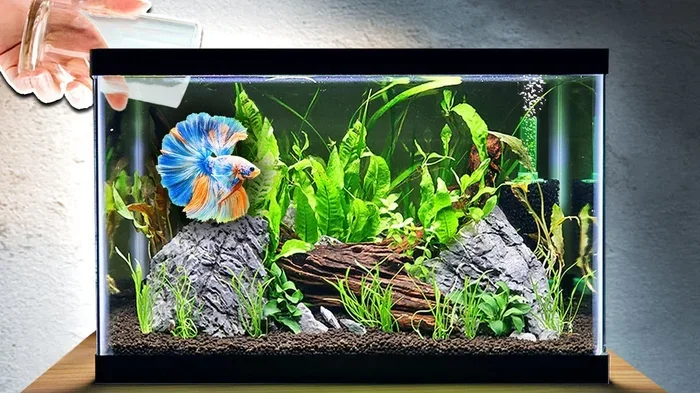
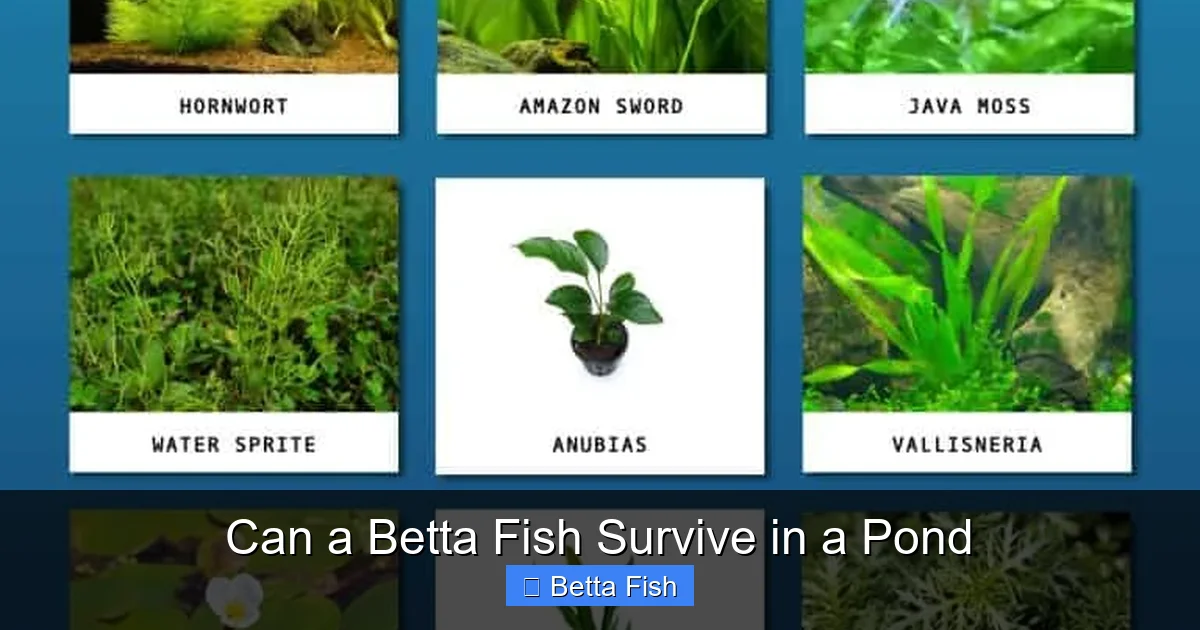
Live plants such as Java fern, Anubias, and Hornwort provide cover and help absorb nitrates. Add floating plants like water lettuce or duckweed to create shade and give the betta places to rest near the surface. Smooth rocks and driftwood create natural-looking hiding spots.
Predator Barriers
Birds, frogs, and larger fish are common pond predators. Install a fine mesh net over the pond surface, especially at night. If you keep other pond fish, choose species that are too large to eat a betta but too small to bully it, such as certain small rasboras.
Seasonal Management: Summer, Fall, Winter, and Spring
Summer Heat
Hot days can push pond temperature above 85°F, which is stressful for bettas. Provide shade with tall plants or a shade cloth. If water temperature spikes, use a small aquarium chiller or add cool, filtered water gradually.
Fall Turn‑over
Leaves and debris increase organic load, raising ammonia. Perform a partial water change (20‑30%) weekly and clean the filter media. Remove fallen leaves promptly.
Winter Survival
In temperate climates, winter is the biggest obstacle. Even a well‑insulated pond can drop below 60°F, which is lethal. Options include:
- Moving the betta to a heated indoor tank during cold months.
- Using a pond heater and heavy insulation (foam boards, bubble wrap) to maintain temperature.
- Choosing an indoor garden pond that stays warm year‑round.
Spring Reset
Spring brings a surge of new plant growth and possible algae blooms. Increase water changes, trim excess vegetation, and test for nitrate spikes. This is also a good time to inspect the heater, filter, and any netting for wear.
Practical Tips and Common Mistakes
Tip 1: Test Water Daily
Invest in a simple test kit for ammonia, nitrite, nitrate, and pH. Betta fish are sensitive to ammonia; levels above 0 ppm require an immediate water change.
Tip 2: Feed Lightly
Overfeeding leads to excess waste, which fuels algae and ammonia. Feed a tiny pinch of high‑quality betta pellets once or twice a day. Remove uneaten food within two minutes.
Tip 3: Avoid Aggressive Tank Mates
If you want other fish, choose peaceful species that stay low in the water column. Read more about compatible tank mates in our guide on which fish can live with betta fish in a tank. Avoid fast‑moving or fin‑nipping fish.
Tip 4: Keep the Pond Covered
A net or clear acrylic cover protects against birds and keeps debris out. It also reduces evaporation, helping maintain temperature.
Tip 5: Use Soft Water Additives
If your tap water is hard, add a water softener pillow or use reverse osmosis (RO) water mixed with tap water to achieve the desired softness.
Common Mistake: Ignoring Night‑time Temperature Drops
Even in summer, pond temperatures can fall 5‑10°F after sunset. Use a thermometer with a probe that stays in the water and set your heater’s thermostat slightly higher than the day’s average to compensate.
Is a Pond the Right Choice? Comparing to an Indoor Aquarium
While a pond can be a stunning focal point, it demands constant vigilance. An indoor 10‑gallon tank with a heater and sponge filter provides a more controlled environment with less risk of temperature shock or predation. If you love the idea of an outdoor display, consider a small, heated indoor pond or a large aquarium placed near a window with a natural‑look backdrop.
For beginners, we recommend starting with a standard betta tank and mastering water chemistry before attempting an outdoor setup. Once you’re comfortable, you can graduate to a pond with confidence.
Step‑by‑Step Guide: Setting Up a Betta‑Friendly Pond
Step 1: Choose the Location
Select a shaded spot that receives morning sun but is protected from harsh afternoon rays. Level the ground and line the basin with a pond liner.
Step 2: Install Heating and Filtration
Place a submersible heater near the inlet and a sponge filter on the opposite side. Connect a small pump to create a gentle waterfall.
Step 3: Add Substrate and Plants
Lay a thin layer of fine sand or smooth river rock. Plant live foliage and add floating plants for shade.
Step 4: Fill and Condition the Water
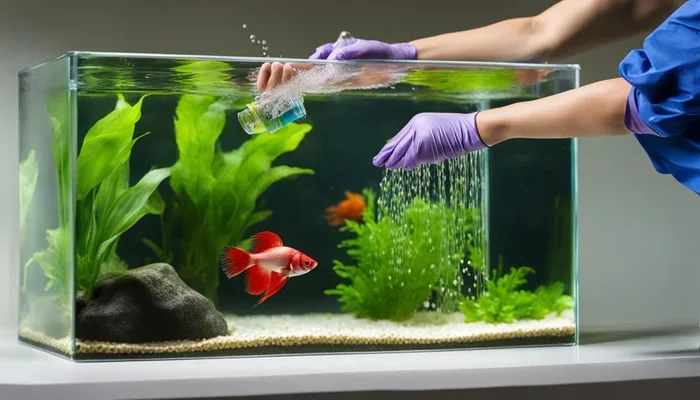
Fill with dechlorinated water, test the temperature, pH, and hardness. Adjust with RO water or a commercial water conditioner as needed.
Step 5: Acclimate Your Betta
Float the betta’s bag in the pond for 15‑20 minutes to equalize temperature, then slowly add pond water to the bag before releasing.
Step 6: Ongoing Care
- Check temperature twice daily.
- Test water parameters weekly.
- Perform 20‑30% water changes every 7‑10 days.
- Trim plants and clean the filter monthly.
- Inspect the netting and heater for wear.
Following these steps gives your betta the best chance to thrive in an outdoor pond.
Conclusion: Making an Informed Decision
So, can a betta fish survive in a pond? The answer is yes—**but only if you can consistently meet its temperature, water quality, and safety needs**. A well‑designed, heated, and filtered pond with plenty of cover can mimic the betta’s natural rice‑paddy home. However, the effort required is significant, and a sudden cold snap or predator breach can end quickly.
If you’re ready for the commitment, start small, monitor everything closely, and be prepared to move the fish indoors if conditions change. For most hobbyists, a properly sized indoor aquarium remains the safest, most reliable option. Either way, understanding the betta’s unique needs will help you provide a healthy, colorful life for this fascinating fish.
Frequently Asked Questions
Can a betta fish live outdoors year‑round?
Only if you can maintain a stable temperature (75‑82°F) and protect it from predators. In most climates, winter will require moving the fish indoors or heavily insulating the pond.
Do bettas need a filter in a pond?
Yes. A low‑flow sponge filter keeps ammonia low while providing gentle water movement that won’t stress the betta.
What plants are best for a betta pond?
Java fern, Anubias, Hornwort, and floating plants like water lettuce create hiding spots and help absorb excess nutrients.
How often should I change the water in a betta pond?
Replace 20‑30% of the water every 7‑10 days, or more often if ammonia or nitrate levels rise.
Can I keep other fish with my betta in a pond?
Yes, but choose peaceful, small‑mouthed species that stay low in the water column. Read our article on which fish can live with betta fish in a tank for detailed recommendations.
What should I do if the pond temperature drops suddenly?
Turn on a submersible heater immediately, add a few gallons of warm water, and consider moving the betta to a heated indoor tank until temperatures stabilize.