Can a Betta Fish Live in a Bowl Find the Truth Here

Can a betta fish live in a bowl is a question many new owners ask, but the honest answer is usually no. Small bowls lack proper filtration, stable temperature, and enough swimming space for a healthy life. Your betta deserves a clean, heated, and properly sized tank to thrive. Learn why bowls cause stress, how to choose the right setup, and what simple changes make a huge difference.
Many people see a bright betta in a tiny glass bowl and think it looks perfect. The colors pop. The setup feels simple. It even fits on a small desk. But looks can be tricky. Can a betta fish live in a bowl is a question that deserves a careful answer, because the truth affects your fishs health every single day. A bowl might seem easy, but it often creates hidden problems that build up over time.
Bettas are beautiful, but they are also active, sensitive, and surprisingly demanding. They need clean water, steady warmth, and enough room to move. When those needs are ignored, the fish may survive for a while, but surviving is not the same as thriving. In this guide, you will learn why bowls usually fall short, what your betta really needs, and how to create a setup that supports a longer, happier life.
Key Takeaways
- Small bowls cause stress: Limited space and poor water flow make bettas feel cramped and anxious.
- Temperature matters most: Bettas need warm water around 78 to 80 degrees, which bowls rarely maintain.
- Filtration keeps water safe: Without a filter, waste builds up fast and harms your fish.
- Bigger is better: A five-gallon tank gives your betta room to swim and explore comfortably.
- Water quality saves lives: Regular water changes and proper cycling prevent disease and dull colors.
- Decor should be safe: Smooth plants and gentle caves work better than sharp or toxic items.
- Better setups cost less stress: A simple tank setup reduces vet visits, replaces, and heartache.
📑 Table of Contents
- Why People Ask If a Betta Fish Can Live in a Bowl
- Can a Betta Fish Live in a Bowl Without Health Problems
- The Real Problems With Bowls for Bettas
- What Bettas Actually Need for a Healthy Life
- Better Alternatives to a Bowl Setup
- Common Mistakes When People Try Bowl Setups
- Expert Tips for a Better Betta Home
- Final Thoughts on Bowls and Betta Care
Why People Ask If a Betta Fish Can Live in a Bowl
The bowl idea is popular for a few simple reasons. Bowls are cheap. They look cute. They take up very little space. Many pet stores still display bettas in small containers, so new owners assume that setup is normal. It is easy to believe that a fish so often sold in a small cup should be fine in a small bowl.
Another reason is misinformation. Some people think bettas live in puddles in the wild, so a bowl must be enough. That idea is only partly true. Bettas do come from shallow rice fields and slow-moving streams, but those spaces still have fresh water flow, natural filtration, and room to move. A stagnant bowl is very different from a natural habitat.
It also helps to understand that betta fish care is not just about keeping a fish alive for a few weeks. It is about helping a living animal stay healthy, active, and stress-free. When you ask can a betta fish live in a bowl, you are really asking whether a bowl meets those basic needs. In many cases, it does not.
The Wild Habitat Myth
People often say bettas are puddle fish. That sounds simple, but it is not the full story. In nature, bettas live in tropical environments where rain, plants, and moving water help keep conditions livable. Even shallow water is usually part of a larger system. A bowl, on the other hand, is a closed and limited space.
This matters because fish do not just need water. They need good water. They need oxygen exchange. They need stable conditions. A small bowl makes all of those things harder to maintain. So while the puddle idea sounds helpful, it does not really support the case for keeping a betta in a tiny bowl long term.
Why Store Displays Can Be Misleading
Store displays are convenient, but they are not always ideal homes. A betta in a shop may be in a small container for a short time. That does not mean the same setup should be used forever. Temporary holding is different from a permanent home.
If you want the best for your fish, it helps to look past the display and think about daily life in your home. A bowl may look fine on day one, but water quality, temperature swings, and limited swimming space become bigger problems as the weeks go by.
Can a Betta Fish Live in a Bowl Without Health Problems
This is the real heart of the question. The short answer is that some bettas may survive in a bowl, but many will struggle. Survival is not the same as good health. A fish can stay alive while still dealing with stress, poor water quality, and low oxygen. Over time, those problems can weaken the fish and shorten its life.
When people search for can a betta fish live in a bowl, they often want a yes or no answer. The truth is more nuanced. A bowl can work for a very short period, especially if you are setting up a better tank soon. But as a permanent home, a bowl usually creates too many challenges.
Limited Swimming Space
Bettas are not fast swimmers, but they still need room. They like to explore, patrol their space, and move comfortably through the water. In a small bowl, every movement can feel restricted. That can lead to frustration and boredom, especially for intelligent fish that notice their surroundings.
A cramped space can also make it harder for a betta to establish a comfortable routine. Fish benefit from having areas to hide, rest, and swim. A bowl often forces everything into one tight area, which is not ideal for long-term comfort.
Poor Water Quality in Small Volumes
Small water volumes change quickly. A tiny bowl reacts fast to waste, uneaten food, and natural fish waste. That means ammonia and other harmful substances can build up sooner than many beginners expect. Even if the water looks clear, it may not be safe.
This is one of the biggest problems with bowls. Without enough water volume and filtration, the environment becomes unstable. You may need to do very frequent water changes just to keep conditions acceptable. That is more work, not less, and it still may not solve every issue.
Stress and Its Hidden Effects
Stress is a major concern in small setups. A stressed betta may hide more, swim less, lose color, or become less interested in food. Some stressed fish also become more prone to illness. These changes can happen slowly, so new owners may not notice them right away.
If you want a calm, active betta with bright colors and steady behavior, you need a setup that supports comfort. That usually means more space, cleaner water, and steadier temperature. A bowl often makes those goals harder to reach.
The Real Problems With Bowls for Bettas
Bowls have a few common drawbacks that show up again and again. These issues are not just theoretical. They affect daily care and long-term health. If you are trying to decide whether can a betta fish live in a bowl is a good idea, it helps to look at these problems clearly.
Temperature Instability
Bettas are tropical fish. They do best in warm water, usually around 78 to 80 degrees. Small bowls lose heat quickly and gain it unevenly. Room temperature changes can affect a bowl more than a larger tank. That means your fish may experience swings that are uncomfortable or even harmful.
A stable temperature is one of the simplest ways to support fish health. In a bowl, keeping that stability is much harder. A heater may not fit well, and even if it does, the small water volume can still make temperature control tricky.
Low Oxygen Exchange
Bettas have a special ability to breathe air from the surface, which helps them survive in low-oxygen water. That does not mean they prefer it. Good oxygen exchange is still important for overall water quality and fish comfort. Bowls often have limited surface movement, which can reduce gas exchange.
Still water may look peaceful, but it is not always healthy. A little circulation helps keep water conditions more balanced. In a bowl, that circulation is often weak or missing entirely.
Waste Buildup and Maintenance Pressure
In a small container, waste has fewer places to dilute. Food remnants, fish waste, and decaying plant matter can affect water quality quickly. That means bowl owners often face more frequent cleanups. If cleaning is skipped, the water can become unhealthy fast.
This is an important point for beginners. A bowl may seem low maintenance, but it can actually demand more attention because the water conditions change so quickly. A larger, filtered tank often becomes easier to manage over time.
What Bettas Actually Need for a Healthy Life
If a bowl is not ideal, what is? The good news is that betta care is not complicated once you understand the basics. A good setup focuses on clean water, stable warmth, safe decor, and enough room. When those pieces are in place, your fish has a much better chance to thrive.
A Larger Tank Makes Care Easier
A larger tank gives water more stability. It also gives your betta more space to swim and explore. Many beginners are surprised to learn that a bigger tank can be easier to maintain than a tiny bowl. More water means waste is less concentrated, and conditions change more slowly.
If you are wondering can a betta fish live in a bowl because you want a simple setup, a small tank with a gentle filter and a heater may actually be the simpler long-term choice. It reduces many of the daily risks that bowls create.
Warm, Stable Water
Warm water supports metabolism, immunity, and comfort. A steady temperature helps your betta stay active and healthy. That is why many experienced keepers recommend a tank with a reliable heater. Consistency matters more than people expect.
Even if a bowl looks cozy, it may not hold warmth well. A better setup keeps the water in a comfortable range without constant worry.
Clean Water and Gentle Filtration
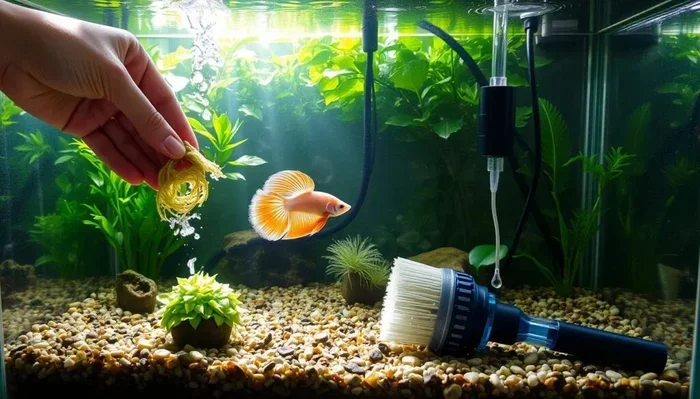
Good filtration helps remove waste and keep water clearer. It also supports oxygen exchange. A gentle filter is usually best for bettas, since strong currents can bother them. The goal is clean water without rough flow.
Regular water changes are still important, even with a filter. But a filtered tank usually makes the process more manageable. You are not fighting against a tiny, unstable environment every day.
Safe Decor and Comfortable Hiding Places
Decor should be practical, not just pretty. Smooth plants, soft leaves, and safe hiding spots give your betta places to rest and explore. Sharp edges or rough plastic can damage fins. That is why choosing tank items carefully matters.
Live plants can be a great option if they fit your setup. They can help the tank feel more natural and may support better water quality. If you use artificial plants, make sure they are soft and fish-safe.
Better Alternatives to a Bowl Setup
You do not need a giant aquarium to do better than a bowl. You just need a setup that gives your betta more stability and comfort. There are several practical options that work well for beginners and keep care manageable.
A Small Filtered Tank
A small tank with a gentle filter is often a strong upgrade. It gives your betta more room and helps maintain better water quality. A lid can also help reduce heat loss and keep fish from jumping out. If you are still asking can a betta fish live in a bowl, this kind of setup usually answers that question with a better path forward.
Look for a tank that is easy to maintain and fits your space. A simple setup with a heater, filter, and safe decor can be very effective. You do not need a complicated arrangement to give your fish a much better home.
A Heated Tank With Stable Conditions
Heat matters. A heated tank helps keep water in the range bettas prefer. That stability supports health and reduces the risk of temperature-related stress. It also makes the environment more predictable, which is helpful for new owners.
When the water stays warm and clean, your betta is more likely to show natural behavior. You may see better color, more movement, and a more confident fish overall.
Choosing the Right Tank Size
Size matters, but you do not need to overshoot your needs. The key is choosing a setup that gives enough space and stability without becoming overwhelming. A tank that is too small creates the same problems as a bowl. A tank that is too large may be unnecessary for a single betta.
If you want an easy starting point, choose a setup that offers a balanced middle ground. That usually means more water volume than a bowl, plus basic equipment to keep conditions steady.
Common Mistakes When People Try Bowl Setups
Many bowl problems come from a few repeated mistakes. Avoiding these can help you make a better choice, whether you are setting up a tank now or reconsidering a bowl.
Assuming Small Means Easy
Small setups often seem easier, but they can be less forgiving. A tiny bowl leaves little room for error. A small change in water quality or temperature can have a bigger impact than many people expect.
Skipping a Heater
Some owners leave bowls unheated because the room feels warm enough. That can be risky. Room temperature can change throughout the day and across seasons. A betta does better when water temperature stays consistent.
Overfeeding and Under-Cleaning
Overfeeding adds waste to the water. In a small bowl, that waste becomes a problem quickly. Under-cleaning makes it worse. Together, they can create unhealthy conditions that stress the fish.
Using Unsafe Decor
Decor that looks charming may not be fish-friendly. Rough edges, sharp plastic, or items that trap debris can cause trouble. Always choose items that are smooth, safe, and easy to clean.
Expert Tips for a Better Betta Home
If you want a healthier setup, focus on consistency. Keep the water warm. Keep it clean. Give your betta room to move. Use safe decor. Watch for changes in behavior, appetite, and color. These simple habits make a big difference.
It also helps to think long term. A good home should support your fish for years, not just a few weeks. If you start with a better setup, you save yourself time, stress, and regret later. That is why many keepers say the bowl question is less about survival and more about quality of life.
If you are still deciding, remember that can a betta fish live in a bowl is really a starting point for a bigger conversation. The better question is how to give your betta the most stable, comfortable life possible. A small tank with proper care usually does that much better than a bowl.
Quick Tips for Beginners
- Start with stability: Choose a setup that holds temperature and water quality well.
- Keep flow gentle: Strong currents can stress bettas, so use mild filtration.
- Watch the water: Clear water is good, but test results and behavior matter too.
- Feed carefully: Small portions reduce waste and keep water cleaner.
- Use safe plants and hides: Smooth decor helps fins and reduces stress.
Final Thoughts on Bowls and Betta Care
So, can a betta fish live in a bowl? Technically, some may survive for a while, but a bowl is usually not the best home. It often creates temperature swings, unstable water, and limited space. Those problems can lead to stress and poor health over time.
A better setup does not have to be complicated. A small tank with a heater, gentle filter, and safe decor can give your betta a much more comfortable life. That means brighter colors, steadier behavior, and a fish that is more likely to thrive. If you care about your betta, choosing a better home is one of the most important steps you can take.
Frequently Asked Questions
Can a betta fish live in a bowl long term?
Some bettas may survive in a bowl for a while, but a bowl is usually not ideal for long-term health. Small water volume, temperature swings, and poor filtration can cause stress and reduce quality of life.
Why are bowls bad for betta fish?
Bowls often have limited space, unstable temperature, and weak water circulation. Waste also builds up faster in small volumes, which can make the water unhealthy more quickly than many people expect.
What size tank is better than a bowl for a betta?
A larger tank with stable water and gentle filtration is usually a better choice than a bowl. More water volume helps keep conditions steadier and gives your betta more room to swim and explore.
Do betta fish need a heater in their tank?
Yes, bettas are tropical fish and usually do best in warm, stable water. A heater helps maintain a consistent temperature, which supports better health and reduces stress from fluctuations.
Can a bowl be okay if it is cleaned often?
Frequent cleaning can help, but it does not fully fix the problems of a small bowl. Even with regular maintenance, a bowl may still have temperature instability and limited space that make long-term care harder.
What should I look for instead of a bowl?
Look for a small tank with a gentle filter, a reliable heater, and smooth decor or safe plants. A covered setup with stable conditions is usually much better for a betta than a basic bowl.