Yes, a betta can thrive in a 10‑20 gallon tank, provided you maintain clean water, proper temperature, and suitable décor. These tanks give enough room for natural behavior, easier filtration, and the option to add peaceful tank mates.
Key Takeaways
- Space matters: 10‑20 gallon tanks give bettas room to swim and reduce stress.
- Filtration is key: A gentle filter keeps water quality high without harming delicate fins.
- Temperature control: Keep water between 76‑82°F with a reliable heater.
- Suitable décor: Live plants, smooth rocks, and hiding spots mimic a betta’s natural habitat.
- Tank mates: Choose calm, non‑aggressive species; avoid fin‑nippers.
- Maintenance routine: Weekly water changes of 25‑30% prevent ammonia spikes.
- Health monitoring: Watch for faded colors, ragged fins, or abnormal swimming.
📑 Table of Contents
- Introduction: Why the 10‑20 Gallon Question Matters
- 1. Understanding Betta Space Requirements
- 2. Setting Up the Tank: Essentials
- 3. Water Quality: The Heartbeat of a Healthy Betta
- 4. Choosing Tank Mates: Compatibility Matters
- 5. Common Mistakes and How to Avoid Them
- 6. Monitoring Health and Longevity
- Conclusion: A 10‑20 Gallon Tank Is a Great Home
Introduction: Why the 10‑20 Gallon Question Matters
When you first hear about betta fish, the image of a tiny bowl often pops up. Over the years, hobbyists have learned that a larger tank makes life easier for both fish and keeper. A 10‑20 gallon aquarium is a sweet spot: big enough for stable water parameters, yet small enough to fit on a bedroom desk or office shelf.
In this guide we’ll walk through everything you need to know to decide if a 10‑20 gallon tank is right for your betta, how to set it up, and how to keep it thriving. By the end, you’ll feel confident that your betta can live happily in that space.
1. Understanding Betta Space Requirements
What “minimum” really means
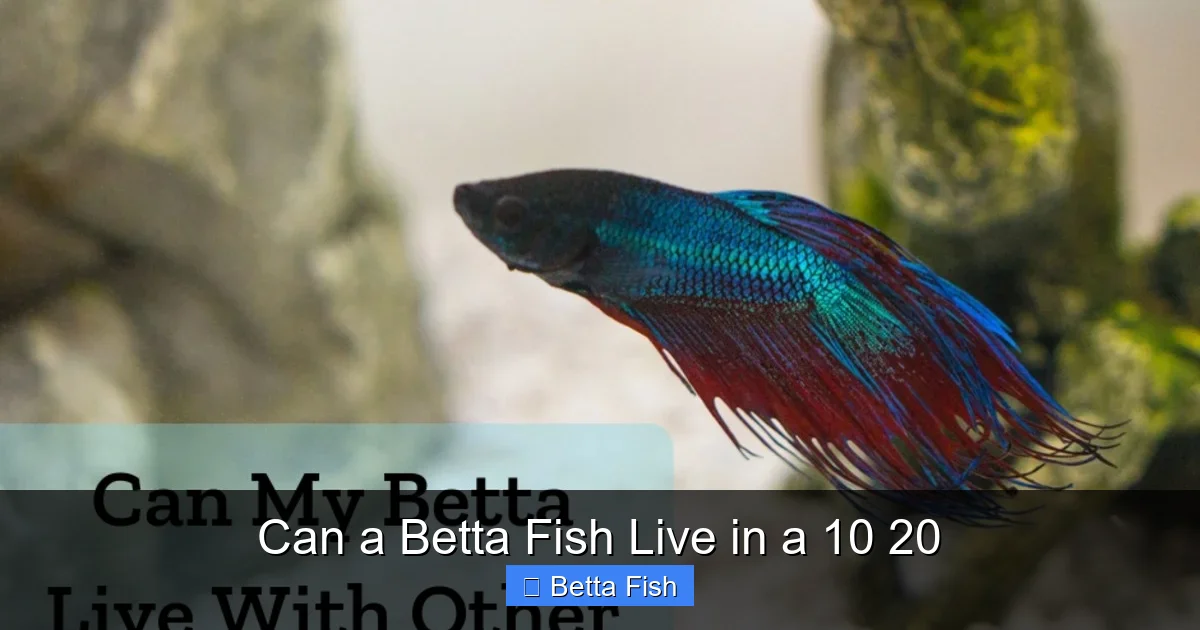
Many beginners read that a betta only needs a 2‑gallon bowl. That myth stems from the fish’s ability to breathe surface air with its labyrinth organ. However, “minimum” does not equal “ideal.” A larger volume dilutes waste, stabilizes temperature, and offers more swimming room.
Visual guide about Can a Betta Fish Live in a 10 20
Image source: images.saymedia-content.com
Why 10‑20 gallons is a good range
In a 10‑20 gallon tank the water temperature stays more constant, which means fewer temperature swings that stress the fish. The extra space also allows you to add live plants or gentle flow, both of which improve oxygen levels and reduce stress.
2. Setting Up the Tank: Essentials
Choosing the right filter
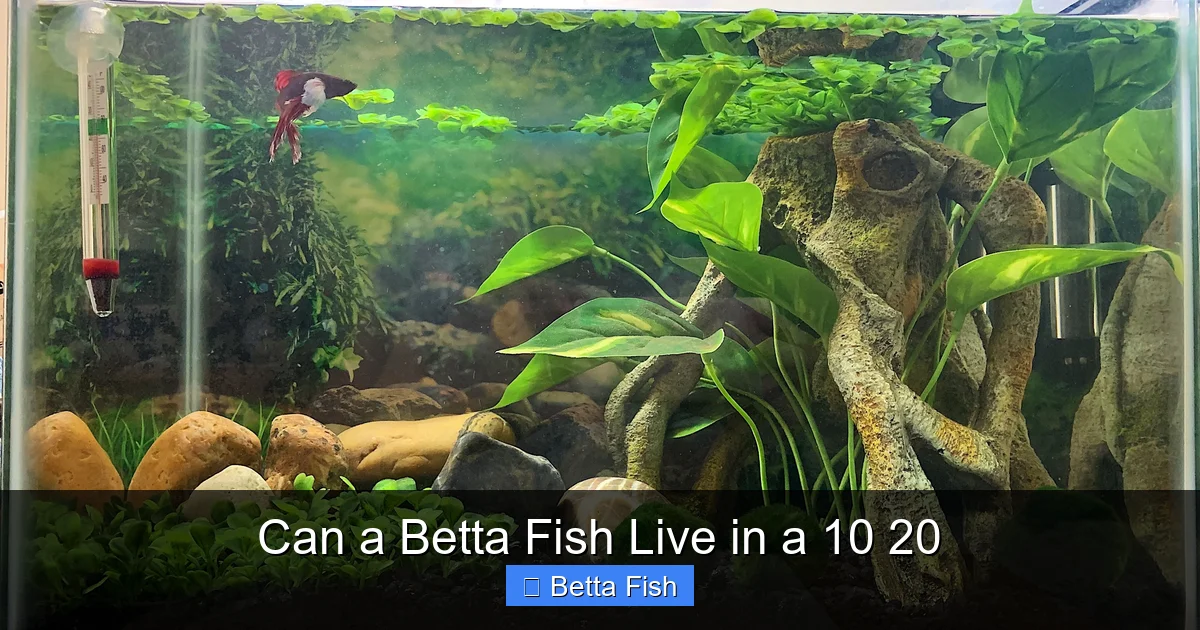
Betta fins are delicate, so you need a filter that provides gentle flow. A sponge filter or a low‑flow hang‑on‑back (HOB) filter works well. If you’re unsure, read our article on Can You Keep A Betta Fish In A Bowl for more on filtration basics.
Visual guide about Can a Betta Fish Live in a 10 20
Image source: i.pinimg.com
Heating and temperature control
Maintain a steady 76‑82°F (24‑28°C). A submersible heater with a thermostat is the safest choice. Check the temperature daily with a reliable aquarium thermometer.
Substrate and décor
Fine sand or smooth gravel (no sharp edges) protects fins. Add live plants like Java fern, Anubias, or moss; they provide hiding places and help absorb nitrates. If live plants are not an option, use silk “plants” instead of plastic ones that can tear fins.
3. Water Quality: The Heartbeat of a Healthy Betta
Cycle the tank before adding your fish
Never skip the nitrogen cycle. It usually takes 4‑6 weeks for beneficial bacteria to establish. Test the water for ammonia, nitrite, and nitrate levels using a liquid test kit.
Visual guide about Can a Betta Fish Live in a 10 20
Image source: worldanimalprotection.us
Weekly maintenance schedule
- Replace 25‑30% of the water each week.
- Vacuum the substrate to remove uneaten food and waste.
- Rinse filter media in tank water (not tap water) to preserve bacteria.
Using tap water safely
Most tap water contains chlorine or chloramine, which are lethal to fish. Use a water conditioner that neutralizes both. For more on safe tap water, see Can Betta Fish Live In Tap Water.
4. Choosing Tank Mates: Compatibility Matters
Who gets along with a betta?
In a 10‑20 gallon tank you have the option to keep peaceful community fish. Good choices include:
- Neon tetras (small, non‑aggressive, keep in a school of 6‑8).
- Cory catfish (bottom dwellers that stay out of the betta’s way).
- Snails like Nerite or Mystery (help clean algae).
Avoid fin‑nipping species like guppies or barbs. For a deeper dive into compatible species, read Which Fish Can Live With Betta Fish In A Tank.
Introducing new fish
Quarantine new arrivals for at least two weeks. When adding them to the main tank, use a divider or a slow acclimation method to reduce stress.
5. Common Mistakes and How to Avoid Them
Over‑feeding
Betta fry can eat their weight in food in a single sitting. Offer only what they can consume in 2‑3 minutes, once or twice a day. Over‑feeding leads to cloudy water and health problems.
Skipping water changes
Even with a filter, waste builds up. A 25‑30% weekly water change keeps ammonia low and colors bright.
Using harsh lighting
Betas prefer moderate lighting. Too bright can stress them and promote algae. Use a 10‑hour light cycle with a timer.
6. Monitoring Health and Longevity
Signs of a happy betta
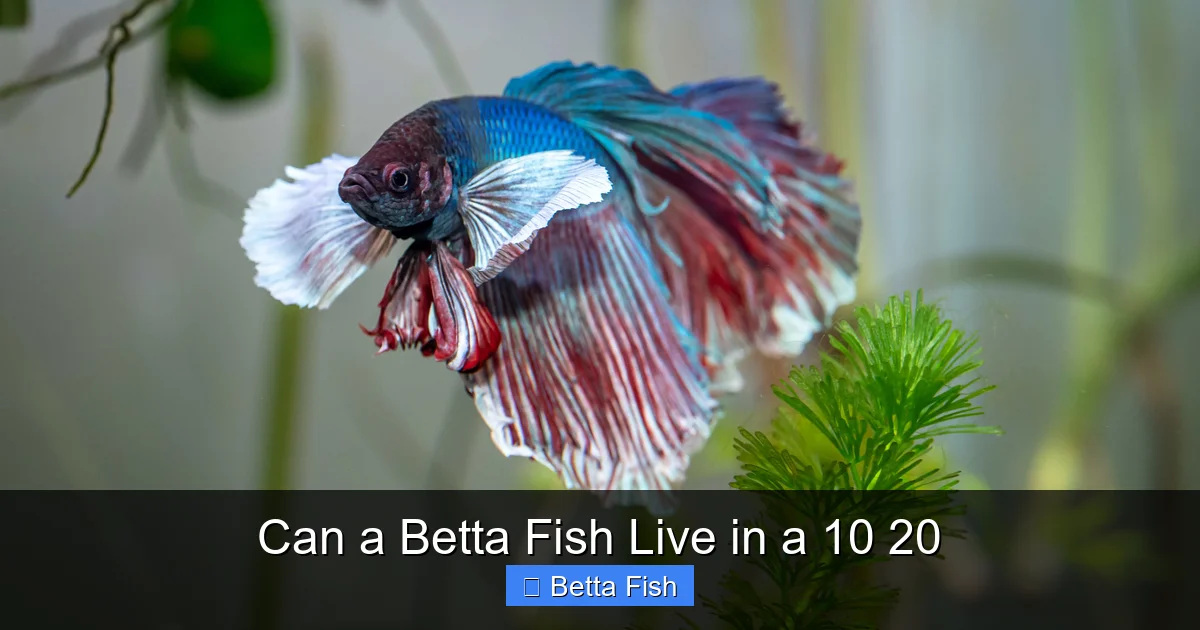
- Vibrant, full‑color fins.
- Active swimming and occasional surface breathing.
- Regular appetite.
Red flags
Watch for faded colors, torn or clamped fins, lethargy, or white spots (possible ich). Early detection leads to quicker treatment.
How long can a betta live?
With proper care, bettas often live 3‑5 years, and some reach 7 years. A stable 10‑20 gallon environment greatly contributes to that lifespan. Learn more about lifespan in our article How Long Can A Betta Fish Live.
Conclusion: A 10‑20 Gallon Tank Is a Great Home
Yes, a betta fish can absolutely live in a 10‑20 gallon tank, and most hobbyists will agree it’s one of the best setups for a healthy, vibrant fish. The larger volume gives you easier water management, room for live plants, and the possibility of peaceful tank mates. By following the steps above—cycling the tank, providing gentle filtration, maintaining temperature, and performing regular water changes—you’ll create a thriving mini‑ecosystem where your betta can show off its brilliant colors for years to come.
Frequently Asked Questions
Is a 10‑gallon tank better than a 2‑gallon bowl?
Yes. A larger tank offers more stable water parameters, better temperature control, and space for plants, all of which reduce stress and improve health.
Can I keep a betta with a single goldfish?
No. Goldfish produce a lot of waste and are much larger, which can out‑compete a betta for oxygen and space.
Do bettas need a heater in a 10‑20 gallon tank?
Yes. Bettas are tropical and require water between 76‑82°F. A reliable heater with a thermostat is essential.
How often should I change the water?
Replace 25‑30% of the water weekly. This keeps ammonia low and maintains clear, healthy water.
Can I add live plants to a betta tank?
Absolutely. Live plants improve water quality, provide hiding spots, and make the environment more natural for your betta.
What is the best filter for a betta tank?
A sponge filter or low‑flow hang‑on‑back filter works well. It provides biological filtration without creating strong currents that can stress the betta.

