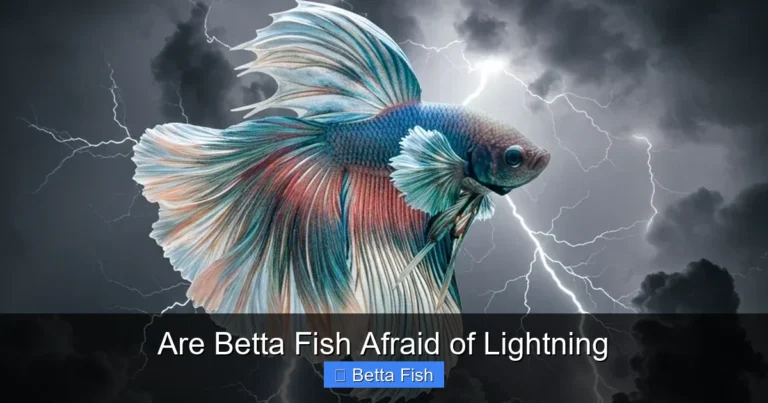
Which Fish Can Stay with Betta Fish
Betta fish can share a tank, but only with the right companions. Choose peaceful, similarly sized species, provide plenty of hiding spots, and monitor behavior daily. This guide shows you exactly which fish can stay with betta fish and how to create a harmonious community.
Key Takeaways
- Peaceful tank mates are essential: Small, non‑aggressive fish are the best companions for bettas.
- Tank size matters: A minimum of 10‑20 gallons gives enough space for territories.
- Water parameters must match: Keep temperature, pH, and hardness consistent for all species.
- Provide plenty of plants and décor: Hiding places reduce stress and aggression.
- Monitor daily: Early signs of fin‑nipping or stress should be addressed immediately.
- Male bettas are more territorial: Female‑only groups or a single male are safer choices.
- Some species are “no‑go”: Goldfish, large cichlids, and fast‑moving schoolers often end poorly.
📑 Table of Contents
- Introduction: The Betta’s Personality and the Community Dream
- Understanding Betta Behavior
- Key Factors for Choosing Tank Mates
- Top Fish Species That Can Stay with Betta Fish
- Species to Avoid: Common Mistakes
- Setting Up the Perfect Community Tank
- Real‑World Example: A 20‑Gallon Community Tank
- Frequently Overlooked Tips
- Conclusion: Creating a Peaceful Betta Community
Introduction: The Betta’s Personality and the Community Dream
If you’ve ever watched a betta fish flare its brilliant fins, you know these little champions have big personalities. Originating from the rice paddies of Southeast Asia, bettas are built for survival—bold, territorial, and sometimes a little moody. This makes them wonderful focal points in a home aquarium, but it also raises a common question: which fish can stay with betta fish without turning the tank into a battlefield?
Many beginners think a betta must live alone, and while that’s a safe bet, it isn’t the only option. With the right tank size, water conditions, and compatible companions, you can enjoy a lively community tank that showcases the betta’s colors alongside other peaceful species. In this article we’ll walk through the science of compatibility, list the top fish that get along, and share practical set‑up tips to keep everyone happy.
Understanding Betta Behavior
Territorial instincts
Bettas are naturally defensive. In the wild they guard small territories in shallow, vegetated waters. In a confined aquarium, a single male will often defend the entire space, especially if it feels cramped. This is why tank size and décor are critical.
Gender differences
Male bettas are more aggressive toward other males and even some similarly colored species. Female bettas can be kept in groups called “sororities,” but they still need enough room to avoid constant fighting. Knowing whether your betta is male or female will shape your stocking plan.
Water preferences
Most bettas thrive in warm water (78‑82 °F), slightly acidic to neutral pH (6.5‑7.5), and soft to medium hardness. Any potential tank mate must share these preferences, otherwise you’ll be fighting a losing battle against stress and disease.
Key Factors for Choosing Tank Mates
Size and swim level
Small, slow‑moving fish are less likely to trigger a betta’s chase response. Aim for species that stay near the bottom or mid‑level, leaving the top of the tank for the betta to display its fins.
Temperament
Peaceful, non‑aggressive fish are a must. Avoid fin‑nippers, overly active schoolers, or any fish that might dart around the betta’s space.
Tank capacity
A 10‑gallon tank is the absolute minimum for a betta plus one or two small companions. Larger tanks (20 gallons or more) allow more species and give each fish a defined territory.
Decoration and plants
Live plants, driftwood, and caves create visual barriers. These hideouts let a betta retreat if it feels threatened and give other fish safe zones to explore.
Top Fish Species That Can Stay with Betta Fish
Below are proven community members that often coexist peacefully with bettas. Each entry includes ideal tank size, temperament notes, and care tips.
1. Neon Tetra (Paracheirodon innesi)
- Tank size: 10‑20 gallons
- Temperament: Peaceful, schooling
- Why they work: Their tiny size and slow swimming make them invisible to most bettas. Keep them in a small school of 6‑8 to reduce stress.
- Tip: Provide dense planting at the bottom; neon tetras love it and it hides them from the betta’s line of sight.
2. Ember Tetra (Hyphessobrycon amandae)
- Tank size: 5‑10 gallons (minimum 10 gallons with a betta)
- Temperament: Very calm, small school
- Why they work: Their bright orange hue complements a betta without provoking aggression.
- Tip: Keep them in groups of 6‑10; the more they school, the less likely a betta will bother them.
3. Corydoras Catfish (Corydoras spp.)
- Tank size: 15‑20 gallons
- Temperament: Bottom‑dwelling, gentle
- Why they work: They stay at the substrate, far from a betta’s vertical territory.
- Tip: Offer soft sand and hideouts; Corys love to sift through the substrate.
4. Harlequin Rasbora (Trigonostigma heteromorpha)
- Tank size: 10‑15 gallons
- Temperament: Calm, mid‑level swimmer
- Why they work: Their peaceful nature and moderate speed keep them out of the betta’s direct line.
- Tip: A group of at least six creates a shimmering backdrop that distracts the betta.
5. Kuhli Loach (Pangio kuhlii)
- Tank size: 20‑30 gallons
- Temperament: Nocturnal, bottom dweller
- Why they work: They hide under rocks and plants, rarely interacting with the betta.
- Tip: Provide plenty of hiding tubes; Kuhli loaches love tight spaces.
6. Dwarf Gourami (Trichogaster lalius)
- Tank size: 20‑30 gallons
- Temperament: Semi‑aggressive but can coexist with a calm betta
- Why they work: If the betta is female or a calm male, a dwarf gourami can share the top half of the tank.
- Tip: Keep only one gourami per tank to avoid intra‑species aggression.
7. Snails (Nerite or Mystery)
- Tank size: Any size with a betta
- Temperament: Non‑aggressive, excellent algae eaters
- Why they work: Snails are too slow to bother a betta and add cleaning benefits.
- Tip: Avoid overly active snail species that might escape the tank.
8. Shrimp (Cherry or Ghost)
- Tank size: 10‑20 gallons
- Temperament: Peaceful, scavengers
- Why they work: Small, slow, and usually ignored by a non‑aggressive betta.
- Tip: Provide plenty of plants for shrimp to hide; they’ll be less visible to a curious betta.
Species to Avoid: Common Mistakes
Goldfish
Goldfish produce a lot of waste and prefer cooler water (65‑75 °F). Their size and active swimming can stress a betta, and the temperature mismatch is a deal‑breaker. For more on this, see Can A Goldfish Live With A Betta Fish.
Fin‑Nippers (Guppies, Endlers, Tiger Barbs)
These fish have bright tails that can trigger a betta’s defensive instincts, leading to fin‑nipping on both sides.
Large Cichlids
Even dwarf cichlids can be territorial and may see a betta as a rival. Their size and aggression are too much for a small community tank.
Fast‑Swim Schoolers (Danios, Rasboras that are too active)
High‑energy swimmers can stress a betta by constantly moving through its space, prompting chase behavior.
Setting Up the Perfect Community Tank
Step 1: Choose the Right Aquarium
Start with at least a 10‑gallon tank for a single betta and one small companion. If you plan to keep multiple species, a 20‑gallon tank gives each fish room to claim a niche.
Step 2: Cycle the Tank Properly
Never add fish to an uncycled tank. Run the filter for 4‑6 weeks, test ammonia, nitrite, and nitrate levels, and only then introduce your betta and tank mates.
Step 3: Decorate with Purpose
- Use live plants like Java fern, Anubias, and Vallisneria to break lines of sight.
- Add driftwood and smooth rocks for caves.
- Place a floating leaf or lily pad for surface coverage; bettas love to rest near the top.
Step 4: Maintain Consistent Water Parameters
Keep temperature at 78‑80 °F, pH 6.8‑7.2, and hardness 4‑8 dGH. Use a heater and a reliable thermometer; sudden changes will stress all inhabitants.
Step 5: Introduce Fish Gradually
Start with the betta, let it settle for a week, then add the first peaceful species. Observe for 24‑48 hours before adding another. This stepwise approach reduces surprise aggression.
Step 6: Monitor and Adjust
Watch for signs of stress: faded colors, clamped fins, or frayed fins on any fish. If aggression appears, be ready to re‑home the offending fish or provide additional hiding spots.
Real‑World Example: A 20‑Gallon Community Tank
Imagine a 20‑gallon long tank set up with a gentle slope of fine sand, a dense forest of Java moss, and a few driftwood roots. The water is heated to 79 °F, pH 7.0, and a quiet hang‑on filter circulates the water.
Stocking:
- One male betta (centered near a tall plant)
- Six ember tetras (mid‑level, near the back)
- Four dwarf corydoras (bottom, under a rock cave)
- Two nerite snails (clinging to glass)
- Three cherry shrimp (hiding among moss)
After a two‑week acclimation period, the betta shows normal flare behavior but ignores the tetras and shrimp. The corydoras sift the sand, keeping it clean, while the snails eat algae. No fin‑nipping occurs, and the community thrives.
Frequently Overlooked Tips
Use a Divider for Initial Introductions
A clear acrylic divider lets you watch interactions without risk. If the betta remains calm for 48 hours, you can safely remove the barrier.
Feed a Varied Diet
High‑quality betta pellets, frozen brine shrimp for the betta, and micro‑pellets for tetras keep all fish healthy and less likely to compete aggressively for food.
Consider a “Betta‑Only” Night
Turn off the main light for a couple of hours each night. A dim environment reduces visual triggers that can cause a betta to flare unnecessarily.
Conclusion: Creating a Peaceful Betta Community
Answering the question which fish can stay with betta fish isn’t about forcing every fish to coexist; it’s about matching temperament, size, and environment. By choosing small, peaceful species like neon tetras, ember tetras, corydoras, and even snails or shrimp, you can build a vibrant tank that showcases the betta’s beauty without constant conflict.
Remember to start with a properly cycled, adequately sized aquarium, provide plenty of hiding places, and monitor behavior daily. When you see the betta calmly gliding past a school of tetras or a shy shrimp, you’ll know you’ve created a harmonious underwater community.
Ready to dive deeper? Check out our guide on which other fish can live with betta for more species ideas, and explore can you have shrimp with betta fish for in‑depth shrimp compatibility tips.
Frequently Asked Questions
Can I keep a male betta with other fish?
Yes, but only if you choose very peaceful, small species and provide a tank of at least 10‑20 gallons. Male bettas are territorial, so avoid other aggressive or similarly colored fish.
Are female bettas better for community tanks?
Female bettas are generally less aggressive than males, making them a slightly easier fit for community setups. They can also be kept in small “sorority” groups if the tank is large enough.
What is the smallest tank size for a betta and a few companions?
A 10‑gallon tank is the minimum for a betta plus one or two tiny fish like neon tetras. Larger tanks (20 gallons or more) allow more species and reduce territorial stress.
Will snails harm my betta?
No. Snails are too slow to bother a betta and actually help keep the tank clean by eating algae and leftover food.
Can bettas live with shrimp?
Yes, many bettas ignore shrimp, especially larger or well‑hidden varieties like cherry shrimp. Provide plenty of plants for the shrimp to hide.
What should I do if my betta starts fin‑nipping?
Immediately remove the aggressor or the victim to a separate quarantine tank, check water parameters, add more hiding spots, and consider re‑stocking with more compatible species.