
How Betta Fish Eggs Look Like
Betta fish eggs are tiny, translucent pearls that cling to surfaces like plant leaves or spawning mops. Knowing their size, color changes, and where they’re laid helps you nurture healthy fry and enjoy the miracle of betta breeding.
Key Takeaways
- Size and shape: Betta eggs are about 1 mm long, round‑oval, and look like tiny beads.
- Color progression: Fresh eggs are milky‑white, turning golden‑yellow as embryos develop.
- Typical spawning sites: Eggs stick to plants, spawning mops, or the tank glass near the water surface.
- Incubation time: At 78‑80 °F (25‑27 °C) they hatch in 24‑36 hours; cooler water slows development.
- Fry care basics: Remove parents after spawning, provide fine‑sifted food, and keep water pristine.
- Visual cues of healthy eggs: Uniform color, no fungal growth, and steady development.
- Common problems: Fungus, predation, or poor water quality can kill eggs quickly.
📑 Table of Contents
Introduction: The Magic of Betta Breeding
There’s something truly special about watching a betta pair go through the whole breeding cycle. From the male’s flamboyant flaring to the careful placement of thousands of tiny eggs, it’s a front‑row seat to nature’s artistry. If you’ve ever wondered “what do betta fish eggs look like?” you’re not alone. New hobbyists often miss the subtle signs that tell them whether spawning is happening, and seasoned keepers know that spotting the eggs early can make the difference between a successful hatch and a sad loss.
In this friendly guide we’ll break down exactly how betta fish eggs appear, where they like to hide, and what you can do to give those delicate embryos the best start possible. Think of it as a chat over coffee with a fellow fish lover—simple language, clear examples, and plenty of practical tips.
1. The Appearance of Betta Eggs
Size and Shape
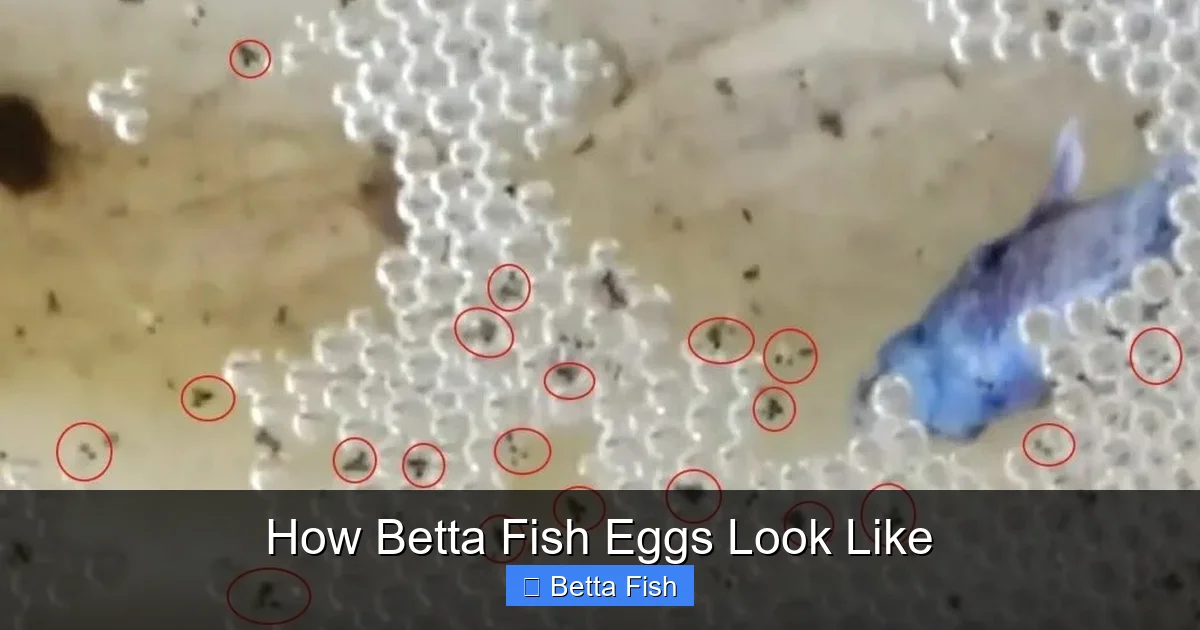
Betta eggs are incredibly small—about 1 mm in length, roughly the size of a pinhead. They’re round‑oval, smooth, and feel almost like a tiny grain of sand when you gently touch them with a soft brush.

Visual guide about How Betta Fish Eggs Look Like
Image source: assets.dnainfo.com
Color When First Laid
Right after the male releases them, the eggs appear milky‑white or slightly opaque. This “cloudy” look is due to the protective layer of egg‑white (albumen) that surrounds the embryo.
Color Changes During Development
- Day 1‑12 hours: Still milky, sometimes with a faint pinkish hue.
- Day 1‑24 hours: As the embryo forms, the egg turns a soft golden‑yellow.
- Day 2‑36 hours: You may see a tiny dark spot—this is the developing eye of the fry.
These color shifts are normal and signal healthy growth. If you notice a white fuzzy coating, that’s likely fungus, which we’ll cover later.
Texture and Consistency
Healthy eggs feel firm when you gently nudge them with a soft net or a pair of tweezers. A soft, squishy feel often means the embryo is dying or the egg has been damaged.
2. Where Betta Eggs Are Laid
Typical Spawning Sites
Male bettas are meticulous architects. They create a “nest” using bubbles and then attach eggs to any surface they deem safe. Common locations include:
Visual guide about How Betta Fish Eggs Look Like
Image source: theaquaadvisor.com
- Live or artificial plants (especially those with broad leaves).
- Spawning mops—a bundle of fine, absorbent fibers designed for egg attachment.
- The glass side of the tank, usually near the water surface.
- Floating objects like a piece of Styrofoam or a small piece of PVC pipe.
How to Encourage Good Egg Placement
Provide a dense planting of fine‑leafed plants or a high‑quality spawning mop. Position them a few inches below the water surface; bettas love to place eggs where they’re easily reachable but safe from water currents.
Internal Link Example
For more ideas on creating the perfect breeding environment, see our guide on how to set up a betta fish tank.
3. Monitoring Egg Development
Timeline Overview
| Time | What to Expect |
|---|---|
| 0‑12 hrs | Milky‑white, no visible embryos. |
| 12‑24 hrs | Eggs turn golden; tiny embryo outlines appear. |
| 24‑36 hrs | Eyes develop; hatching imminent. |
| 36‑48 hrs | Fry break the egg membrane and swim free. |
Signs of Healthy Development
Uniform color, steady golden hue, and the appearance of a small dark spot (the eye) are all good signs. Gently rolling an egg between your fingers (with a soft net) should not cause it to break.
Visual guide about How Betta Fish Eggs Look Like
Image source: medicoverhospitals.in
When Things Go Wrong
If you see fuzzy white growth, a dark discoloration, or eggs that remain milky for more than 24 hours, the embryos may be compromised. Fungus thrives in stagnant, warm water, so prompt action is needed.
4. Caring for the Eggs and Fry
Removing the Parents
Male bettas guard the eggs zealously, but once hatching begins they may eat the fry. It’s safest to move the egg clutch to a separate “hatch tank” after 24 hours.
Setting Up a Hatch Tank
- Use a small 2‑gal tank with a gentle filtration system (sponge filter).
- Maintain temperature at 78‑80 °F (25‑27 °C) – see our article on what temperatures do betta fish like for details.
- Keep water soft and slightly acidic (pH 6.5‑7.0).
- Add a few surface‑floating leaves or a piece of spawning mop for the fry to hide.
Feeding the Fry
Within 24 hours of hatching, fry will begin to absorb their yolk sac. After that, start offering infusoria or specially formulated liquid fry food two to three times a day. As they grow, graduate to microworms.
Water Maintenance
Perform 20‑30 % water changes daily during the first week. Use a gentle siphon to avoid sucking up the tiny fry.
5. Common Problems and How to Fix Them
Fungal Infections
Fungus appears as a white, cotton‑like coating on the egg surface. To treat:
- Increase water flow slightly to reduce stagnation.
- Add a few drops of antifungal medication (e.g., methylene blue) per manufacturer’s instructions.
- Remove any visibly infected eggs with a soft brush.
Predation by Other Fish
If you keep other tank mates, they may eat the eggs. The safest route is a dedicated breeding tank with no other fish.
Temperature Fluctuations
Cold spikes slow development and can cause embryos to die. Use a reliable aquarium heater and a thermometer to keep the water steady.
Internal Link Example
Need help diagnosing a sick fry? Check out what does a sick betta fish look like for symptom guides that also apply to early fry issues.
Conclusion: Enjoy the Journey
Watching betta fish eggs develop into wriggling fry is one of the most rewarding experiences in the hobby. By learning how betta fish eggs look like, where they like to hide, and what they need to thrive, you set yourself up for successful breeding seasons year after year. Remember to keep the water clean, maintain a stable temperature, and give the tiny embryos a safe space to grow. Before you know it, you’ll have a vibrant new generation of bettas to admire—and maybe even to pass on to other enthusiasts.
Frequently Asked Questions
What color are betta fish eggs when they are first laid?
Freshly laid betta eggs are milky‑white or slightly opaque, looking like tiny beads suspended in the water.
How long does it take for betta eggs to hatch?
At a temperature of 78‑80 °F (25‑27 °C) betta eggs typically hatch in 24‑36 hours. Cooler water can extend this period.
Can I keep the male betta with the eggs until they hatch?
Yes, the male will guard the clutch for the first day or so, but it’s best to move the eggs to a separate tank before the fry become free‑swimming to prevent predation.
What should I do if I see white fuzzy growth on the eggs?
That’s likely fungus. Increase water flow, perform a partial water change, and consider adding a few drops of antifungal medication such as methylene blue.
Do betta eggs need any special lighting?
Normal aquarium lighting is fine. Avoid intense direct light, as it can stress the male and affect egg development.
How can I tell if the eggs are developing properly?
Healthy eggs turn from milky‑white to a golden‑yellow hue, and you’ll see a tiny dark spot (the eye) forming after about 24 hours.