Betta fish can absolutely thrive with a filter, provided you pick a low‑flow model and maintain clean water. Using a filter improves oxygen, reduces waste, and makes daily care easier, while still keeping the gentle environment bettas love.
Key Takeaways
- Gentle flow is essential: Betta fish prefer slow currents; choose a sponge or hang‑on‑back filter with adjustable flow.
- Water quality improves dramatically: A filter removes ammonia, nitrite and keeps nitrate levels low.
- Filtration reduces maintenance time: Regular water changes become less frequent when a filter does the heavy lifting.
- Live plants and décor work together: Plants add natural filtration and help the betta feel safe.
- Size matters: A 5‑gal tank with a modest filter is ideal for a single adult betta.
- Backup options: If power outages are common, a battery‑operated air pump can keep water moving.
- Internal links for deeper reading: Check out related topics like Can Betta Fish Live In A Bowl Without Filter, Can You Have An Algae Eater With A Betta Fish, and Can You Have Other Fish With Betta Fish.
📑 Table of Contents
- Introduction: Why the Question Comes Up
- Understanding Betta Needs
- Types of Filters That Work for Betta Tanks
- Setting Up Your Filter: A Step‑by‑Step Guide
- Benefits of Using a Filter for Your Betta
- Common Concerns and How to Address Them
- When a Filter Might Not Be Necessary
- Choosing the Right Filter: Quick Comparison Chart
- Conclusion: A Happy Betta Starts with Clean Water
Introduction: Why the Question Comes Up
If you’ve ever watched a betta flare its gorgeous fins in a tiny bowl, you might wonder whether a filter would ruin the drama. Many beginners think that because bettas are “low‑maintenance,” they don’t need any equipment at all. The truth is a little more nuanced. A well‑chosen filter can keep the water crystal clear, boost oxygen levels, and create a healthier environment for your betta—without turning your aquarium into a raging river.
In this guide we’ll answer the core question, “can a betta fish have a filter?” We’ll explore the science behind filtration, break down the types of filters that work best, and give you step‑by‑step tips for a smooth setup. By the end, you’ll feel confident that a filter is not only safe for your betta but actually a smart addition to any betta‑friendly tank.
Understanding Betta Needs
Natural habitat and water flow
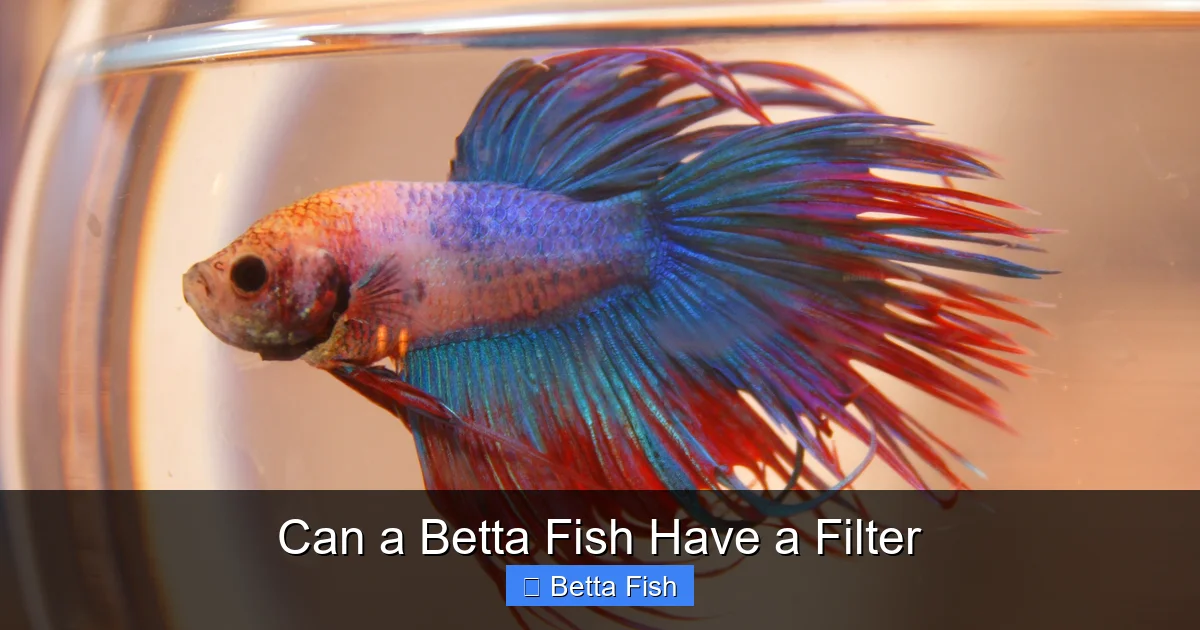
Betta splendens come from the shallow, slow‑moving waters of Thailand’s rice paddies and jungle streams. Those habitats have warm, stagnant water with plenty of surface vegetation. In the wild, the fish are used to low current and rely on surface breathing to get oxygen.
Visual guide about Can a Betta Fish Have a Filter
Image source: fishkeepingadvice.com
Why water quality matters
Even in a calm pond, waste builds up. Ammonia from fish waste and uneaten food spikes quickly and can become toxic within hours. In a tiny bowl, there is no filtration, so owners must perform frequent water changes—often 30 %–50 % daily. A filter takes on that heavy lifting, constantly removing harmful compounds and keeping the water stable.
Types of Filters That Work for Betta Tanks
Sponge filters
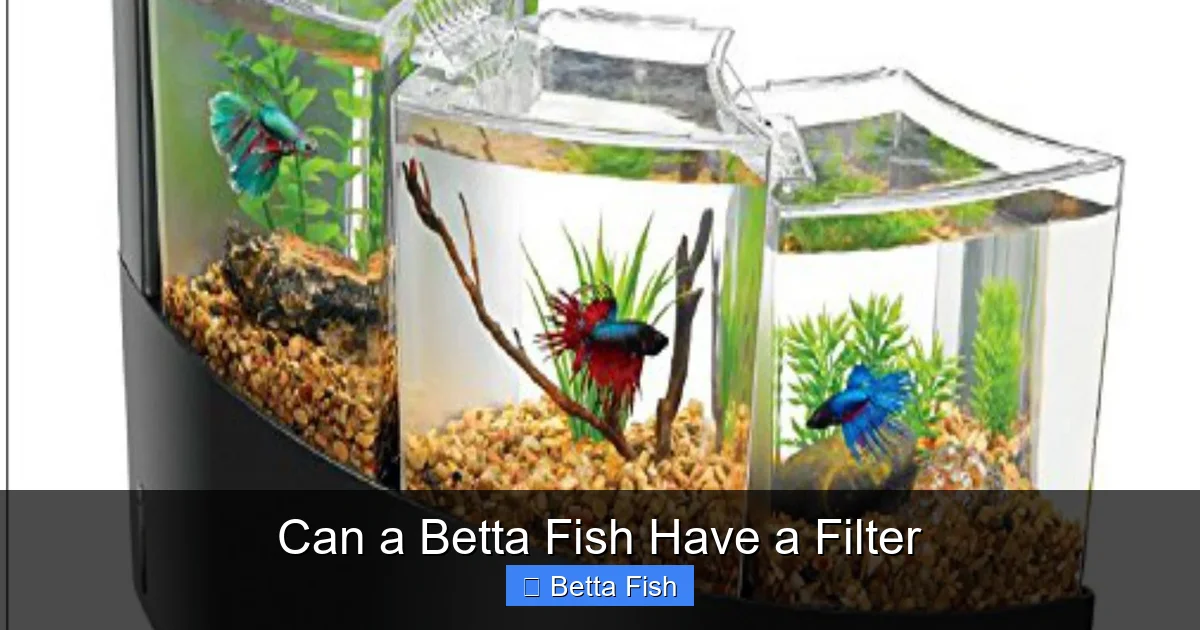
Sponge filters are the gold standard for betta owners who want gentle flow. The sponge acts as a mechanical barrier, trapping debris, while beneficial bacteria colonize the pores and turn ammonia into harmless nitrate.
Visual guide about Can a Betta Fish Have a Filter
Image source: i.pinimg.com
- Pros: Very low flow, inexpensive, provides biological filtration.
- Cons: May need a separate air pump for water movement.
Hang‑on‑back (HOB) filters
HOB filters sit on the tank’s rim and pull water up through a filter cartridge. Look for models with an adjustable flow dial. By setting the flow to the lowest setting, you can create a gentle cascade that a betta will tolerate.
- Pros: Easy to clean, good mechanical & biological filtration.
- Cons: Some models have too strong a current for a shy betta.
Internal power filters
These sit inside the tank, usually on the side or bottom. They are compact and many have a “low‑flow” option. Choose a filter rated for a tank no larger than twice the size of your betta’s tank (e.g., a 2‑gal filter for a 5‑gal tank).
- Pros: Discreet, can be hidden behind décor.
- Cons: May disturb plants if placed too close.
Can a betta fish have a filter? Yes—if you pick wisely.
The short answer is a resounding “yes.” The key is to match the filter’s flow rate to the betta’s preference and to provide plenty of hiding spots. A gentle sponge filter or a HOB with flow reduced to a trickle works perfectly.
Setting Up Your Filter: A Step‑by‑Step Guide
1. Choose the right size tank
Before you even buy a filter, make sure your tank is at least 5 gallons. A larger water volume dilutes waste and gives your betta room to explore. It also allows you to use a slightly larger filter without creating a strong current.
Visual guide about Can a Betta Fish Have a Filter
Image source: ntlabs.co.uk
2. Pick a low‑flow filter
Read the product label for “gph” (gallons per hour). Aim for a flow rate of 1‑2 gph per gallon of water, or about 5‑10 gph for a 5‑gal tank. Many sponge filters run at 2‑4 gph, which is ideal.
3. Install and adjust flow
Follow the manufacturer’s instructions to attach the filter. If it has an adjustable knob, start at the lowest setting. Place a small piece of PVC pipe or a flow‑restrictor inside the outlet to further soften the stream.
4. Add live plants and décor
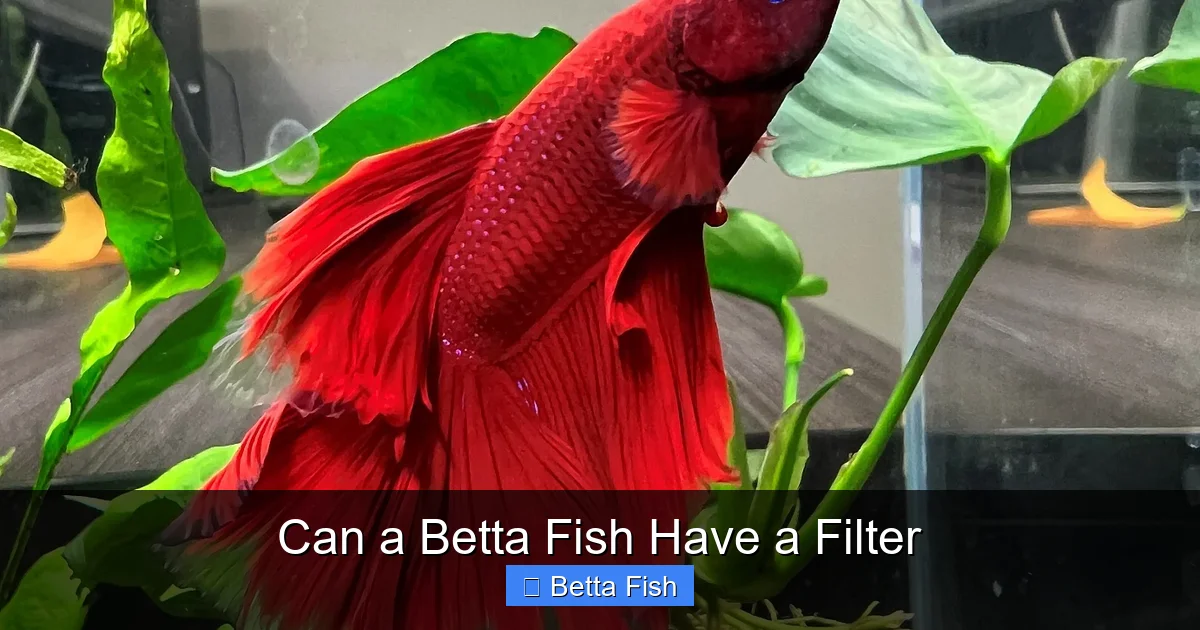
Plants such as Java fern, Anubias, and Marimo moss act as natural filters and give your betta places to rest. Use driftwood, caves, or silk plants to break up water movement and create calm corners.
5. Cycle the tank before adding the betta
Even with a filter, you need to establish a healthy bacterial colony. Run the filter for at least 2‑3 weeks, testing ammonia and nitrite levels. Once they read zero, you’re ready to introduce your betta.
Benefits of Using a Filter for Your Betta
Improved oxygenation
Even though bettas can gulp air from the surface, a modest flow keeps water moving, increasing dissolved oxygen. This leads to brighter colors and more active behavior.
Cleaner water, less frequent changes
With a filter handling the bulk of waste, you can reduce water changes to once a week (or even every 10‑14 days) while still maintaining pristine conditions.
Healthier fish
Stable water parameters mean fewer stress‑related illnesses like fin rot or velvet. A healthy betta lives longer—often 3‑5 years compared to the 1‑2 year average in poorly maintained bowls.
Common Concerns and How to Address Them
“My betta will get stressed by the current.”
Start with the flow off, then gradually increase it over several days. Observe your betta’s behavior—if it clings to the bottom or hides constantly, lower the flow further. Adding more plants or decorations can create calm “dead zones” where the betta can rest.
“Filters are noisy and will scare my fish.”
Most modern filters are quiet. If you hear a hum, check for air bubbles in the tubing or tighten the filter housing. Placing the filter on a soft mat can also dampen vibrations.
“I’m worried about the filter clogging.”
Cleaning a sponge filter is simple—rinse it in old tank water during water changes. For HOB filters, replace the cartridge every 4‑6 weeks or when flow drops noticeably.
When a Filter Might Not Be Necessary
In ultra‑small setups (under 2 gallons) or temporary quarantine tanks, a filter can be overkill. In those cases, rigorous daily water changes and a small air stone for surface agitation are sufficient. However, for any long‑term home aquarium, especially those larger than 2 gallons, a filter is highly recommended. For more on living without a filter, see our article Can My Betta Fish Live Without A Filter.
Choosing the Right Filter: Quick Comparison Chart
| Filter Type | Flow Range (gph) | Best Tank Size | Pros | Cons |
|---|---|---|---|---|
| Sponge Filter | 2‑4 | 2‑10 gal | Very gentle, excellent bio‑filtration | Needs air pump |
| Hang‑on‑Back | 5‑10 (adjustable) | 5‑20 gal | Easy to clean, visible | May be too strong if not adjusted |
| Internal Power | 4‑12 | 5‑15 gal | Compact, hidden | Can disturb décor |
Conclusion: A Happy Betta Starts with Clean Water
So, can a betta fish have a filter? Absolutely—provided you select a low‑flow model, size it correctly, and create a calm environment with plenty of hiding spots. The benefits—better oxygen, stable water parameters, and less time scrubbing—far outweigh the myth that filters “ruin” a betta’s natural behavior. With a little care, your betta will flourish, showing off its brilliant colors and playful personality for years to come.
Frequently Asked Questions
Can a betta fish survive without a filter?
Yes, but you will need to perform frequent water changes (often 30‑50 % daily) to keep ammonia and nitrite levels safe.
What is the best type of filter for a betta?
A sponge filter or a hang‑on‑back filter with the flow set to the lowest setting works best because it provides gentle water movement.
How often should I clean the filter?
Rinse the sponge or replace the cartridge every 4‑6 weeks, or whenever you notice a drop in flow.
Will a filter affect my betta’s breeding?
No. As long as the flow is gentle and there are plenty of plants or caves for the fry to hide, a filter will not hinder breeding.
Can I use a filter with a betta and other fish?
Yes. A low‑flow filter can support a community tank; just ensure the other species are compatible and the water flow remains mild.
Do I need a heater if I have a filter?
Yes. Betta fish require stable temperatures (78‑80 °F). A heater maintains temperature, while the filter maintains water quality.

