Can a Betta Fish Go a Day Without Food
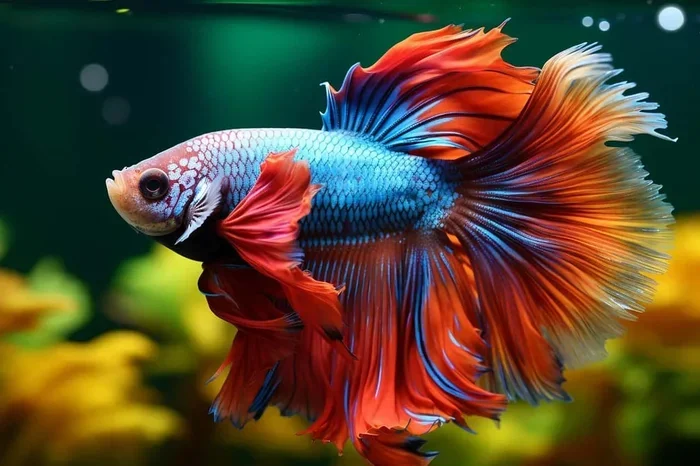
Yes, a betta fish can go a day without food — in fact, skipping a meal occasionally is perfectly healthy and can even benefit your fish’s digestion and overall well-being. Betta fish are built to survive short periods without eating, thanks to their natural habitat where food isn’t always readily available. Understanding this helps you avoid overfeeding, which is one of the most common mistakes betta fish owners make.
Key Takeaways
- Betta fish can easily survive a full day without food with no health risks.
- Skipping one meal occasionally benefits digestive health and helps prevent overfeeding issues.
- Never skip feeding for more than three days or serious health complications may arise.
- Feed your betta small portions twice daily for optimal nutrition and sustained energy.
- Watch for lethargy and warning signs if your betta misses meals for extended periods.
- Use an automatic feeder when traveling to maintain a consistent feeding schedule for your betta.
📑 Table of Contents
- SEO Title: Can a Betta Fish Go a Day Without Food? Here’s the Truth
- Introduction
- Why Can a Betta Fish Go a Day Without Food?
- How Does Going a Day Without Food Affect Your Betta Fish?
- Factors That Determine If Your Betta Can Skip a Day
- What to Do When You Need to Skip Feeding Your Betta
- Common Mistakes Betta Owners Make With Feeding
- Long-Term Feeding Tips for a Healthy Betta Fish
- Key Takeaways
SEO Title: Can a Betta Fish Go a Day Without Food? Here’s the Truth
Meta Title: Can a Betta Fish Go a Day Without Food? What You Need to Know
Meta Description: Find out if your betta fish can go a day without food. Learn about betta fish fasting, feeding schedules, and simple tips to keep your pet healthy and happy.
URL Slug: can-a-betta-fish-go-a-day-without-food
Can a betta fish go a day without food? Yes, a healthy betta fish can easily go a day without food and come out just fine. These hardy little creatures have evolved to handle short periods of fasting in the wild. But just because they can survive doesn’t mean it’s always a good idea. Understanding your betta’s metabolism and digestive system is key to keeping them in top shape. In this guide, you’ll learn exactly what happens when your betta skips a meal, when it becomes a concern, and how to build a smart feeding schedule that keeps your fish thriving. Whether you’re a new betta owner or a seasoned hobbyist, this article has the answers you need.
Introduction
If you’ve ever wondered whether it’s safe to let your betta skip a meal, you’re not alone. Plenty of fish owners face this question, especially when life gets busy or they’re heading out for the weekend. The good news is that a single day without food won’t harm your betta in most cases. But the full picture is more nuanced than a simple yes or no. Your betta’s age, health, and tank conditions all play a role. Let’s dig deeper into what really goes on when your betta fish goes a day without food.
Feeding your betta properly is one of the most important parts of betta fish care. It affects their energy, color, immune system, and even their lifespan. So let’s break down everything you need to know about skipping meals and keeping your finned friend healthy.
Why Can a Betta Fish Go a Day Without Food?
Bettas are naturally built to handle food scarcity. In the wild, they live in shallow rice paddies and stagnant ponds in Southeast Asia. Food isn’t always available. These conditions shaped their metabolism and body over thousands of years. Today’s pet bettas still carry those same survival instincts.
When you ask the question can a betta fish go a day without food, the answer comes down to biology. Bettas have a relatively slow metabolism compared to mammals. They don’t burn through energy the same way a dog or cat would. Their bodies can store nutrients and use them gradually over time. For a healthy adult betta, going 24 hours without eating is well within their comfort zone. You can learn more about this in our detailed article on can a betta fish go one day without food.
Here are some reasons bettas handle short fasting periods so well:
- Slow metabolism: Bettas burn energy at a steady, manageable pace. This helps them survive between meals in the wild.
- Flexible digestive system: Their stomachs can expand and contract. This lets them eat larger amounts when food is available and go longer between feedings.
- Natural feeding patterns: In the wild, bettas don’t eat every single day. They graze and hunt when they can. Skipping a day mimics their natural rhythm.
- Energy reserves: Bettas store fat and nutrients in their bodies. These reserves fuel them through short fasting windows.
The Difference Between Wild and Captive Bettas
Wild bettas face unpredictable food sources. Some days are feasts, and some days are famines. Captive bettas, on the other hand, get fed on a regular schedule. This means they’re used to having food available daily. Still, their biology hasn’t changed much. A captive betta can still handle a missed meal without any real issue. The key is making sure that skipped feeding doesn’t become a habit.
How Does Going a Day Without Food Affect Your Betta Fish?
Most of the time, skipping one meal does absolutely nothing harmful. Your betta will likely swim around normally, show their usual colors, and act just fine. But what happens beneath the surface? Let’s look at the effects more closely. For a deeper dive into this topic, check out our guide on how long can a betta fish go without food.
Short-Term Effects
Within the first few hours of skipping a meal, your betta won’t show any obvious changes. Their blood sugar stays stable. Their energy levels remain consistent. By the end of the day, they may swim a bit slower or seem slightly less interested in exploring. But these are minor and completely normal shifts. A healthy betta can handle this without any stress at all.
Long-Term Effects of Regular Fasting
If you make skipping meals a regular thing, that’s where problems can start. Over weeks and months, underfeeding can lead to:
- Weight loss: Your betta may become thin and frail. Their body condition will decline over time.
- Weakened immune system: Poor nutrition makes it harder for your betta to fight off diseases like fin rot and ich.
- Dull coloration: Betta fish get their vibrant colors from a balanced diet. Without proper nutrition, those colors can fade.
- Reduced growth: Young bettas need consistent nutrition to grow properly. Skipping meals can stunt their development.
- Behavioral changes: A hungry betta may become lethargic or more aggressive. They might also start begging at the tank glass constantly.
Signs That Your Betta Is Hungry
Some betta owners worry they might miss the signs of hunger. Here are common behaviors that suggest your fish is ready for a meal:
- Swimming near the surface or bottom where you usually feed
- Scooping movements at the water’s surface
- Increased activity or pacing near the feeding spot
- Settling at the bottom of the tank (in some cases)
Keep in mind that these behaviors don’t always mean your betta is starving. They may just be anticipating food because they associate your presence with feeding time. Still, it’s a good idea to stick to a consistent schedule.
Factors That Determine If Your Betta Can Skip a Day
Not every betta handles fasting the same way. Several factors come into play when deciding whether your fish can safely skip a day of food. Let’s break them down so you can make the best decision for your specific pet.
Age and Life Stage
Age matters a lot. Here’s how different life stages handle going without food:
- Betta fry (babies): These tiny fish need food multiple times a day. They have very small stomachs and high energy needs. Skipping even one meal can be risky for fry.
- Juvenile bettas: Young fish still growing need regular meals. They can handle a missed meal occasionally but shouldn’t fast often.
- Adult bettas: Full-grown bettas handle fasting the best. A day without food is usually no big deal for a healthy adult.
- Senior bettas: Older fish may have weaker systems. While they can still skip a day, close monitoring is important.
Health Condition
A sick betta has different needs than a healthy one. Fish dealing with fin rot, infections, or parasites need consistent nutrition to recover. Fasting can slow healing and make things worse. If your betta is showing signs of illness, it’s better to offer small, easily digestible meals rather than skip feeding entirely.
Water Temperature and Tank Conditions
Water temperature directly affects your betta’s metabolism. Warmer water (around 78-80°F) keeps their metabolism active. Cooler water slows it down. During cooler periods, your betta may not need as much food. But this doesn’t mean you should let the tank get too cold. Proper water quality and temperature are essential for overall health.
| Factor | Can Skip 1 Day? | Notes |
|---|---|---|
| Healthy Adult Betta | Yes | Completely safe in most cases |
| Juvenile Betta | Occasionally | Not recommended as a regular practice |
| Betta Fry | No | Too young, needs frequent feeding |
| Sick or Weak Betta | No | Needs consistent nutrition to recover |
| Senior Betta | With caution | Monitor closely for any changes |
Previous Feeding History
If your betta has been overfed for weeks, a day without food can actually be a good reset. It gives their digestive system a break. But if your betta has been underfed already, skipping another meal could push them over the edge. Always consider what has been happening with their diet before deciding to fast them.
What to Do When You Need to Skip Feeding Your Betta
Sometimes skipping a meal is unavoidable. You’re traveling, you’re sick, or life just gets in the way. Here’s how to handle it without stressing your fish or your conscience.
Planning Ahead for Travel or Busy Days
Before you leave, consider these steps:
- Feed your betta a healthy meal right before you go
- Make sure the tank temperature is stable
- Check your filter and equipment to make sure everything runs smoothly
- Ask a friend or neighbor to feed your betta small portions if you’ll be gone more than a day
Some owners worry about overfeeding when they ask someone else to feed their fish. That’s a valid concern. Use a small pinch of food and make sure your betta finishes it within a couple of minutes. You can also use an automatic feeder for more precise portions.
Automatic Feeders: A Great Solution
An automatic feeder can be a lifesaver for busy betta owners. These devices release small amounts of food at set times. They’re especially useful for maintaining a consistent feeding schedule even when you’re not home. Just make sure to test the feeder before you rely on it. Some models can be unreliable, so always have a backup plan.
What NOT to Do When Skipping a Meal
There are a few things to avoid when you plan to skip feeding:
- Don’t overcompensate: When you feed again after a skip, don’t give a huge meal. Go back to your normal portion size.
- Don’t skip feed regularly: One day here and there is fine. Making it a weekly habit can lead to nutritional gaps.
- Don’t fast a betta fry: Baby bettas simply cannot go without food for a full day. Their tiny bodies need constant fuel.
Many experienced hobbyists recommend feeding your betta every other day rather than daily. This approach mimics natural feeding rhythms and gives their stomach time to process food properly. You can read more about this method in our article on can you feed a betta fish every other day.
Common Mistakes Betta Owners Make With Feeding
Feeding mistakes are among the top problems betta fish face. Most of these errors come from good intentions but poor execution. Let’s look at the most common ones and how to avoid them.
Overfeeding Your Betta
Overfeeding is the number one mistake new betta owners make. It’s easy to do because bettas always seem eager to eat. But giving them too much food leads to serious problems:
- Bloating: Betta stomachs are quite small. A single pinch of pellets is enough for one meal.
- Dirty water: Uneaten food decomposes and pollutes the tank. This spikes ammonia and nitrite levels.
- Swim bladder disorder: Overfeeding can cause this painful condition where your betta struggles to maintain buoyancy.
- Obesity: Just like in humans, excess weight shortens a betta’s lifespan and reduces their quality of life.
A good rule of thumb is to feed only what your betta can eat in two to three minutes. If there’s leftover food floating around, you gave too much.
Feeding the Wrong Food Types
Not all fish food is created equal. Many commercial foods contain fillers that offer little nutrition. Your betta needs a diet rich in protein and animal-based ingredients. Here are some good options:
- High-quality betta pellets: Look for brands with fish meal as the first ingredient.
- Freeze-dried bloodworms: A great treat that mimics their natural prey.
- Freeze-dried brine shrimp: Packed with protein and excellent for conditioning.
- Live foods (when available): Live brine shrimp or daphnia offer the most nutrition but carry a small risk of parasites.
Avoid feeding your betta goldfish food or generic tropical flakes. These don’t meet their specific nutritional needs. If you’re unsure about food choices, our article on can we feed a betta fish goldfish food covers this topic in detail.
Ignoring Your Betta’s Appetite
Some betta owners feed on a strict schedule without paying attention to what their fish actually wants. Bettas can be picky eaters at times. If your betta refuses food for more than two days, something might be wrong. Check the water temperature and quality first. Then consider whether the food type might not be appealing. Sometimes switching to a different brand or offering a live treat is all it takes to reignite their appetite.
Relying on Fasting as a Fix
Some owners think skipping meals will cure all health problems. While fasting can help with mild bloating or constipation, it’s not a cure-all. If your betta shows persistent symptoms like clamped fins, discoloration, or loss of appetite, take action beyond just skipping food. Treat the underlying issue with appropriate medication or water changes.
Long-Term Feeding Tips for a Healthy Betta Fish
Now that you know the answer to can a betta fish go a day without food, let’s talk about building a long-term plan that keeps your fish at their best. A smart feeding strategy covers more than just putting food in the tank every morning.
Create a Consistent Feeding Schedule
Consistency is the foundation of good betta nutrition. Here’s a sample weekly schedule that works well for most adult bettas:
- Monday, Wednesday, Friday: High-quality betta pellets (small pinch)
- Tuesday, Thursday: Freeze-dried bloodworms or brine shrimp (small pinch)
- Saturday: Mix of pellets and one or two bloodworms
- Sunday: Skip feeding or offer a very small snack (optional fasting day)
This schedule gives your betta variety, ensures proper nutrition, and includes a built-in fasting day. It’s simple, effective, and mirrors how bettas would eat in the wild with naturally occurring food cycles.
Portion Control Matters
How much you feed matters just as much as how often. A good portion for an adult betta is roughly equal to the size of their eye. That’s it. Two to three small pellets or one bloodworm per feeding is usually sufficient. If you’re using flakes, a tiny pinch is plenty. Remember that bettas have tiny stomachs roughly the size of their eye, so portion control is critical.
Monitor Your Betta’s Body Condition
Regularly check your betta’s physical appearance. A healthy betta should have:
- Smooth, flowing fins without tears or ragged edges
- Bright, vivid colors
- A rounded but not bloated body shape
- Active, curious behavior
- Clear, bright eyes
If you notice weight loss, faded colors, or lethargy, reassess your feeding routine. Sometimes a simple adjustment to the diet or schedule makes all the difference. Also, keep an eye on your betta fish tank conditions. Poor water quality can affect appetite and overall health even if feeding is on point.
Quick Tips for Busy Betta Owners
- Invest in an automatic feeder for peace of mind during busy days
- Prep food portions in advance using small containers
- Stick to a feeding time that fits your daily routine so your betta learns when to expect food
- Keep a feeding log if you tend to forget whether you’ve fed your fish
- When in doubt, skip feeding rather than overfeeding. Your betta will thank you for it
Expert Insight: What Veterinarians Want You to Know
Most aquatic veterinarians agree that betta fish thrive on a structured feeding routine with occasional variety. They emphasize the importance of high-quality protein sources and warn against the temptation to overfeed. Many experts also note that a healthy adult betta going one day without food is completely normal and shouldn’t cause alarm. The key is making sure those skipped meals don’t become a pattern of underfeeding. Your betta’s lifespan and quality of life depend on consistent, appropriate nutrition.
Key Takeaways
So, can a betta fish go a day without food? Absolutely yes, in most cases. A healthy adult betta handles short fasting periods without any real problems. Their natural biology supports it, and occasional fasting can even benefit their digestive system. But this doesn’t mean you should make skipping meals a habit. Your betta depends on you for balanced nutrition, clean water, and a stable environment. The best approach is a consistent feeding schedule with the right food portions, supplemented by occasional treats and the occasional rest day. Pay attention to your fish’s behavior, adjust as needed, and you’ll have a happy, healthy betta for years to come.
The next time you worry about missing a feeding session, remember this: your betta is tougher than you think. Give them quality food when you can, enjoy watching them eat, and don’t stress over the occasional skipped meal. Your betta will be just fine.
Frequently Asked Questions
Can a Betta Fish Go a Day Without Food?
Yes, a betta fish can easily go a day without food. In fact, skipping a feeding occasionally can even be beneficial for their digestive health. Most bettas can handle 24 hours without eating with no negative effects at all.
How Long Can a Betta Fish Go Without Eating?
A healthy adult betta fish can go without food for up to 10 to 14 days, though this is not recommended as a regular practice. Short periods of fasting, like 24 to 48 hours, are perfectly safe and can help prevent overfeeding issues. Younger bettas or those with health problems should not go as long without food.
Is It Safe to Skip Feeding My Betta Fish for a Day?
Absolutely, skipping one day of feeding is completely safe for your betta fish. Bettas are built to endure periods without food in the wild, so a single day won’t harm them. Just make sure to resume their normal feeding schedule the next day.
What Happens If You Don’t Feed a Betta Fish for a Day?
Nothing harmful will happen if your betta fish misses one meal. In fact, a day without food can give their digestive system a much-needed break. Your betta will simply be a little hungry at the next feeding time but will eat normally.
How Often Should You Feed a Betta Fish?
The ideal feeding schedule for a betta fish is once or twice a day, with small portions each time. Many experts recommend fasting your betta for one day a week to support healthy digestion. Overfeeding is a far bigger risk than underfeeding, so keeping meals small and infrequent is key.
Can You Leave a Betta Fish Alone for a Weekend Without Food?
Yes, a healthy betta fish can go without food for a weekend, which is roughly 48 to 72 hours. This short fasting period is safe and won’t cause any stress or health problems. If you plan longer trips, consider using an automatic feeder or asking someone to feed your betta in small amounts.