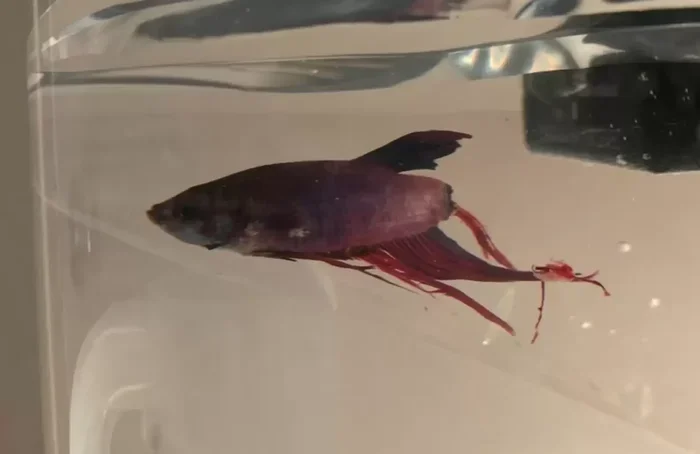
Are All Betta Fish Males

Are all betta fish males? The short answer is no — female betta fish absolutely exist, and they make up roughly half of the species. Many pet stores only display males because of their vibrant colors and long fins, which creates a widespread misconception. Understanding the real differences between male and female bettas helps you make better choices for your aquarium. This guide covers everything from physical traits to behavior and tank compatibility.
You walk into a pet store and see rows of bright, flowing-finned fish behind the glass. Every single one of them looks like a colorful warrior with long, dramatic fins. It is easy to assume that all betta fish are males. But here is the thing — that assumption is wrong. Female betta fish exist in large numbers, and they are just as fascinating as their male counterparts. Once you learn how to tell them apart, you will never look at a betta the same way again.
The idea that all bettas are male comes from how the pet industry markets them. Stores stock males because their colors pop and their fins flow beautifully. Females tend to be smaller and less colorful, so they get overlooked. This does not mean females are any less important or interesting. In fact, knowing the difference between male and female bettas opens up a whole new world of aquarium planning. You will understand their behavior better, choose the right tank mates, and even set up breeding tanks if that interests you.
Key Takeaways
- Not all betta fish are males: Female bettas exist and are increasingly popular in home aquariums.
- Physical differences are easy to spot: Males have longer fins, brighter colors, and a more streamlined body shape.
- Behavior varies by gender: Males are more aggressive and build bubble nests, while females can also show territorial behavior.
- Keeping males and females together is possible: With the right setup, you can house both genders safely.
- Pet store bias skews perception: Most stores stock males, which makes people think all bettas are male.
- Gender matters for tank setup: Knowing your betta’s gender helps you choose proper tank mates and care routines.
📑 Table of Contents
- What Does “Are All Betta Fish Males” Really Mean?
- How to Tell Male and Female Betta Fish Apart
- Male Betta Fish: Traits and Care
- Female Betta Fish: The Hidden Gems
- Can Male and Female Betta Fish Live Together?
- Common Myths About Betta Fish Gender
- Why Understanding Betta Fish Gender Matters
- Quick Tips for Identifying Your Betta’s Gender
- Final Thoughts
What Does “Are All Betta Fish Males” Really Mean?
When people ask whether all betta fish are males, they are usually reacting to what they see in stores. The bright blue, green, and red fish with long tail fins are almost always male. But the species itself includes both genders. Betta fish gender is a real thing, and understanding it starts with knowing what each sex looks like and how it behaves.
The scientific name for the common betta is Betta splendens. Both males and females belong to this species. They share the same basic body structure, but they differ in size, color, fin length, and behavior. These differences are not subtle once you know what to look for. Let us break them down so you can confidently identify any betta you encounter.
Why the Confusion Exists
Pet stores have a reason for stocking mostly males. Bright colors and long fins sell. A male betta with flowing fins and vivid hues catches your eye instantly. Female bettas, on the other hand, have shorter fins and more muted coloring. They are still beautiful, but they do not grab attention the same way. This market preference creates a blind spot for many fish keepers. They simply never see enough females to realize they exist.
Another factor is the myth that only male bettas are worth keeping. Some beginners think females are less interesting or harder to care for. Neither is true. Female bettas are just as hardy and just as rewarding to keep. Once you learn about their unique traits, you may even prefer them.
How to Tell Male and Female Betta Fish Apart
Telling the difference between a male and female betta is easier than most people think. You do not need special tools or training. Once you know the key markers, you can spot the differences quickly. Here are the main ways to identify betta fish gender at a glance.
Body Size and Shape
Female bettas are generally shorter and stockier than males. A male betta tends to have a longer, more streamlined body shape. Females carry a rounder belly, especially when they are carrying eggs. This difference in body shape is one of the first things to look for when you are trying to figure out if a betta is male or female.
Fin Length and Style
This is the most obvious difference. Male bettas have dramatically long fins that flow behind them as they swim. Their tail fins, dorsal fins, and anal fins all stretch out far beyond their body. Female bettas have much shorter fins. Their fins are still elegant, but they stay close to the body. If you see a betta with long, flowing fins, it is almost certainly a male.
Color Intensity
Males tend to display brighter, more intense colors than females. This is especially true in domesticated breeds. A male betta might glow in deep blues, reds, greens, or purples. Female bettas often have lighter, more pastel shades. Some females do show vibrant colors, but it is less common. Keep in mind that color alone is not a foolproof way to determine gender.
The Egg Spot
This is a small but very reliable marker. Female bettas have a small white spot on their underside called an ovipositor, or egg spot. It looks like a tiny grain of salt. Males do not have this spot. If you see an egg spot, you are looking at a female. This is one of the most accurate ways to confirm betta fish gender, especially in younger fish where other differences are less obvious.
Behavioral Differences
Males and females also behave differently, which can help with identification. Male bettas are known for building bubble nests at the surface of the water. They blow tiny bubbles and cluster them together in a floating mass. This behavior is linked to breeding and shows that the fish is healthy and ready to reproduce. Females may also build bubble nests, but it is far less common.
Males are generally more aggressive and territorial. They flare their gills and spread their fins to intimidate rivals. Females can also show aggression, especially when kept in groups, but they tend to be less confrontational than males. Understanding these behavioral patterns helps you plan your tank setup more effectively.
Male Betta Fish: Traits and Care
Male bettas are the stars of the aquarium world for a reason. Their stunning colors and dramatic fins make them a favorite among fish keepers. But owning a male betta comes with specific responsibilities. Knowing what to expect helps you provide the best care possible.
Why Males Are More Colorful
Over centuries of selective breeding, male bettas have been developed to display intense colors and elaborate fins. Breeders chose the most vibrant and flowy fish to reproduce, which amplified these traits over generations. This is why wild-caught male bettas look much less flashy than the ones you see in stores. The domesticated male betta is essentially a product of careful breeding for beauty.
Territorial Behavior and Tank Setup
Male bettas are fiercely territorial. This is one of the main reasons they should never be housed together. Do all male betta fish fight each other? Yes, they will fight, often to the death. Their aggression is a natural instinct tied to defending territory and mating rights. This is why each male betta needs its own tank. A single male betta in a 5-gallon tank with a heater and filter is the ideal setup.
If you want to add other fish to a male betta’s tank, you need to choose peaceful, non-flashy tank mates. Avoid fish with bright colors or long fins, as males may see them as rivals. Are there other fish that can go with a betta? Yes, but you need to pick carefully. Small peaceful species like corydoras, harlequin rasboras, or kuhli loaches can work well.
Bubble Nesting Behavior
One of the most fascinating things about male bettas is their bubble nest building. They create these floating clusters of bubbles at the water’s surface. A bubble nest means your male betta feels safe and healthy. It is a sign of a happy, content fish. Do all male betta fish make bubble nests? Most do, but the size and frequency can vary based on water conditions and the fish’s overall health.
If you notice your male betta building a bubble nest, that is a great sign. It means the water parameters are in a good range and the fish feels secure. Some owners even consider bubble nests a benchmark for tank quality. Keeping the surface water calm and warm encourages this natural behavior.
Female Betta Fish: The Hidden Gems
Female bettas are often overlooked, but they deserve just as much attention as males. They have their own unique charm and can thrive in community tanks in ways that males cannot. Once you understand their needs and behavior, you will see why more aquarists are adding females to their collections.
Physical Traits of Females
Female bettas are smaller and more compact than males. Their fins are shorter, and their colors tend to be softer. But do not let that fool you — some female bettas display surprisingly vivid hues. The key difference is the egg spot on their underside. This small white dot is a reliable indicator of gender and is one of the first things experienced fish keepers check when identifying a betta.
Keeping Females Together
One of the biggest advantages of female bettas is that they can be kept together. A group of female bettas, often called a sorority, can create a beautiful and dynamic aquarium scene. A 20-gallon tank with 4 to 6 females works well, provided there are plenty of hiding spots and plants. Each female needs her own territory, so decorations and plants serve as natural dividers.
It is important to note that females can still show aggression. Even in a sorority setup, there may be occasional chasing or fin nipping. This is normal, but you should monitor the group closely. If one fish is being bullied relentlessly, she needs to be moved to a separate tank. Are you able to make female betta fish nice again? Usually, yes. Removing the aggressor or rearranging the tank decor can reset the social hierarchy.
Female Betta Behavior
Females are generally less flamboyant than males, but they are far from boring. They explore their environment, interact with tank mates, and can even build bubble nests on occasion. Their more social nature makes them a great choice for community tanks. They coexist with peaceful species more easily than males do.
Female bettas also tend to be less prone to boredom. They stay active and curious, swimming through plants and investigating every corner of the tank. If you want a betta that is interactive and engaging without the intense territorial demands of a male, a female might be the perfect choice.
Can Male and Female Betta Fish Live Together?
This is one of the most common questions among betta keepers. The short answer is yes, but with important caveats. Housing a male and female betta together is not as simple as dropping them into the same tank. It requires careful planning, the right environment, and close monitoring.
The best scenario for keeping males and females together is a breeding setup. In this case, the pair is introduced temporarily and supervised closely. After breeding, the female needs to be removed because the male will become aggressive toward her. Leaving them together unsupervised almost always ends badly.
For a permanent community setup, it is safer to keep males and females in separate tanks. However, some experienced keepers have success with large, heavily planted tanks that provide plenty of hiding spots. If you are considering this route, you need a tank of at least 20 gallons with dense vegetation and multiple hiding places. Can betta fish males and females live together? Yes, but only under the right conditions and with careful observation.
Common Myths About Betta Fish Gender
The internet is full of misinformation about betta fish. Let us clear up some of the most common myths that confuse new fish keepers.
Myth 1: All bettas sold in stores are male. This is mostly true, but not entirely. Some stores do carry females, especially specialty or online retailers. The reason stores stock mostly males is simple — they sell better. Their bright colors and long fins attract customers. Females are harder to display effectively, so they get overlooked.
Myth 2: Female bettas are less interesting. This could not be further from the truth. Female bettas have their own unique behaviors and personalities. They are active, social, and can create stunning sorority tanks. Their subtle beauty is just as captivating as the male’s flashy display.
Myth 3: You can tell a betta’s gender by color alone. Color is not a reliable gender indicator. Both males and females can display a wide range of colors. Some females are just as colorful as males. Always look for the egg spot and fin length for accurate identification.
Myth 4: Only male bettas build bubble nests. While males are the primary bubble nest builders, females can do it too. It is less common, but it does happen. A female building a bubble nest does not mean she is confused about her gender. It simply means she feels comfortable and secure in her environment.
Myth 5: Male bettas are too aggressive to keep with any other fish. Male bettas can coexist with certain peaceful species. The key is choosing tank mates that are small, non-aggressive, and lack bright colors or long fins. Are there any other fish that go well with a betta? Absolutely. Corydoras, ghost shrimp, and kuhli loaches are excellent choices that complement a male betta’s tank.
Why Understanding Betta Fish Gender Matters
Knowing the gender of your betta fish is not just a fun fact. It directly impacts how you care for them. Males and females have different needs, different behaviors, and different compatibility levels with other fish. Here is why getting it right matters.
- Tank size and setup: Males need solitary tanks, while females can be kept in groups. Choosing the wrong setup leads to stress and aggression.
- Tank mate selection: Males cannot live with other males, and even females need careful introductions. Knowing gender helps you pick compatible companions.
- Breeding preparation: If you ever want to breed bettas, you need to know the gender of each fish. Breeding a male with a male or a female with a female will not work.
- Health monitoring: Female bettas show different signs of illness and stress than males. Understanding these differences helps you catch problems early.
- Behavioral expectations: Males are more likely to flare, build bubble nests, and display territorial behavior. Females are generally calmer and more social.
When you understand betta fish gender differences, you become a better fish keeper. You make smarter decisions about tank setup, feeding, and social interactions. This knowledge also helps you troubleshoot problems faster. If your male betta is flaring constantly, you know it might be because he can see another male nearby. If your female betta seems withdrawn, you might need to check if she is being bullied by tank mates.
The pet trade has done a good job of making male bettas the face of the species. But the reality is that betta fish are not all male. Both genders play important roles in the aquarium hobby. Whether you prefer the dazzling display of a male or the social dynamics of a female sorority, understanding gender is the foundation of good betta care.
Quick Tips for Identifying Your Betta’s Gender
Here is a fast reference guide to help you determine your betta’s gender quickly and accurately.
- Look at the fins. Long, flowing fins = male. Short, rounded fins = female.
- Check the underside. A small white spot = egg spot = female. No spot = likely male.
- Observe the body shape. Stockier and rounder = female. Longer and sleeker = male.
- Watch for bubble nests. Frequent nest building = male (though females occasionally do this too).
- Note the color intensity. Brighter and more vivid = usually male, but not always.
- Consider the store source. Most pet stores stock males. If you are unsure, look for the egg spot.
Keep this list handy when you are shopping for a new betta or trying to identify one you already own. With a little practice, telling the difference becomes second nature.
Final Thoughts
The question are all betta fish males comes up more often than you might think. The answer is a clear and definitive no. Both male and female bettas exist, and each brings something unique to the aquarium hobby. Males dazzle with their colors and flowing fins. Females surprise with their social nature and subtle beauty.
Next time you see a betta fish, take a closer look. Check the fins, look for the egg spot, and observe the behavior. You will start to see the differences that most people miss. Understanding betta fish gender enriches your experience as a fish keeper and helps you provide better care for your aquatic friends.
Whether you choose a male for his stunning display or a female for her community-friendly nature, you are making a great choice. Bettas of both genders are rewarding, beautiful, and full of personality. The more you learn about them, the more you will appreciate the incredible diversity within this species.
Frequently Asked Questions
Can you keep two male betta fish in the same tank?
No, you should never house two male bettas together. They will fight aggressively, often resulting in serious injury or death. Each male betta needs his own separate tank to stay healthy and stress-free.
How many female bettas can you keep together?
A group of 4 to 6 female bettas works well in a 20-gallon tank or larger. Provide plenty of plants and hiding spots to break up territories and reduce aggression. Always monitor the group for signs of bullying.
Do female betta fish build bubble nests?
Yes, but it is less common than with males. A female building a bubble nest is a sign that she feels safe and comfortable in her environment. It can also indicate that she is ready for breeding.
Why are male bettas more colorful than females?
Centuries of selective breeding have amplified the bright colors and long fins of male bettas. Breeders chose the most visually striking males to reproduce, which made these traits more pronounced over generations. Females were not selectively bred for color in the same way.
Can a male and female betta live together permanently?
It is risky and not recommended for most keepers. Males and females can be introduced briefly for breeding under supervision, but permanent cohabitation often leads to aggression. If you attempt it, you need a large tank with heavy planting and close monitoring.
How can you tell if a young betta fish is male or female?
Young bettas are harder to sex, but you can look for early signs. Males tend to develop longer fins and brighter colors first. The egg spot is the most reliable marker at any age. Check the underside of the fish carefully for a small white dot.
=== CONCLUSION ===
The question are all betta fish males is based on a common misconception that is easy to clear up. Both male and female bettas exist, and each gender brings its own unique qualities to the aquarium. Males are the showstoppers with their brilliant colors and long fins, while females are the social butterflies that can thrive in group settings. Understanding betta fish gender differences is essential for any fish keeper who wants to provide the best possible care.
Now that you know the truth, you can make more informed decisions about your tank setup, tank mates, and overall betta care. Whether you are drawn to the dazzling display of a male or the dynamic social life of a female sorority, you are set up for success. The world of betta fish is bigger and more diverse than most people realize, and exploring it is one of the most rewarding parts of this hobby.