Betta fish do experience fear-like reactions when faced with sudden changes, predators, or stressful tank conditions. Understanding these triggers helps you create a safe, soothing home that lets your finned friend thrive.
Key Takeaways
- Betta fish sense danger: Their lateral line and vision alert them to rapid movements and shadows.
- Stress signs are visible: Pale fins, erratic swimming, and hiding indicate fear.
- Environment matters: Proper tank size, décor, and water quality reduce anxiety.
- Tank mates can cause fear: Aggressive or fast‑moving fish may frighten a betta.
- Gentle handling helps: Slow, calm interactions prevent startling your betta.
- Routine is calming: Consistent feeding and lighting schedules lower stress.
- Quick fixes: Adding plants, hiding spots, and dimming lights can soothe a scared betta.
📑 Table of Contents
Introduction: Why the Question Matters
If you’ve ever watched a betta flare its fins and then dart into a corner, you might wonder, can a betta fish get scared? The short answer is yes—betta fish have a nervous system that reacts to threats, just like any other animal. Understanding those reactions is the first step to giving your fish a happy, stress‑free life.
Betta fish (Betta splendens) are famous for their bold colors and aggressive personalities, especially the males. But beneath the bright exterior lies a creature that can feel fear, stress, and even boredom. In this guide we’ll explore how bettas show fear, what triggers it, and practical steps you can take to keep your pet calm.
How Betta Fish Perceive Their World
Their Senses
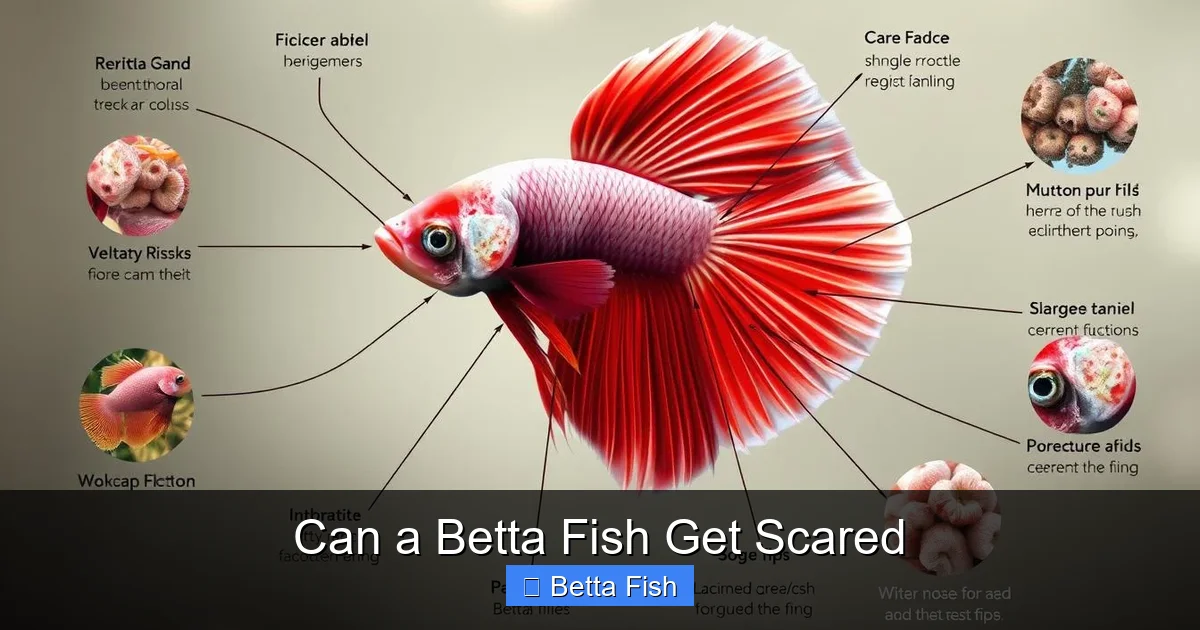
Betta fish rely on three main senses to detect danger:
Visual guide about Can a Betta Fish Get Scared
Image source: koibettafish.com
- Vision: They have excellent eyesight for spotting movement and contrast. Sudden shadows or fast‑moving objects can startle them.
- Lateral line system: Tiny hair‑like cells along their sides sense water vibrations. A sudden splash or a new filter pump can register as a threat.
- Smell and taste: Chemical cues in the water tell them when a predator is nearby.
Natural Instincts
In the wild, bettas live in shallow rice paddies and slow‑moving streams where predators like larger fish and birds lurk. Their instinct to hide, freeze, or flash their fins is a survival strategy. When you bring a betta into a home aquarium, you’re still dealing with those ancient instincts.
Common Signs That a Betta Is Scared
Physical Indicators
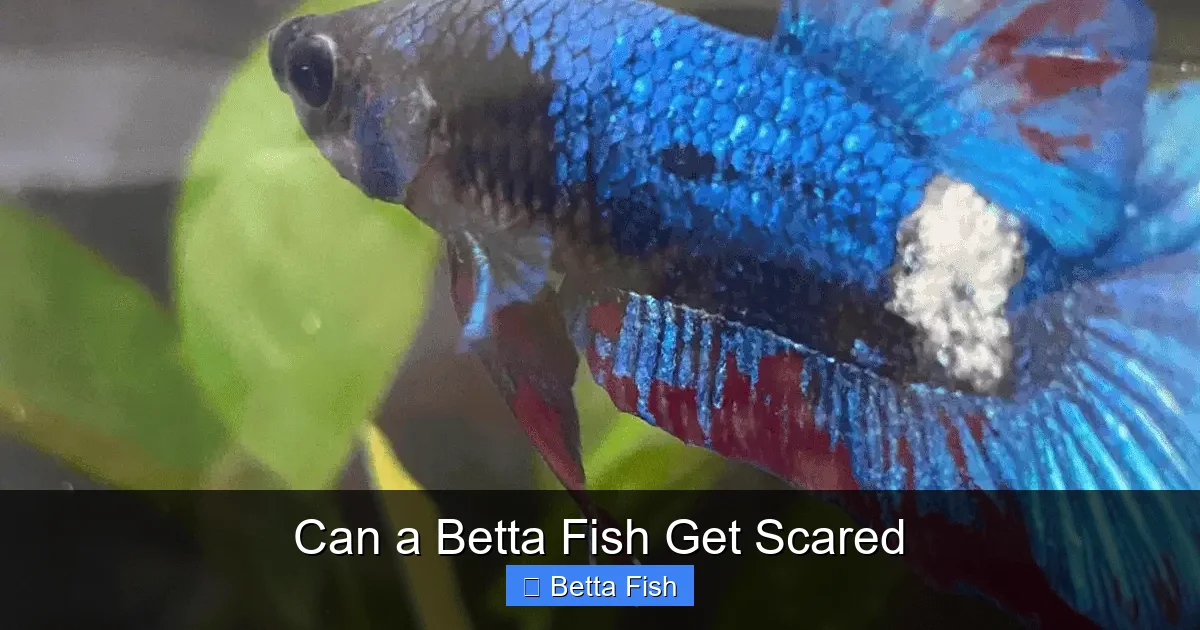
Watch for these visual cues:
Visual guide about Can a Betta Fish Get Scared
Image source: petfishonline.com
- Pale or discolored fins: Stress reduces blood flow to the fins.
- Rapid, erratic swimming: A startled betta may dart back and forth.
- Hiding: Seeking refuge under plants, decorations, or the tank lid.
- Fin clamping: Holding fins close to the body instead of spreading them.
Behavioral Changes
Other changes include loss of appetite, reduced bubble‑nest building (in males), and a quieter demeanor. If your betta usually flares and suddenly stays still, it could be scared.
Top Triggers That Can Make a Betta Fish Scared
Sudden Movements and Shadows
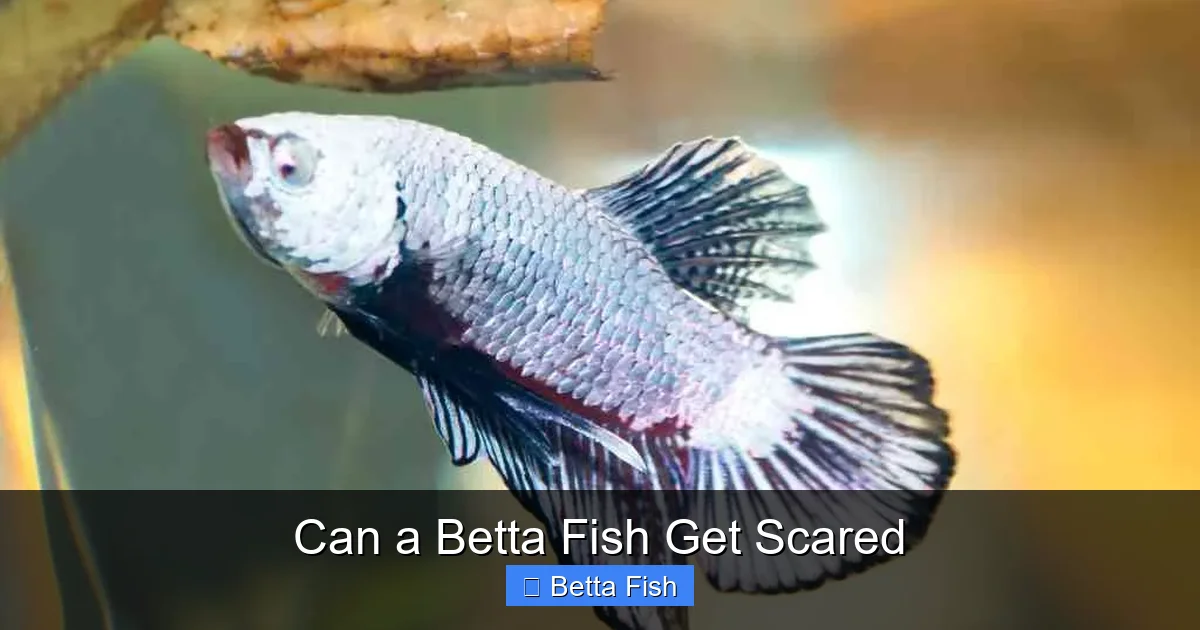
Quick hand motions, a cat walking by the tank, or a bright flashlight can all cause a startle response. Keep the area around the tank calm and avoid tapping on the glass.
Visual guide about Can a Betta Fish Get Scared
Image source: fishkeepandchill.com
Improper Tank Conditions
Water temperature swings, high ammonia, or poor filtration create a stressful environment. Betta fish prefer a stable temperature between 76‑82°F (24‑28°C) and clean water with a gentle flow.
Incompatible Tank Mates
Fast‑moving fish like guppies or aggressive species can intimidate a betta. If you’re considering companions, read up on what fish can live with a male betta and choose peaceful, slower swimmers.
Overcrowding and Lack of Hiding Spots
A bare tank with no plants or decorations leaves a betta exposed. Adding live or silk plants, caves, and driftwood gives them places to retreat when frightened.
Loud Noises and Vibrations
Heavy bass from speakers, a washing machine, or a nearby door slam can travel through the water and alarm your fish. Place the tank on a stable surface away from high‑traffic areas.
Creating a Calm Environment for Your Betta
Choose the Right Tank Size
Though many people keep bettas in small bowls, a 5‑gal (19‑L) tank provides space to swim and hide, reducing stress. Learn more about why bettas can live in a bowl here, but remember that a larger tank is always better for comfort.
Provide Plenty of Hiding Places
Live plants like java fern, silk leaves, or artificial caves give your betta a sense of security. Aim for at least two or three hiding spots scattered throughout the tank.
Maintain Stable Water Conditions
- Test water weekly for ammonia, nitrite, and nitrate.
- Use a gentle filter that creates a soft flow—not a strong current.
- Perform 25‑30% water changes every week.
Control Lighting and Noise
Provide a natural day‑night cycle with 10‑12 hours of light. Use a dimmable LED or a timer. Keep the room quiet during feeding times to avoid startling the fish.
Gentle Handling and Interaction
When you need to move your betta, use a soft net and approach slowly. Talk to your fish in a calm voice; they can pick up vibrations and may become less anxious with regular, gentle interaction.
What to Do If Your Betta Is Already Stressed
Identify the Source
Observe the tank for any new decorations, sudden temperature changes, or aggressive neighbors. Remove the stressor if possible.
Quick Soothing Techniques
- Cover the tank briefly: A dark cloth for 10‑15 minutes mimics a nighttime hideout.
- Increase plant cover: Add a few more silk leaves or floating plants.
- Adjust flow: Turn down the filter or add a sponge to soften water movement.
Long‑Term Solutions
Consider upgrading to a larger tank, switching to a more compatible tank mate, or revising your feeding schedule. Consistency is key—betta fish thrive on routine.
Conclusion: A Fear‑Free Betta Is a Happy Betta
So, can a betta fish get scared? Absolutely. Their natural instincts make them sensitive to sudden changes, predators, and poor tank conditions. By recognizing the signs of fear and creating a stable, enriched environment, you can keep your betta calm, vibrant, and thriving. Remember, a relaxed betta will show off its beautiful colors and lively personality—making the effort well worth it.
Frequently Asked Questions
Can betta fish feel fear like mammals?
Betta fish don’t experience fear exactly as mammals do, but they have stress responses that are similar—rapid swimming, hiding, and color changes.
What are the first signs that my betta is scared?
Look for pale fins, frantic swimming, frequent hiding, and a loss of appetite. These are common stress indicators.
Will adding live plants help a scared betta?
Yes. Live or silk plants provide shelter and reduce the feeling of being exposed, which can calm a nervous betta.
Is a small bowl suitable for a betta that’s easily frightened?
A small bowl limits swimming space and hiding spots, which can increase stress. A 5‑gallon tank is a better choice for a calm environment.
Can other fish make my betta scared?
Fast or aggressive tank mates can intimidate a betta. Choose peaceful companions and always monitor interactions.
How often should I change the water to keep my betta stress‑free?
Changing 25‑30% of the water weekly helps maintain stable parameters and reduces stress for your betta.

