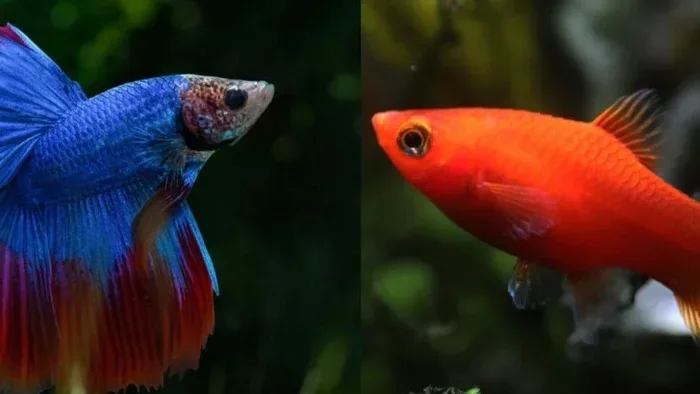
Should I Cover My Betta Fish Bowl

Covering your betta fish bowl isn’t just about aesthetics—it protects your fish, maintains water quality, and prevents accidents.
Learn the key reasons to use a lid, the types of covers available, and simple steps to keep your betta thriving.
Key Takeaways
- Safety first: A proper cover stops your betta from jumping out and keeps pets away.
- Water quality: Covers reduce evaporation and help maintain stable temperature.
- Ventilation matters: Choose a lid with airflow to avoid oxygen depletion.
- Fit is crucial: The cover must match the bowl’s shape and size for a snug seal.
- Easy maintenance: Removable lids make cleaning simple and prevent stress.
- Alternative options: Mesh nets, acrylic lids, or DIY covers can work if bought lids don’t fit.
- Observe your fish: Watch for signs of stress; a happy betta will show vibrant colors and active swimming.
📑 Table of Contents
Introduction: Why the Question Keeps Coming Up
If you’ve ever set up a tiny bowl for a new betta, you’ve probably heard the same question: “Should I cover my betta fish bowl?” It’s a simple‑looking query, but the answer touches on safety, health, and even the look of your home aquarium. Many first‑time betta owners skip a lid because they think the fish needs open air or because a cover looks “unfriendly.” Others worry that a lid will trap heat or restrict oxygen.
In this guide we’ll break down the science and the common sense behind covering a betta bowl. You’ll learn the benefits, the potential downsides, and practical tips for picking or making the perfect cover. By the end, you’ll feel confident deciding what’s best for your finned friend.
1. The Safety Benefits of a Cover
1.1 Preventing Jumps and Escapes
Betta fish are strong jumpers. A startled betta can launch itself up to 12 inches out of the water. Without a lid, a sudden movement—like a loud noise or a curious cat—can send your fish soaring onto the floor, where it will quickly dry out and die. A snug cover acts as a safety net, keeping the fish where it belongs.

Visual guide about Should I Cover My Betta Fish Bowl
Image source: fusteelrebar.com
1.2 Keeping Other Pets Out
Household pets such as dogs, cats, and even small rodents love to investigate moving water. A cover stops a curious cat from pawing at the bowl and a dog from nosing it over. This reduces stress for both the fish and your pets.
1.3 Protecting Against Contaminants
Dust, hair, and airborne chemicals can settle on the water surface. Over time, these particles degrade water quality and may cause health issues. A lid creates a barrier that keeps most contaminants out.
2. How a Cover Affects Water Quality
2.1 Reducing Evaporation
Small bowls lose water quickly, especially in warm rooms. Less water means higher concentrations of waste products like ammonia, which can stress a betta. A cover can cut evaporation by up to 80%, keeping the water volume stable between water changes.
Visual guide about Should I Cover My Betta Fish Bowl
Image source: thecolorsmeaning.com
2.2 Maintaining Temperature
Betta fish thrive in water that stays between 76°F and 82°F (24°C‑28°C). Open bowls are prone to temperature swings from drafts or sunlight. A lid acts like a mini‑thermostat, trapping warm air and reducing rapid cooling. Just be sure the lid doesn’t trap too much heat in a sunny window—move the bowl to a shaded spot if needed.
2.3 Controlling Gas Exchange
All fish need oxygen, and they also release carbon dioxide. A completely sealed lid can limit gas exchange, leading to low oxygen levels. The solution is a cover with ventilation holes or a fine mesh that allows air to flow while still keeping the fish safe.
3. Choosing the Right Cover
3.1 Types of Covers
- Acrylic or glass lids: Rigid, clear, and often come with built‑in ventilation slots.
- Mesh or screen tops: Light, breathable, and easy to remove for cleaning.
- DIY options: A piece of cut‑to‑size clear plastic with small holes, or a coffee filter secured with a rubber band.
3.2 Fit and Size
Measure the diameter of your bowl at the rim. Most commercial lids are sold in standard sizes (5″, 6″, 8″). If you can’t find an exact match, a slightly larger lid can be trimmed with scissors, but ensure the edges are smooth to avoid injury.

Visual guide about Should I Cover My Betta Fish Bowl
Image source: workstyle.kokuyo.co.jp
3.3 Ventilation Design
Look for lids that have at least two small holes (about ¼ inch) or a mesh panel covering 20‑30% of the surface. This provides enough airflow without letting the fish escape. If you use a solid acrylic lid, drill a few tiny holes yourself—just be careful not to crack the plastic.
3.4 Ease of Cleaning
Regular water changes are essential. A removable lid makes it simple to wipe away algae or dust. Some owners prefer a snap‑on lid that clicks into place and can be lifted in seconds for a quick water change.
4. When a Cover Might Not Be Needed
4.1 Larger Tanks and Filtration
If you’ve upgraded from a bowl to a 10‑gallon tank with a filter, the risk of jumping out drops dramatically. A filter creates a current that can discourage jumping, and a larger water volume buffers temperature changes. In such setups, a cover becomes optional.
4.2 Constant Supervision
If the bowl sits on a sturdy table in a low‑traffic area and you’re home most of the day, you might feel comfortable leaving it uncovered. However, even then, unexpected noises can startle a betta, so many experts still recommend a light mesh cover for peace of mind.
4.3 Specific Breeding Situations
During breeding, male bettas build bubble nests at the water surface. A tightly sealed lid can trap bubbles and make it harder for the male to maintain the nest. In this case, a loosely fitted mesh that allows easy bubble release is ideal.
5. Setting Up the Cover Properly
5.1 Install Without Stress
Gently place the cover over the bowl, ensuring it sits evenly. Avoid snapping it down, which can startle the fish and cause a sudden drop in water level.
5.2 Test for Airflow
Hold a piece of paper near the vent holes. If the paper lifts slightly, you have good airflow. If it stays flat, consider adding more holes.
5.3 Monitor Water Parameters
After adding a cover, check the water temperature and oxygen levels for a few days. Use a simple thermometer and, if possible, a dissolved oxygen test kit. Adjust ventilation if you notice the water getting cloudy or the fish gasping at the surface.
5.4 Routine Maintenance
- Remove the lid once a week for a quick wipe.
- Perform a partial water change (25%) every 5‑7 days.
- Scrub any algae that forms on the lid’s underside.
For detailed cleaning steps, see our guide on how to clean my betta fish bowl.
6. Frequently Overlooked Tips
6.1 Use a Background
Adding a dark background behind the bowl reduces reflection and stress. It also makes the cover less noticeable.
6.2 Keep the Lid Away from Direct Light
Sunlight hitting a clear lid can cause overheating and algae growth. Position the bowl away from windows or use a sheer curtain.
6.3 Observe Your Betta’s Behavior
A healthy betta swims confidently, flares its fins, and displays bright colors. If you notice lethargy, faded colors, or excessive gasping, re‑evaluate the cover’s ventilation. Learn more about identifying a happy betta in how do i know if my betta fish is happy.
Conclusion: The Bottom Line
So, should I cover my betta fish bowl? The short answer is **yes**, in most cases. A well‑chosen cover protects your fish from jumps, keeps the water stable, and shields the bowl from dust and pets. The key is to balance safety with proper airflow. Whether you buy a ready‑made acrylic lid, use a breathable mesh, or craft a DIY solution, make sure it fits snugly, allows gas exchange, and is easy to remove for cleaning.
Remember, a happy betta is a sign of a healthy environment. Keep an eye on its behavior, maintain water quality, and enjoy watching those vibrant fins dance beneath a safe, clear cover.
Frequently Asked Questions
Do betta fish need a lid to survive?
While a betta can survive without a lid, a cover greatly reduces the risk of jumping out, contamination, and rapid temperature changes, making it the safer choice.
Can I use any plastic sheet as a cover?
Yes, as long as the plastic is food‑grade, clear, and has ventilation holes. Avoid thin wrap that can tear easily.
How many ventilation holes should a cover have?
Two to four small holes (about ¼ inch each) or a mesh that covers 20‑30% of the surface provides enough airflow for most bettas.
Will a cover affect my betta’s ability to build a bubble nest?
A tightly sealed lid can trap bubbles. Use a loosely fitted mesh or a lid with larger vents during breeding to allow the male to release bubbles freely.
Is a cover necessary if I have a filtered tank?
Filtration reduces jumping risk, but a cover still helps maintain temperature and prevents dust. It’s optional but recommended for added safety.
What should I do if my betta looks stressed under a covered bowl?
Check ventilation, water temperature, and oxygen levels. Increase airflow by adding more holes or switching to a mesh cover, and monitor the fish for improvement.