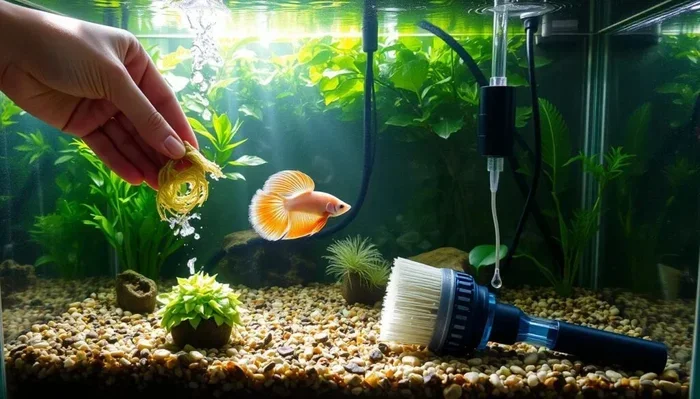
Is Freshwater Fish Better Than Salt Water

Freshwater fish are generally easier to care for, more affordable, and better suited for beginners. Saltwater fish offer stunning colors and variety but demand more experience and investment. The right choice depends on your skill level, budget, and the type of fish you want to keep.
When people ask is freshwater fish better than salt water, the answer is not a simple yes or no. Both types of fish have unique strengths, and the best choice depends on your experience, budget, and what you want from your aquarium. Freshwater setups are the go-to choice for most hobbyists, especially beginners. Saltwater tanks, on the other hand, attract advanced fish keepers who want a bold and colorful underwater world. In this guide, we break down everything you need to know to make the right decision for your home aquarium.
Freshwater fish are the most popular choice for aquarium owners around the world. They are easy to find, simple to care for, and come in a huge variety of species. If you are new to fish keeping, starting with a freshwater tank is the smartest move. These fish adapt well to different water conditions and do not demand constant monitoring. A basic freshwater tank setup can cost as little as $50 to get started.
Saltwater fish, also called marine fish, live in ocean environments. They are known for their brilliant colors and fascinating behaviors. However, they need more precise water conditions and a bigger investment upfront. Many experienced aquarists love the challenge of maintaining a saltwater tank. If you have been keeping fish for a while and want to level up, saltwater might be your next step.
### Freshwater Fish: Why They Are a Great Choice
Freshwater fish are the backbone of the aquarium hobby. They are hardy, diverse, and perfect for hobbyists of all levels. Let us look at why so many people choose freshwater setups.
#### Easy to Care For
Freshwater fish do not need complex equipment. A basic filter, heater, and light are all you need to get started. The water parameters are more forgiving than saltwater tanks. You do not need to worry about maintaining exact salinity levels every day. This makes freshwater tanks much easier to manage, especially for beginners.
#### Affordable Setup Costs
Starting a freshwater tank is budget-friendly. A 10-gallon freshwater tank with basic accessories can be set up for under $100. Fish food, replacement filters, and water conditioners are also inexpensive. Over time, the maintenance costs stay low, which makes freshwater fish a smart choice for anyone watching their wallet.
#### Wide Variety of Species
There are thousands of freshwater fish species available. From bettas to tetras, guppies to cichlids, the options are endless. You can create a beautiful community tank with fish of different colors and sizes. Some popular freshwater species include betta fish, neon tetras, and mollies. Each species brings its own personality and charm to the tank.
### Saltwater Fish: The Colorful Challenge
Saltwater fish are a whole different world. They are visually breathtaking and offer a unique aquarium experience. But they come with higher demands. Let us explore what makes saltwater fish special and what challenges they bring.
#### Stunning Colors and Diversity
Saltwater fish are famous for their vibrant colors. Species like clownfish, angelfish, and tangs light up any tank. The coral reef environment adds even more beauty and complexity. Many hobbyists say that once they see a saltwater tank, they are hooked for life. The visual payoff is hard to beat.
#### Higher Maintenance Requirements
Saltwater tanks need more attention. The salinity, pH, and temperature must stay within tight ranges. You will need a protein skimmer, live rock, and a more powerful filtration system. Water changes are more frequent and require special salt mixes. If the water parameters drop, your fish can get stressed or sick quickly.
#### Higher Costs
A saltwater setup costs significantly more than a freshwater one. A basic saltwater tank can run $300 or more just for the equipment. Live rock and live sand add to the cost. Fish food for saltwater species is also pricier. If you are on a tight budget, a freshwater tank is the more practical option.
### Freshwater vs Saltwater: A Side-by-Side Comparison
Understanding the differences between freshwater and saltwater fish helps you make a confident choice. Here is a quick comparison of the key factors.
| Factor | Freshwater Fish | Saltwater Fish |
|—|—|—|
| Setup Cost | Low ($50-$150) | High ($300+) |
| Maintenance | Easy and forgiving | Requires frequent attention |
| Water Parameters | Forgiving of minor changes | Must stay precise |
| Fish Variety | Thousands of species | Hundreds of species |
| Best For | Beginners and casual hobbyists | Experienced aquarists |
| Fish Colors | Good but more subtle | Extremely vibrant and vivid |
| Disease Risk | Lower | Higher due to stress sensitivity |
The table above shows that freshwater fish win on ease and cost. Saltwater fish win on visual appeal and challenge. Think about what matters most to you before making a decision.
### Can You Keep Both Freshwater and Saltwater Fish Together?
This is a common question among new aquarium owners. The short answer is no. Freshwater fish and saltwater fish cannot live in the same tank. Freshwater fish need low salinity levels, while saltwater fish require higher salt concentrations. Mixing the two will harm or kill both groups of fish. If you want both types, you will need separate tanks.
Some hobbyists keep both a freshwater tank and a saltwater tank at home. This allows them to enjoy the best of both worlds. It does require more space and time, but it is very rewarding. Just make sure each tank has its own dedicated equipment and water supply.
### Which Type of Fish Is Right for You?
Your experience level and goals should guide your choice. If you are just starting out, go with freshwater fish. They are forgiving, affordable, and full of variety. You can learn the basics of fish care without the stress of managing complex water chemistry. Once you feel confident, you can always upgrade to a saltwater tank later.
If you are an experienced fish keeper, a saltwater tank can be a fantastic project. The beauty of a reef or marine tank is unmatched. Just be prepared for the higher costs and time commitment. Start small with a beginner saltwater species like a clownfish before adding more sensitive fish.
### Quick Tips for Freshwater Fish Success
Here are some fast tips to keep your freshwater tank thriving.
- Test your water weekly: Check pH, ammonia, and nitrate levels regularly.
- Do partial water changes: Replace 25% of the water every two weeks.
- Do not overfeed: Feed small amounts once or twice a day.
- Research each species: Every fish has different needs and temperament.
- Choose compatible tank mates: Some fish do not get along and need separate tanks.
### Expert Insights on Freshwater vs Saltwater
Many seasoned aquarists recommend starting with freshwater before moving to saltwater. The skills you build in a freshwater tank translate directly to saltwater care. You learn how to cycle a tank, monitor water quality, and manage fish health. These are essential skills for any fish keeper.
According to experienced hobbyists, patience is the most important trait. Rushing into a saltwater tank without preparation often leads to lost fish and frustration. Take your time, learn the basics, and enjoy the process. Whether you choose freshwater or saltwater, the journey is what makes fish keeping so rewarding.
### Common Mistakes to Avoid
Every fish keeper makes mistakes, but some are easily preventable. Here are common errors to watch out for.
- Skipping the nitrogen cycle: Always cycle your tank before adding fish.
- Overcrowding the tank: Too many fish leads to poor water quality and stress.
- Ignoring water changes: Regular water changes are essential for healthy fish.
- Mixing freshwater and saltwater equipment: Use the right gear for each tank type.
- Buying fish on impulse: Research each species before bringing it home.
Avoiding these mistakes will save you time, money, and heartache. A little planning goes a long way in keeping your fish happy and healthy.
### Final Thoughts on Freshwater vs Saltwater Fish
So, is freshwater fish better than salt water? The answer comes down to your personal situation. If you want a low-maintenance, affordable, and rewarding hobby, freshwater fish are the clear winner. They are perfect for beginners and experienced hobbyists alike. If you crave stunning visuals and are ready for a challenge, saltwater fish offer an unforgettable aquarium experience.
Both types of fish bring joy and beauty to your home. The best choice is the one that fits your lifestyle, budget, and passion. Start where you are comfortable, learn as you go, and enjoy every moment of your aquarium journey.
Key Takeaways
- Freshwater fish are beginner-friendly: They tolerate minor water changes and are less expensive to maintain.
- Saltwater fish are visually stunning: Their vibrant colors and unique species make them a favorite among experienced hobbyists.
- Setup costs differ greatly: Freshwater tanks cost less to start, while saltwater tanks require more equipment and expertise.
- Water parameters matter: Each type of fish needs specific pH, temperature, and salinity levels to thrive.
- Betta fish are freshwater: Most popular betta species live best in freshwater environments.
- Your experience level guides the choice: Beginners should start with freshwater, while advanced keepers can explore saltwater.
Frequently Asked Questions
Can betta fish live in saltwater tanks?
No, betta fish are freshwater species. They cannot survive in saltwater environments. Betta fish need low-salinity water to stay healthy and thrive. Always keep your betta in a properly set up freshwater tank.
Which is cheaper to maintain, freshwater or saltwater fish?
Freshwater fish are much cheaper to maintain. The setup costs are lower, and ongoing expenses like food and supplies are more affordable. Saltwater tanks require more equipment and specialized care, which drives up the cost.
Are saltwater fish harder to keep than freshwater fish?
Yes, saltwater fish are generally harder to keep. They need precise water parameters, more advanced equipment, and frequent maintenance. Beginners should start with freshwater fish and build their skills before moving to a saltwater setup.
How often should I change the water in my freshwater tank?
A partial water change of about 25% every two weeks is a good routine. This helps keep ammonia and nitrate levels in check. Always use treated water that matches the temperature of your tank.
Can freshwater and saltwater fish live in the same house?
Yes, but they must be in separate tanks. Freshwater and saltwater fish have different water needs and cannot share the same environment. You can keep both types at home as long as each has its own dedicated tank.
What is the easiest saltwater fish for beginners?
Clownfish are one of the easiest saltwater fish to start with. They are hardy, colorful, and adapt well to captivity. Other good beginner saltwater species include damselfish and certain types of tangs.
=== CONCLUSION ===
Choosing between freshwater and saltwater fish is a big decision for any aquarium lover. Freshwater fish offer ease, affordability, and a wide range of species that make them perfect for beginners and seasoned hobbyists alike. Saltwater fish bring dazzling colors and a thrilling challenge for those ready to invest more time and money. Both paths lead to a beautiful and rewarding hobby. Consider your experience level, budget, and goals, and pick the option that fits your life best. Whichever you choose, the most important thing is to give your fish a healthy, happy home.