How to Transport Betta Fish Long Distances
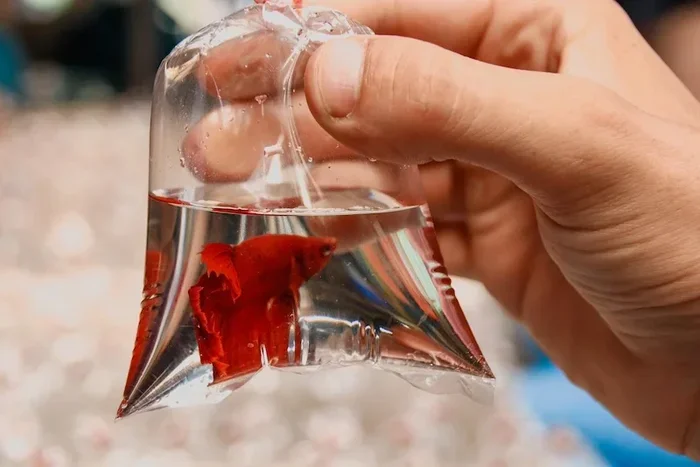
Transporting a betta fish long distances can be stressful for both you and your fish. With the right preparation, proper transport container, and careful water temperature management, you can keep your betta safe and healthy during the journey. This guide covers everything you need to know about betta fish travel and long distance move planning.
Key Takeaways
- Plan ahead: Proper preparation is the most important factor in a successful betta fish relocation.
- Use the right container: A quality transport bag or container with adequate oxygen is essential for safe betta fish shipping.
- Control temperature: Maintaining stable water temperature during travel prevents shock and keeps your betta fish healthy.
- Minimize stress: Keeping the environment dark, quiet, and stable helps your betta survive long distance travel.
- Acclimate slowly: Once you arrive, gradual acclimation to the new tank is critical for your betta fish survival.
- Avoid common mistakes: Overfeeding, sudden temperature changes, and poor water quality are the top errors to avoid.
📑 Table of Contents
- Why Transporting Betta Fish Long Distances Is Tricky
- Preparing Your Betta Fish for Travel
- Choosing the Right Transport Container
- Step-by-Step Guide to Transporting Your Betta Fish
- How to Keep Your Betta Fish Stress-Free During Travel
- What to Do When You Arrive at Your Destination
- Common Mistakes to Avoid During Long Distance Transport
- Expert Insights on Long Distance Betta Fish Transport
- Conclusion
Why Transporting Betta Fish Long Distances Is Tricky
Moving a betta fish across town is one thing. But transporting betta fish long distances? That takes real planning. These colorful fish are delicate. They react strongly to changes in their environment. Even small shifts in water quality or temperature can cause serious stress.
When you think about betta fish travel, you need to consider several factors. How long will the trip take? What will the temperature be outside? How will you keep the water clean and oxygen-rich? These are all questions that matter.
Betta fish are tropical creatures. They need warm water, usually between 76°F and 82°F. Cold snaps or sudden temperature drops can harm them fast. Add in the jostling of a car ride or the cramped space of a shipping box, and you have a real challenge on your hands.
But don’t worry. With the right approach, your betta can make even a cross-country trip without a problem. Let’s break it all down step by step. If you also want to learn about transferring betta fish to a new tank, that process shares many similar principles.
Preparing Your Betta Fish for Travel
Preparation makes all the difference. Before you even pack a bag or fill a container, you need to get your fish ready. This phase is all about building up their strength and making sure they are healthy enough for the trip.
Check Your Betta’s Health First
Never transport a sick betta fish. If your fish shows signs of betta fish stress or illness, postpone your plans. Look for these warning signs:
- Clamped fins held close to the body
- Fading or dull colors
- Labored breathing near the water surface
- Loss of appetite or lethargy
- White spots or unusual growths
If your fish looks healthy and active, you are good to go. A strong betta handles travel much better than a weak one. Want to boost their strength before the trip? Check out how to make your betta fish stronger for helpful tips.
Adjust Feeding Before Travel
This one surprises many fish owners. Stop feeding your betta 12 to 24 hours before travel. This reduces waste in the water and lowers the risk of betta fish stress. A light stomach helps your fish stay calm during the ride.
After the trip, wait a few hours before feeding again. Let your fish settle in first. Overeating after a stressful journey can cause bloating and other problems.
Do a Partial Water Change
About 24 hours before the trip, do a 25% water change in your betta’s current tank. This ensures cleaner water for transport. Use a water conditioner to remove chlorine and chloramine. Clean water means a healthier fish during betta fish relocation.
Choosing the Right Transport Container
The container you pick matters a lot. You cannot just toss a betta into a random jar and hope for the best. The right setup keeps water oxygenated, temperature stable, and your fish safe from physical harm.
Transport Bags vs. Containers
Most experienced fish keepers recommend using a soft-sided plastic bag designed for fish transport. These bags are thicker than regular bags. They hold more water and resist punctures. Here is a quick comparison:
| Feature | Transport Bag | Hard Container |
|---|---|---|
| Weight | Light and portable | Heavier |
| Oxygen Supply | Requires periodic topping off | Can include air pump |
| Temperature Control | Harder to regulate | Easier to insulate |
| Durability | Moderate | High |
| Best For | Short to medium trips | Long distance travel |
For betta fish shipping over long distances, many experts recommend using a combination. Place the fish in a double-bagged transport bag, then put that bag inside a hard-sided insulated container. This adds protection and helps control temperature.
How Much Water and Oxygen Do You Need?
Fill the bag with about 2/3 water and 1/3 air. The air pocket provides oxygen. For longer trips, you can add pure oxygen using a small syringe or air pump. Never use a bubble pump that creates too much movement. Your betta needs calm water, not a strong current.
Bring extra bags in case one leaks. It is always smart to have a backup plan during aquarium transport.
Insulation and Temperature Control
Temperature is the biggest threat during long distance move with a betta fish. Cold air from an open window or hot sun on a dashboard can kill your fish in hours.
Wrap the transport bags in towels, bubble wrap, or foam padding. This insulation keeps the water temperature stable. If traveling in winter, add a small heat pack designed for aquarium use. In summer, avoid placing containers in direct sunlight or inside a hot car. For more tips on keeping your betta warm, check out how to warm a betta fish bowl.
Step-by-Step Guide to Transporting Your Betta Fish
Now that you are prepared, let us walk through the actual process. Follow these steps carefully for the safest betta fish travel experience.
Step 1: Gather Your Supplies
Before you start, make sure you have everything ready:
- Two or three sturdy plastic transport bags
- A hard-sided insulated container (cooler or plastic bin)
- Water conditioner
- Towels or bubble wrap for insulation
- A battery-powered air pump (optional but helpful)
- A thermometer
- A dark cloth to cover the container
Step 2: Fill the Transport Bags
Scoop your betta fish gently using a soft net. Place the fish in a bag already filled with water from their current tank. Add fresh conditioned water until the bag is about two-thirds full. Leave one-third space for air. Tie the bag tightly or use a rubber band.
Double-bag for extra safety. Place each bag inside the insulated container. Add towels or foam between the bags to prevent shifting.
Step 3: Monitor During Travel
Keep the container in a stable environment inside your vehicle. Do not place it in the trunk where temperatures swing wildly. The back seat or footwell (away from direct sun) works best. Check the water temperature every few hours if possible.
For trips longer than 4 to 6 hours, open each bag briefly and add fresh oxygen. Gently swirl the water to mix without creating strong currents. This keeps your betta fish alive and comfortable during betta fish shipping.
Step 4: Keep Everything Dark and Quiet
Cover the container with a dark towel or blanket. This reduces stress significantly. Betta fish are active during the day and rest in darkness. A dark environment mimics nighttime and keeps them calm. Avoid loud music or heavy bumps in the car. Smooth driving matters more than you think.
How to Keep Your Betta Fish Stress-Free During Travel
Stress is the hidden killer during betta fish relocation. Even if your fish survives the trip, long-term stress can weaken their immune system and lead to illness later. Here is how to minimize it.
Maintain Stable Water Conditions
Sudden changes in water conditions cause the most damage. Keep the temperature as close to their normal range as possible. If you use a thermometer, aim for 78°F to 80°F inside the transport bag. Avoid adding tap water directly without conditioner. Chlorine and chloramine are toxic to betta fish.
If you need to add water during the trip, make sure it matches the existing temperature. Even a 5-degree difference can shock your fish. This is why temperature control is so important.
Limit Movement and Jostling
Every bump and shake stresses your betta. Drive carefully. Avoid potholes and rough roads when possible. Place the container on a flat, stable surface. Padding around the container absorbs extra vibrations.
If you are flying, check with the airline about fish transportation policies. Many airlines allow small containers in the cabin. Cargo holds experience extreme temperature swings and are risky for tropical fish.
Quick Tips to Reduce Stress
- Do not open the container unnecessarily during the trip
- Keep the container covered and dark
- Drive smoothly and avoid sudden stops
- Talk softly near the container (vibrations travel through air)
- Take breaks on long trips to check water quality
What to Do When You Arrive at Your Destination
You made it. The hard part is over, right? Not quite. The arrival phase is just as important as the travel itself. Rushing this step can undo all your careful preparation.
Gradual Acclimation Is Essential
When you arrive, float the transport bag in the new tank for 15 to 20 minutes. This slowly adjusts the water temperature. Then, add small amounts of tank water to the bag every 5 minutes for about 30 minutes. This process is called betta fish acclimation.
Once the fish is fully adjusted, gently net your betta into the new tank. Do not pour the transport water into your tank. That water may carry bacteria or chemicals from the journey. If you want to learn more about this process, our guide on how long to let betta fish acclimate in bag covers the timing in detail.
Set Up the Tank Before Transport
Have the destination tank fully set up and running before your arrival. The water should be conditioned, heated, and cycled. A cycled tank has beneficial bacteria that break down waste. Pouring a betta into an uncycled tank is dangerous. It exposes your fish to ammonia and nitrite spikes that can be fatal.
Watch for Signs of Stress After Arrival
For the first 24 to 48 hours, keep a close eye on your betta. Look for these signs:
- Hiding behind decorations constantly
- Refusing to eat
- Rapid or gasping breathing
- Clamped fins or curled fins
- Swimming near the surface excessively
Some stress after travel is normal. But if symptoms persist beyond two days, take action. Perform a partial water change and consider adding stress coat treatment. Learn more about treating stressed bettas in our guide on how to treat a stressed betta fish.
Common Mistakes to Avoid During Long Distance Transport
Even experienced fish owners make errors. Here are the most common mistakes and how to avoid them.
Overpacking the Bag
Some people think a bigger bag means a happier fish. That is not true. Overfilling leaves too little air for oxygen exchange. Stick to the two-thirds water, one-third air rule. Your betta needs that air pocket to breathe.
Ignoring Water Quality
Dirty water during transport kills fish fast. Always use conditioned water. Never use untreated tap water. Test the water before you leave if possible. Keeping the water conditions stable is a top priority.
Traveling Without a Plan
Do not just show up and start packing. Have a full plan before departure. Know where you are going, how long it takes, and where you can stop if needed. Preparation prevents panic.
Feeding Too Much Before Travel
We mentioned this earlier, but it bears repeating. A full stomach during transport leads to waste buildup and poor water quality. Fast your betta before the trip. They will be fine for 24 to 48 hours without food.
Skipping the Destination Tank Setup
Never arrive with a new tank that is not ready. The tank must be heated, filtered, and cycled before your betta goes in. This is especially critical for betta fish survival after a long journey. Take your time setting up the destination. It makes all the difference.
Expert Insights on Long Distance Betta Fish Transport
Professional aquarists and breeders transport betta fish regularly. They share a few golden rules that every hobbyist should follow.
- Use pure oxygen for trips over 8 hours. Regular air gets used up fast. A small oxygen injection keeps water fresh.
- Double-bag everything. One bag failure should not become a fish failure. Always have a backup.
- Keep a log. Write down water temperature, time of checks, and any observations. This helps you improve your process for future trips.
- Practice makes perfect. Try a short trip first before attempting a long journey. See how your fish reacts and adjust your method accordingly.
Many breeders who ship betta fish across the country rely on these exact methods. They know that careful planning and attention to detail produce the best results. For more on betta fish care during transitions, check out our article on how to properly care for betta fish.
Conclusion
Learning how to transport betta fish long distances does not have to be scary. With proper preparation, the right container, and careful attention to temperature control and water conditions, your betta can travel safely across any distance. The key is to plan ahead, move slowly, and keep everything stable.
Remember to acclimate your fish gradually when you reach your destination. Monitor their behavior closely for the first couple of days. Avoid the common mistakes we covered, and your betta will thrive in their new home.
Betta fish travel is manageable when you treat it with respect and care. Follow this guide, take your time, and enjoy the journey with your fish. They depend on you for a safe ride, and now you know exactly how to deliver it.
Frequently Asked Questions
How long can a betta fish survive in a transport bag?
A healthy betta fish can survive in a well-prepared transport bag for up to 8 to 12 hours. The key is having enough oxygen and maintaining proper water temperature. For longer trips, double-bag and add pure oxygen. Some experienced shippers have kept bettas alive for 24 hours in bags, but this requires careful monitoring and is not recommended for beginners.
Can I transport my betta fish in a bowl?
It is not ideal to transport a betta fish in a bowl. Bowls do not hold enough water or oxygen for travel. They also break easily and do not insulate well. A dedicated plastic transport bag placed inside an insulated container is much safer. If you need a temporary holder, a small plastic container with a lid works better than a bowl. You can learn more about setting up proper bowls at home in our guide on how to warm a betta fish bowl.
Do I need to use water conditioner during transport?
Yes, absolutely. Always use water treated with a conditioner to remove chlorine and chloramine. Untreated tap water is toxic to betta fish. Whether you are filling transport bags or setting up the destination tank, conditioner is a must. It protects your fish’s slime coat and prevents chemical burns on delicate fins.
What is the ideal water temperature for transporting a betta fish?
The ideal transport temperature is between 76°F and 82°F. This matches their natural tropical habitat. Keep the water temperature as stable as possible during travel. Sudden drops or spikes in temperature cause shock. Use towels, foam padding, or heat packs to maintain consistent temperature control inside the transport container.
Should I feed my betta fish during a long-distance trip?
No. Do not feed your betta during transport. Food creates waste, which pollutes the water quickly in a small container. A healthy betta can go 24 to 48 hours without eating. Wait at least 4 to 6 hours after arrival before offering food. This gives your fish time to decompress and adjust to the new environment.
How do I know if my betta fish is stressed during travel?
Signs of betta fish stress include clamped fins, rapid breathing, hiding at the bottom of the bag, or refusing to move. If you notice these during transport, check the water temperature immediately. Darkening the container and reducing movement can also help calm your fish. Once you arrive, perform proper acclimation to reduce long-term stress effects.