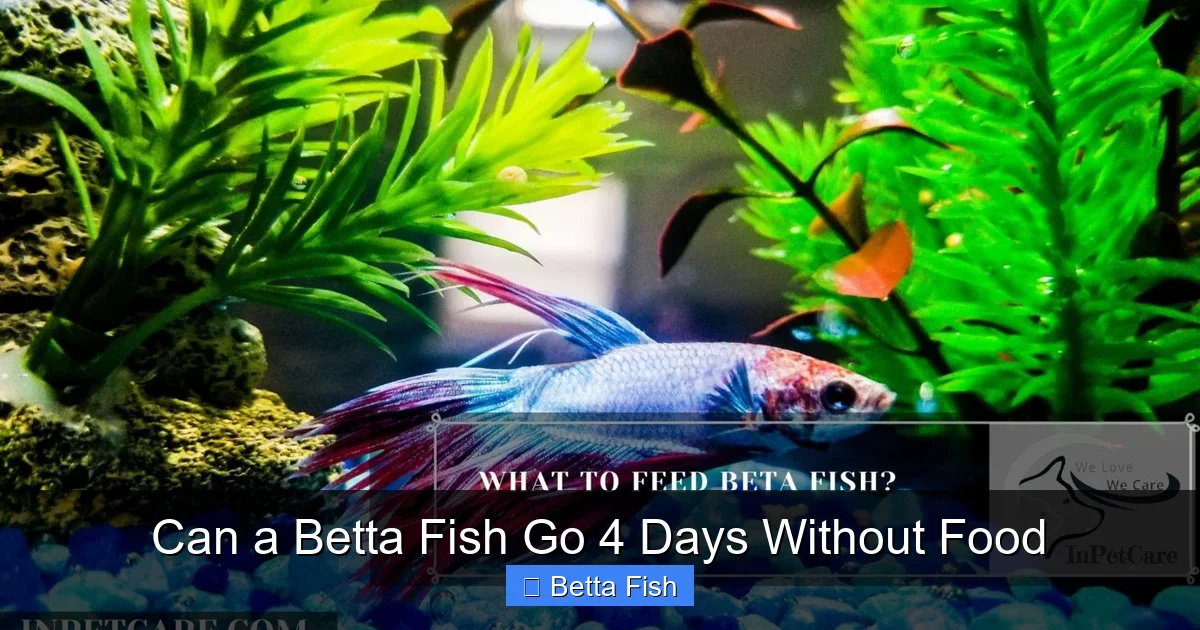
Can a Betta Fish Go 4 Days Without Food
Betta fish can survive four days without food, but it’s not ideal for long‑term health. A short fast may be necessary during travel or tank maintenance, yet you should monitor water quality and your fish’s behavior closely. Providing a small, nutritious snack before a fast and resuming regular feedings promptly will help keep your betta thriving.
Key Takeaways
- Four‑day limit: Most healthy adult bettas can safely endure up to four days without food, but stress increases after 48 hours.
- Water quality matters: Clean, well‑filtered water reduces stress during a feeding break.
- Watch for warning signs: Lethargy, loss of color, or clamped fins indicate a problem.
- Prep before you skip meals: Offer a protein‑rich snack the night before a planned fast.
- Gradual re‑feeding: Start with a tiny amount of food after a fast to avoid digestive upset.
- Age and health affect tolerance: Juvenile or ill bettas need more frequent feedings.
- Internal resources: Learn more about fasting limits in related articles such as How Long Can A Betta Fish Go Without Food and How Many Days Can Betta Fish Go Without Food.
📑 Table of Contents
Introduction: Why the Question Comes Up
Most betta owners have faced a moment when they wonder, “Can my betta survive a few days without food?” Whether you’re traveling, dealing with a power outage, or simply forgot to feed, the answer isn’t a simple yes or no. Betta fish (Betta splendens) are hardy, but they are also small predators that rely on regular protein intake. In this article we’ll break down exactly how long a betta can go without food, what to watch for, and practical steps to keep your fish safe during a short fasting period.
We’ll cover the biology behind a betta’s metabolism, the role of water quality, and the difference between a healthy adult and a juvenile or sick fish. By the end, you’ll know whether a four‑day fast is a realistic emergency plan or a risky gamble.
Understanding Betta Metabolism
How Betta Fish Eat in the Wild
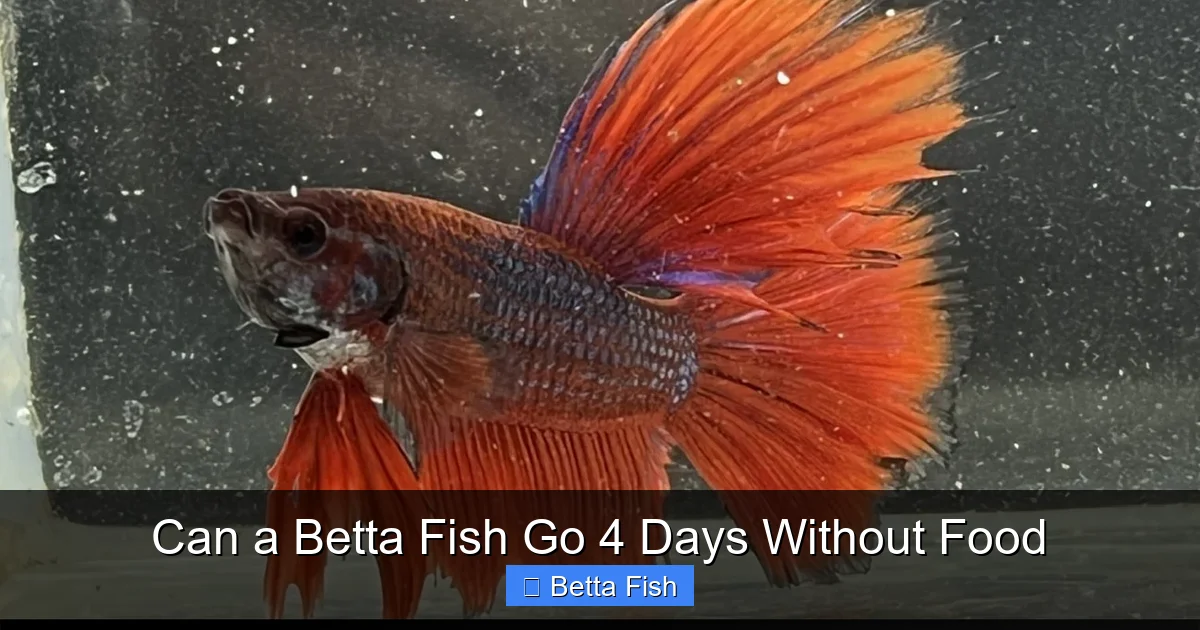
In their natural habitats—shallow rice paddies and slow‑moving streams of Southeast Asia—bettas hunt insects, larvae, and tiny crustaceans. Food comes in bursts, not a constant stream. This “feast‑or‑famine” pattern has given them a modest ability to store energy in their liver and muscle tissue.
Visual guide about Can a Betta Fish Go 4 Days Without Food
Image source: buildyouraquarium.com
Energy Stores and Digestion
When you feed a betta, the protein is broken down into amino acids, which are either used right away for growth and repair or stored as glycogen in the liver. Glycogen can sustain the fish for a day or two, but once those reserves are depleted, the betta must rely on fat stores—limited in a small fish.
Impact of Temperature
Warmer water speeds up metabolism. At 78 °F (25.5 °C), a betta will burn through its reserves faster than at 72 °F (22 °C). If you’re planning a short fast, keep the tank temperature stable and avoid raising it unnecessarily.
What Science Says About Fasting Durations
Studies and Expert Opinions
While there are no peer‑reviewed studies that focus solely on betta fasting, aquarists and ichthyologists agree on a general rule: a healthy adult betta can go 3–5 days without food, but stress signs appear after 48 hours. This aligns with the guidance found in How Long Can A Betta Fish Go Without Food, which notes that four days is the upper safe limit for most specimens.
Visual guide about Can a Betta Fish Go 4 Days Without Food
Image source: petshun.com
Age Matters
Juvenile bettas have higher metabolic rates and smaller energy reserves. They may struggle after just 24–36 hours without food. Conversely, a mature, well‑conditioned male can stretch to the four‑day mark without serious harm.
Health Status
Any underlying disease—such as ich, velvet, or fin rot—drains energy reserves faster. Sick fish should never be left unfed for more than 24 hours.
Practical Tips for a Four‑Day Fast
1. Prepare the Tank
- Clean water: Perform a partial water change (20‑30 %) the day before the fast. Clean water reduces ammonia spikes that could stress a fasting fish.
- Stable temperature: Use a reliable heater and a thermometer. Avoid sudden temperature changes.
- Minimal stress: Turn off bright lights and reduce tank traffic (no new decorations or aggressive tank mates).
2. Feed a Nutrient‑Dense Snack
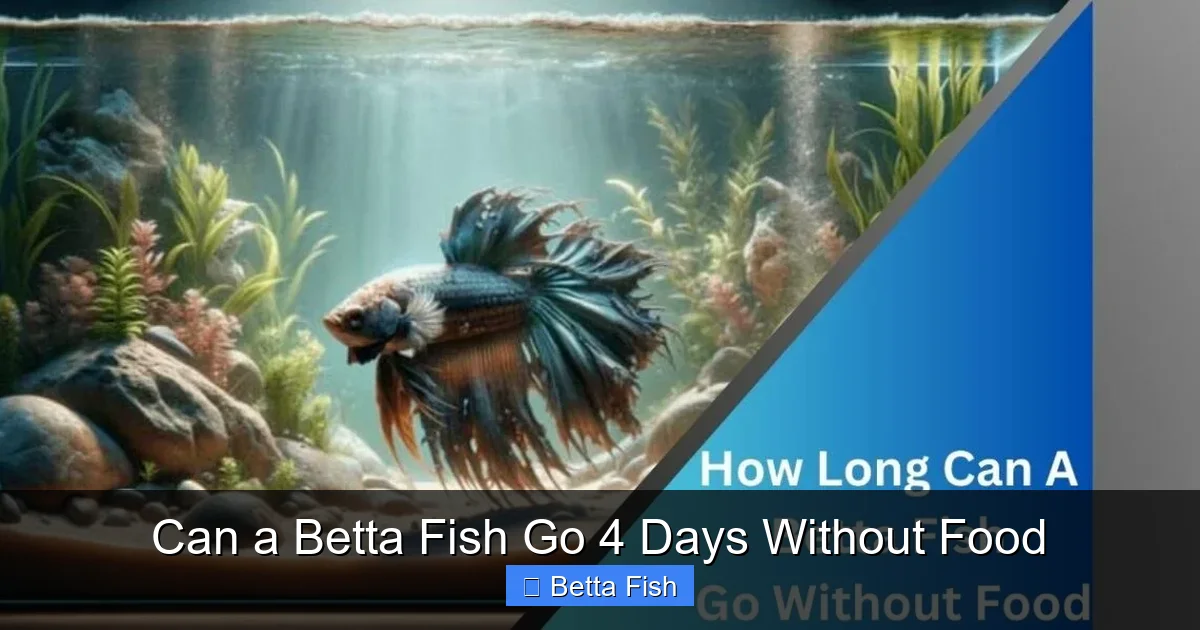
Give your betta a small portion of high‑protein food—like frozen bloodworms or a dab of brine shrimp—about 30 minutes before you start the fast. This tops off glycogen stores and gives the fish a feeling of satiety.
Visual guide about Can a Betta Fish Go 4 Days Without Food
Image source: walkerfeed.com
3. Monitor Water Parameters
Even without feeding, waste continues to accumulate from respiration and any leftover food particles. Test the water daily for ammonia, nitrite, and nitrate. If levels rise, perform a small water change.
4. Observe Behavioral Cues
During the fast, watch for these warning signs:
- Lethargy or loss of typical “flaring” behavior.
- Clamped fins (fins held close to the body).
- Faded coloration, especially in the dorsal and caudal fins.
- Erratic swimming or floating near the surface.
If you notice any of these, feed a tiny amount immediately and reassess water quality.
5. Re‑Feeding After the Fast
When you resume feeding, start with a very small portion—about the size of the fish’s eye—once or twice a day for the first two days. Gradually increase to the normal feeding schedule (2‑3 times daily). This prevents “over‑digestion” and bloating, which can be fatal.
When to Seek Professional Help
Signs of Critical Stress
If your betta shows any of the following, act quickly:
- Complete loss of movement or hanging upside down.
- Severe discoloration (pale or white patches).
- Visible parasites or fungal growth.
At this point, a rapid, small feeding of live or frozen foods can sometimes revive the fish, but a visit to an experienced aquarium vet is recommended.
Underlying Health Issues
Persistent refusal to eat beyond 48 hours often signals disease. Conduct a thorough check for external parasites, fungal patches, or signs of internal infection. Treat accordingly before attempting another fast.
FAQs About Betta Fasting and Care
Can a betta fish go a full week without food?
Generally no. While a few bettas have survived up to seven days, most will show severe stress after four to five days, especially if water conditions are not perfect.
Is it okay to skip a single feeding occasionally?
Yes. Missing one feeding (24 hours) is not harmful for a healthy adult betta. It can happen during holidays or short trips.
Do bettas need to eat every day?
In captivity, feeding twice daily with a small portion each time is ideal. Overfeeding leads to water quality problems, while under‑feeding can cause malnutrition.
Can I feed my betta frozen foods during a fast?
Frozen foods are actually a good way to give a quick energy boost before a fast, but they should not replace regular meals for extended periods.
How does water temperature affect a fast?
Higher temperatures increase metabolism, so a betta will use up its energy stores faster. Keep the tank at the lower end of the recommended range (76‑78 °F) if you anticipate a short fast.
What if my betta is a fry?
Fry need constant food—typically 3‑4 feedings per day. They cannot survive more than 12‑24 hours without food.
Conclusion: Balancing Convenience and Care
In short, a healthy adult betta can safely endure four days without food, but this should be an exception, not a routine. Proper tank preparation, close observation, and a careful re‑feeding plan are essential to prevent stress and disease. Always prioritize water quality and watch for any signs of distress. When in doubt, a tiny feeding or a quick water change can make all the difference.
Remember, the best way to keep your betta thriving is consistent, balanced nutrition paired with clean, stable water. If you ever need more detailed guidance on fasting limits, check out our related articles like How Long Can A Betta Fish Go Without Food and How Many Days Can Betta Fish Go Without Food. With a little preparation, you can travel, clean, or handle emergencies without worrying about your finned friend’s health.
Frequently Asked Questions
Can a betta fish survive 4 days without water?
No. Betta fish need water at all times. Even a short period out of water can cause severe stress and fatal gill damage.
Is it safe to feed a betta fish goldfish food?
Occasionally, a betta can eat a tiny amount of high‑protein goldfish flakes, but it should not replace a betta‑specific diet.
How often should I change the water when my betta is not eating?
Perform a 20‑30 % water change every 24‑48 hours to keep ammonia low and maintain oxygen levels.
Can betta fish live in a bowl without a filter during a fast?
A bowl without a filter can work for a few days if you change the water frequently, but a filtered tank is far safer for any fasting period.
What are the signs of over‑feeding a betta?
Cloudy water, bloated abdomen, and excess waste are clear indicators that you’re feeding too much.
Do betta fish need fasting periods?
In the wild they naturally have periods without food, but in captivity a regular feeding schedule promotes optimal health.