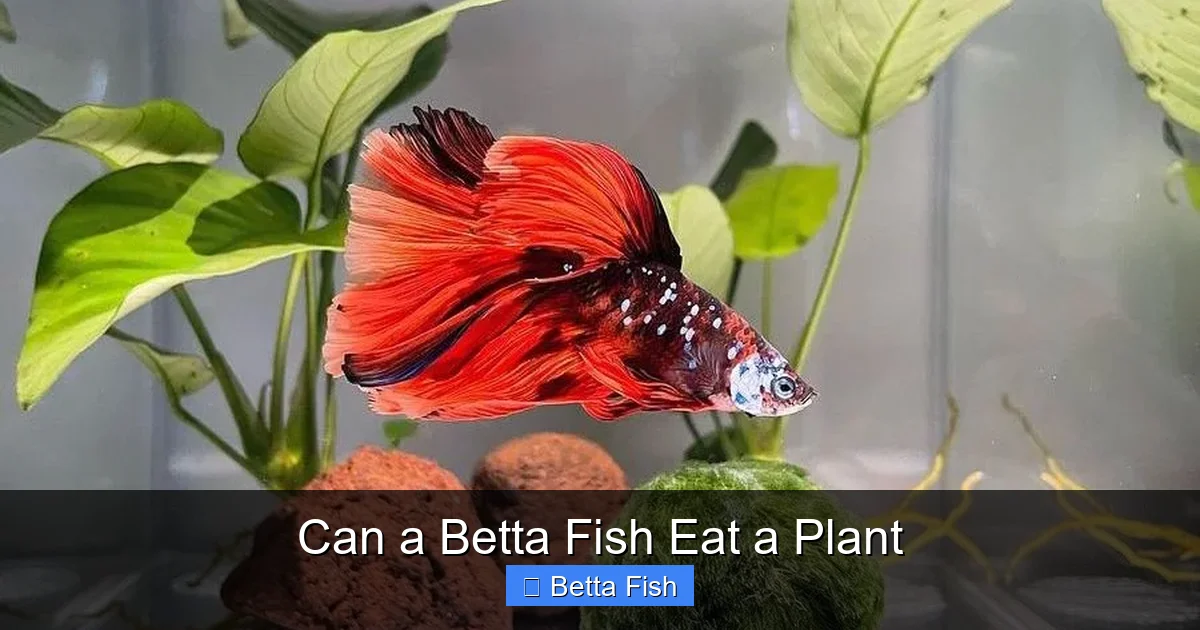
Can a Betta Fish Eat a Plant
Betta fish are primarily carnivores, but they will sometimes nibble on soft, edible plants. Offering the right live or frozen greens can boost nutrition and keep your betta happy, while toxic or hard‑leafed plants should be avoided.
Key Takeaways
- Betta diet basics: Bettas thrive on protein‑rich foods; plants are a supplemental treat, not a staple.
- Safe plant options: Soft, non‑toxic greens like duckweed, java moss, and baby spinach are betta‑friendly.
- Plants to avoid: Hard‑leafed, sharp, or toxic species can damage fins or poison your fish.
- How to introduce plants: Start with a small amount, observe behavior, and remove any uneaten pieces.
- Benefits of plants: They aid digestion, provide enrichment, and improve water quality when chosen wisely.
- Tank setup tips: Use floating or low‑light plants in a betta‑appropriate tank to prevent stress.
- Monitoring health: Watch for signs of over‑eating or plant‑related illness and adjust feeding accordingly.
📑 Table of Contents
Introduction: Why the Question Matters
If you own a betta fish, you’ve probably wondered, can a betta fish eat a plant? The answer isn’t a simple yes or no because bettas are naturally carnivorous, yet they often show curiosity toward greenery in their tank. Understanding their dietary needs helps you keep them healthy, vibrant, and stress‑free.
In this guide we’ll explore the science behind a betta’s mouth, list safe plant choices, show how to offer greens safely, and explain what to avoid. By the end you’ll know exactly how to answer the question “can a betta fish eat a plant” for your own aquarium.
1. Betta Fish Biology and Natural Diet
1.1. Carnivorous Roots
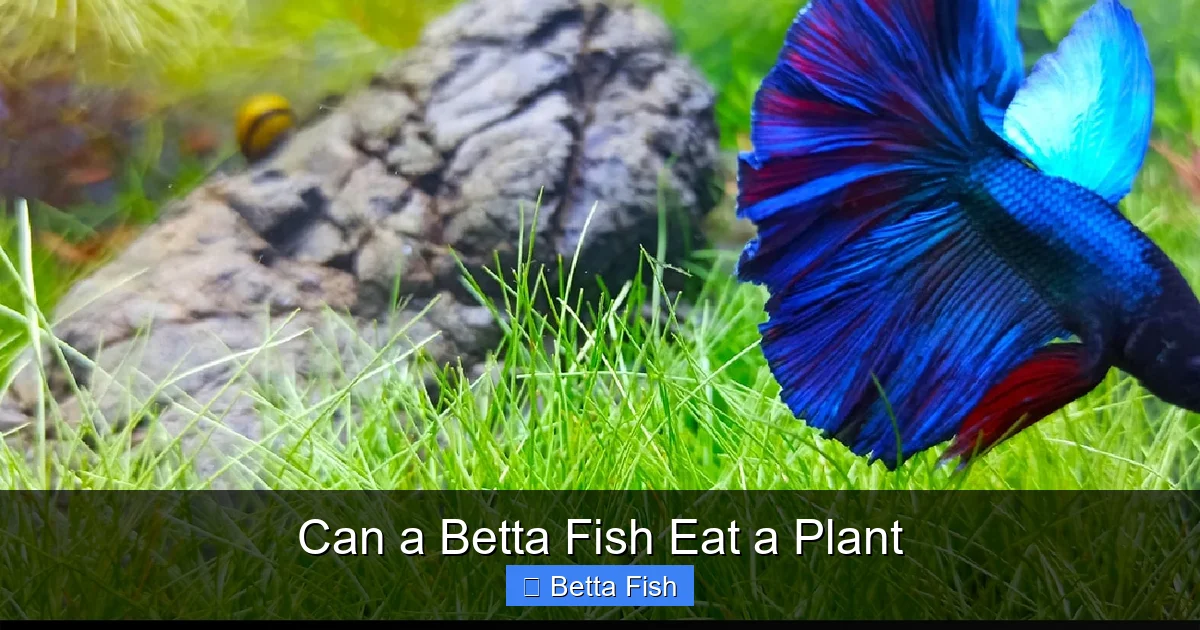
Bettas (Betta splendens) come from shallow, warm waters of Thailand where they hunt insects, larvae, and tiny crustaceans. Their mouths are designed for gulping up live prey, not grinding plant material.
Visual guide about Can a Betta Fish Eat a Plant
Image source: buildyouraquarium.com
1.2. Digestive System Limits
Their short intestines are built for protein digestion. Plant fibers pass through quickly and provide little nutrition unless the plant is soft and easy to break down.
1.3. Why They Might Nibble
In captivity, bettas sometimes nibble on plants out of boredom, to explore texture, or to supplement missing nutrients. This is why the question can a betta fish eat a plant comes up often among hobbyists.
2. Safe Plants for Bettas
2.1. Floating Plants
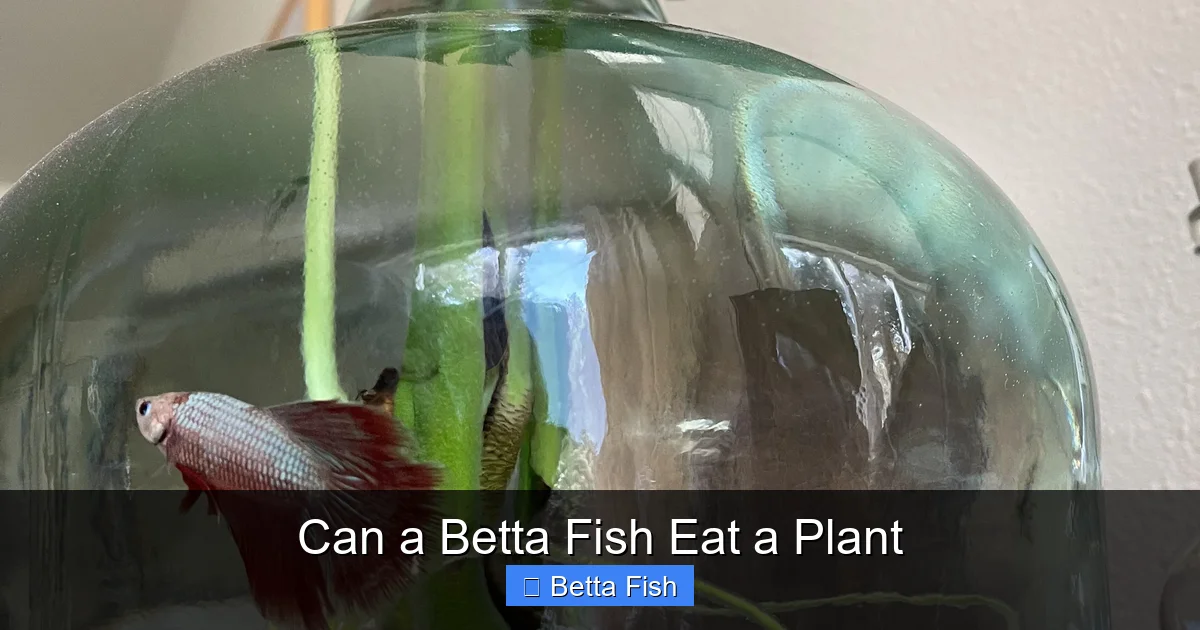
Floating greens are the easiest for a betta to nibble because they can reach them without swimming too far. Good choices include:
Visual guide about Can a Betta Fish Eat a Plant
Image source: i.redd.it
- Duckweed (Lemna minor): Tiny, soft leaves that dissolve quickly if over‑eaten.
- Water lettuce (Pistia): Provides shade and a gentle surface for grazing.
- Frogbit (Limnobium laevigatum): Small, delicate leaves that bettas love.
2.2. Mosses and Filaments
Mosses are soft, low‑maintenance, and safe for bettas. Popular options are:
- Java moss (Taxiphyllum barbieri): Can be tied to rocks or driftwood for easy access.
- Christmas moss (Vesicularia montagnei): Slightly firmer but still safe.
2.3. Live Leafy Greens (Non‑Aquatic)
If you prefer to feed greens directly, you can blanch and crush the following:
- Baby spinach
- Romaine lettuce (core removed)
- Kale (finely shredded)
These should be offered in tiny pieces and removed after a few minutes to avoid water fouling.
2.4. Commercial Betta Plant Foods
Some manufacturers sell freeze‑dried plant blends made for bettas. They are nutritionally balanced and dissolve quickly, providing a convenient way to answer the question can a betta fish eat a plant without buying live plants.
3. Plants to Avoid
3.1. Toxic Species
Plants like oleander, philodendron, and water hyacinth contain chemicals that can harm fish. Never place them in a betta tank.
Visual guide about Can a Betta Fish Eat a Plant
Image source: agribotix.com
3.2. Hard‑Leafed or Sharp Plants
Plants with tough, serrated leaves (e.g., Amazon sword) can tear a betta’s delicate fins. Even if the fish doesn’t eat them, the plant can cause stress.
3.3. Invasive or Fast‑Growing Species
Some fast growers like water lettuce can overrun a small betta tank, reducing swimming space and oxygen. Use them sparingly.
4. How to Introduce Plants Safely
4.1. Start Small
Place a few pieces of duckweed or a small clump of Java moss in the tank. Observe your betta for 24–48 hours. If it shows interest and no signs of distress, you can add a little more.
4.2. Monitor Feeding
Only offer as much plant material as your betta can consume in 2–3 minutes. Excess plant matter decomposes quickly, raising ammonia levels.
4.3. Use a Feeding Dish
A shallow dish keeps the plant contained, making clean‑up easier. It also prevents the plant from drifting into the filter.
4.4. Combine with Protein
Plants should supplement, not replace, protein foods. Pair a small amount of spinach with a high‑quality betta pellet or frozen brine shrimp. For more ideas on protein options, see our guide on what can betta fish eat.
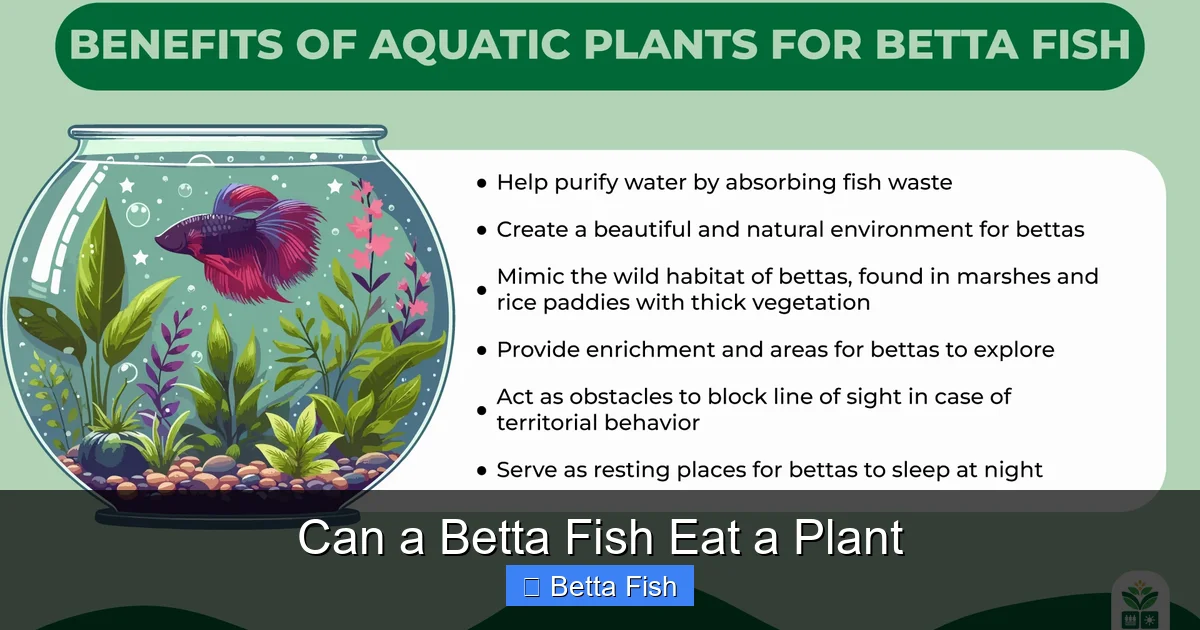
5. Benefits of Adding Plants
5.1. Improved Water Quality
Live plants absorb nitrates, helping keep the tank cleaner. Floating plants also provide shade, reducing stress for bettas who prefer dim lighting.
5.2. Enrichment and Natural Behavior
Having something to explore mimics a betta’s natural habitat, reducing boredom and the risk of fin‑nipping at tank glass.
5.3. Visual Appeal
A planted tank looks lush and vibrant. It can also hide equipment, making the tank more attractive for both fish and owners.
6. Common Mistakes and How to Fix Them
6.1. Over‑Feeding Plants
Too many greens cause cloudy water and spikes in ammonia. If you notice a foul smell or algae bloom, perform a partial water change and reduce plant portions.
6.2. Ignoring Plant Health
Dead or decaying leaves become a breeding ground for bacteria. Remove any brown or mushy plant parts immediately.
6.3. Choosing the Wrong Species
Always double‑check that a plant is non‑toxic and soft‑leafed. When in doubt, refer to our article on can you have an algae eater with a betta fish for compatible tank mates that also help control algae.
Conclusion: Answering the Core Question
So, can a betta fish eat a plant? Yes—if the plant is soft, non‑toxic, and offered in moderation. Bettas will happily nibble on floating duckweed, Java moss, or blanched leafy greens, gaining a bit of fiber and enrichment. However, plants should never replace the protein‑rich diet bettas need.
By selecting safe species, monitoring intake, and keeping the tank clean, you can safely incorporate plants into your betta’s world. This not only answers the question but also creates a healthier, more engaging environment for your finned companion.
Frequently Asked Questions
Can bettas eat live plants?
Yes, bettas can eat soft live plants like duckweed and Java moss, but they should be offered as a supplement to a protein‑based diet.
What are the best plants for a betta tank?
Floating plants such as duckweed, water lettuce, and mosses like Java moss are ideal because they are soft, easy to nibble, and help improve water quality.
Are there any plants that are toxic to bettas?
Yes, plants like oleander, philodendron, and water hyacinth contain toxins that can harm bettas and should never be placed in their tank.
How often should I feed my betta plant material?
Offer a small amount of plant food 2–3 times a week, ensuring any uneaten pieces are removed within a few minutes to keep water parameters stable.
Can I feed my betta frozen or dried plant foods?
Commercial freeze‑dried plant blends made for bettas are safe and convenient. They dissolve quickly and provide balanced nutrition.
Will adding plants reduce the need for water changes?
Plants can help absorb nitrates, but regular water changes are still essential. Use plants as a supplement, not a replacement for maintenance.