How Often Should Clean a Betta Fish Bowl
Knowing how often should clean a betta fish bowl is the key to keeping your betta healthy and happy. A dirty bowl leads to stress, disease, and a shorter life for your fish. In this guide, we break down the exact cleaning frequency, step-by-step methods, and common mistakes so you can keep your betta’s home sparkling clean with minimal effort.
Keeping a betta fish bowl clean is one of the most important parts of fish ownership. But many new owners ask themselves, how often should clean a betta fish bowl, and the answer is not always straightforward. It depends on several factors like bowl size, whether you have a filter, and how many fish share the space. In this guide, we walk you through everything you need to know. You will learn the ideal cleaning frequency, what happens when you skip a cleaning, and how to do it the right way every single time.
## Why Regular Cleaning Matters for Your Betta Fish Bowl
Your betta fish lives in a small space. Unlike a large aquarium with a robust filtration system, a bowl has limited water volume. This means waste builds up fast. Ammonia from fish waste and uneaten food spikes quickly in a small bowl. Even a tiny amount of ammonia can stress your betta and lead to serious health problems.
Regular cleaning removes harmful toxins and keeps the water safe. It also helps maintain the right pH and temperature. A clean bowl gives your betta the energy to swim, explore, and show off its beautiful fins. Skipping cleanings leads to cloudy water, bad smells, and a sick fish.
### The Role of Beneficial Bacteria
Here is something many new owners do not realize. A betta bowl develops good bacteria over time. These bacteria break down harmful substances like ammonia and nitrite. Cleaning too aggressively wipes out these helpful bacteria. That is why you should never empty the bowl completely. Instead, focus on removing dirty water and replacing it with fresh, treated water.
## How Often Should You Clean a Betta Fish Bowl
So, how often should clean a betta fish bowl? The general rule is every 7 to 14 days. But this range shifts based on your specific setup. Let us break it down by different scenarios so you can find the right schedule for your bowl.
### Cleaning a Small Bowl (Under 3 Gallons)
Small bowls need more frequent attention. With less water, waste concentrates faster. If you have a bowl under 3 gallons, you should do a partial water change every 5 to 7 days. Use a small cup or turkey baster to remove about 30 to 50 percent of the water. Replace it with fresh, dechlorinated water at room temperature.
### Cleaning a Larger Bowl (3 to 5 Gallons)
A bigger bowl gives you a little more breathing room. With 3 to 5 gallons, you can stretch the cleaning interval to every 10 to 14 days. The extra water volume dilutes waste more effectively. Still, do not let more than two weeks pass without at least a partial change.
### Cleaning a Betta Bowl With a Filter
If your bowl has a filter, you can clean less often. Filters help circulate water and host beneficial bacteria. A filtered bowl might only need a partial water change every 10 to 14 days. However, you should still rinse the filter media in old tank water once a month. Never use tap water on the filter, as it kills the good bacteria.
### Cleaning a Betta Bowl Without a Filter
Bettas in bowls without filters need more hands-on care. You should clean the bowl every 5 to 7 days if there is no filter. Without mechanical filtration, debris and waste settle quickly. Frequent water changes become your primary method of keeping the water clean.
## Signs Your Betta Fish Bowl Needs Cleaning
Do not wait for a set date if your bowl is telling you it needs attention. Watch for these clear signs that your cleaning schedule needs to speed up.
### Cloudy Water
Cloudy water is the most obvious signal. It usually means bacterial bloom or excess waste. If the water looks milky or hazy, it is time for a water change. Cloudiness can also come from overfeeding, so check how much food your betta is getting.
### Strong Odor
A healthy betta bowl should not smell bad. If you notice a foul or ammonia-like odor, the water quality has dropped significantly. Do a partial water change immediately and check the temperature and pH levels.
### Algae Overgrowth
Green algae on the glass and decorations is normal in small amounts. But thick, slimy algae growth means too much light or too many nutrients in the water. Clean the algae off the bowl walls and reduce the light exposure to 8 to 10 hours per day.
### Lethargic or Sick Betta
If your betta stays at the bottom, refuses food, or shows clamped fins, the water might be dirty. A stressed betta is often a betta living in unclean water. Test the water parameters and perform a cleaning right away.
## Step-by-Step Guide to Cleaning Your Betta Fish Bowl
Cleaning a betta bowl is simple once you know the steps. Follow this process every time, and your fish will stay healthy and happy.
### Step 1: Gather Your Supplies
Before you start, have everything ready. You will need a clean bucket, a turkey baster or small siphon, a soft sponge or algae pad, and treated water. Never use soap or chemical cleaners on any bowl item. These are toxic to bettas.
### Step 2: Prepare Fresh Water
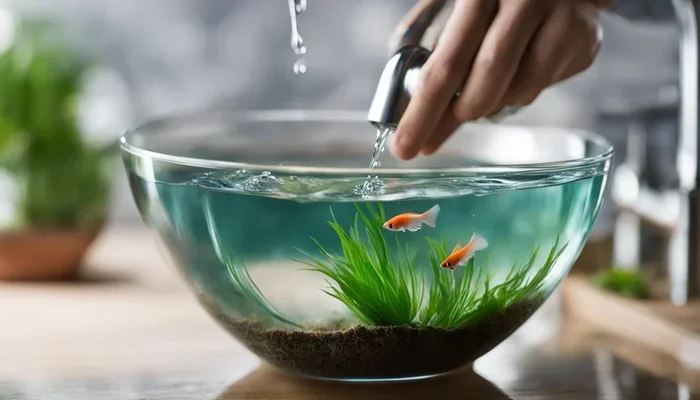
Fill the bucket with tap water and add a water conditioner to remove chlorine and chloramine. Let the water sit for 15 to 20 minutes to reach room temperature. Bettas are sensitive to temperature swings, so matching the bowl temperature is essential.
### Step 3: Remove 30 to 50 Percent of the Water
Use a turkey baster or small siphon to carefully remove the dirty water from the top. Try to vacuum up any debris or waste at the bottom during this step. Do not disturb your betta too much. Move slowly and gently.
### Step 4: Clean the Bowl Walls and Decorations
Use a soft sponge or algae pad to wipe down the inside glass. If you have rocks or decorations, rinse them in the old bowl water you removed. Never rinse decorations in tap water, as the chlorine will kill beneficial bacteria.
### Step 5: Add the Fresh Water
Slowly pour the treated, room-temperature water back into the bowl. Avoid pouring directly on your betta. Let the water flow gently down the side of the bowl.
### Step 6: Check Water Parameters
After cleaning, use a simple test kit to check the pH, ammonia, nitrite, and nitrate levels. The pH should be between 6.5 and 7.5. Ammonia and nitrite should read zero. Nitrates should be below 20 ppm.
## Common Mistakes to Avoid When Cleaning a Betta Bowl
Even well-meaning owners make mistakes. Here are the most common ones and how to avoid them.
### Overcleaning the Bowl
Some owners think a deep scrub is better. But scrubbing every surface removes the good bacteria your bowl needs. Stick to partial water changes and gentle cleaning. You are not trying to sterilize the bowl.
### Using Tap Water Without Conditioner
Tap water contains chlorine and chloramine. These chemicals are safe for humans but deadly for bettas. Always use a water conditioner before adding fresh water to your bowl.
### Changing All the Water at Once
Replacing 100 percent of the water shocks your betta and destroys the bacterial colony. Never do a full water change unless absolutely necessary. Partial changes of 30 to 50 percent are the safe way to go.
### Overfeeding Your Betta
Extra food turns into waste, which makes the water dirty faster. Feed your betta two to three small pellets per day and remove any uneaten food after five minutes. Less waste means less frequent cleaning.
## Expert Tips for Keeping Your Betta Bowl Clean Longer
Want to stretch the time between cleanings? These expert tips help keep your betta bowl cleaner for longer.
### Add Live Plants
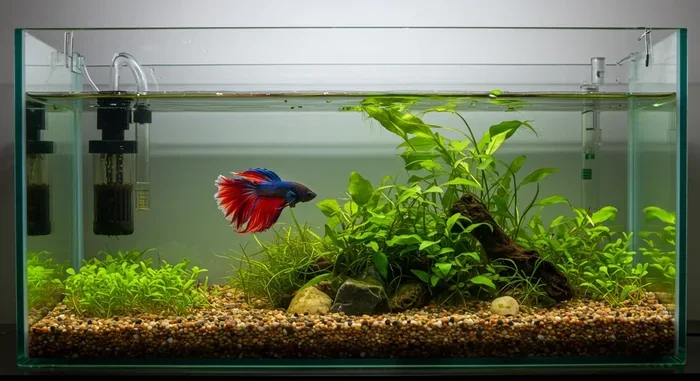
Live plants absorb ammonia and nitrate naturally. They also produce oxygen for your betta. Low-maintenance plants like java moss or anubias work great in betta bowls. They help keep the water cleaner and your betta healthier.
### Use a Small Sponge Filter
A tiny sponge filter makes a big difference. It provides mechanical and biological filtration without strong currents. Your betta will appreciate the cleaner water and you will enjoy longer intervals between cleanings.
### Feed Less, Feed Better
High-quality betta pellets produce less waste than cheap flakes. Feed small amounts once or twice a day. Your betta will eat everything you offer, leaving nothing to rot in the water.
### Keep the Bowl Away from Direct Sunlight
Direct sunlight feeds algae growth. Place your betta bowl in a spot with indirect light or low-light conditions. This simple change reduces algae and keeps the water cleaner between cleanings.
## Final Thoughts on Cleaning Your Betta Fish Bowl
So, how often should clean a betta fish bowl? The short answer is every 7 to 14 days with a partial water change. But the real answer depends on your bowl size, filter setup, and feeding habits. The most important thing is to stay consistent. A regular cleaning routine keeps your betta healthy, active, and beautiful.
Pay attention to your fish. Watch for the signs we discussed, and adjust your schedule when needed. A little effort goes a long way. Your betta will reward you with years of colorful, joyful companionship. Keep the bowl clean, the water safe, and your betta will thrive.
Key Takeaways
- Clean your betta bowl every 7 to 14 days: The exact frequency depends on bowl size, filter presence, and stocking levels.
- Partial water changes are better than full cleans: Replace 25 to 50 percent of the water each time to preserve beneficial bacteria.
- Watch for warning signs: Cloudy water, strong odor, algae buildup, and lethargic fish all signal the need for immediate cleaning.
- Use the right tools and water conditions: Dechlorinated water at the right temperature makes a big difference in your betta’s health.
- Avoid overcleaning: Stripping the bowl completely removes good bacteria and can harm your betta.
- Prevention beats reaction: Proper feeding, minimal waste, and live plants reduce how often you need to clean.
Frequently Asked Questions
Can I clean my betta fish bowl too often?
Yes, overcleaning removes beneficial bacteria that keep the water safe. Stick to partial water changes every 7 to 14 days and avoid deep scrubbing unless the water is severely contaminated.
What happens if I never clean my betta fish bowl?
Waste and ammonia build up quickly in a small bowl. This leads to stressed fish, disease, and eventually death. A dirty bowl is one of the leading causes of betta health problems.
Do I need to remove my betta during cleaning?
No, you can leave your betta in the bowl during a partial water change. Just be gentle when removing water and avoid sucking up your fish with the turkey baster.
Is bottled water safe for a betta fish bowl?
Bottled spring water can work if it is free of additives. However, tap water treated with a conditioner is the most common and cost-effective choice for betta bowls.
How do I know if the water is safe after cleaning?
Use a simple aquarium test kit to check ammonia, nitrite, nitrate, and pH levels. Safe water should have zero ammonia, zero nitrite, and nitrates below 20 ppm.
Can I use a regular household sponge to clean my betta bowl?
No, household sponges often contain chemicals, detergents, or bacteria that harm your fish. Always use a clean sponge specifically designated for aquarium use or a soft algae pad.