Betta fins can be torn or broken due to aggression, poor water conditions, or accidents. Understanding the causes and quick treatment steps helps you keep your betta looking vibrant and swimming freely.
Key Takeaways
- Fin damage is common: Betta fins can tear, fray, or develop rot from stress or injury.
- Environment matters: Sharp décor, overcrowding, and bad water quality increase the risk.
- Aggression triggers: Male bettas are territorial; keep them alone or with very peaceful tank mates.
- Early detection saves: Spotting torn edges or discoloration early lets you treat before infection spreads.
- Treatment is simple: Clean water, a salt dip, and a high‑quality diet often restore fin health.
- Prevention is key: Use smooth plants, proper tank size, and regular water changes to avoid future breaks.
- Professional help: Severe tears may need a vet or a specialized aquarium doctor.
📑 Table of Contents
Introduction: Why Betta Fins Matter
Betta fish, also called Siamese fighting fish, are famous for their dazzling fins. Those flowing tails and delicate pectoral sails aren’t just for show—they help the fish balance, display health, and communicate mood. When a fin is ripped, frayed, or missing, a betta can look sick, swim poorly, and become vulnerable to disease.
So, can a betta fish break a fin? The short answer is yes. The longer answer explains how, why, and what you can do to prevent and treat it. In this guide we’ll walk through the most common causes, the signs to watch for, step‑by‑step care tips, and ways to keep your betta’s fins looking spectacular.
1. How Betta Fins Can Get Damaged
1.1 Physical Trauma
Betta fins are thin membranes supported by tiny rays. A sudden bump against a sharp rock, a poorly placed ornament, or a hard tank lid can tear the fin like paper. Even a careless finger when you’re cleaning the tank can cause a nick.
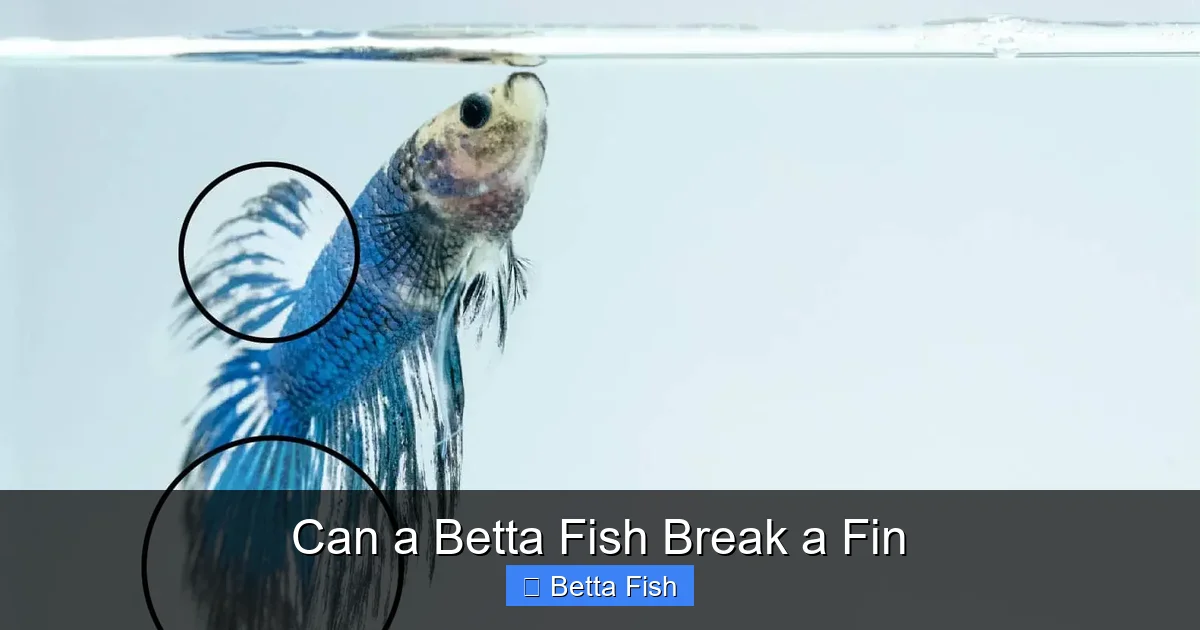
Visual guide about Can a Betta Fish Break a Fin
Image source: bettasource.com
1.2 Aggressive Interactions
Male bettas are naturally territorial. If you keep two males together, or place a male with a similarly bold fish, they may flare their gills, flare their fins, and clash. The resulting scratches often turn into torn edges.
1.3 Poor Water Quality
Ammonia spikes, high nitrite, or low pH weaken the protective slime coat on a betta’s skin. A weakened coat makes the fin more prone to fraying and to infections such as fin rot.
1.4 Nutritional Deficiencies
Without enough protein, vitamins, and essential fatty acids, fin tissue can become thin and brittle. A betta fed a diet of only low‑quality flakes may develop ragged fins over time.
2. Recognizing the Signs of a Broken Fin
2.1 Visual Clues
- Ragged or shredded edges on the tail, dorsal, or pectoral fins.
- White or transparent patches where the fin membrane is missing.
- Redness, swelling, or a fuzzy white growth (sign of fin rot).
2.2 Behavioral Changes
- Reluctance to swim or staying near the bottom.
- Frequent hiding or reduced flaring.
- Loss of appetite, which often signals stress or infection.
3. Immediate Steps to Take When You Spot a Damaged Fin
3.1 Quarantine If Possible
If you have another tank, move the betta to a clean, filtered quarantine bowl for 3‑5 days. This prevents any spread of bacterial infection to tank mates.
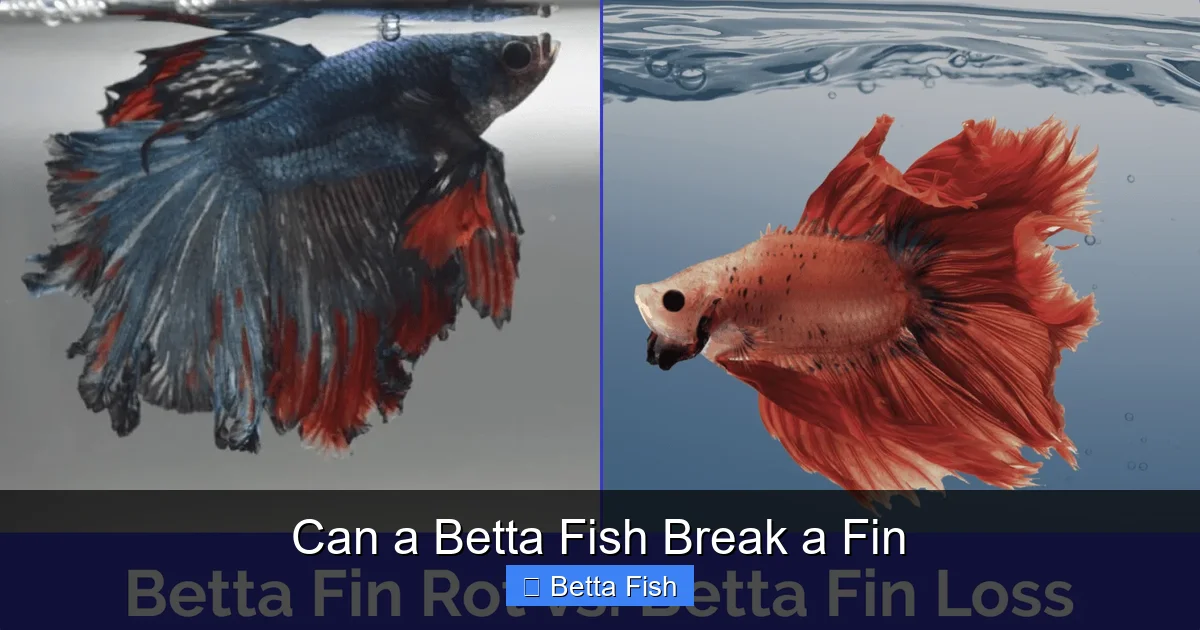
Visual guide about Can a Betta Fish Break a Fin
Image source: hepper.com

Visual guide about Can a Betta Fish Break a Fin
Image source: fishtanko.com
3.2 Perform a Salt Dip
Mix 1 gram of non‑iodized aquarium salt per liter of dechlorinated water. Let the betta soak for 5‑10 minutes. The salt helps reduce stress and kills many harmful bacteria.
3.3 Upgrade Water Quality
Do a 25‑30% water change with freshly conditioned water. Test for ammonia, nitrite, and nitrate. Aim for ammonia = 0 ppm, nitrite = 0 ppm, nitrate < 20 ppm.
3.4 Adjust the Diet
Offer high‑protein foods such as frozen or live brine shrimp, daphnia, or a quality betta pellet that lists “protein ≥ 40%.” Adding a vitamin‑rich supplement once a week can speed healing.
4. Long‑Term Prevention Strategies
4.1 Choose the Right Tank Setup
Betta fish thrive in a minimum 5‑gallon tank with a gentle filter and a lid to stop jumps. Avoid tiny bowls or containers that force the fish into close contact with hard surfaces.
4.2 Use Soft, Betta‑Safe Décor
Opt for smooth rocks, silk plants, and acrylic decorations. Avoid sharp plastic ornaments. A good rule: if you can feel a rough edge with your fingertip, the betta can too.
4.3 Keep Tank Mates Peaceful
If you want companions, choose very calm species such as snails, shrimp, or small, non‑aggressive fish like a single neon tetra. For more ideas, see What Fish Can Live With A Male Betta and Can You Keep Other Fish With A Betta.
4.4 Maintain Consistent Water Changes
Swap 20‑30% of the water weekly. Use a water conditioner that removes chlorine and chloramines. Keep the temperature stable between 76‑82°F (24‑28°C).
4.5 Regular Health Checks
Spend a few minutes each week watching your betta’s fins. A quick visual scan can catch a tiny tear before it becomes a full‑blown infection.
5. When to Seek Professional Help
If the fin shows severe loss, a thick white fungal growth, or the betta stops eating for more than 48 hours, it’s time to consult an aquarium‑specialized veterinarian. They may prescribe antibiotics or antifungal medication and can help you with advanced treatments like fin grafting in extreme cases.
Conclusion: A Healthy Fin Means a Happy Betta
Yes, a betta fish can break a fin, but most injuries are preventable with proper tank setup, careful décor choices, and attentive care. By recognizing the early signs, acting quickly, and keeping the environment clean, you’ll give your betta the best chance to heal and flaunt those gorgeous fins for years to come.
Frequently Asked Questions
Can a betta fish break its own fin?
Betta fish don’t intentionally break their own fins, but they can damage them by rubbing against sharp objects or by aggressive flaring during fights.
Is fin rot the same as a broken fin?
Fin rot is an infection that often starts after a fin is torn or broken. The torn area provides an entry point for bacteria, leading to decay.
How long does it take for a betta fin to regrow?
Small tears can start to heal within a week if conditions are optimal. Larger losses may take 2‑4 weeks, and some permanent scar tissue may remain.
Can I keep a betta with other fish without risking fin damage?
Yes, if you choose very peaceful tank mates and provide plenty of hiding spots. Check out What Fish Can Live With A Male Betta for safe options.
Do water temperature fluctuations cause fin injuries?
Sudden temperature changes stress bettas and weaken their slime coat, making fins more vulnerable to tearing and infection.
Should I use medication for a torn fin?
Mild tears usually heal with clean water and proper diet. If you see signs of infection—white fuzz, red edges, or rapid deterioration—use a broad‑spectrum antibacterial medication or see a vet.

