Why Don’t Betta Fish Get Along

Betta fish are naturally territorial and aggressive, especially males, which is why they don’t get along with each other. Understanding their instincts, tank setup, and proper care can prevent fights and keep your fish thriving. Follow these simple tips to create a peaceful environment for your bettas.
Key Takeaways
- Territorial nature: Male bettas view any other male as a rival, triggering fights.
- Visual triggers: Bright colors and flaring fins are signals that can spark aggression.
- Space matters: A cramped tank or missing divider makes confrontations inevitable.
- Gender differences: Females can sometimes live together, but only under strict conditions.
- Tank mates: Some peaceful species coexist well, while others provoke stress.
- Health impact: Constant fighting weakens immune systems and shortens lifespan.
- Prevention tips: Use dividers, proper filtration, and enrichment to reduce hostility.
📑 Table of Contents
Introduction
If you’ve ever watched two betta fish stare at each other through a glass barrier, you’ve probably wondered, “why don’t betta fish get along?” The answer lies in centuries of evolution, a fierce need to protect territory, and a splash of bright color that says “back off!” In this article we’ll break down the science behind betta aggression, show you how to avoid deadly confrontations, and give you practical tips for a harmonious aquarium.
Whether you’re a first‑time hobbyist or a seasoned keeper, understanding betta behavior is the key to keeping these gorgeous fish healthy and stress‑free. Let’s dive in and explore the world of betta personalities, tank design, and compatible companions.
1. The Biology Behind Betta Aggression
1.1 Wild ancestors and territorial instincts
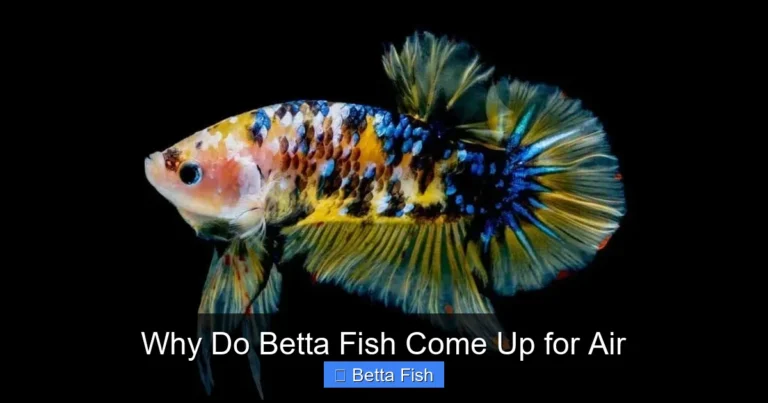
Betta splendens originated from shallow rice paddies and slow‑moving streams in Southeast Asia. In the wild, males defend small, resource‑rich patches of water that are perfect for building bubble nests. Their bright fins act like flags, warning other males to stay away. This territorial mindset has been passed down to our pet bettas, making them naturally combative toward other males.
1.2 Hormones and the “fight or flight” response
When a male betta sees a rival, his brain releases the hormone testosterone, which spikes his energy and triggers the classic flaring display. The gills expand, fins spread, and the fish swims in a rapid, jerky motion. This response is hard‑wired; even a reflection in a mirror can set it off.
1.3 Gender differences
Females are generally less aggressive, but they still have a hierarchy. In a group of females, a dominant individual will claim the best hiding spots and food sources. If the hierarchy is constantly challenged, fights can still occur. That’s why many experts recommend keeping females together only in larger, well‑planted tanks.
2. Common Scenarios That Trigger Conflict
2.1 Direct line‑of‑sight in a single tank
Placing two males in the same aquarium gives them an immediate visual cue to defend. Even if the tank is large, the constant line‑of‑sight is enough to spark aggression. This is why the classic “betta bowl” with a mirror is used as a stress test before introducing a new fish.
2.2 Inadequate space or hiding places
Bettas need room to establish a personal territory. A 2‑gallon tank may look cute, but it forces the fish into close quarters, raising cortisol levels and leading to fights. Adding live plants, driftwood, or silk ornaments creates visual barriers and safe zones.
2.3 Poor water quality
Ammonia spikes, low oxygen, or improper temperature can make fish irritable. A stressed betta is more likely to see a harmless neighbor as a threat. Consistent water changes and a reliable filter keep the environment calm.
3. How to Keep Multiple Bettas Peacefully
3.1 Using dividers
The simplest solution is a clear acrylic or glass divider. It lets each fish see the other’s colors—satisfying their visual curiosity—while preventing physical contact. Make sure the divider is sealed to avoid water leakage and that each side has its own filter flow.
3.2 The “Sorority” method for females
Some keepers successfully maintain a sorority of 4‑6 females in a 20‑gallon tank. The rule of thumb is one female per 3‑4 gallons, plus plenty of plants and hiding spots. Monitor the group for any overly dominant individuals and be ready to separate if injuries appear.
3.3 Choosing the right tank mates
Peaceful community fish such as neon tetras, corydoras, or small rasboras can share a tank with a single male betta if the space is ample (at least 10 gallons). Avoid fin‑nipping species like guppies or other brightly colored, long‑finned fish that might trigger a defensive response.
For more ideas on compatible species, see What Fish Do Bettas Get Along With.
4. Setting Up the Ideal Betta Habitat
4.1 Tank size and shape
Even a solitary male thrives best in a 5‑gallon long tank. The extra length gives space for swimming, while the height provides surface area for oxygen exchange. Avoid tall, narrow bowls that limit surface area and make it hard for the betta to breathe.
4.2 Filtration and heating
A gentle filter (sponge or low‑flow power filter) keeps water clean without creating strong currents that stress bettas. Maintain a temperature between 76‑82°F (24‑28°C) with an adjustable heater; fluctuations can cause aggression spikes.
4.3 Decorations and plants
Live plants like Java fern, Anubias, or floating moss create natural barriers. If live plants aren’t an option, silk or nylon plants work well. Avoid sharp plastic décor that can tear delicate fins during a scuffle.
5. Recognizing and Managing Aggression
5.1 Early warning signs
Watch for rapid gill flaring, vertical fin spreading, and hovering near the surface. These are pre‑fight displays. If you notice these, increase visual barriers or consider separating the fish.
5.2 Treating injuries
Fins that appear torn or ragged often indicate a recent fight. Treat with a mild antibacterial bath (e.g., a short dip in a separate container with a diluted aquarium salt solution). Keep the tank water pristine to prevent infection.
5.3 When to say goodbye
If injuries are severe or the betta shows chronic stress (loss of color, reduced appetite), it may be kinder to rehome the fish. A single, well‑cared‑for betta lives longer and happier than one constantly battling.
For a deeper dive into the reasons behind betta fights, read Why Betta Fish Fight Each Other.
6. Frequently Overlooked Factors
6.1 Light and reflection
Bright lighting or reflective surfaces can confuse bettas, making them think they see another rival. Use a matte backdrop or position the tank away from windows to reduce reflections.
6.2 Feeding competition
When two bettas are fed in the same tank, the dominant one may hog the food, causing the weaker fish to become stressed and aggressive. Feed in separate corners or use a feeding tube to ensure each fish gets its share.
6.3 Seasonal changes
During breeding season, male bettas become extra territorial as they build bubble nests. Even a previously peaceful pair may turn hostile when the male starts gathering materials. Monitor for nest‑building behavior and be ready to separate if necessary.
Conclusion
Understanding why betta fish don’t get along is the first step toward creating a safe, beautiful aquarium. Their natural aggression stems from territorial instincts, visual triggers, and hormonal responses. By providing enough space, visual barriers, appropriate tank mates, and pristine water conditions, you can dramatically reduce conflict and enjoy the vivid colors and graceful movements that make bettas such a favorite among hobbyists.
Remember, a single, well‑cared‑for betta often lives longer and displays brighter colors than a crowded, stressed group. Use the tips above, keep an eye on behavior, and you’ll have a thriving betta that brings joy to your home for years to come.
Frequently Asked Questions
Why do male bettas fight each other?
Male bettas are highly territorial. When they see another male, hormones trigger a flaring display and a fight to defend their space and potential breeding site.
Can female bettas live together?
Yes, females can be kept in a sorority if the tank is large enough (20+ gallons) and filled with plants and hiding spots to establish a hierarchy.
What tank size is best for a single betta?
A minimum of 5 gallons is recommended. Larger tanks provide more swimming room, better water stability, and space for enrichment.
Are there any fish that can safely share a tank with a male betta?
Peaceful, non‑fin‑nipping species like neon tetras, corydoras, or small rasboras can coexist in a well‑planted 10‑gallon tank, provided the betta is not overly aggressive.
How can I stop my betta from attacking its reflection?
Cover the back of the tank with a dark, non‑reflective material or place a decorative background to eliminate mirrors that trigger aggression.
What should I do if my betta gets injured in a fight?
Separate the fish immediately, treat the injury with a mild antibacterial dip, and improve tank conditions to reduce stress and prevent future fights.