Can 2 Betta Female Fish Live Together
Yes, two female bettas can share a tank—but only under the right conditions. Choosing the proper tank size, décor, and monitoring behavior are key to preventing aggression and ensuring both fish thrive.
Key Takeaways
- Size matters: A minimum of 10‑gallon (38 L) tank gives each female enough space to establish territories.
- Plants and hiding spots: Live or silk plants, caves, and driftwood reduce stress and keep fights down.
- Temperament varies: Not all females are peaceful; observe personalities before adding a second fish.
- Gradual introduction: Use a divider or a neutral “meeting tank” to let them get used to each other.
- Water quality is critical: Stable temperature (78‑80 °F) and low nitrate keep both bettas healthy.
- Monitor daily: Early signs of flare-ups mean you must separate them immediately.
- Alternative options: If two females can’t coexist, consider a single‑sex sorority or a planted community tank with other peaceful species.
📑 Table of Contents
- Introduction: Why the Question Matters
- 1. Understanding Female Betta Behavior
- 2. The Right Tank Setup
- 3. Introducing the Fish: Step‑by‑Step
- 4. Signs of Compatibility vs. Conflict
- 5. Alternatives When Two Females Won’t Co‑Exist
- 6. Frequently Overlooked Details
- Conclusion: Making the Decision
- Further Reading
Introduction: Why the Question Matters
If you’ve ever stared at a gorgeous, flowing‑fin female betta and wondered whether you could double the beauty, you’re not alone. The vibrant colors and graceful fins make these fish a favorite for both beginners and seasoned hobbyists. However, the old adage “Betta fish are solitary” still haunts many aquarists.
In reality, female bettas (often called “sorority bettas”) can live together, but success hinges on a handful of crucial factors. This guide breaks down everything you need to know about whether can 2 betta female fish live together in a single aquarium, from tank size to personality testing, and even what to do if things go south.
1. Understanding Female Betta Behavior
Natural instincts
Female bettas are less aggressive than their male counterparts, but they are still territorial. In the wild, they defend small patches of vegetation and will chase intruders that encroach on their space. This instinct carries over to home aquariums.

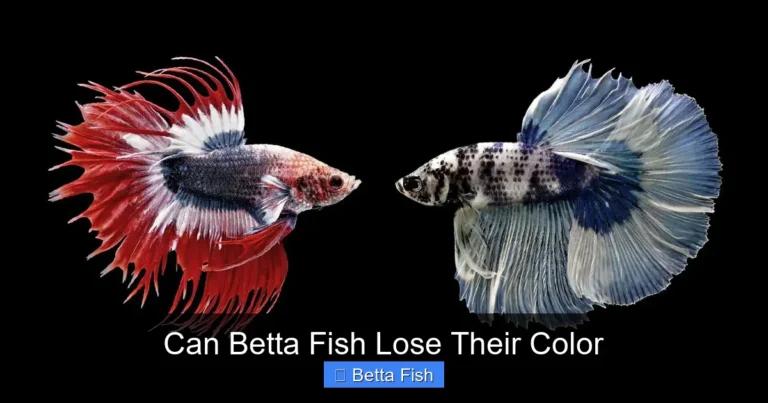
Visual guide about Can 2 Betta Female Fish Live Together
Image source: bettasource.com
Temperament spectrum
Just like people, some females are laid‑back while others are feisty. Factors that influence temperament include:
- Genetics – certain strains are bred for calmness.
- Age – younger fish are usually more tolerant.
- Previous tank mates – a fish that has lived with others may be more social.
Because of this variability, you’ll never know for sure until you observe the individual fish.
2. The Right Tank Setup
Tank size is non‑negotiable
The most common mistake is trying to keep two females in a 5‑gallon (19 L) bowl. A minimum of 10 gallons (38 L) provides enough horizontal space for each fish to claim a territory without feeling cramped. Larger tanks (15‑20 gallons) are even better, especially if you plan to add plants or other community species.

Visual guide about Can 2 Betta Female Fish Live Together
Image source: petmedaily.com
Filtration and water flow
Betta fish prefer calm water, but good filtration is essential for water quality. Choose a low‑flow sponge filter or a hang‑on‑back filter with a spray bar that diffuses the current. This keeps the water clean without creating a strong current that stresses the fish.
Plants, décor, and hiding spots
Live plants such as Java fern, Anubias, and Amazon sword not only improve water chemistry but also break lines of sight. Silk or soft‑leaf plants are safer than plastic ones that can tear delicate fins. Add caves, driftwood, and PVC pipes to give each betta a place to retreat.
Lighting and temperature
Maintain a stable temperature of 78‑80 °F (25‑27 °C) with a reliable heater. A 10‑hour light cycle mimics natural conditions and reduces stress.
3. Introducing the Fish: Step‑by‑Step
Quarantine first
Before any introductions, quarantine each female for at least two weeks. This helps you catch diseases early and gives you a chance to observe each fish’s personality in a separate tank.
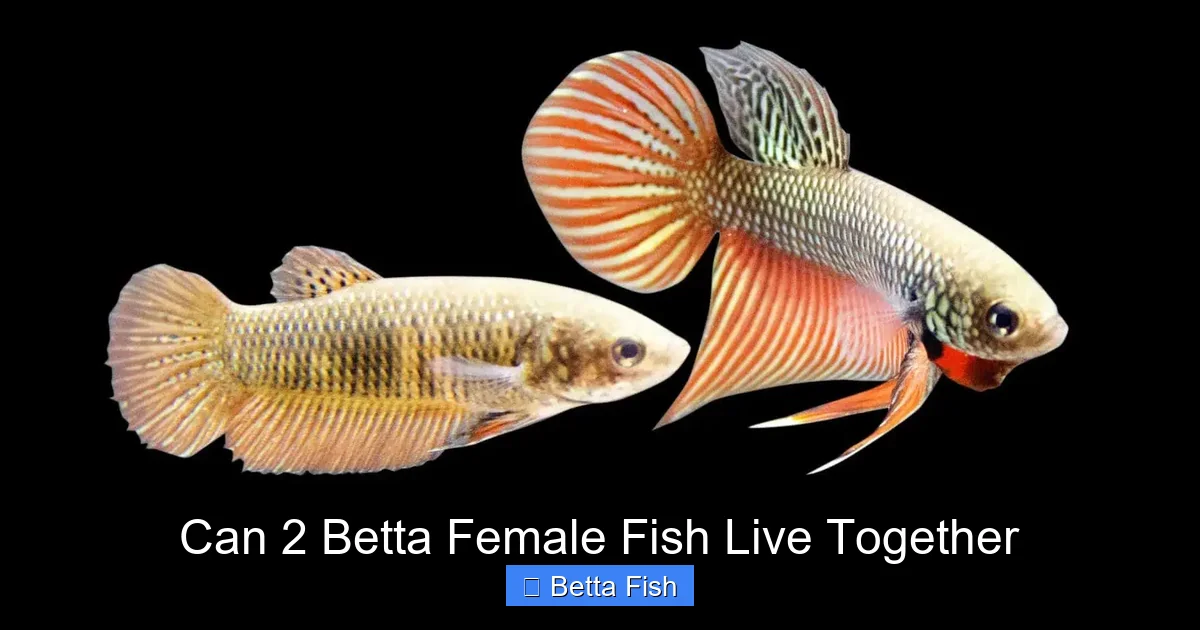
Visual guide about Can 2 Betta Female Fish Live Together
Image source: bettasource.com
Use a divider
Place a clear acrylic or mesh divider in the main tank. This lets the fish see each other without physical contact, allowing them to get used to each other’s presence. Keep the divider in place for 3‑5 days, watching for signs of calm or aggression.
Neutral “meeting tank”
If both fish seem relaxed behind the divider, move them together into a small, empty “neutral” tank (no décor yet) for a 30‑minute supervised session. This short encounter helps you gauge whether they can tolerate each other.
Full integration
When you’re confident they’re compatible, remove the divider and add plants and décor. Keep a close eye on the first 24‑48 hours. Minor flaring is normal, but full‑scale attacks mean you must separate them immediately.
4. Signs of Compatibility vs. Conflict
Positive indicators
- Gentle flaring without lunging.
- Sharing the same swimming zone without hovering over each other.
- Relaxed posture, slow swimming, and regular feeding.
Red flags
- Frequent, intense flaring with raised gill covers.
- Chasing, biting, or fin nipping.
- One fish hiding constantly while the other dominates the space.
If any red flag appears, use a temporary divider or a separate tank to give the aggressor space. In some cases, the two females simply aren’t a good match.
5. Alternatives When Two Females Won’t Co‑Exist
Single‑sex sorority tanks
Instead of just two, many aquarists keep a small sorority of 4‑6 females in a larger (20‑30 gallon) heavily planted tank. The increased numbers diffuse aggression, and the plants provide ample hiding spots.
Mixing with peaceful community fish
Betta females can share a tank with small, non‑aggressive species such as Neon Tetras, Harlequin Rasboras, or Cherry Shrimp, provided the tank is well‑planted and the bettas have enough space.
Separate tanks
If you prefer to keep only two females and they clash, a simple solution is a double‑divided tank (two 5‑gallon sections) or two 3‑gallon nano tanks. This still lets you enjoy two beautiful fish without risking injury.
6. Frequently Overlooked Details
Feeding etiquette
Feed both fish at opposite ends of the tank to avoid competition. Use sinking pellets or micro‑worms that disperse quickly, reducing the chance of one fish monopolizing the food.
Water changes
Perform 25‑30 % water changes weekly. Stable water parameters are especially important for bettas, as fluctuations can increase aggression.
Health monitoring
Regularly check for signs of fin rot, velvet, or ich. Sick fish become more irritable and may start fighting.
Conclusion: Making the Decision
So, can 2 betta female fish live together? The answer is a confident “yes,” but only when you give them the space, hiding places, and careful introduction they need. By respecting their natural instincts and monitoring their behavior, you can enjoy a vibrant, interactive display of two beautiful females swimming side by side.
Remember, each betta is an individual. If the first pair doesn’t get along, don’t be discouraged—try a different combination, expand the tank, or consider a larger sorority. With patience and the right setup, a harmonious community of female bettas is well within reach.
Further Reading
For more detailed guidance on specific setups, check out these related articles:
- Can 2 Female Betta Fish Live Together
- Can You Keep 2 Female Betta Fish Together
- Can 2 Betta Fish Live Together
Frequently Asked Questions
Can two female bettas share a 10‑gallon tank?
Yes, a 10‑gallon tank provides enough horizontal space for each fish to claim a territory, especially when it’s well‑planted and has plenty of hiding spots.
Do female bettas ever fight?
They can. While generally less aggressive than males, females still defend territory and may flare or chase if they feel threatened.
How long should I keep a divider in place?
Typically 3‑5 days, but watch the fish closely. If they remain calm after that period, you can try a short supervised meeting.
What plants are safest for bettas?
Live plants like Java fern, Anubias, and Amazon sword are ideal. If you use artificial plants, choose silk varieties to avoid tearing fins.
Can I keep other fish with two female bettas?
Yes, peaceful community species such as neon tetras, rasboras, or shrimp can coexist if the tank is spacious and well‑planted.
What should I do if one female constantly attacks the other?
Separate them immediately using a divider or a second tank. Re‑evaluate their compatibility after a few weeks; sometimes a different pairing works better.