How Can I Make My Female Betta Fish Happy

Making your female betta fish happy comes down to a few key things: the right tank size, clean water, a healthy diet, and interesting surroundings. Female bettas are active, curious fish that thrive when their environment meets their physical and social needs. This guide covers everything you need to know to keep your female betta fish healthy, playful, and stress-free every single day.
A happy female betta fish is one that swims actively, explores her surroundings, and shows vibrant colors. If your betta sits at the bottom of the tank or hides all the time, something might be off. Understanding what makes female bettas tick is the first step toward giving them the best life possible.
Many fish owners assume bettas are low-maintenance pets. They are not. These beautiful creatures need proper care, stimulation, and a well-thought-out environment. The good news is that making your betta happy is easier than you think. A few smart changes to her setup and routine can transform her quality of life.
This article walks you through every aspect of betta fish care that directly impacts happiness. From tank size to tank mates, from feeding habits to water conditions, we cover it all. By the end, you will have a clear action plan to keep your female betta thriving.
Key Takeaways
- Tank size matters: A minimum 5-gallon tank gives your female betta room to swim and explore.
- Water quality is critical: Keep temperature between 78-80°F and cycle your tank properly.
- Enrichment prevents boredom: Plants, caves, and gentle current make a huge difference in your betta’s mood.
- Diet affects happiness: Feed a varied diet of high-quality pellets, frozen foods, and occasional treats.
- Tank mates can help: Choosing the right companions reduces loneliness and encourages natural behavior.
- Watch for stress signs: Recognizing early warning signs keeps health problems from getting worse.
📑 Table of Contents
Understand Your Female Betta Fish
Before you can make your betta happy, you need to understand who she is. Female bettas are often misunderstood. Many people think they are all the same as their male counterparts, but that is not true.
Female Betta Behavior
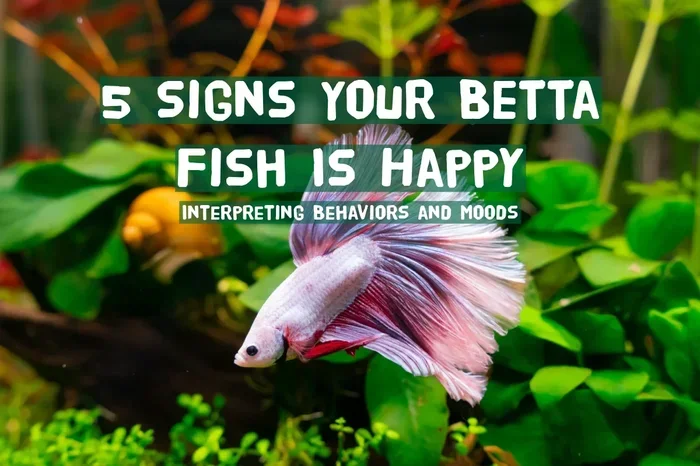
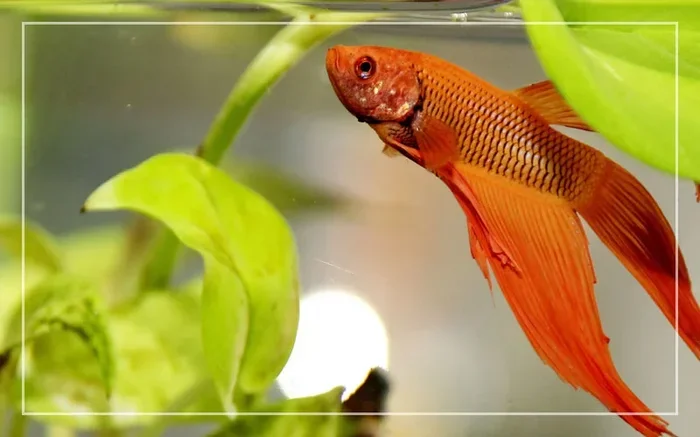
Female bettas have a different personality than males. They are social creatures that can live together in groups called sororities. A happy female betta will explore her tank, interact with decorations, and show off her colors. When she feels safe, her fins spread wide and her colors become more vivid.
Watch your betta’s betta fish behavior closely. A stressed female might clench her fins, hide behind decorations, or refuse food. These are clear signs that something in her environment needs attention.
What Makes a Betta Happy?
Several factors contribute to a happy betta fish. Space is number one. Many people keep bettas in tiny bowls, which is incredibly stressful for them. Clean water, proper temperature, and a balanced diet round out the basics. But beyond the essentials, enrichment plays a big role.
Think of your betta like a small dog. She needs mental stimulation, a comfortable home, and enough room to move around. Meeting these needs creates a betta fish habitat where she can truly thrive.
Set Up the Perfect Tank
The foundation of a happy betta is her tank. A proper betta tank setup makes all the difference. Here is what you need to know.
Choose the Right Tank Size
A 5-gallon tank is the minimum for a single female betta. Some experts even recommend 10 gallons for a sorority setup. Bigger tanks give your fish more room to swim and explore. A cramped tank leads to stress, which leads to health problems.
When choosing a tank size for betta, think about your fish’s natural habitat. In the wild, bettas live in warm, slow-moving waters with plenty of plants and hiding spots. Replicating that environment in your home is the goal.
Add Plants and Decorations
Live plants are excellent for a betta tank. They provide natural hiding spots and help keep the water clean. Java moss, anubias, and java fern are all great choices because they grow well in warm water.
Add caves, driftwood, and gentle decorations. These give your betta places to explore and rest. A well-decorated tank reduces stress and encourages natural behavior. Just make sure there is enough open swimming space too.
Maintain Proper Water Conditions
Clean water is non-negotiable. Use a proper filtration system that does not create too strong a current. Bettas prefer slow-moving water because their long fins make them weak swimmers.
Keep the temperature between 78 and 80 degrees Fahrenheit. Test the water regularly for ammonia, nitrite, and nitrate levels. A cycled tank with stable parameters is the healthiest environment for your female betta fish.
Feed a Balanced and Varied Diet
What you feed your betta directly affects her health and happiness. A betta fish diet that lacks variety can lead to boredom and nutritional gaps.
Best Foods for Female Bettas
High-quality betta pellets should be the staple of her diet. Look for pellets with real fish meal as the first ingredient. These provide the protein your betta needs to stay active and colorful.
Supplement her diet with frozen or live foods. Bloodworms, brine shrimp, and daphnia are excellent treats. Feed these 2-3 times per week as additions to her regular meals. Variety keeps mealtime exciting and ensures she gets a full range of nutrients.
Feeding Schedule and Portions
Feed your betta small amounts twice a day. A few pellets per feeding is usually enough. Overfeeding is a common mistake that leads to bloating and poor water quality.
Watch your betta’s eating habits. If she refuses food for more than a day, check your water parameters first. Stress and poor water conditions often cause appetite loss before illness does.
Provide Tank Mates and Social Enrichment
Female bettas are not always solitary fish. With the right setup, they can live with other creatures. This adds social enrichment and keeps them mentally stimulated.
Can Female Bettas Live Together?
Yes, female bettas can form a sorority in a tank of 10 gallons or more. A group of 4-6 females works best. Provide plenty of hiding spots so no single fish becomes a target. Watch for aggression when first introducing them.
Good Tank Mates for Female Bettas
Not all fish make good companions. Choose peaceful species that share similar water requirements. Snails, for example, are excellent tank mates. They do not bother bettas and help clean the tank.
You can also consider shrimp like cherry shrimp or ghost shrimp. They add movement and interest to the tank without competing with your betta for space. Just make sure your betta cannot fit the shrimp in her mouth.
If you are wondering about adding other fish, always research compatibility first. A wrong pairing can lead to stress and fighting. The goal is a harmonious community where every fish feels safe.
Keep Her Healthy and Stress-Free
Prevention is always better than cure. A healthy betta is a happy betta. Here is how you can keep her in top shape.
Watch for Signs of Illness
Know the signs that something is wrong. Clamped fins, loss of color, swollen belly, and refusal to eat are all red flags. Catching problems early makes treatment much easier.
If you notice any of these signs, test your water immediately. Many health issues in bettas stem from poor water quality. A sick betta fish needs prompt attention to recover fully.
Reduce Stress in the Tank
Stress weakens your betta’s immune system. Common stressors include loud noises near the tank, sudden temperature changes, and aggressive tank mates. Keep her environment calm and predictable.
Avoid tapping on the glass or moving the tank around frequently. Bettas are sensitive to vibrations and sudden changes. A stable, quiet environment goes a long way toward keeping her relaxed.
Regular Maintenance Routine
Stick to a consistent maintenance schedule. Change 20-25% of the water every week. Vacuum the gravel gently to remove debris. Clean the glass with an algae scraper.
These small weekly tasks prevent buildup of harmful substances. Consistent care is the backbone of good betta fish care and a happy fish.
Create Mental Stimulation and Enrichment
Bettas are smarter than people give them credit for. They can recognize their owners and even learn simple tricks. Giving your betta mental stimulation keeps her engaged and curious.
Add Enrichment to the Tank
Rearrange decorations occasionally to give your betta a fresh perspective. Just be gentle and avoid disturbing the substrate too much. New layouts encourage exploration and natural foraging behavior.
You can also float a small leaf or log on the water surface. Bettas love resting on these. It mimics their natural environment and gives them a cozy spot to relax.
Training and Interaction
Yes, you can train your betta fish. Use a feeding ring or target stick to teach simple behaviors. Training sessions should be short and positive. This is a wonderful way to bond with your fish and keep her mentally sharp.
Some owners even teach their bettas to swim through hoops or follow their finger. It takes patience, but the results are rewarding. Mental enrichment is just as important as physical comfort.
Common Mistakes That Make Bettas Unhappy
Avoid these common pitfalls that can lower your betta’s quality of life.
- Keeping her in a tiny bowl. Bettas need at least 5 gallons of space to thrive.
- Skipping water changes. Dirty water causes stress and disease over time.
- Overfeeding. This leads to obesity and poor water quality.
- Using the wrong filter. Strong currents exhaust bettas and make them stressed.
- Ignoring temperature. Cold water slows metabolism and weakens the immune system.
- Housing aggressive tank mates. Fin-nippers and bullies cause constant stress.
Steering clear of these mistakes sets the stage for a long, happy life for your female betta fish. Small changes make a big impact over time.
Final Thoughts on Making Your Female Betta Happy
Making your female betta fish happy is not complicated. It comes down to providing a clean, spacious, and enriching environment. Feed her well, keep her water pristine, and give her companions and stimulation. A happy betta fish will reward you with vibrant colors, active swimming, and a joyful presence in your home.
Start with one or two changes today. Maybe it is upgrading her tank size or adding some live plants. Each small improvement adds up to a dramatically better life for your fish. Your betta depends on you for everything, and she will thrive when you give her the care she deserves.
If you are considering adding companions to her tank, check out what fish work well with female bettas. Understanding tank mate compatibility is an important part of creating a happy community tank for your female betta and her friends.
Frequently Asked Questions
How big should a tank be for a happy female betta fish?
A 5-gallon tank is the minimum for a single female betta. If you want to keep a group or add tank mates, aim for 10 gallons or more. More space always means a happier, healthier fish.
Can female betta fish live alone?
Yes, female bettas can live alone. However, they do enjoy the company of other peaceful fish or invertebrates. If you keep her solo, make sure to provide plenty of enrichment so she does not get bored.
What water temperature makes a female betta fish happy?
Keep the water between 78 and 80 degrees Fahrenheit. This range mimics their natural tropical habitat and supports their immune system, metabolism, and overall comfort.
How often should I feed my female betta fish?
Feed small amounts twice a day. A few high-quality pellets per feeding is usually enough. Occasional treats like frozen bloodworms add variety and keep mealtime exciting.
Can I put snails in with my female betta fish?
Yes, snails make excellent tank mates for female bettas. They are peaceful, help clean the tank, and do not compete with your betta for space or food. Just make sure the snail species is small and non-aggressive.
How do I know if my female betta fish is stressed?
Signs of stress include clamped fins, hiding constantly, loss of color, and refusal to eat. Check your water parameters first, as poor water quality is the most common cause of stress in bettas.