Betta fish don’t strictly need rocks, but adding the right kind can boost health, reduce stress, and make the tank look more natural. Choose smooth, non‑porous stones, place them securely, and always monitor water quality.
Key Takeaways
- Rocks are optional: They’re not a requirement, but they can improve enrichment.
- Safety first: Only use smooth, aquarium‑grade rocks to avoid injuries and water chemistry shifts.
- Placement matters: Arrange rocks to create hiding spots without blocking flow or covering the heater.
- Cleaning is key: Regularly scrub rocks to prevent algae and bacterial build‑up.
- Combine with other décor: Live plants, driftwood, and proper lighting create a balanced environment.
- Monitor water parameters: Rocks can affect pH; test water after adding new stones.
- Know the alternatives: If you skip rocks, use silk plants or aquarium-safe decorations for enrichment.
📑 Table of Contents
Introduction: The Rock‑Question for Betta Owners
If you’ve ever set up a tiny bowl for a betta, you’ve probably stared at the empty space and wondered, “Do I need rocks?” The answer isn’t a simple yes or no. Betta fish (Betta splendens) are native to shallow, vegetation‑rich waters of Thailand, where they hide among roots, leaves, and small stones. Replicating that natural habitat can make your betta feel safer and more active.
In this guide we’ll walk through the pros and cons of adding rocks, how to choose the right ones, set them up safely, and maintain a healthy bowl. By the end you’ll know exactly when rocks are a good idea and when they’re best left out.
1. Why Some Betta Keepers Add Rocks
Natural enrichment
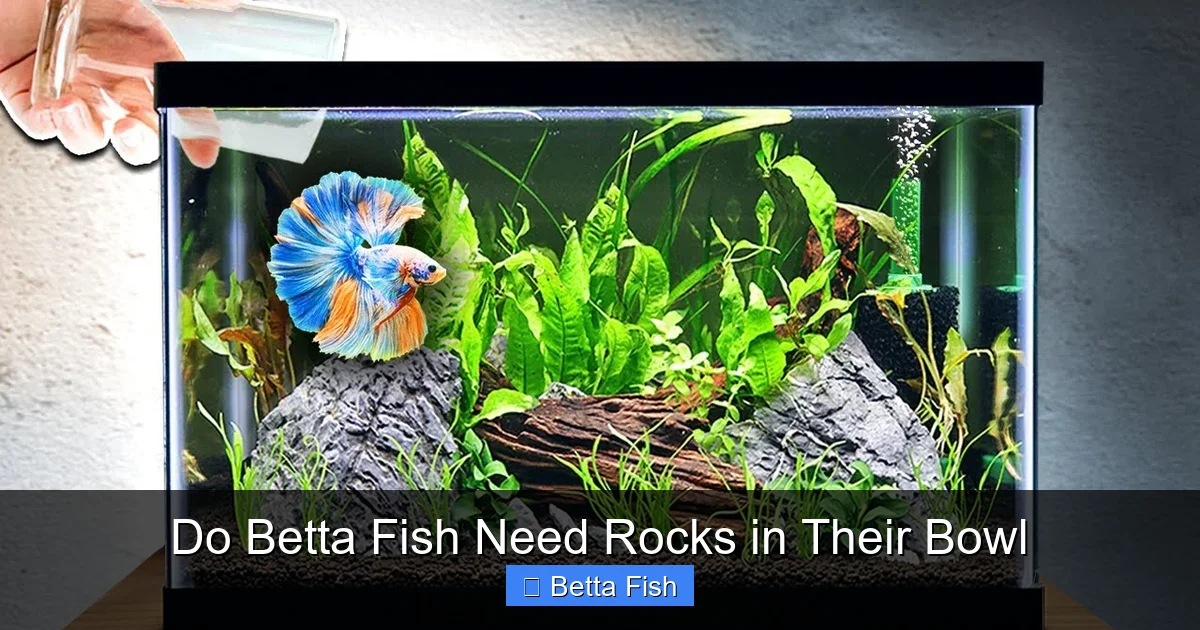
In the wild, bettas use rocks and plant roots as cover from predators and as territory markers. Providing similar structures in a bowl gives a shy fish a place to rest, explore, and display its dazzling fins without feeling exposed.
Visual guide about Do Betta Fish Need Rocks in Their Bowl
Image source: i.ytimg.com
Improved water flow
Rocks can break up stagnant currents, encouraging a gentle swirl that helps oxygen dissolve into the water. This is especially useful if you don’t run a filter.
Visual appeal
Let’s face it—pretty tanks attract more attention. A well‑arranged rockscape makes your betta’s home look like a miniature rainforest, which can be enjoyable for both fish and owner.
2. Potential Drawbacks of Rocks
Injury risk
Sharp edges can tear a betta’s delicate fins, leading to infections. This is why you should never use river stones that haven’t been aquarium‑rated.

Visual guide about Do Betta Fish Need Rocks in Their Bowl
Image source: media1.popsugar-assets.com
Water chemistry changes
Some rocks, especially limestone or coral, release calcium carbonate and raise pH. Betta fish prefer slightly acidic to neutral water (pH 6.5‑7.5). A sudden shift can stress the fish.
Space limitation
Bowls are already cramped. Adding too many rocks can reduce swimming space and make cleaning harder. Always measure the interior before buying.
3. Choosing the Right Rocks
Aquarium‑grade stones
Look for rocks labeled “aquarium safe,” “silicate,” or “river rock (pre‑washed).” These are non‑porous and won’t leach chemicals. Popular options include:

Visual guide about Do Betta Fish Need Rocks in Their Bowl
Image source: nucleovisual.com
- Polished slate
- Seviroth (smooth river stone)
- Porous ceramic “rocks” made for aquascaping
What to avoid
Never use:
- Limestone, marble, or coral fragments (they raise pH)
- Sharp gravel or broken glass
- Untreated river rocks that may harbor parasites
Testing before use
Place the rock in a bucket of conditioned water for 24‑48 hours. Test pH before and after. If the reading changes more than 0.2 units, discard the stone.
4. Setting Up Rocks Safely
Cleaning the rocks
Rinse each stone under warm tap water. Use a soft brush to remove debris. Avoid soaps or chemicals—they can linger and harm the fish.
Arranging for stability
Lay a flat “base” stone first, then stack smaller pieces like a puzzle. Ensure the structure is stable; a toppled rock can crush a betta.
Creating hideouts
Leave a gap between rocks for a “cave” where the betta can rest. Position the hideout near the surface so the fish can breathe easily.
Integrating with other décor
Combine rocks with live or silk plants. Plants provide additional cover and help maintain water quality. For ideas on plant choices, see our article What Do Betta Fish Like In Their Tank.
5. Maintenance Tips for Rock‑Filled Bowls
Regular cleaning
Every week, gently scrub the rocks with an aquarium brush. This removes algae and biofilm that can harbor disease.
Water changes
Perform a 25‑30 % water change weekly. When you remove water, also rinse the rocks briefly to keep the tank clear.
Monitoring water parameters
Test pH, ammonia, nitrite, and nitrate after adding new rocks. If any values drift, consider removing the stone or using a water conditioner.
When to retire a rock
If a rock becomes heavily coated with algae that won’t come off, or if you notice your betta’s fins fraying near it, replace it with a smoother alternative.
6. Alternatives to Rocks for Enrichment
Live plants
Plants like Java fern, Anubias, and Marimo moss create natural hiding spots without the risk of sharp edges. They also help absorb nitrates.
Silk or fabric décor
Soft silk ornaments mimic natural shapes and are safe for bettas. They’re easy to clean and won’t alter water chemistry.
Driftwood
Natural driftwood adds tannins that can slightly lower pH—beneficial for many bettas. Make sure the wood is aquarium‑treated.
For a full guide on setting up a bowl without a filter, check out Can Betta Fish Live In A Bowl Without Filter.
Conclusion: Do Betta Fish Need Rocks?
Rocks are not a strict requirement for betta health, but they can provide enrichment, improve water flow, and make the tank more attractive. The key is to choose smooth, aquarium‑safe stones, place them securely, and keep a close eye on water quality. If you prefer a minimalist setup, live plants and soft décor can offer similar benefits without the risk of injury.
Ultimately, the decision comes down to your personal style and how much time you can devote to maintenance. With the right approach, rocks can be a wonderful addition that keeps your betta happy, active, and thriving.
Frequently Asked Questions
Do betta fish need rocks for hiding?
While not essential, rocks can give a shy betta a place to rest and feel secure, especially in a bare bowl.
Can rocks change the water pH?
Yes, certain stones like limestone release calcium carbonate, raising pH. Use only pH‑neutral aquarium‑grade rocks to avoid this.
How often should I clean the rocks?
Scrub them gently once a week during your regular water change to prevent algae and bacterial buildup.
Are there any risks of using rocks in a small bowl?
In a tiny bowl, too many rocks can reduce swimming space and make cleaning harder. Use a few small, stable pieces.
What’s a good alternative to rocks?
Live plants, silk ornaments, and driftwood provide hiding spots and visual interest without the sharp‑edge risk.
Do rocks help with oxygenation?
Rocks can promote gentle water movement, which aids oxygen diffusion, but a proper surface agitation or a small filter is still recommended.

