How Big of Tanks Do Betta Fish Need

Betta fish need at least a 5-gallon tank to thrive, though many experts recommend 10 gallons or more. A proper tank size reduces stress, improves water quality, and gives your betta room to swim and explore. Choosing the right tank size is one of the most important decisions you will make for your betta fish care routine.
If you own a betta fish or are thinking about getting one, you have probably wondered about the right tank size. The question of how big of tanks do betta fish need comes up more often than you might think. Many people still believe bettas can live happily in tiny bowls. That idea could not be further from the truth.
A proper tank size affects everything from your fish’s health to its lifespan. A cramped environment causes stress, poor water quality, and even behavioral problems. On the other hand, a well-sized tank gives your betta room to explore, swim, and show off its beautiful fins. This guide will walk you through everything you need to know about betta fish tank size and how to set up the perfect home for your fish.
Key Takeaways
- Minimum tank size: A 5-gallon tank is the absolute smallest for a single betta fish.
- Bigger is better: A 10-gallon tank or larger provides more swimming space and stable water parameters.
- Tank shape matters: Wider tanks offer more surface area for oxygen exchange than tall, narrow ones.
- Common mistakes: Keeping bettas in bowls or tanks under 5 gallons leads to health problems.
- Setup essentials: Filtration, heating, and hiding spots are must-haves regardless of tank size.
- Water quality: Larger tanks are easier to maintain and keep stable than small ones.
- Betta happiness: Adequate space reduces stress and promotes natural behavior.
📑 Table of Contents
- Why Tank Size Matters for Betta Fish
- Minimum Tank Size for a Betta Fish
- What Is the Ideal Tank Size for Betta Fish?
- Tank Shape and Dimensions That Matter
- Setting Up the Perfect Betta Tank
- Common Mistakes People Make With Betta Tank Size
- Do Bigger Tanks Make Betta Fish Happier?
- Final Thoughts on Betta Tank Size
Why Tank Size Matters for Betta Fish
The size of your betta’s tank is not just about aesthetics. It directly impacts your fish’s physical and mental well-being. Many new fish owners underestimate how much space a betta needs to stay healthy.
The Science Behind Tank Size and Fish Health
Bettas are active swimmers. In the wild, they live in rice paddies, streams, and shallow bodies of water across Southeast Asia. While these natural habitats can be small in some cases, they are not confined spaces. A betta in the wild has room to move, explore, and establish territory.
In a tiny tank, waste builds up quickly. Ammonia and nitrite levels spike fast in small volumes of water. This creates a toxic environment that stresses your fish. Larger tanks dilute waste and make it easier to maintain stable water parameters. This is why understanding how big of tanks do betta fish need is so important.
How Space Affects Betta Behavior
A betta in a too-small tank may become lethargic or aggressive. Some fish stop eating. Others develop clamped fins or lose their vibrant colors. These are all signs of stress caused by inadequate living space.
When your betta has enough room, you will notice:
- More active swimming patterns
- Brighter, more vivid colors
- Better appetite and feeding response
- Natural bubble nest building behavior
- Less fin-nipping or flaring out of stress
For more tips on keeping your betta happy and healthy, check out our guide on how to take care of a betta fish.
Minimum Tank Size for a Betta Fish
So, what is the smallest tank you can keep a betta in? The honest answer is that bigger is always better. But there is a minimum standard you should follow.
The 5-Gallon Rule
Most experts agree that 5 gallons is the minimum tank size for a single betta fish. A 5-gallon tank provides enough water volume to dilute waste and maintain stable conditions. It also gives your fish enough room to swim without feeling confined.
Here is a quick comparison of common tank sizes:
| Tank Size | Suitable for Betta? | Notes |
|---|---|---|
| 1-3 gallons | No | Too small; water parameters crash easily |
| 5 gallons | Yes (minimum) | Acceptable for a single betta with proper maintenance |
| 10 gallons | Ideal | Great stability and swimming room |
| 20 gallons | Excellent | Allows for more aquascaping and community setups |
If you are currently using a bowl or a 1-gallon tank, upgrading to a 5-gallon tank should be your first priority. You can learn more about the right tank dimensions in our article on how big do betta fish tanks need to be.
Why Not Smaller Tanks?
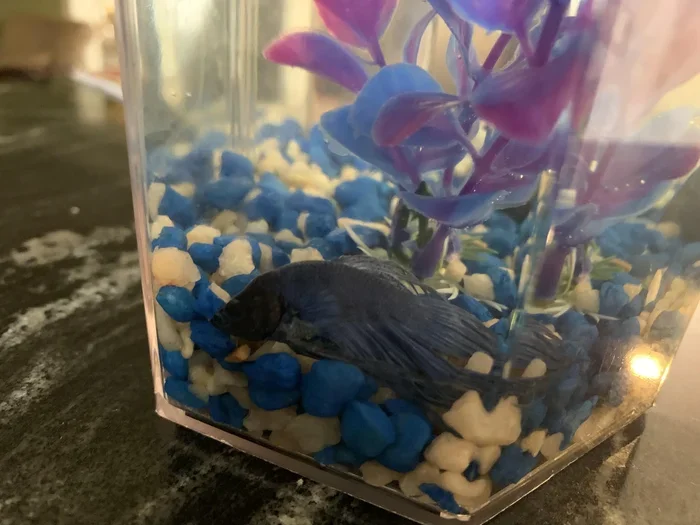
Tanks under 5 gallons are extremely difficult to manage. Temperature fluctuates fast. Ammonia spikes happen overnight. Even with frequent water changes, a small tank cannot provide the stability a betta needs. Small tanks also limit your ability to add a filter and heater, both of which are essential for betta health.
What Is the Ideal Tank Size for Betta Fish?
While 5 gallons is the minimum, the ideal tank size depends on your goals and setup. Most experienced betta keepers recommend going larger.
Why 10 Gallons Is the Sweet Spot
A 10-gallon tank strikes the perfect balance between manageable maintenance and a healthy environment for your fish. Here is why so many experts consider 10 gallons the ideal size:
- Water stability: A larger water volume absorbs fluctuations in temperature and chemistry.
- Swimming room: Bettas love to glide through open water. A 10-gallon tank gives them space to do this naturally.
- Equipment options: You can fit a proper filter, heater, and live plants comfortably in a 10-gallon setup.
- Easy maintenance: Water changes are less frequent and more forgiving in a larger tank.
For more information on what betta fish like in their environment, visit our guide on what betta fish like in their tanks.
Can You Keep a Betta in a Larger Tank?
Absolutely. In fact, many betta enthusiasts keep their fish in 20-gallon tanks or even larger. A bigger tank gives you more freedom to create a beautiful aquascape. You can add live plants, caves, driftwood, and even compatible tank mates.
Just keep in mind that a very large tank without proper setup can also cause issues. Make sure you have a good filter and heater regardless of tank size. Betta fish need warm, clean water no matter how big the tank is.
Tank Shape and Dimensions That Matter
When thinking about how big of tanks do betta fish need, it is not just about volume. The shape of the tank also plays a role in your fish’s comfort.
Wide vs. Tall Tanks
Bettas are labyrinth fish, which means they breathe air from the surface. A wider tank provides more surface area for gas exchange. This means better oxygen levels in the water.
Tall, narrow tanks may look cool, but they are not ideal for bettas. The water at the bottom can become stagnant. Waste tends to collect in the corners of narrow tanks, making cleaning harder.
Choose a tank that is wider than it is tall. A 10-gallon tank that is 20 inches long and 10 inches wide is a great choice. It gives your betta plenty of horizontal swimming space.
Avoid Bowls and Vases
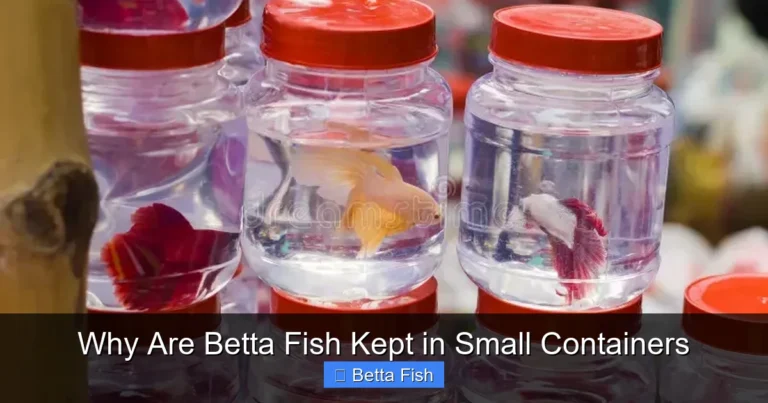
Betta bowls and fishbowls are a popular gift item. They look cute, but they are terrible for betta health. A bowl typically holds less than 2 gallons of water. Temperature swings happen constantly. Waste accumulates fast. Your betta deserves better than a bowl.
Setting Up the Perfect Betta Tank
Now that you know the right tank size, let us talk about how to set it up properly. A good setup goes beyond just the tank itself.
Essential Equipment for Your Betta Tank
No matter what size tank you choose, you will need a few key pieces of equipment:
- Filter: A gentle sponge filter works great for bettas. Avoid strong hang-on-back filters that create too much current.
- Heater: Bettas need warm water between 76-82°F (24-28°C). A submersible heater with a thermostat is essential.
- Thermometer: Monitor the temperature daily to keep it in the safe range.
- Substrate: Smooth gravel or sand works well. Avoid rough substrates that can damage delicate fins.
- Plants and decor: Live or silk plants provide hiding spots and make your betta feel secure.
If you are new to betta keeping, check out our beginner’s guide on what you need for a betta fish for beginners.
Water Quality and Maintenance
Keeping your tank clean is just as important as choosing the right size. Here are some quick tips:
- Perform a 25-30% water change every week.
- Use a water conditioner to remove chlorine and chloramine.
- Test water parameters regularly with a liquid test kit.
- Vacuum the substrate during water changes to remove debris.
- Never replace all the water at once; this shocks your fish.
For detailed guidance on maintaining clean water, read our article on how to take care of betta fish water.
Common Mistakes People Make With Betta Tank Size
Even well-meaning betta owners make mistakes when it comes to tank size. Here are the most common ones to avoid.
Mistake 1: Believing Bettas Thrive in Small Bowls
This is the number one myth in the fishkeeping world. Bettas may survive in small bowls, but surviving is not the same as thriving. A small bowl limits your fish’s quality of life significantly.
Mistake 2: Overcrowding the Tank
Some owners want to add lots of fish to a betta tank. This can work with careful planning, but a 5-gallon tank should really only house one betta. Adding too many fish creates waste buildup and aggression.
Mistake 3: Skipping the Heater and Filter
Some people think bettas do not need a heater because they live in warm climates. This is incorrect. Even in warm rooms, water temperature can drop at night. A heater and filter are non-negotiable for a healthy betta setup.
Do Bigger Tanks Make Betta Fish Happier?
The short answer is yes. A larger tank provides more swimming space, better water quality, and more opportunities for enrichment. But it is not just about size. It is about creating a stimulating environment.
Add plants, caves, and open swimming areas to your tank. Rotate decorations occasionally to keep things fresh. Watch your betta’s behavior to see what it enjoys most.
Some owners ask, do betta fish do well in big tanks? The answer is a resounding yes. A betta in a properly set up 10- or 20-gallon tank will often display more vibrant colors and more energetic swimming than one in a cramped 5-gallon bowl.
Want to learn more about this topic? Read our article on do betta fish do well in big tanks for expert insights and real-world examples.
Final Thoughts on Betta Tank Size
Choosing the right tank size is one of the most impactful decisions you can make for your betta fish. A 5-gallon tank is the minimum, but a 10-gallon tank or larger is truly ideal. The more space you provide, the happier and healthier your betta will be.
Remember that tank size is just one piece of the puzzle. You also need proper filtration, heating, water quality, and enrichment. When you combine all of these elements, you create a home where your betta can truly thrive.
Take the time to research and invest in the right setup. Your betta fish will thank you with years of vibrant color, active swimming, and beautiful behavior. A well-sized tank is not just a container. It is the foundation of a healthy, happy life for your beloved pet.
Frequently Asked Questions
Can a betta fish live in a 3-gallon tank?
A 3-gallon tank is too small for a betta fish to thrive. While a betta might survive in a 3-gallon tank, the water parameters will fluctuate rapidly, causing stress and health issues. Always aim for at least a 5-gallon tank for your betta.
How often should I do water changes in a betta tank?
For a 5-gallon tank, perform a 25-30% water change every week. For larger tanks like 10 gallons, you can stretch to a 20-25% change weekly. Consistent water changes are key to keeping your betta healthy and happy.
Is a 1-gallon bowl okay for a betta fish?
No, a 1-gallon bowl is not suitable for a betta fish. It is far too small to maintain stable water conditions. Bowls lack space for proper filtration and heating, both of which are essential for betta health and longevity.
What size tank is best for a betta fish?
The best tank size for a betta fish is 10 gallons or larger. A 10-gallon tank offers excellent water stability, plenty of swimming room, and enough space for a proper filter, heater, and enriching decorations. A 5-gallon tank is the acceptable minimum.
Do betta fish need a filter in their tank?
Yes, betta fish need a filter in their tank. A filter removes harmful waste and keeps the water clean. Choose a gentle filter like a sponge filter, as bettas prefer calm water and strong currents can stress them out.
Can two betta fish live in the same tank?
Two male betta fish should never share a tank. They will fight and can seriously injure or kill each other. Female bettas can sometimes live together in groups called sororities, but this requires a tank of at least 20 gallons with plenty of hiding spots and careful planning.