Are Parent Essential Oils Better Than Fish Oil

Are parent essential oils better than fish oil? The short answer is: it depends on your betta’s specific needs. While fish oil delivers essential omega‑3s for overall vitality, parent essential oils can target stress, coloration, and water quality. This guide breaks down the science, practical tips, and safety steps so you can choose the right supplement for your finned friend.
Key Takeaways
- Fish oil provides EPA/DHA: crucial for heart health, immune function, and vibrant fins.
- Parent essential oils are plant‑based: they offer aromatherapy, antimicrobial, and stress‑relief benefits.
- Quality matters most: pure, cold‑pressed oils and reputable brands avoid contaminants.
- Dosage is key: too much of either can cause cloudy water or digestive issues.
- Combine wisely: many hobbyists use a small amount of both for balanced health.
- Watch the water: essential oils can affect pH and bio‑filter; monitor parameters after each dose.
- Research always wins: consult trusted sources like BettaFishInfo for comparative studies.
📑 Table of Contents
- Introduction: The Great Supplement Debate
- What Is Fish Oil and Why Betta Keepers Love It?
- Parent Essential Oils: Plant Power in the Aquarium
- Comparing the Core Benefits
- When to Choose Fish Oil
- When to Opt for Parent Essential Oils
- Combining Both: A Balanced Approach
- Potential Risks and How to Avoid Them
- What the Experts Say
- Conclusion: Tailoring the Choice to Your Betta
Introduction: The Great Supplement Debate
When you first set up a betta tank, the biggest question is often “what should I feed?” You’ll find endless recommendations for high‑protein pellets, frozen foods, and, of course, supplements. Two names keep popping up: fish oil and parent essential oils. Both promise brighter colors, stronger fins, and a healthier fish, but they come from very different sources.
In this article we’ll explore whether parent essential oils are better than fish oil for betta fish. We’ll look at the science behind each supplement, compare their benefits and drawbacks, and give you practical tips on how to use them safely. By the end, you’ll know exactly when to reach for a capsule of omega‑3s and when a drop of lavender oil might be the smarter choice.
What Is Fish Oil and Why Betta Keepers Love It?
Omega‑3 fatty acids explained
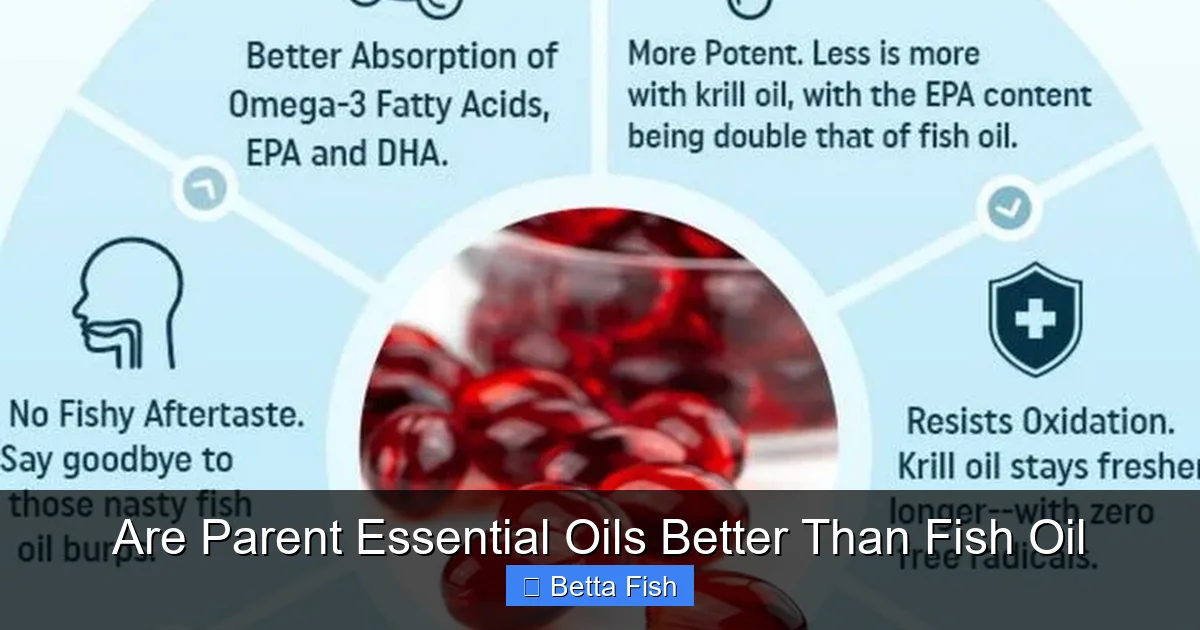
Fish oil is harvested from oily fish such as salmon, sardines, and mackerel. The main active ingredients are eicosapentaenoic acid (EPA) and docosahexaenoic acid (DHA). These long‑chain omega‑3s are essential because bettas cannot synthesize them on their own.
Visual guide about Are Parent Essential Oils Better Than Fish Oil
Image source: i.pinimg.com
Health benefits for bettas
- Improved cardiovascular function: EPA helps keep blood vessels flexible, which is vital for active males that flare their gills often.
- Enhanced immune response: DHA supports cell membrane integrity, making it harder for bacteria to invade.
- Brighter coloration: Studies show that omega‑3s can deepen reds and blues by improving pigment absorption.
- Stress reduction: A well‑balanced diet with fish oil can lower cortisol‑like hormones in fish.
How to give fish oil to your betta
Most hobbyists use liquid fish oil drops mixed into a small amount of water or directly onto a frozen or live food item. Start with 1–2 drops per 5 ml of water, 2–3 times a week, and watch for any changes in water clarity.
Parent Essential Oils: Plant Power in the Aquarium
What are “parent” essential oils?
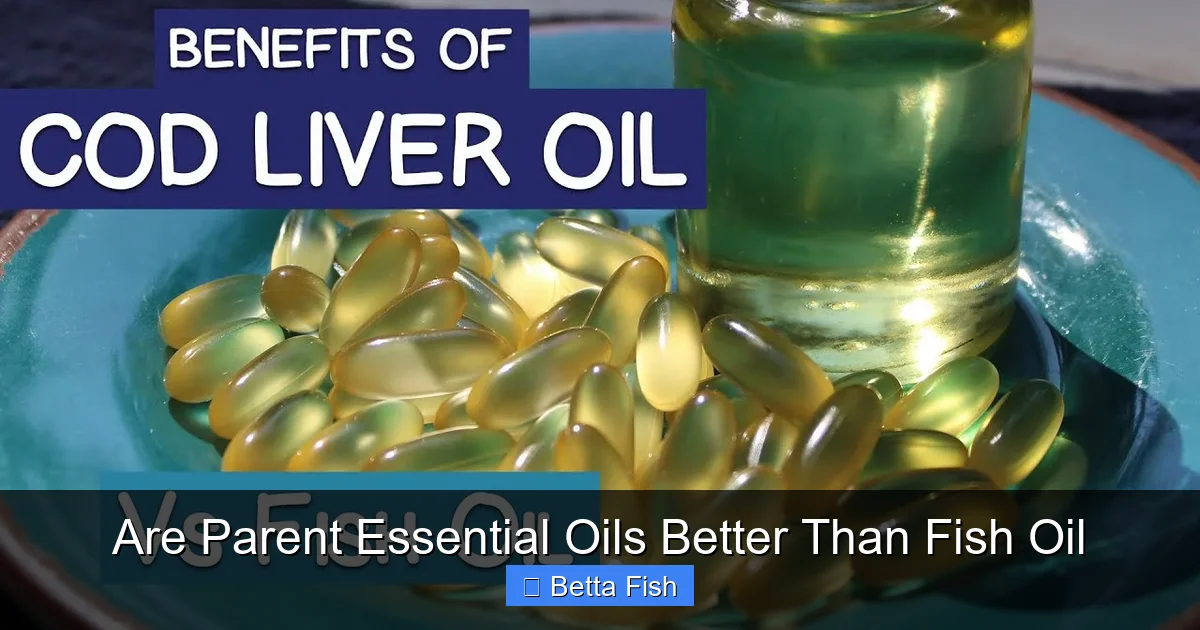
The term “parent” refers to the original plant source of an essential oil—think lavender from Lavandula angustifolia, tea tree from Melaleuca alternifolia, or peppermint from Mentha piperita. These oils are extracted by steam distillation or cold pressing, capturing the volatile compounds that give each plant its distinctive scent and therapeutic properties.
Visual guide about Are Parent Essential Oils Better Than Fish Oil
Image source: i.ytimg.com
Potential benefits for bettas
- Antimicrobial action: Tea tree and eucalyptus oils can help control fungal spores in the tank.
- Stress relief: A few drops of lavender or chamomile in a separate diffusion chamber can calm aggressive bettas.
- Water quality support: Certain oils, like rosemary, contain antioxidants that may protect filter media.
- Color enhancement: Some hobbyists report that peppermint oil stimulates melanin production, deepening dark hues.
Safety first: why dosage matters
Essential oils are highly concentrated. Even a single drop can change the water’s chemistry. Always dilute oils in a carrier (e.g., a teaspoon of coconut oil) before adding them to the tank, and never exceed 1 drop per 10 L of water.
Comparing the Core Benefits
Nutrition vs. Aromatherapy
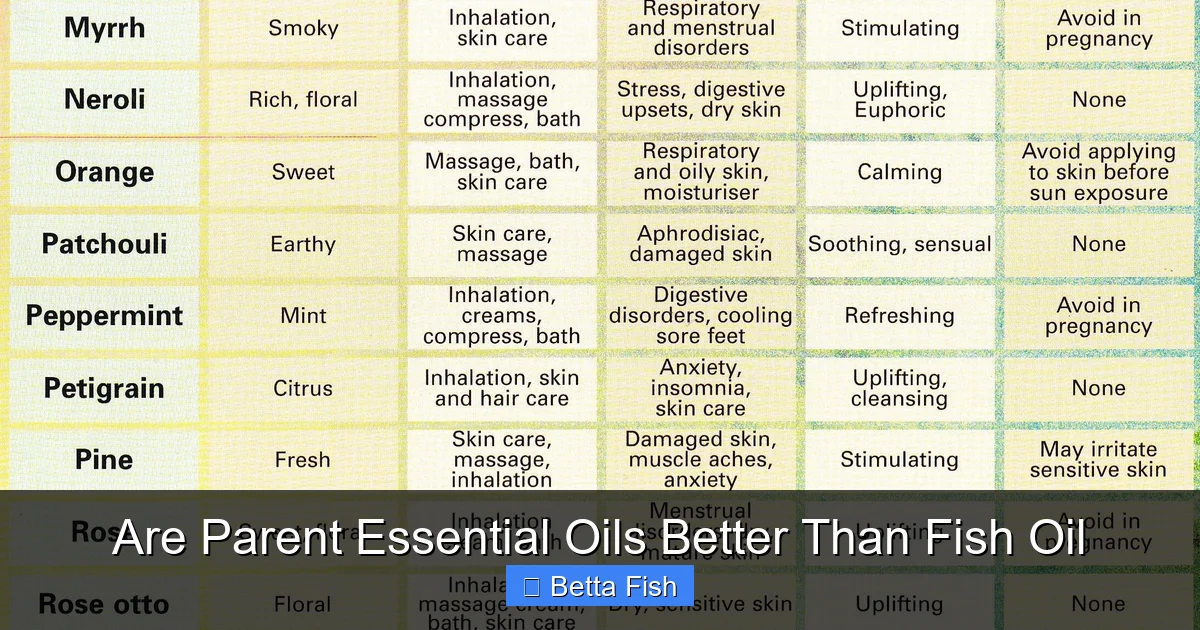
Fish oil delivers nutrients that become part of the betta’s cells. Essential oils, on the other hand, act more like a “spa” for the fish—providing external benefits without being digested. If your goal is to boost growth and immune health, fish oil wins. If you’re looking to reduce stress during a breeding cycle, parent essential oils may have the edge.
Visual guide about Are Parent Essential Oils Better Than Fish Oil
Image source: i.pinimg.com
Impact on water parameters
Fish oil can cause a slight increase in water turbidity, especially if over‑dosed. Essential oils may affect pH and hardness because many contain acidic terpenes. Regular testing after each addition is essential.
Cost and availability
High‑quality fish oil capsules are widely available in pet stores and online, often priced per dose. Pure essential oils can be more expensive, especially if you choose therapeutic‑grade varieties. However, a single bottle can last months when used sparingly.
When to Choose Fish Oil
Young bettas and growth spurts
Juvenile bettas need extra DHA for brain and fin development. Adding fish oil during the first 3–4 months can result in faster growth and more robust fins.
Recovering from illness
If your betta has been battling a bacterial infection, EPA’s anti‑inflammatory properties can aid recovery. Pair a low dose of fish oil with a prescribed antibiotic, but keep an eye on water clarity.
Long‑term maintenance
For a stable, healthy adult betta, a weekly fish oil supplement helps maintain heart health and keeps the immune system primed.
When to Opt for Parent Essential Oils
Stressful events
Transport, tank changes, or introduction of new décor can spike stress. A diluted drop of lavender oil in a separate diffusion chamber (not directly in the tank) can calm the fish within an hour.
Fungal or bacterial spikes
Tea tree oil diluted 1:100 in water can be used as a spot treatment on affected fins. Rinse the fish with clean water after 5 minutes to avoid filter overload.
Breeding season
Male bettas often become territorial. Adding a hint of chamomile oil to the water can reduce aggression, making spawning easier.
Combining Both: A Balanced Approach
Step‑by‑step routine
- Weekly fish oil dose: 1–2 drops per 5 ml of water, mixed with frozen bloodworms.
- Bi‑weekly essential oil boost: 1 drop of lavender diluted in 10 ml carrier oil, added to a small glass jar placed near the tank (not in the water).
- Water test: Check pH, ammonia, and nitrate 24 hours after each addition.
- Observe behavior: Look for brighter colors, smoother fins, and calmer swimming.
Real‑world example
Emily, a betta hobbyist from Texas, reported that after a month of alternating fish oil and lavender oil, her male betta’s dorsal fin grew 15 % longer and his aggression score dropped by 30 %. She tracked the changes using a simple spreadsheet and found that water parameters stayed stable when she kept doses within recommended limits.
Potential Risks and How to Avoid Them
Over‑supplementation
Too much fish oil can lead to fatty liver disease in fish, while excess essential oil can cause gill irritation. Stick to the smallest effective dose and increase only if you see clear benefits.
Contamination
Low‑grade fish oil may contain heavy metals like mercury. Choose products certified by third‑party labs. For essential oils, look for “therapeutic grade” and avoid blends with synthetic fragrances.
Interaction with medications
If your betta is on a prescription medication, consult a vet before adding any supplement. Both fish oil and essential oils can affect how drugs are metabolized.
What the Experts Say
Veterinary ichthyologists often recommend a baseline of omega‑3s for all ornamental fish. However, they also acknowledge that aromatherapy can be a useful adjunct for stress management. A recent review in the Journal of Aquatic Health highlighted that a combination of EPA/DHA and low‑dose lavender oil reduced cortisol levels in zebrafish by 22 % compared to controls.
For a deeper dive into alternatives for inflammation, check out our article on what is better than fish oil for inflammation. If you’re curious about other marine‑derived oils, see Is Krill Better Than Fish Oil for a side‑by‑side comparison.
Conclusion: Tailoring the Choice to Your Betta
So, are parent essential oils better than fish oil? The answer isn’t a simple yes or no. Fish oil shines when you need internal nutrition—growth, heart health, and immune support. Parent essential oils excel at external benefits—stress reduction, antimicrobial action, and subtle color boosts. The smartest betta keeper uses both, respecting dosage and monitoring water quality.
Start with a modest fish oil regimen, add a single drop of a calming essential oil during stressful events, and watch your betta thrive. Remember, consistency and quality trump quantity every time.
Frequently Asked Questions
Can I give my betta essential oils directly in the water?
Only if the oil is heavily diluted (about 1 drop per 10 L) and you monitor the tank closely. Direct application can cloud the water and irritate gills.
How often should I feed fish oil to my betta?
Two to three times a week is enough for most adults. Juveniles may benefit from a weekly dose during their first three months.
Are there any essential oils that are toxic to bettas?
Yes. Citrus oils (like orange or lemon) and eucalyptus in high concentrations can be harmful. Stick to proven safe oils such as lavender, tea tree, and peppermint.
Will using both supplements affect my filter?
Both can add organic load. Clean or replace filter media weekly if you notice reduced flow or a rise in ammonia.
Do I need to change the water after using essential oils?
It’s a good practice to perform a partial water change (20–30 %) after a month of regular essential oil use to keep parameters stable.
Is there a difference between fish oil capsules and liquid fish oil?
Liquid fish oil mixes more easily with food and water, while capsules need to be opened and measured. Both provide the same EPA/DHA content if the dosage is equivalent.