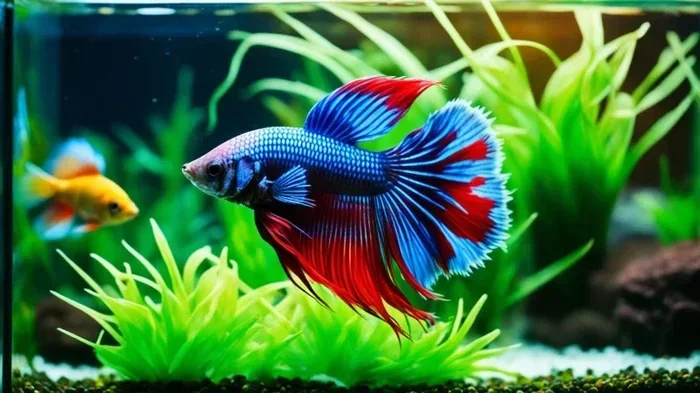
Is Purified Drinking Water Good for Betta Fish
Purified drinking water can be safe for betta fish, but it depends on how it is processed and whether essential minerals are restored. Many fish owners turn to purified water to avoid chlorine and contaminants found in tap water. However, purified water often lacks the minerals bettas need to thrive, making it a mixed choice that requires careful preparation.
Is purified drinking water good for betta fish? This is a question many betta owners ask, especially when they want the safest possible environment for their colorful companions. The short answer is yes, but with some important caveats. Purified water can work well, but it needs the right preparation before it goes into your betta tank.
Choosing the right water for your betta fish is one of the most important decisions you will make as a fish owner. Water quality directly impacts your betta’s health, color, appetite, and lifespan. Many people assume that if water is clean enough for humans, it must be safe for fish. But that is not always true. Tap water contains chlorine and chloramine that can damage your betta’s delicate gills. On the other hand, some purified water options strip away too many minerals that bettas actually need.
In this guide, we will break down everything you need to know about using purified drinking water for betta fish. We will cover what purified water is, how it compares to other water types, the pros and cons, and exactly how to prepare it safely for your tank. By the end, you will have a clear answer on whether purified water belongs in your betta setup.
Key Takeaways
- Purified water removes harmful chemicals: It eliminates chlorine, chloramine, and heavy metals that can harm your betta.
- Purified water lacks essential minerals: Betta fish need trace minerals like calcium and magnesium for healthy gill function.
- Remineralization is key: Adding a water conditioner or mineral supplement restores the balance purified water strips away.
- Not all purified water is the same: Distilled, reverse osmosis, and filtered water each have different mineral profiles.
- Testing water parameters matters: Always check pH, ammonia, nitrite, and nitrate levels before adding purified water to your tank.
- Purified water is not the only option: Tap water treated with conditioner and spring water are also viable choices.
📑 Table of Contents
- What Is Purified Drinking Water?
- Is Purified Drinking Water Good for Betta Fish?
- How to Safely Use Purified Water for Betta Fish
- How Purified Water Compares to Other Water Options
- Common Mistakes When Using Purified Water for Betta Fish
- Expert Tips for Maintaining Water Quality with Purified Water
- Final Verdict: Is Purified Drinking Water Good for Betta Fish?
What Is Purified Drinking Water?
Purified water is water that has been treated to remove impurities. The purification process targets chemicals, bacteria, heavy metals, and other contaminants. But the specific method used matters a lot when it comes to betta fish.
Common Types of Purified Water
Not all purified water is created equal. Here are the most common types you will encounter:
- Distilled water: Boiled into steam and condensed back into liquid. This removes nearly all minerals and contaminants.
- Reverse osmosis water: Forced through a semi-permeable membrane that filters out impurities, including beneficial minerals.
- Filtered water: Passed through carbon filters or other filtration systems that remove chlorine and some contaminants while retaining some minerals.
- Purified bottled water: Commercially bottled water that has undergone purification. Brands vary in their processing methods.
Each type has a different mineral content. For betta fish, the mineral content matters because these fish need certain trace elements to maintain healthy gills, scales, and overall well-being. If you are considering purified water for your betta fish tank, understanding the type of purification is the first step.
Is Purified Drinking Water Good for Betta Fish?
The answer is not a simple yes or no. Purified drinking water can be good for betta fish when used correctly. The key is understanding what the purification process removes and what it leaves behind.
The Benefits of Using Purified Water
There are several reasons why purified water appeals to betta owners:
- No chlorine or chloramine: These chemicals are deadly to bettas. Purified water removes them completely.
- No heavy metals: Tap water often contains copper, lead, and zinc that can accumulate in your tank and harm your fish.
- No ammonia or nitrates: Purified water starts with a clean slate, which makes it easier to control water parameters.
- Consistent quality: Unlike tap water, which varies by location, purified water has a predictable baseline.
If you have been wondering whether purified drinking water is safe for betta fish, the benefits listed above make a strong case. The absence of harmful chemicals alone is a significant advantage over untreated tap water.
The Risks of Using Purified Water
However, purified water also comes with risks that many beginners overlook:
- Lack of essential minerals: Purification strips away calcium, magnesium, and other trace minerals that bettas need.
- Low mineral hardness: Soft water can stress bettas and weaken their immune system over time.
- pH instability: Purified water often has a neutral pH of 7.0, but it can drift easily without minerals to buffer it.
- Cost: Buying purified water regularly can add up compared to treating tap water.
Using pure distilled or reverse osmosis water without remineralizing it is one of the most common mistakes new betta owners make. The water may look clean, but it does not provide the balanced environment your betta needs to thrive.
How to Safely Use Purified Water for Betta Fish
If you decide to use purified water, you need to take steps to make it safe. Simply pouring it straight into your tank is not enough. Here is how to do it right.
Step 1: Test the Purified Water
Before adding any water to your tank, test it with a liquid test kit. Check the pH, general hardness (GH), carbonate hardness (KH), and total dissolved solids (TDS). Most purified water will read close to zero on the hardness and TDS scales. This tells you how much mineral supplementation it needs.
Step 2: Remineralize the Water
This is the most critical step. You can remineralize purified water in several ways:
- Use a betta water conditioner: Products like Seachem Prime or API Water Conditioner add essential minerals and detoxify any remaining impurities.
- Add a remineralization salt: Aquarium-specific mineral salts designed for freshwater tanks restore the calcium and magnesium that purification removes.
- Use a buffer solution: pH buffers help stabilize the water chemistry and prevent sudden swings that can shock your betta.
A good rule of thumb is to aim for a GH of 3-4 dGH and a KH of 3-5 dKH for betta fish. These ranges mimic the slow-moving, warm waters that bettas come from in Southeast Asia.
Step 3: Match the Temperature
Bettas are tropical fish that need warm water. Make sure your purified water is heated to 76-82°F (24-28°C) before adding it to the tank. Cold purified water can cause temperature shock, which weakens the immune system and can lead to illness.
Step 4: Acclimate Gradually
Even when the water parameters are correct, always introduce purified water gradually. If you are doing a water change, add the new water slowly over 15-20 minutes. This gives your betta time to adjust to the new water chemistry.
How Purified Water Compares to Other Water Options
To understand where purified water fits, it helps to compare it to other common water choices for betta fish.
Comparison Table: Purified Water vs. Other Water Types
| Water Type | Removes Chemicals | Removes Minerals | Cost | Betta Safety |
|---|---|---|---|---|
| Purified Water | Yes | Mostly | Medium | Good (with remineralization) |
| Tap Water (treated) | Yes (with conditioner) | No | Low | Good |
| Spring Water | Partial | No | Medium | Good (check parameters) |
| Distilled Water | Yes | Yes | Low | Poor (without remineralization) |
| Reverse Osmosis Water | Yes | Yes | Medium | Good (with remineralization) |
| Well Water | No | No | Low | Risky (test first) |
As you can see, purified drinking water for betta fish sits in a middle ground. It is cleaner than untreated tap water but requires more preparation than spring water. Compared to distilled or reverse osmosis water, purified water may retain some minerals depending on the method used.
If you are currently using tap water, you might wonder how it compares. Tap water treated with a conditioner is a perfectly fine option for most betta owners. It is affordable and convenient. But if your local tap water has high levels of contaminants or you notice your betta acting stressed after water changes, switching to purified water might be worth considering.
Common Mistakes When Using Purified Water for Betta Fish
Even experienced fish keepers sometimes make mistakes with purified water. Here are the most common ones to avoid:
- Using purified water without remineralizing: This is the number one mistake. Pure purified water has almost no minerals and can cause osmotic stress in bettas.
- Assuming all bottled purified water is the same: Different brands use different purification methods. Some retain more minerals than others. Always check the label.
- Not letting the water sit long enough: Even purified water should sit for 15-20 minutes after adding conditioner to ensure the chemicals are fully neutralized.
- Ignoring temperature differences: Pouring room-temperature purified water into a warm betta tank can cause thermal shock.
- Over-changing the water: Changing more than 25-30% of the tank water at once with purified water can destabilize the tank’s biological balance.
Expert Tips for Maintaining Water Quality with Purified Water
Using purified water is only half the battle. Maintaining stable water quality in your betta tank requires ongoing attention. Here are some expert tips:
- Test your water weekly: Even with purified water, parameters can shift. A simple liquid test kit takes minutes and provides peace of mind.
- Keep a water change schedule: Perform 20-25% water changes every week or two. This prevents waste buildup even in a purified water setup.
- Use a gravel vacuum: Waste and debris accumulate in substrate. Removing it during water changes keeps your tank cleaner.
- Monitor your betta’s behavior: If your betta seems lethargic, loses color, or stops eating, test the water immediately. Early detection prevents serious problems.
- Store purified water properly: Keep unused purified water in a clean, covered container away from direct sunlight to prevent bacterial growth.
For more information on water types, check out our guide on what kind of water is best for betta fish. It covers a wider range of options and helps you choose the best fit for your setup.
Final Verdict: Is Purified Drinking Water Good for Betta Fish?
So, is purified drinking water good for betta fish? The final answer is yes, it can be an excellent choice when you take the right steps. Purified water eliminates the harmful chemicals and contaminants that tap water introduces. But it also strips away the minerals your betta needs to stay healthy.
The key is remineralization. If you add essential minerals back into purified water before introducing it to your tank, you create a clean, balanced environment that your betta will thrive in. Without remineralization, purified water falls short and can actually cause health problems over time.
For most betta owners, a simple routine works best: use purified or treated tap water, add a quality water conditioner, remineralize if needed, and maintain a consistent water change schedule. Your betta fish will reward you with vibrant colors, active behavior, and a long, healthy life.
If you are exploring other water options, you might also want to read about whether you can use purified water for betta fish and whether tap water is safe for your betta fish. Both articles provide deeper insights that complement the information in this guide.
Remember, the best water for your betta is water that is clean, properly conditioned, and mineral-balanced. Whether you choose purified water, treated tap water, or spring water, the most important thing is consistency and care. Your betta deserves nothing less.
Frequently Asked Questions
Can I use purified drinking water directly in my betta fish tank?
You should not use purified drinking water directly without treating it first. Purified water lacks essential minerals that bettas need and may have an unstable pH. Always add a water conditioner and remineralize the water before introducing it to your tank.
What is the difference between purified water and distilled water for betta fish?
Purified water goes through various filtration processes that may retain some minerals, while distilled water is boiled and condensed, removing nearly all minerals and impurities. Distilled water is more aggressive at stripping minerals and requires more careful remineralization before use in a betta tank.
How often should I use purified water for my betta fish tank?
Purified water can be used for every water change, which is typically 20-25% weekly. The frequency depends on your tank size, filtration system, and the number of fish. Always test the water parameters before adding purified water to ensure it is properly conditioned.
Is purified water better than tap water for betta fish?
Purified water is cleaner than tap water because it removes chlorine, chloramine, and heavy metals. However, tap water treated with a quality conditioner is also safe and cost-effective. Purified water is better if your tap water has high contamination levels or if your betta shows sensitivity to treated tap water.
Do I need a water conditioner if I already use purified water?
Yes, you still need a water conditioner when using purified water. A conditioner helps stabilize pH, adds essential trace minerals, and ensures any remaining impurities are neutralized. It is a simple step that makes a big difference in your betta’s health.
Can purified water cause pH swings in a betta tank?
Purified water has very low mineral content, which means it has little buffering capacity. This can lead to pH swings if not properly remineralized. Adding a buffer or remineralization product helps stabilize the pH and keeps it within the safe range of 6.5 to 7.5 for betta fish.