What Can You Keep Betta Fish In
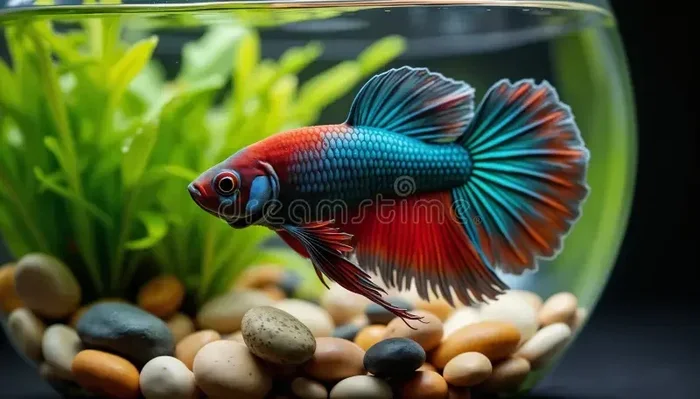
So, what can you keep betta fish in? The short answer is almost anything that holds water safely. Betta fish can live in tanks, bowls, jars, and even large vases when set up correctly. The key is providing clean water, proper temperature, and enough space to swim. Whether you choose a betta fish tank or a simple bowl, your setup matters more than you think. This guide covers every option so you can pick the best home for your betta.
You have a betta fish, and now you need to figure out where to keep it. This is one of the first questions every new betta owner asks. The good news is that bettas are surprisingly flexible when it comes to their living space. But “flexible” does not mean “anything goes.”
What can you keep betta fish in? The answer depends on a few key factors. Tank size, water quality, filtration, and temperature all play a role. A proper setup can mean the difference between a betta that thrives and one that struggles. Let us walk through every option so you can make the best choice for your fish.
Betta fish, also known as Siamese fighting fish, come from the warm, slow-moving waters of Southeast Asia. In the wild, they live in rice paddies, shallow ponds, and slow streams. This background matters because it tells us what kind of betta fish environment they prefer. They do not need huge oceans or powerful filters. But they do need clean, warm, and stable water.
Many people assume bettas can survive in tiny cups or dirty bowls. That is a myth. While bettas can breathe air from the surface, they still need a proper betta habitat to stay healthy and colorful. The setup you choose affects their mood, appetite, color, and lifespan. A well-designed home can help your betta live five years or more.
In this article, we will explore every container option, from large aquariums to small bowls. We will also cover what to put inside, what to avoid, and how to maintain a healthy environment. By the end, you will know exactly how to set up the perfect home for your betta.
Key Takeaways
- Betta fish can live in tanks, bowls, jars, and vases: As long as the container is clean and properly maintained.
- A 5-gallon tank is the gold standard: It gives your betta room to swim and stay healthy.
- Never use untreated tap water: Always use water conditioner to remove harmful chemicals.
- Add plants, gravel, and decorations: They make the habitat more natural and reduce stress.
- Avoid small unfiltered bowls: They are hard to maintain and can shorten your betta’s lifespan.
- Keep water temperature between 76-82°F: A heater is essential for a stable betta habitat.
📑 Table of Contents
What Can You Keep Betta Fish In: Tank Options
The most popular and recommended option for betta fish is a tank. Tanks come in many sizes, and each has its own benefits. Let us look at the best tank choices for your betta.
5-Gallon Tank: The Sweet Spot
A 5-gallon tank is widely considered the best betta tank size for a single betta. It is large enough to provide stable water conditions but small enough to fit on a desk or shelf. Most pet stores carry 5-gallon kits that include a filter and heater.
Here is why a 5-gallon tank works so well:
- Stable water parameters: Larger water volumes dilute waste and toxins more effectively.
- Room to swim: Bettas love to explore, and a 5-gallon tank gives them space.
- Easy to maintain: Water changes are manageable, and equipment fits nicely.
- Heating is simple: A small heater can keep the temperature steady in a 5-gallon tank.
10-Gallon Tank and Larger
If you have the space, a 10-gallon tank or larger is even better. More water means more stability. You can also add more plants, decorations, and even carefully chosen tank mates. A larger betta fish tank gives you more creative freedom too.
Keep in mind that bigger tanks need more equipment. You will still need a heater, a gentle filter, and a light. But the extra effort pays off with a happier, healthier betta.
Small Tanks and Desktop Kits
Small tanks under 5 gallons are tempting. They look cute and take up little space. But they come with risks. Water parameters can change very quickly in a small tank, which stresses your fish. If you choose a small tank, you must test the water more often and do frequent water changes.
A quick comparison of tank sizes:
| Tank Size | Best For | Stability | Maintenance Level |
|---|---|---|---|
| 1-3 Gallons | Temporary housing | Low | High |
| 5 Gallons | Single betta (ideal) | Medium-High | Moderate |
| 10 Gallons | Single betta or community | High | Moderate |
| 20+ Gallons | Community tanks | Very High | Higher |
What Can You Keep Betta Fish In: Bowls and Small Containers
Many people keep bettas in bowls. It is a common sight in stores and homes. But the question is: is a bowl a good home for a betta?
Can You Keep a Betta Fish in a Bowl?
The short answer is yes, but with caveats. A bowl can work for a betta if it is large enough and properly maintained. A small bowl is not ideal because it limits swimming space and water stability. But a large bowl, 3 gallons or more, can be a decent temporary home.
If you use a bowl, follow these rules:
- Choose the largest bowl you can: At least 3 gallons, preferably more.
- Use a sponge filter: Even a small filter helps keep the water clean.
- Add a heater: Bettas need warm water, even in a bowl.
- Do weekly water changes: Bowls need more frequent maintenance than tanks.
- Never overcrowd the bowl: One betta per bowl, no exceptions.
Common Container Mistakes
Some containers are simply bad for bettas. Avoid the following:
- Tiny cups and jars: These are for temporary transport only, not permanent homes.
- Vases without filtration: A vase looks pretty but offers poor water quality.
- Unfiltered bowls smaller than 1 gallon: Waste builds up fast and toxic levels spike quickly.
For more details on bowl setups, check out our guide on keeping betta fish in a bowl.
What to Put Inside Your Betta Home
The container is only half the equation. What you put inside matters just as much. A bare tank with nothing in it is boring and stressful for a betta. A well-decorated tank feels like a real home.
Substrate: Gravel and Sand
Gravel or sand makes a great base for your betta tank. Gravel is easier to clean, while sand looks more natural. Avoid sharp or rough substrates that could hurt your betta’s fins. Smooth, small-grain gravel or fine sand are the best choices.
Plants and Decorations
Plants give your betta places to hide, rest, and explore. Live plants are best because they help filter the water and produce oxygen. But silk or plastic plants work well too, as long as the edges are soft and will not tear delicate fins.
Adding plants to your betta tank is one of the easiest ways to improve water quality and create a natural feel. Bettas love plants with broad leaves where they can rest near the surface.
Other decorations like caves, driftwood, and betta hammocks give your fish places to retreat. Bettas are curious but also need quiet spots to rest. A well-decorated tank reduces stress and brings out your betta’s natural colors.
What Not to Put in a Betta Tank
Not everything belongs in a betta tank. Avoid sharp rocks, shells that alter pH, and strong chemicals. Also, be cautious with decorative crystals or substrates that leach harmful substances into the water. When in doubt, stick to aquarium-safe materials.
Water: The Most Important Ingredient
Water quality is the single most important factor in your betta’s health. Bettas are sensitive to chlorine, chloramine, and heavy metals found in tap water. Always use a water conditioner to treat tap water before adding it to your tank.
If you are wondering about using tap water directly, our article on keeping betta fish in tap water covers this topic in detail. The short answer is: tap water works after treatment, but never use it untreated.
Bottled spring water and purified water are alternatives, but they can be expensive over time. A simple water conditioner is the most cost-effective and reliable solution for most betta owners.
Common Mistakes People Make with Betta Homes
Even well-meaning owners make mistakes. Here are the most common ones and how to avoid them.
Overcrowding the Tank
One of the biggest mistakes is adding too many fish to a small tank. Bettas are territorial and need their own space. Putting two male bettas together is a recipe for disaster. Even female bettas need enough space and hiding spots to avoid conflict.
Skipping the Heater
Bettas are tropical fish. They need warm water between 76 and 82 degrees Fahrenheit. Room temperature water is almost always too cold. A small aquarium heater is a must-have, even in a small tank or bowl.
Ignoring Water Changes
No matter what container you use, regular water changes are non-negotiable. A 25-30% water change every week keeps waste and toxins in check. Skipping water changes leads to ammonia buildup, which can be fatal.
Using the Wrong Filter
Bettas do not like strong currents. A powerful filter can exhaust them and make it hard to swim. Use a gentle sponge filter or a filter with an adjustable flow. The goal is to keep the water clean without stressing the fish.
Expert Tips for a Healthy Betta Habitat
Setting up the right home is just the beginning. Maintaining it properly is what keeps your betta happy and healthy. Here are some expert-backed tips.
Test your water regularly. A simple liquid test kit can measure ammonia, nitrite, nitrate, and pH. Testing takes just a few minutes but catches problems before they become serious. Aim for zero ammonia and zero nitrite at all times.
Cycle your tank before adding your betta. Cycling builds beneficial bacteria that break down waste. This process takes 2-4 weeks but is essential for long-term water quality. Never add a betta to an uncycled tank.
Feed a varied diet. High-quality betta pellets should be the staple. Supplement with frozen or live foods like bloodworms and brine shrimp a few times a week. Overfeeding is a common problem, so feed small amounts once or twice a day.
Keep the tank in a quiet spot. Bettas are sensitive to vibrations and sudden movements. Place the tank away from loud speakers, high-traffic areas, and direct sunlight. A calm environment reduces stress and helps your betta thrive.
Observe your betta daily. A quick look each morning helps you catch early signs of illness. Watch for clamped fins, loss of color, lethargy, or loss of appetite. Catching problems early makes treatment much easier.
Clean without over-cleaning. You want to remove waste and excess food, but you also want to preserve beneficial bacteria. Avoid replacing all the water at once. A 25-30% weekly change is the sweet spot for most setups.
Conclusion
What can you keep betta fish in? The answer is clear: a clean, warm, and properly maintained tank or bowl. Whether you choose a 5-gallon tank or a larger aquarium, the key is providing stable water conditions, gentle filtration, and a comfortable environment. Avoid common mistakes like untreated tap water, cold temperatures, and overcrowding.
Your betta fish deserves a home that supports its health and natural behavior. Take the time to set things up right, and you will be rewarded with a vibrant, active, and long-lived companion. Start with the basics, stay consistent with maintenance, and enjoy the journey of caring for your betta.
Remember, the best container is the one you can maintain consistently. A 5-gallon tank that you care for weekly is far better than a 20-gallon tank you neglect. Choose what fits your lifestyle and commit to doing it well. Your betta will thank you with vivid colors and lively behavior every single day.
Frequently Asked Questions
Can a betta fish live in a bowl without a filter?
Yes, a betta can live in an unfiltered bowl, but it requires more frequent water changes. Without a filter, waste builds up faster, which can harm your fish. A small sponge filter makes maintenance much easier and keeps the water cleaner for longer.
What is the smallest tank a betta fish can live in?
The absolute smallest recommended tank size for a betta is 3 gallons. A 5-gallon tank is the ideal minimum for a single betta. Tanks smaller than 3 gallons are very difficult to maintain and can cause health problems over time.
Do betta fish need a heater in their tank?
Yes, bettas are tropical fish and need warm water between 76 and 82 degrees Fahrenheit. Room temperature water is usually too cold and can lead to lethargy, illness, and a shortened lifespan. A small aquarium heater is essential for any betta setup.
Can you keep betta fish in tap water?
You can, but only after treating it with a water conditioner. Tap water contains chlorine and chloramine that are harmful to bettas. A simple water conditioner removes these chemicals and makes tap water safe for your fish.
What can you put in a betta fish tank to make it better?
Live or silk plants, smooth gravel or sand, caves, driftwood, and betta hammocks all improve a betta tank. These items provide hiding spots, resting areas, and a more natural feel. Always make sure decorations are aquarium-safe and have no sharp edges.
How often should you change the water in a betta tank?
A 25-30% water change every week is the standard recommendation. In smaller tanks or bowls, you may need to do partial changes more frequently. Always use treated water at the correct temperature during water changes to avoid stressing your betta.