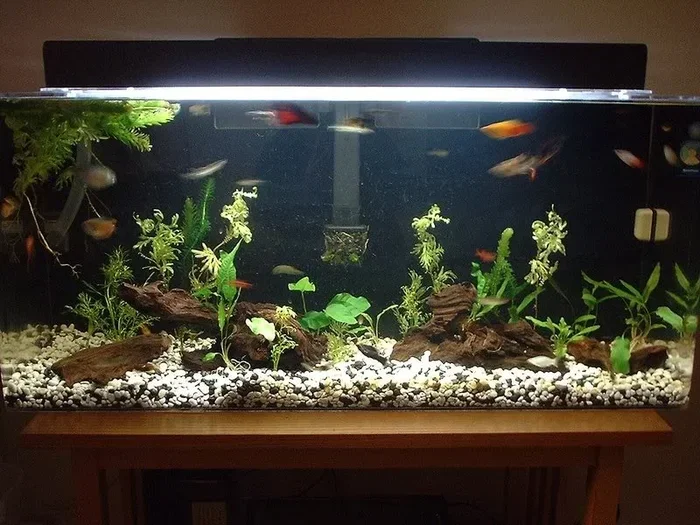
Are Bettas Active Fish

Bettas are moderately active fish whose behavior is often misunderstood. While not constant swimmers like tetras, they exhibit distinct bursts of energy, exploration, and territorial displays. Their activity level is heavily influenced by tank size, water quality, enrichment, and overall health. Providing a proper environment with space, plants, and stimuli is key to encouraging their natural, more active behaviors.
Key Takeaways
- Natural Ambush Predators: Bettas are naturally sedentary “sit-and-wait” predators, conserving energy for short, explosive bursts of activity in the wild, not for constant swimming.
- Tank Size is Critical: A tiny vase or bowl severely restricts movement and leads to lethargy; a minimum 5-gallon tank is essential for encouraging natural exploration and activity.
- Water Quality Dictates Energy: Poor, cold, or dirty water causes stress and inactivity. Clean, warm, filtered water at 78-80°F is non-negotiable for a vibrant, active betta.
- Enrichment Sparks Curiosity: A bare tank is boring. Bettas need plants, hides, and varied decor to investigate, rest on, and claim as territory, which increases activity.
- Health Directly Impacts Movement: Lethargy is a primary sign of illness (like swim bladder disease, velvet, or dropsy). Sudden hyperactivity can also indicate distress from poor water.
- Personality Matters: Individual bettas have unique temperaments—some are naturally more outgoing and active, while others are more reserved, within the spectrum of normal behavior.
- Activity ≠ Constant Frenzy: An “active” betta is not a hyperactive one. Healthy activity includes patrolling, flaring at reflections, exploring plants, and short bursts of swimming, not endless pacing.
📑 Table of Contents
- Debunking the “Lazy Betta” Myth: Setting the Record Straight
- The Wild Betta: Understanding Their Natural Behavioral Blueprint
- Tank Setup: The #1 Determinant of Activity Level
- Health and Activity: The Vital Signs Connection
- Enrichment and Interaction: Fueling Your Betta’s Curiosity
- Species Differences and Individual Personalities
- Conclusion: Redefining “Active” for a Happy Betta
Debunking the “Lazy Betta” Myth: Setting the Record Straight
You’ve almost certainly seen them: the stunning Betta splendens, with their flowing fins, perched motionless in a tiny, decorative vase on a desk or countertop. This iconic, tragic image has cemented a widespread myth: that betta fish are inherently lazy, boring pets that do little more than float. This couldn’t be further from the truth. The question “are bettas active fish?” requires a nuanced answer that separates the devastating effects of improper care from the fish’s natural behavioral blueprint. When provided with the correct environment, bettas reveal themselves to be curious, intelligent, and surprisingly active inhabitants. This guide will dive deep into the true nature of betta activity, exploring what drives their behavior, how to create a tank that fosters it, and how to read the vital signs your betta’s movements (or lack thereof) are telling you.
The core of the misunderstanding lies in the vast chasm between a betta’s natural habitat in the shallow, plant-choked rice paddies and slow-moving streams of Southeast Asia, and the sterile, confined “display” vessels they are often sold in. In the wild, a betta’s life is a strategic balance of energy conservation and explosive action. They are ambush predators. They don’t chase down meals for miles; they hover, they observe, and when a tasty insect or small crustacean wanders into their territory, they strike with dazzling speed. This isn’t laziness—it’s efficient, evolutionary survival strategy. In a proper aquarium, this same behavioral pattern manifests as thoughtful patrols, curious inspections of plants and decorations, and energetic displays of territory defense. The fish that sits still in a vase isn’t being lazy; it’s being stressed, bored, and slowly dying.
The Wild Betta: Understanding Their Natural Behavioral Blueprint
To understand what “active” means for a betta, we must look at their natural history. Wild bettas (which differ slightly from the flamboyantly bred varieties sold in stores) inhabit warm, shallow, often murky waters dense with vegetation like rice stalks, water hyacinth, and floating plants. This environment is their entire world and dictates every aspect of their behavior.
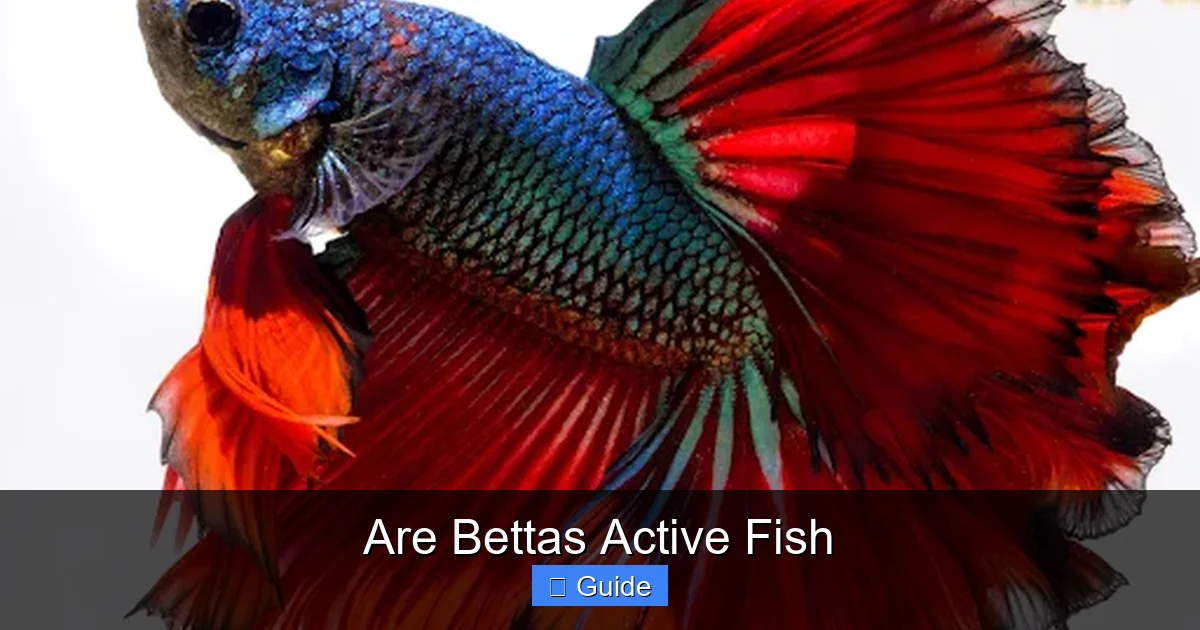
Visual guide about Are Bettas Active Fish
Image source: wikibio123.com
The Ambush Predator’s Rhythm
In this lush, complex habitat, a wild betta’s day is a study in contrasts. A significant portion of their time is spent resting. They will find a comfortable leaf or branch just below the water’s surface, their labyrinth organ (a special breathing organ) allowing them to gulp air easily, and they will remain virtually motionless. This is not sleep as we know it, but a deep rest. This conserves precious energy in an environment where food can be sporadic. However, when they are “on duty,” they are highly alert. They will slowly, deliberately patrol their small territory—a patch of plants they consider their own—checking the boundaries. They are constantly aware of changes in light, shadow, and movement. The “active” moments come in sharp, intense bursts: a quick dash to intercept a mosquito larva, a rapid flare of gills and fins to intimidate an intruder, or a vigorous bubble-nest building session by a male preparing for spawn. This is the true, healthy behavioral cycle of a betta: rest, alert patrol, explosive action, repeat.
Territorialism as a Driver of Activity
Bettas are famously territorial, especially males. This isn’t mere aggression; it’s a core part of their identity. In the wild, maintaining a territory with good resources (shelter, food sources, potential mates) is key to survival. This drive to patrol, defend, and claim space is a major source of activity in a well-set-up tank. You will see your betta actively cruise the perimeter of the aquarium, inspecting plants, checking behind decorations, and asserting dominance over a particular leaf or cave. This patrolling is a sign of a fish that feels secure enough in its home to invest energy in defending it. A betta with no territory to defend, in a bare, undefinable space, has no reason to patrol and will often become listless and depressed.
Tank Setup: The #1 Determinant of Activity Level
If you want to see the active, engaging side of your betta, your tank setup is the single most important factor you can control. The transition from a “lazy” vase-dweller to an inquisitive explorer begins and ends with the environment you provide.
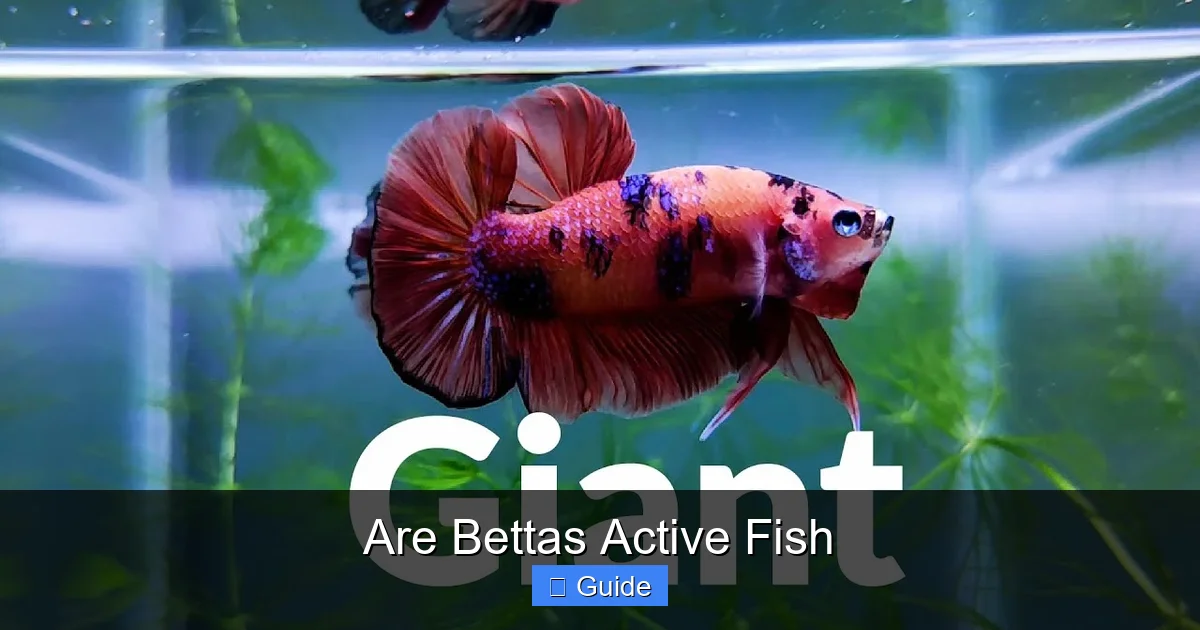
Visual guide about Are Bettas Active Fish
Image source: i.ytimg.com
The Non-Negotiable Foundation: Space and Water
Let’s address the elephant in the room first: tank size. The “betta in a vase” trend is animal cruelty, plain and simple. A betta housed in a vessel smaller than 2.5 gallons is destined for a short, sickly, and inactive life. Their activity is physically constrained. The absolute minimum recommended tank size for a single betta is 5 gallons (19 liters). This volume provides a crucial buffer for stable water parameters, dilutes toxins, and—most importantly for activity—offers enough horizontal swimming space to encourage genuine exploration. A betta in a 5-gallon tank will use the space; one in a 1-gallon bowl will not. Coupled with size is the absolute requirement for a heater and a gentle filter. Bettas are tropical fish from waters consistently around 78-80°F (25-27°C). Cold water slows their metabolism, leading to lethargy and a weakened immune system. A stable, warm temperature is the engine for an active metabolism and active behavior. A filter is not optional. It keeps the water clean, preventing the toxic buildup of ammonia and nitrites that causes stress, burns gills, and saps all energy. A gentle sponge filter is ideal, as it provides filtration without creating a current that stresses a betta’s long fins.
Designing an Engaging Landscape
Think of your tank not as a bowl of water, but as a landscape for your betta to explore. A bare, open tank is a sensory deprivation chamber. Activity is sparked by complexity. Start with the substrate. Sand or smooth gravel is fine. Then, build vertically and horizontally. Live plants are the gold standard. Floating plants like Salvinia or Duckweed are incredibly important. They provide crucial security—bettas feel exposed and stressed in open water—and a fascinating upper layer to explore. Betta will often rest just beneath them or weave through their roots. Tall, leafy plants like Amazon Swords or Cryptocorynes provide mid-level resting spots and hiding places. Stem plants like Hygrophila or Rotala create a bushy underwater forest. If live plants are too daunting, high-quality silk plants are a fantastic alternative. Avoid plastic plants with stiff, sharp edges that can tear delicate fins.
Beyond plants, incorporate hardscape. Smooth, flat river stones, pieces of driftwood (like Mopani or Malaysian), and ceramic or PVC caves create a varied topography. These items give your betta something to rest on (they love high perches!), hide behind, and investigate. The key is to create a series of “micro-habitats” within the tank. A betta’s day might involve: resting on a broad leaf near the surface in the morning, investigating the shadowy cave at noon, patrolling the front glass in the afternoon, and flaring at his reflection in the evening. This varied routine is the hallmark of an active, engaged betta.
Health and Activity: The Vital Signs Connection
Your betta’s activity level is one of the most immediate and important indicators of its health. Changes in behavior are often the first—and sometimes only—visible sign of a problem. Learning to interpret these signals is a cornerstone of responsible betta ownership.
Visual guide about Are Bettas Active Fish
Image source: boniveta.lt
The Spectrum of Normal Activity
Before diagnosing problems, you must understand what healthy activity looks like. A healthy betta in a proper tank will:
- Patrol Regularly: Swim deliberate circuits of the tank, especially during the day, checking the “edges” of its territory.
- Explore New Additions: Show curiosity when you add a new plant, decoration, or even when you perform a water change, investigating the changes.
- Rest Strategically: Rest on a leaf, a flat rock, or a decoration out of the current. This is normal. They do not need to be swimming 24/7.
- Flare Responsibly: Flare ( puff up their gills and fins) occasionally at their own reflection, a passing finger, or a new object. This is a sign of alertness and territorial instinct.
- Eat with Enthusiasm: Approach food eagerly and consume it quickly.
This baseline is your reference point. Deviations from it are red flags.
Lethargy: The Universal Warning Sign
Lethargy—a profound lack of energy and interest—is the most common symptom of a sick or stressed betta. It manifests as:
- Floating motionless at the top or bottom, often clamped to the surface or substrate.
- Inability or unwillingness to swim properly, resting on plants or the tank bottom for extended periods.
- No response to food or stimuli.
- Loss of vibrant color (fading to a dull, grayish tone).
The causes of lethargy are numerous and almost always tied to environment or health. Poor water quality is the #1 culprit. Ammonia or nitrite poisoning is acutely toxic and will cause a betta to gasp at the surface and become extremely lethargic. Incorrect temperature (too cold) slows metabolism drastically. Common diseases like Velvet (causing a gold dust appearance and scratching), Fin Rot (fraying, decaying fins), and Swim Bladder Disorder (inability to maintain buoyancy, swimming upside down or sinking) all present with lethargy as a primary symptom. If your betta becomes lethargic, the first and most critical step is to test the water for ammonia, nitrite, nitrate, and pH. Then, perform a partial water change with temperature-matched, dechlorinated water. This simple act resolves many cases of stress-induced lethargy.
Hyperactivity and Distress
While less common than lethargy, frantic, uncontrolled activity is also a sign of severe distress. A betta darting erratically around the tank, jumping, or frantic swimming is often experiencing:
- Severe water poisoning: High ammonia or nitrite levels burn their gills, making it impossible to breathe properly, causing panic.
- Extreme temperature shock: Water that is too hot or too cold will trigger a panic response.
- Parasitic irritation: Flukes or other parasites can cause intense itching, leading to constant rubbing and darting.
This is an emergency. Immediate action with a large water change and water testing is required. True, healthy activity is controlled, purposeful, and interspersed with normal rest periods.
Enrichment and Interaction: Fueling Your Betta’s Curiosity
Even in a perfectly sized, clean, planted tank, a betta can become bored. Boredom in fish is a real phenomenon that leads to stress, which suppresses the immune system and can lead to inactivity or stereotypical behaviors like repetitive glass surfing. Providing mental and physical stimulation is key to unlocking your betta’s more playful and investigative side.
The Power of Plants and Layout Changes
The simplest form of enrichment is a dynamic, complex environment. We’ve already discussed the importance of plants and hides. The next level is periodically changing the layout. Once every few weeks or months, consider rearranging the plants and decorations. Move that driftwood log to a new corner, swap the position of two caves, add a new type of plant. This “remodeling” of their territory is incredibly stimulating for a betta. They will immediately begin re-inspecting every inch of their newly configured home, patrolling new borders, and claiming new vantage points. It’s a low-cost, high-impact way to encourage activity and prevent habituation (where they simply ignore their surroundings because they’re too familiar).
Interactive Play: Beyond the Reflection
Bettas are intelligent and can learn to associate you with positive interactions. The classic “betta mirror” exercise is a double-edged sword. Flaring at a reflection is a natural territorial behavior and provides brief, intense exercise. However, prolonged, daily mirror use can cause chronic stress, as the betta is unable to “defeat” the intruder. Use a small mirror for 1-2 minutes, a few times a week, as a novelty. A better form of interaction is target training. Using a chopstick or your finger with a small piece of food (a bloodworm or pellet) on the end, you can teach your betta to follow it. Start by holding it just outside the glass and rewarding any glance or approach. Over time, you can guide them to follow it around the tank. This provides mental stimulation and a bonding activity. You can also gently float a ping-pong ball or a clean, floating bobber in the tank. Many bettas will investigate, nudge, and even rest against it, providing a novel object to interact with.
Species Differences and Individual Personalities
It’s crucial to remember that “bettas” encompass a huge variety of types, and within each type, every fish is an individual. Generalizations about activity levels must account for this diversity.
Plakat vs. Halfmoon: Form and Function
The most common distinction is between the short-finned, muscular Plakat (PK) and the long-finned, flowing Halfmoon (HM) or other veil-tail types. The Plakat’s body shape is closer to the wild-type betta. They are built for speed and agility. In a proper tank, Plakats are often more consistently active swimmers, zipping around with ease. Their fins don’t create massive drag, so swimming is less energetically costly. The Halfmoon, with its enormous, flowing caudal fin, is a different story. That beautiful fin is like dragging a silk parachute through water. It is exhausting. A Halfmoon in a strong current or a tank that is too small will be visibly more prone to resting, as swimming requires immense effort. They are not “lazier” by nature; they are simply more physically burdened. This makes providing a calm, spacious, and current-free environment for long-finned bettas even more critical if you want to see active behavior. Their activity will often be more deliberate and less frantic than a Plakat’s.
Reading Your Individual Fish
Beyond type, every betta has a personality. Some are bold “explorers,” constantly investigating every nook and cranny. Others are more cautious “homebodies,” who have a established routine of favorite resting spots and patrol routes and are less inclined to investigate new things immediately. Both can be perfectly healthy and active within their own behavioral style. The key is to know your fish’s baseline. What is normal for your betta? Once you establish that, any significant deviation—whether a previously active fish becomes listless or a shy fish becomes frantically distressed—is a clear signal to check water parameters and health. Don’t compare your betta to the hyperactive one you saw on YouTube. Focus on its own consistent patterns of rest, patrol, and interest.
Conclusion: Redefining “Active” for a Happy Betta
So, are bettas active fish? The answer is a resounding yes, but with a crucial caveat: their activity is contextual, purposeful, and entirely dependent on you. They are not the non-stop, frantic swimmers of a schooling tetra shoal. Their activity is the thoughtful patrol of a territorial king, the curious investigation of a complex world, the explosive flare of a defender, and the strategic rest of an efficient predator. When you see a betta floating listlessly in a tiny cup, you are not seeing its true nature. You are seeing the devastating result of neglect. The moment you provide the fundamental requirements—a properly sized, warm, clean tank filled with live or silk plants and hiding spots—you unlock a world of fascinating, moderate, and completely engaging activity. Your betta will become a personality, not a picture. It will greet you at the glass, explore your rearrangements, rest proudly on its favorite leaf, and occasionally put on a magnificent flare display. That is the active, beautiful, and rewarding betta experience that every keeper deserves to witness. Your role is simple: provide the kingdom, and watch the king rule it.
Frequently Asked Questions
Why does my betta just sit at the top or bottom of the tank all day?
This is almost always a sign of poor water quality, incorrect temperature (too cold), or illness. Lethargy is a primary symptom of diseases like velvet, swim bladder disorder, or dropsy. The first step is to immediately test your water for ammonia, nitrite, and nitrate, and perform a partial water change with properly conditioned, temperature-matched water.
How can I tell if my betta is active enough?
Look for a mix of behaviors: regular, deliberate patrolling of the tank, curiosity about new objects or food, occasional flaring at reflections or your finger, and the ability to swim throughout the entire tank without difficulty. Healthy activity is not constant, but it should be present daily and interspersed with normal resting periods on plants or decorations.
Do bettas sleep, and is it normal for them to be still?
Yes, bettas do sleep, but it’s more like a deep rest. They often find a secure spot near the water’s surface (on a leaf, under a plant, or on a decoration) and become very still, sometimes even leaning. This is completely normal and part of their natural ambush predator behavior. Resting is not the same as lethargy from sickness; a resting betta will quickly become alert and active when stimulated.
Can I put other fish with my betta to make it more active?
It’s possible, but extremely risky and requires extensive research. A proper “community” tank for a betta must be at least 20+ gallons and contain peaceful, fast-moving, non-fin-nipping fish (like certain rasboras or corydoras catfish) that occupy different tank levels. A small tank with incompatible mates will cause constant stress and fighting, leading to injury and severe lethargy. For most keepers, focusing on a richly decorated single-species tank is the safer and more reliable way to encourage activity.
Is my betta lazy if it doesn’t flare at its reflection?
No. Flaring is a territorial response, not a mandatory measure of health or activity. Some bettas are simply less reactive to their own reflection, especially if they are more relaxed in their environment. A betta that patrols, explores, and eats well without frequent flaring can be perfectly healthy and active. Forcing flares with a mirror should be a brief, occasional novelty, not a daily test.
My betta was active but suddenly became lethargic. What should I do?
A sudden change in activity is a red flag. Immediately: 1) Test your water for ammonia, nitrite, nitrate, and pH. 2) Perform a 25-50% water change with correctly conditioned water at the same temperature. 3) Check your heater is working and the temperature is 78-80°F. 4) Observe for other symptoms: clamped fins, white spots, fraying fins, bloating. If the lethargy persists after the water change, or if other symptoms appear, you must research common betta diseases and consider appropriate treatment, often starting with a broad-spectrum antibacterial like Kanaplex or Furan 2, or an antiparasitic if velvet is suspected.