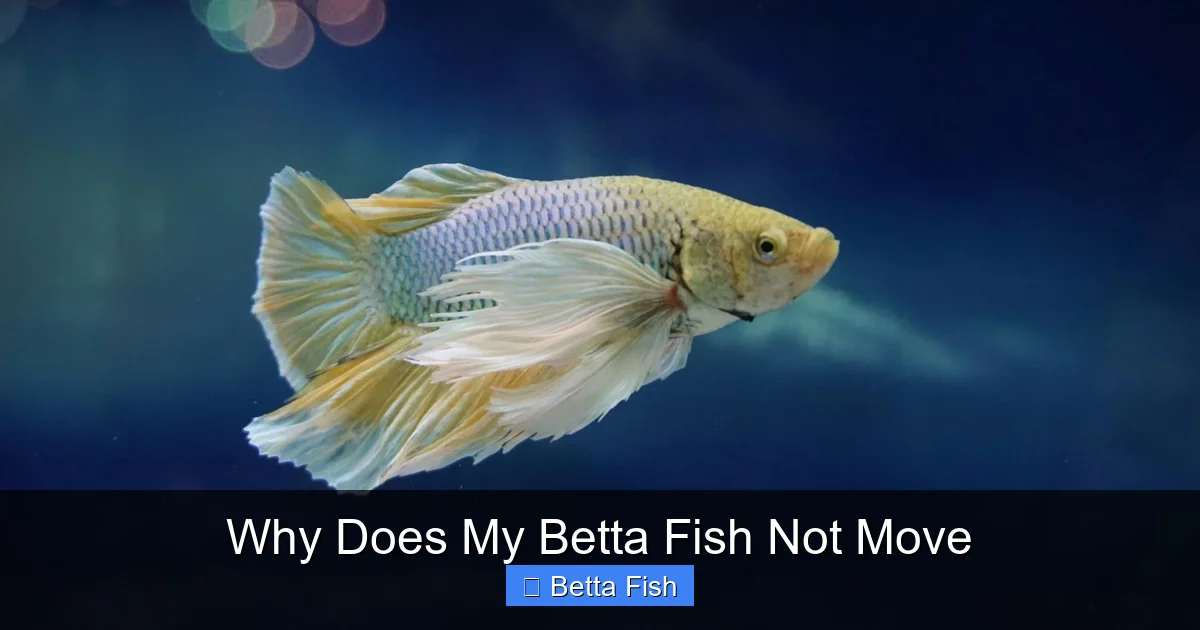
Why Does My Betta Fish Not Move
Seeing a still betta can be scary, but it isn’t always a death sentence. This guide explains the top reasons a betta stops swimming, offers easy troubleshooting steps, and shows how to restore normal behavior fast. Act quickly and your fish will be back to exploring its tank in no time.
Key Takeaways
- Water quality matters: Poor parameters are the #1 cause of inactivity.
- Temperature is critical: Betta fish need 76‑82°F to stay active.
- Stress triggers hiding: Over‑crowding, bright lights, and sudden changes can freeze a betta.
- Illness signs: Lethargy paired with loss of appetite, bloating, or torn fins signals disease.
- Quick fixes work: A water change, heater check, and a calm environment often solve the problem.
- When to intervene: If inactivity lasts more than 24‑48 hours, seek veterinary advice.
- Prevention is key: Regular testing, proper tank setup, and a balanced diet keep bettas moving happily.
📑 Table of Contents
- Introduction: When Your Betta Stops Moving
- 1. Water Quality – The Silent Saboteur
- 2. Temperature Troubles – Too Cold or Too Hot?
- 3. Stress and Environment – When the Tank Feels Like a Prison
- 4. Health Issues – When Lethargy Signals Illness
- 5. Nutrition Problems – Feeding Fails Can Freeze a Betta
- 6. When to Seek Professional Help
- Conclusion: Quick Steps to Get Your Betta Moving Again
Introduction: When Your Betta Stops Moving
Imagine you walk up to the tank, and your brilliant, flowing‑fin betta is just… floating there, barely moving. Your heart skips a beat. “Why does my betta fish not move?” you wonder, and a flood of worries rushes in. Is it sick? Is it dying? Or is it simply being shy?
Don’t panic. Betta fish are masters of mood‑shifting, and a temporary pause can mean anything from a minor stressor to a serious health issue. In this article we’ll walk through the most common reasons a betta becomes still, give you step‑by‑step troubleshooting tips, and help you decide when it’s time to call in a professional.
1. Water Quality – The Silent Saboteur
Why clean water matters
Betta fish are sensitive to ammonia, nitrite, and nitrate spikes. Even a small rise in ammonia (above 0 ppm) can make a betta feel lethargic. Poor water also raises stress hormones, causing the fish to hide or float motionlessly.
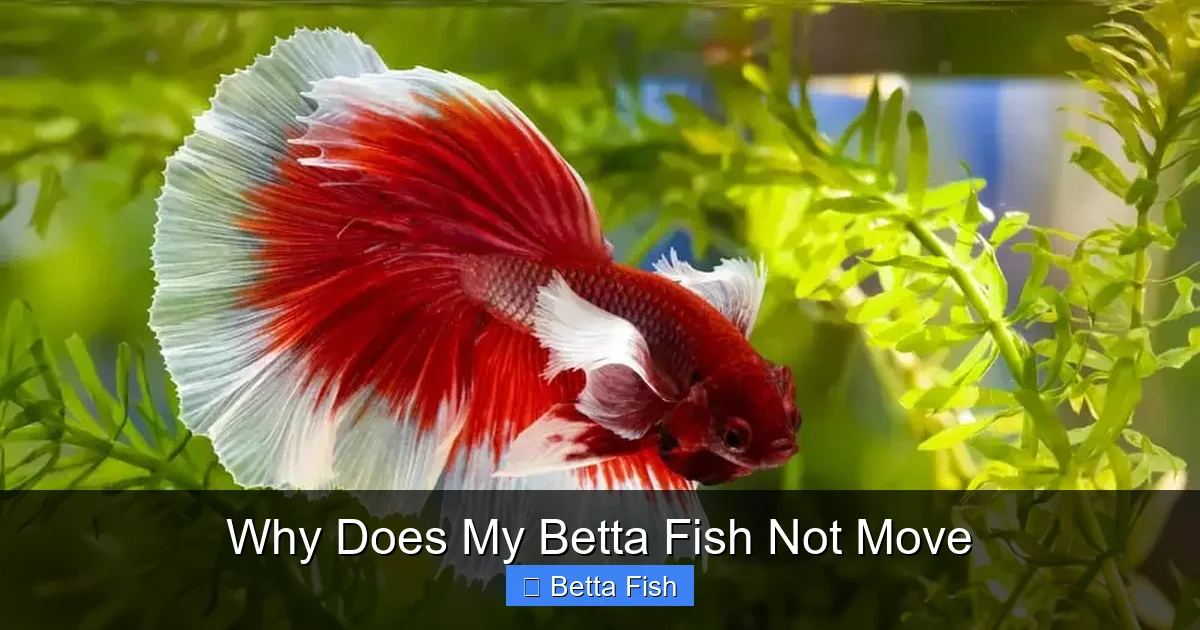
Visual guide about Why Does My Betta Fish Not Move
Image source: ilifeguides.com
How to test and fix
- Test weekly: Use a liquid test kit for ammonia, nitrite, nitrate, and pH.
- Partial water changes: Swap out 25‑30 % of the water every 2‑3 days if parameters are off.
- Clean substrate: Vacuum the gravel to remove waste buildup.
After a water change, you’ll often see the betta perk up within minutes.
2. Temperature Troubles – Too Cold or Too Hot?
The sweet spot
Betta fish are tropical and thrive at 76‑82°F (24‑28°C). Temperatures below 74°F can slow metabolism, making the fish sluggish. Conversely, water above 85°F stresses the gills and can cause rapid breathing and inactivity.

Visual guide about Why Does My Betta Fish Not Move
Image source: infishtank.com
Checking and adjusting
- Use an accurate aquarium thermometer (digital is best).
- If too cold, add a reliable submersible heater set to 78°F.
- If too hot, reduce heater output or add a small fan to increase evaporation.
Stabilizing temperature often restores normal swimming within an hour.
3. Stress and Environment – When the Tank Feels Like a Prison
Common stressors
Betta fish can become motionless when they feel unsafe. Typical triggers include:
- Bright, direct lighting.
- Frequent tapping or vibrations near the tank.
- Over‑crowding or aggressive tank mates.
- Sudden changes in décor or water chemistry.
Creating a calm haven
- Dim the lights or use a floating plant for shade.
- Place the tank on a stable surface away from doors and windows.
- Provide plenty of hiding spots—caves, silk plants, or PVC tubes.
- Keep the tank size appropriate (minimum 5 gallons for a single male).
When stress is reduced, most bettas start exploring again within a day.
4. Health Issues – When Lethargy Signals Illness
Spotting the red flags
Lethargy alone isn’t always a problem, but paired with any of these signs, it points to disease:
- Loss of appetite (Why Is My Betta Fish Not Eating)
- Bloated abdomen (Why Does My Betta Fish Look Bloated)
- Faded or shredded fins (Why Does My Betta Fish Fins Look Shredded)
- White or black spots, cloudy eyes, or abnormal swimming patterns.
Common diseases causing inactivity
- Velvet (Oodinium): White dust‑like coating, rapid breathing.
- Fin rot: Torn or ragged fins, often with a foul smell.
- Swim bladder disorder: Fish floats sideways or sinks.
- Ich: Tiny white “pimples” on the body, visible under light.
What to do
If you notice any of these symptoms, isolate the betta in a hospital tank, treat with appropriate medication (e.g., copper‑based for velvet, antibiotics for fin rot), and continue water quality maintenance. Persistent lethargy despite treatment warrants a vet visit.
5. Nutrition Problems – Feeding Fails Can Freeze a Betta
Why food matters
A betta that isn’t eating will quickly lose energy and become still. Over‑feeding can also foul the water, creating a toxic environment.
Best feeding practices
- Offer high‑quality betta pellets or frozen bloodworms once or twice daily.
- Remove uneaten food after 5 minutes to keep the water clean.
- Consider a fasting day once a week to clear the gut.
If your fish stops moving after a skipped feeding, try offering a small amount of live or frozen food to spark interest.
6. When to Seek Professional Help
Red‑flag timeline
Most minor issues improve within 24‑48 hours of corrective action. If your betta remains motionless for longer, or if you see multiple illness signs, it’s time to act.
Finding a vet
Look for a veterinarian who specializes in aquatic animals or exotic pets. Bring a water sample and a photo of the fish’s behavior. Early intervention can save a life.
Conclusion: Quick Steps to Get Your Betta Moving Again
Seeing a still betta is unsettling, but most cases have a simple fix. Check water parameters, verify temperature, reduce stressors, and ensure proper feeding. If illness signs appear, isolate and treat promptly. By staying observant and responding fast, you’ll keep your betta active, colorful, and thriving for years to come.
Frequently Asked Questions
Why is my betta fish floating at the top and not moving?
This is often a sign of poor water quality or low temperature. Test the water, perform a partial change, and make sure the heater is set between 76‑82°F.
Can a betta fish be lazy and just need more rest?
Betta fish are naturally active, especially during feeding times. Prolonged inactivity usually indicates stress or illness rather than “laziness.”
What should I do if my betta stops moving after a water change?
Monitor for shock. Keep the water parameters stable, reduce lighting, and give the fish a few hours to adjust. If it remains still, check for other stressors.
Is it normal for a betta to hide under decorations?
Yes, occasional hiding is normal, but if the fish never leaves the hide spot, it may be stressed or sick and needs a closer look.
How often should I change the water to prevent inactivity?
For a 5‑gallon tank, change 25‑30 % of the water every week. Increase frequency if you notice ammonia or nitrite spikes.
Can temperature fluctuations cause my betta to stop swimming?
Absolutely. Sudden drops or spikes can slow metabolism and cause lethargy. Use a reliable heater and thermometer to maintain a steady range.