Are Betta Fish Slender or Full Bodied

Betta fish come in both slender and full‑bodied shapes, and each body type tells a story about genetics, health, and care needs. Understanding these differences helps you pick a healthy, happy betta and keep it thriving in your home aquarium.
Key Takeaways
- Body shape varies: Betta fish can be slender, full‑bodied, or somewhere in between.
- Genetics matter: Selective breeding creates distinct silhouettes, especially in fancy varieties.
- Health clues: A sudden change from slender to bloated often signals disease or poor water quality.
- Tank setup: Full‑bodied bettas benefit from more open swimming space, while slender types enjoy vertical flow.
- Gender hints: Males often display a slightly slimmer profile to showcase their fins, but shape alone isn’t a reliable sex marker.
- Care is similar: Regardless of shape, all bettas need clean, warm, low‑flow water and a balanced diet.
- Choosing wisely: Look for natural body shape, clear eyes, and intact fins when buying a new betta.
📑 Table of Contents
- Introduction: Why Body Shape Sparks Curiosity
- 1. The Genetics Behind Shape: From Wild Types to Fancy Varieties
- 2. How to Identify a Slender vs. Full‑Bodied Betta
- 3. Health Indicators: What Changes in Shape Might Mean
- 4. Tank Setup Tips for Different Body Types
- 5. Feeding Strategies Tailored to Body Shape
- 6. Choosing the Right Betta for Your Home
- Conclusion: Embrace the Diversity
Introduction: Why Body Shape Sparks Curiosity
If you’ve ever stared at a betta fish swimming in a glass bowl, you might have wondered whether it’s supposed to look slim like a torpedo or round like a tiny balloon. The answer isn’t simple, because betta fish come in many shapes, each with its own story. Knowing whether a betta is slender or full‑bodied helps you spot health issues, choose the right tank setup, and appreciate the artistry of selective breeding.
In this guide we’ll explore the genetics behind body shape, how to tell the difference in a live fish, what each shape tells you about health, and practical tips for caring for both types. By the end, you’ll be able to answer the question “are betta fish slender or full bodied?” with confidence and make smarter choices for your aquatic companion.
1. The Genetics Behind Shape: From Wild Types to Fancy Varieties
1.1 Wild‑type bettas: the natural silhouette
Wild bettas (Betta splendens) originate from the shallow rice paddies of Southeast Asia. In the wild, they have a streamlined, slightly elongated body that helps them dart through dense vegetation. This natural form is generally slender, with a modest belly and a moderate fin length.
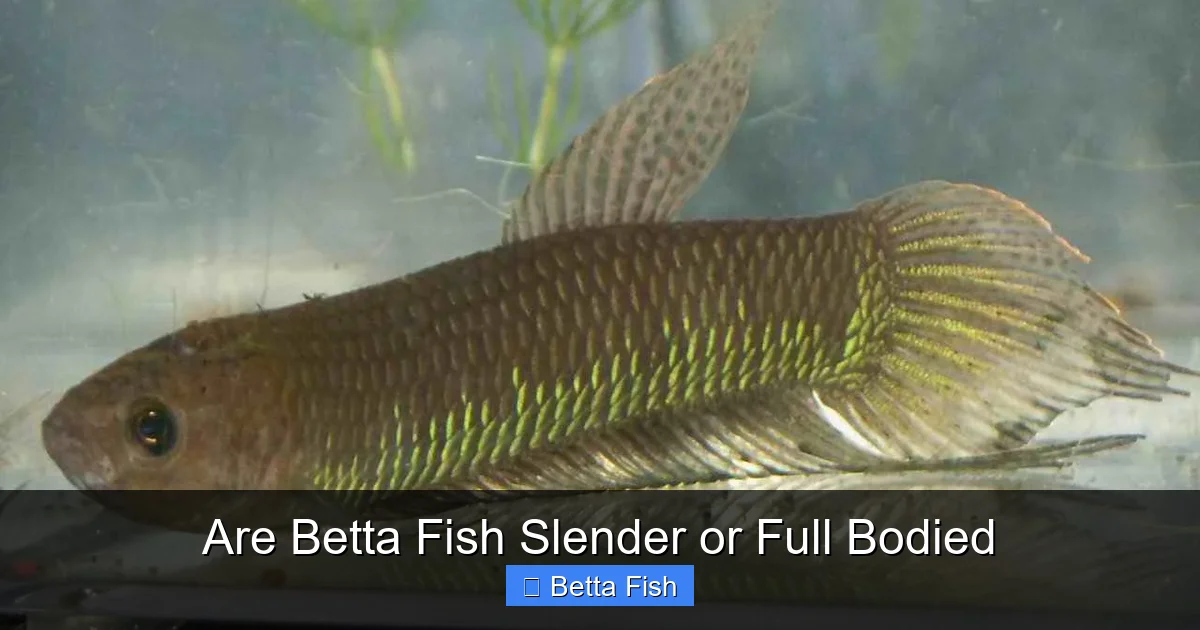
Visual guide about Are Betta Fish Slender or Full Bodied
Image source: 4.bp.blogspot.com
1.2 Selective breeding and the rise of full‑bodied “fancy” bettas
Since the 1940s hobbyists have selectively bred bettas for color, fin length, and body shape. Fancy varieties—such as the “Halfmoon,” “Dumbo,” and “Veil”—often display a fuller, rounder torso. Breeders encourage a deeper belly to support larger fins and more dramatic displays.
1.3 Genetics in action
Specific genes control growth patterns. When two full‑bodied parents are crossed, the offspring are more likely to inherit a robust, rounded body. Conversely, crossing slender lines produces a sleek, torpedo‑shaped fish. Understanding this helps you predict the shape of fry if you plan to breed.
2. How to Identify a Slender vs. Full‑Bodied Betta
2.1 Visual checklist
- Overall profile: Slender bettas have a straight, narrow side view. Full‑bodied bettas show a noticeable curve, especially behind the pectoral fins.
- Belly depth: Measure the distance from the spine to the belly. A deeper belly suggests a full‑bodied type.
- Fin-to-body ratio: Full‑bodied fish often have larger fins relative to their body size.
- Movement: Slender bettas tend to dart quickly, while fuller fish glide more slowly.
2.2 Using the “feel test” (without harming the fish)
Gently place your hand near the water’s surface and watch how the fish reacts. A healthy, slender betta will quickly dart away, whereas a full‑bodied betta may pause and float, showing confidence in its bulk.
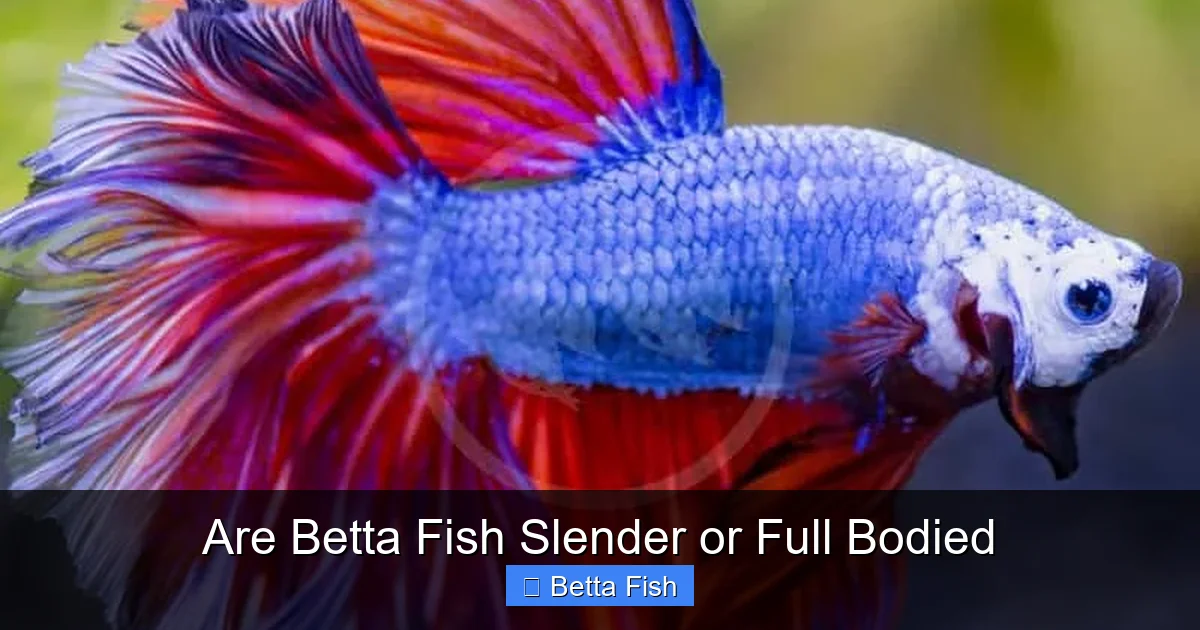
Visual guide about Are Betta Fish Slender or Full Bodied
Image source: aquaticsunlimited.com
2.3 When shape hints at gender
While body shape alone isn’t a reliable way to tell sex, males often appear slightly slimmer because they use their streamlined bodies to display fin flares and aggressive postures. For a deeper dive into sex identification, see our guide on how to tell if betta fish are male or female.
3. Health Indicators: What Changes in Shape Might Mean
3.1 Swelling and bloating
If a normally slender betta suddenly looks puffy, it could be a sign of constipation, dropsy, or internal infection. Bloating often starts at the abdomen and spreads outward. Quick action—adjusting diet, performing a water change, and checking temperature—can prevent serious illness.
3.2 Emaciation
A full‑bodied betta that looks gaunt may be under‑fed or suffering from parasites. Look for a thin spine and reduced fin size. Increase high‑protein foods like brine shrimp and monitor for improvement.
3.3 The role of water quality
Poor water conditions (high ammonia, low temperature) stress bettas and can cause them to retain fluid, making them appear more full‑bodied than usual. Regular water changes and a reliable heater keep the fish’s body shape stable.
4. Tank Setup Tips for Different Body Types
4.1 Space requirements
Full‑bodied bettas benefit from a slightly larger horizontal footprint—think a 5‑gallon tank with open swimming space. Slender bettas thrive in tanks with vertical flow, which mimics the swift currents of their natural habitat.
4.2 Decoration and plants
Both types love live plants, but full‑bodied fish enjoy broader leaf plants like Anubias that provide shelter without restricting movement. Slender bettas appreciate taller stalks that create vertical layers.
4.3 Filtration and flow
A gentle sponge filter works for most bettas. For slender types, increase surface agitation slightly to simulate a flowing environment, but avoid strong currents that can stress a full‑bodied fish.
5. Feeding Strategies Tailored to Body Shape
5.1 Diet basics for all bettas
All bettas are carnivorous and need protein‑rich foods: high‑quality pellets, frozen or live brine shrimp, and occasional bloodworms.
5.2 Adjusting portions for size
Full‑bodied bettas may need a tad more food to maintain muscle mass, but overfeeding leads to bloating. Feed small amounts 2‑3 times daily and watch for leftover pellets.
5.3 Treats that support fin health
Omega‑3 rich foods like daphnia help keep fins strong, which is especially important for fancy, full‑bodied bettas with large, delicate tails.
6. Choosing the Right Betta for Your Home
6.1 Matching shape to lifestyle
If you have a compact, heavily planted tank, a full‑bodied betta may look impressive among the foliage. For a sleek, minimalist setup with vertical drift wood, a slender betta fits the aesthetic.
6.2 Evaluating health at the store
Look for clear eyes, intact fins, and a natural body shape—whether slender or full‑bodied. Avoid fish with torn fins, white spots, or a bloated belly.
6.3 Budget considerations
Fancy, full‑bodied bettas often command higher prices due to selective breeding. If you’re on a budget, a healthy slender betta can be just as beautiful and easier to care for. Learn more about pricing in our article on how much are betta fish at PetSmart.
Conclusion: Embrace the Diversity
So, are betta fish slender or full bodied? The short answer: both. Their shape depends on genetics, breeding goals, and sometimes health. Recognizing the differences helps you provide the right environment, spot potential problems early, and enjoy the unique beauty each betta brings to your home.
Whether you choose a sleek, torpedo‑like swimmer or a plump, show‑stopping showstopper, remember that proper care—clean water, balanced diet, and attentive observation—will keep your betta thriving. Happy fish keeping!
Frequently Asked Questions
Are slender bettas healthier than full‑bodied bettas?
Both can be healthy if kept in good conditions. A sudden change in shape, however, often signals health issues regardless of the original body type.
Can a betta’s body shape change as it ages?
Yes. Betta fish may become slightly fuller with age, especially if they are well‑fed. Significant swelling usually points to disease.
Do full‑bodied bettas need larger tanks?
They benefit from a bit more horizontal space to accommodate their larger fins and deeper bodies, but a properly filtered 5‑gallon tank is sufficient.
Is there a link between body shape and aggression?
Body shape itself isn’t a direct factor, but male bettas—often more slender—tend to be more aggressive due to territorial behavior.
How can I tell if a betta’s fullness is due to bloating?
Look for a soft, distended abdomen, cloudy eyes, and reduced activity. Perform a water change and adjust feeding; if the condition persists, seek veterinary advice.
Do wild‑type bettas look different from fancy bettas?
Wild‑type bettas are typically slender with modest fins, while fancy bettas are bred for fuller bodies and extravagant fin displays.