Are Betta Fish Sick When Their Fins Are Small

Betta fish with unusually small fins aren’t always sick, but the change often signals underlying problems. This guide explains the common causes, how to differentiate normal growth from disease, and practical care tips to restore healthy, vibrant fins.
Key Takeaways
- Small fins aren’t always a death sentence: They can result from genetics, stress, or genuine illness.
- Water quality is the #1 factor: Poor parameters trigger fin shrinkage and infections.
- Nutrition matters: A balanced diet rich in protein and vitamins supports fin regeneration.
- Early detection saves lives: Spotting subtle signs lets you treat problems before they worsen.
- Many fin issues are reversible: With proper care, most bettas can grow back healthy fins.
- Preventive steps are simple: Regular water changes, proper tank size, and stress‑free environments go a long way.
- Know when to seek expert help: Persistent fin loss or curling may need medication or a vet visit.
📑 Table of Contents
- Introduction: When Small Fins Raise Big Questions
- 1. Understanding Normal Fin Growth vs. Problematic Shrinkage
- 2. Primary Causes of Fin Shrinkage
- 3. Diagnosing the Issue: A Simple Checklist
- 4. Treatment Options and Recovery Strategies
- 5. Preventive Care: Keeping Fins Full and Fabulous
- Conclusion: Small Fins Are a Signal, Not a Sentence
Introduction: When Small Fins Raise Big Questions
If you’ve ever watched a betta flare its gorgeous tail only to notice that the fins look shorter or thinner than usual, you might wonder, are betta fish sick when their fins are small? It’s a common worry for new owners and seasoned hobbyists alike. The good news is that a smaller fin doesn’t automatically mean a fatal disease. Often, it’s a symptom of something you can fix with a few easy adjustments.
In this article we’ll walk through the most common reasons why a betta’s fins might shrink, how to tell a healthy growth stage from a health problem, and step‑by‑step actions you can take right now. By the end, you’ll feel confident spotting trouble early and giving your finned friend the best chance for a full, vibrant recovery.
1. Understanding Normal Fin Growth vs. Problematic Shrinkage
Natural Development in Young Betta
Betta fry are born with tiny, almost translucent fins. As they mature, the fins expand dramatically, often reaching full size by 8‑12 weeks. During this period, it’s normal to see fins look “small” compared to adult specimens. Patience is key; avoid handling the fish too much, as stress can temporarily halt growth.
Visual guide about Are Betta Fish Sick When Their Fins Are Small
Image source: wikihow.com
When Small Fins Signal Trouble
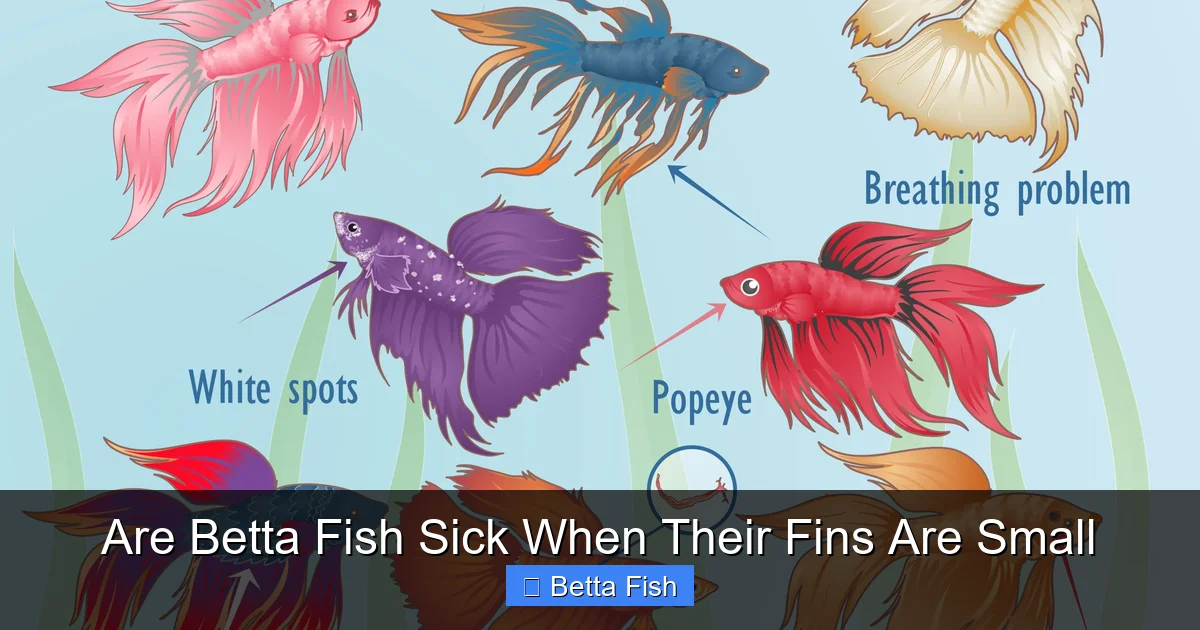
For adult bettas, a sudden reduction in fin size or a gradual thinning is a red flag. Look for these accompanying symptoms:
- Faded or blotchy coloration
- Fins that appear torn, ragged, or curling
- Lethargy or loss of appetite
- Rapid breathing or hovering near the surface
If you notice any of these, it’s time to investigate further.
2. Primary Causes of Fin Shrinkage
2.1 Poor Water Quality
Betta fish are especially sensitive to ammonia, nitrite, and high nitrate levels. Even a slight spike can stress the fish, causing the fins to retract or appear smaller. Test your water weekly and keep ammonia and nitrite at 0 ppm, nitrates below 20 ppm.
Visual guide about Are Betta Fish Sick When Their Fins Are Small
Image source: bettafish.org
2.2 Inadequate Tank Size
While many keep bettas in tiny bowls, research shows that a 5‑gal (19‑liter) tank is the minimum for a healthy adult. Crowded or undersized environments increase stress, leading to fin deterioration. Learn more about why betta tanks are often too small in our article Why Are Betta Fish Tanks So Small.
2.3 Nutritional Deficiencies
Protein‑rich foods like high‑quality pellets, frozen bloodworms, and brine shrimp supply the amino acids needed for fin regeneration. A diet lacking these nutrients can cause fins to become thin and brittle.
2.4 Disease and Parasites
Fin rot (caused by bacterial infection), velvet disease, and flukes can all make fins look shrunken or ragged. In many cases, the fin tissue actually breaks down, giving the illusion of “small” fins. See our guide on Why Betta Fish Lose Their Fins for deeper insight.
2.5 Stress Factors
Sudden temperature changes, aggressive tank mates, or constant bright lighting can trigger stress hormones that cause fin retraction. Keep the temperature stable at 78‑80 °F (25‑27 °C) and provide plenty of hiding places.
3. Diagnosing the Issue: A Simple Checklist
Step 1 – Test Water Parameters
Grab a reliable test kit and check ammonia, nitrite, nitrate, and pH. Correct any out‑of‑range values immediately with partial water changes.
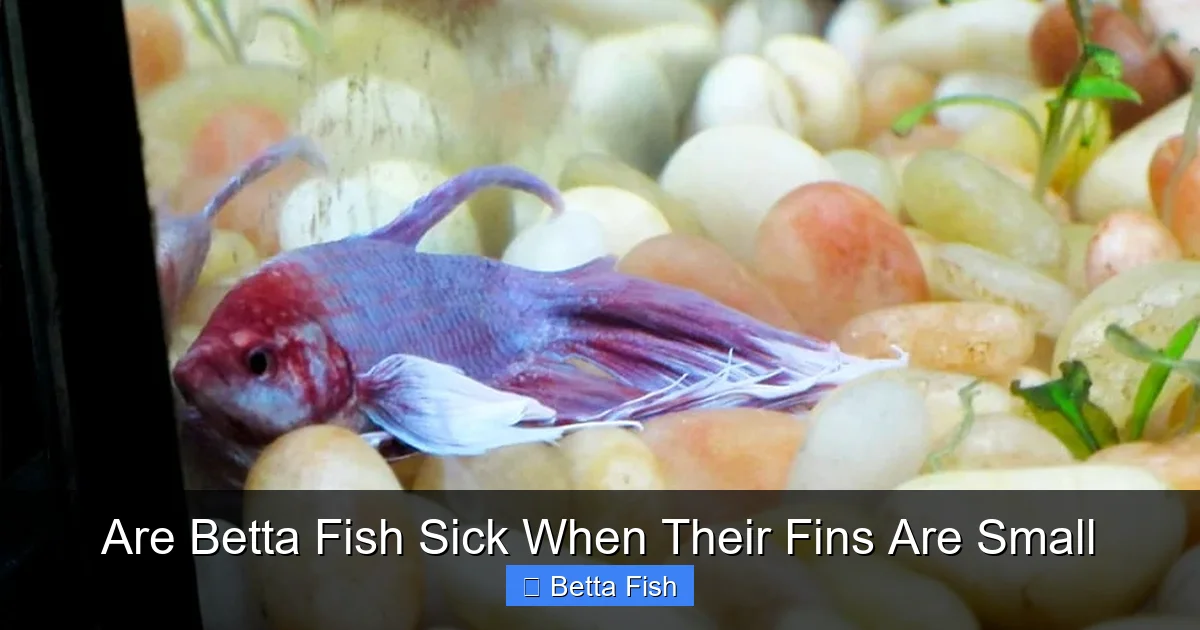
Visual guide about Are Betta Fish Sick When Their Fins Are Small
Image source: theaquaadvisor.com
Step 2 – Inspect the Fins Closely
Look for:
- White or fuzzy growth (possible fungal infection)
- Red, inflamed edges (bacterial rot)
- Frayed tips or curling (physical damage or parasites)
Step 3 – Review Diet and Feeding Routine
Are you feeding once or twice a day? Are you offering a variety of foods? Switch to a high‑protein diet for at least two weeks and watch for improvement.
Step 4 – Evaluate Tank Conditions
Is the tank at least 5 gallons? Does it have a gentle filter and a heater? Are there any aggressive tank mates? Make adjustments as needed.
4. Treatment Options and Recovery Strategies
4.1 Water Change Protocol
Perform a 25‑30% water change daily for three days, using conditioned water that matches the tank’s temperature. This dilutes toxins and gives the fish a clean environment to heal.
4.2 Medicinal Baths
If you spot signs of fin rot, a 30‑minute dip in a hospital tank with a broad‑spectrum antibacterial like Maracyn Two can halt the infection. Follow product instructions carefully.
4.3 Nutritional Boost
Incorporate foods rich in vitamin C and omega‑3 fatty acids, such as high‑quality frozen daphnia or specialized betta fry formula. These nutrients accelerate tissue repair.
4.4 Stress Reduction Techniques
- Cover the tank partially to reduce bright light.
- Add live plants like Java fern for hiding spots.
- Maintain a stable temperature with a reliable heater.
For plant recommendations, see Which Live Plants Are Good For Betta Fish.
4.5 When to Seek Professional Help
If fins continue to shrink after two weeks of diligent care, consult an aquatic veterinarian. Persistent issues may indicate deeper systemic disease.
5. Preventive Care: Keeping Fins Full and Fabulous
5.1 Consistent Maintenance Schedule
Change 20‑30% of the water weekly, clean the substrate, and test parameters every few days. Consistency prevents the buildup of harmful compounds.
5.2 Optimal Tank Setup
A 5‑gallon tank with a gentle flow filter, a heater, and a few live plants creates a stable, low‑stress habitat. Avoid strong currents that can damage delicate fins.
5.3 Balanced Feeding Plan
Feed 2‑3 small portions daily, rotating between high‑quality pellets, frozen bloodworms, and occasional brine shrimp. Overfeeding leads to water quality issues, which in turn affect fin health.
5.4 Regular Health Checks
Spend a few minutes each week observing your betta’s behavior, fin condition, and coloration. Early detection of changes is the best defense.
5.5 Understanding Fin Regeneration
Betta fins can grow back if the underlying cause is removed. Our article Can Betta Fish Fins Grow Back explains the process and timeline in detail.
Conclusion: Small Fins Are a Signal, Not a Sentence
Seeing your betta’s fins look smaller than usual can be unsettling, but it’s rarely a death sentence. By checking water quality, improving diet, reducing stress, and treating any infections promptly, you give your fish the best chance to regrow strong, vibrant fins. Remember, prevention is easier than cure—maintain a clean, spacious tank, feed a balanced diet, and keep an eye on any subtle changes. With attentive care, your betta will flare its gorgeous tail proudly once again.
Frequently Asked Questions
Why are my betta’s fins smaller than they used to be?
Fins can appear smaller due to poor water quality, inadequate nutrition, stress, or an underlying infection. Checking water parameters and improving diet are the first steps.
Can betta fish grow new fins after they shrink?
Yes, if the cause is addressed—such as fixing water conditions or treating an infection—betta fins often regenerate fully over several weeks.
Is a small fin always a sign of disease?
No. Young bettas naturally have tiny fins, and adult fish may temporarily retract fins when stressed. Look for other symptoms like discoloration or erratic swimming to determine if disease is present.
How often should I change the water to prevent fin problems?
Change 20‑30% of the water weekly, and perform a 25‑30% change daily for a few days if you notice sudden fin shrinkage or poor water parameters.
What foods help betta fins grow back faster?
High‑protein foods such as quality betta pellets, frozen bloodworms, brine shrimp, and occasional daphnia provide the amino acids and vitamins needed for fin repair.
Should I use medication if I see my betta’s fins curling?
Fin curling often signals infection or parasites. A brief medicinal bath with a broad‑spectrum antibacterial or antiparasitic treatment can help, but always follow the product directions and monitor the fish closely.