Why Do Male Betta Fish Flare Their Gills

Male bettas flare their gills as a natural communication tool, signaling territory, stress, or excitement. Understanding the triggers—like rivals, poor water conditions, or breeding instincts—helps you create a calm environment and prevent unnecessary aggression.
Key Takeaways
- Territorial signaling: Gill flaring is a visual warning to other fish that a male betta is defending his space.
- Stress indicator: Poor water quality, sudden temperature changes, or overcrowding can cause frequent flaring.
- Breeding behavior: During courtship, males flare to attract females and build bubble nests.
- Health check: Persistent flaring may signal disease or injury; watch for faded colors or ragged fins.
- Tank setup matters: Providing hides, proper temperature, and a suitable tank size reduces unnecessary flaring.
- Observation tip: Short, occasional flares are normal; long, repetitive flares often need intervention.
- Learn more: Read related articles on betta aggression, water parameters, and bubble‑nest building for deeper insight.
📑 Table of Contents
- Introduction: The Dramatic Dance of a Male Betta
- 1. The Evolutionary Roots of Gill Flaring
- 2. Common Triggers for Gill Flaring
- 3. How to Distinguish Normal from Problematic Flaring
- 4. Practical Steps to Reduce Unnecessary Flaring
- 5. When to Seek Professional Help
- 6. Frequently Overlooked Factors
- Conclusion: Turning Flare into a Friendly Signal
Introduction: The Dramatic Dance of a Male Betta
If you’ve ever watched a male betta fish in a glass aquarium, you’ve probably seen him puff out his gills, spread his fins, and stare like a tiny warrior. This display, often called “flaring,” is one of the most iconic behaviors in the betta world. While it looks impressive, many new owners wonder why do male betta fish flare their gills and whether it’s a sign of trouble.
In this article we’ll break down the science, the social cues, and the practical steps you can take to keep flaring under control. By the end, you’ll be able to read your betta’s body language like a pro and create a tank environment that lets him show off his colors without constant stress.
1. The Evolutionary Roots of Gill Flaring
Why the behavior developed
Male bettas (Betta splendens) are native to the shallow, warm waters of Southeast Asia. In the wild they live in rice paddies and slow‑moving streams where space is limited and competition for mates is fierce. Over thousands of years, flaring evolved as a quick, visual way to say “back off” without resorting to a full‑blown fight.
The anatomy behind the flare
When a male betta flares, he expands the opercular (gill) chamber, stretches the operculum, and spreads his dorsal and caudal fins. The gill membranes are richly supplied with blood vessels, giving the flared area a bright, almost iridescent look that catches the eye of other fish. This sudden change in silhouette is hard to miss, even in a dimly lit tank.
2. Common Triggers for Gill Flaring
Territorial intruders
The most frequent cause is the presence of another fish—real or perceived. Even a reflection on the glass can set off a flare. Male bettas are solitary by nature, so any sign of a rival (another male, a larger fish, or even a moving object outside the tank) will trigger the alarm.
Stress from water conditions
Poor water quality, sudden temperature swings, or low dissolved oxygen can make a betta feel unsafe. When the environment isn’t ideal, the fish may flare more often as a coping mechanism. Regular water changes, a stable temperature of 78‑80°F, and a gentle filtration system help keep stress low.
Breeding instincts
During the breeding season, a male will flare to attract a female and to demonstrate his fitness. He may also flare while building a bubble nest, showing off his vigor. If you notice flaring accompanied by surface‑skimming and bubble‑nest activity, it’s likely a courtship display.
Health concerns
In some cases, flaring can be a symptom of illness. Parasites, bacterial infections, or gill damage can cause a fish to breathe faster, which looks like a prolonged flare. Look for additional signs such as faded colors, ragged fins, or lethargy.
3. How to Distinguish Normal from Problematic Flaring
Duration and frequency
Normal flares are brief—usually a few seconds—followed by a calm period. If your betta flares for more than 10 seconds or repeats the behavior every few minutes, it’s a red flag.

Visual guide about Why Do Male Betta Fish Flare Their Gills
Image source: petshun.com
Accompanying behavior
Watch the whole picture. A relaxed betta will resume normal swimming, occasional surface breathing, and occasional fin displays. If he stays hunched, hides, or stops eating, the flare is likely stress‑related.
Physical appearance
Healthy flaring shows bright, vibrant colors. Dull or faded hues during a flare suggest the fish is ill or the water conditions are off. Check the gill edges for white spots or redness—these could indicate infection.
4. Practical Steps to Reduce Unnecessary Flaring
Optimize tank size and layout
Even though bettas can survive in small containers, a 5‑gallon tank gives enough room to establish a personal territory. Add plants, driftwood, and caves to create visual barriers. These “hiding spots” let the betta retreat and feel secure.
Maintain pristine water
Test the water weekly for ammonia, nitrite, and nitrate. Keep temperature steady with a reliable heater; see our guide on Do Betta Fish Need Heaters In Their Tanks. Perform 25‑30% water changes every week to remove waste and keep oxygen levels high.
Limit visual stressors
Position the tank away from high‑traffic areas and avoid direct sunlight that creates reflections. If you must keep the tank near a window, use a backdrop or a matte film to reduce glare.
Introduce companions wisely
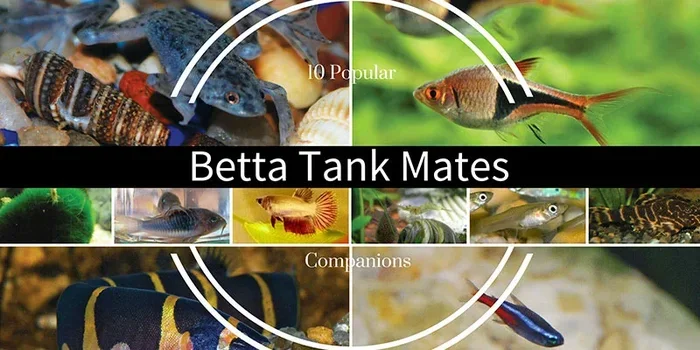
Male bettas should generally be kept alone, but certain peaceful species (like small rasboras or snails) can coexist if the tank is well‑planted and the betta shows no aggression. For more on compatible tank mates, read What Fish Can Live With A Male Betta.
Monitor breeding cues
If you’re interested in breeding, provide a shallow sloping area for bubble‑nest building and a separate container for the female. Understanding the breeding cycle helps you interpret flares as courtship rather than distress.
5. When to Seek Professional Help
Signs of illness
Persistent flaring combined with loss of color, ragged fins, or labored breathing warrants a closer look. Quarantine the fish if possible and treat with a broad‑spectrum antibiotic or antiparasitic medication according to a vet’s recommendation.
Consulting an expert
If you’re unsure whether the behavior is normal, reach out to a local aquarium store or a fish‑health specialist. Providing water test results, photos, and a description of the flare pattern will help them diagnose quickly.
6. Frequently Overlooked Factors
Lighting
Bright, flickering lights can startle a betta and cause a flare. Use a gentle LED with a dimmer, and give the fish a consistent day/night cycle (10‑12 hours of light).
Noise and vibrations
Heavy foot traffic, loud music, or nearby appliances create vibrations that bettas can feel. While they can tolerate normal household noise, excessive vibration may increase stress.
Feeding routine
Irregular feeding or low‑quality food can make a betta nervous. Feed small amounts 2‑3 times a day with high‑protein pellets or frozen foods. Over‑feeding leads to poor water quality, which circles back to stress and flaring.
Conclusion: Turning Flare into a Friendly Signal
Understanding why do male betta fish flare their gills empowers you to create a healthier, happier home for your finned companion. Remember that flaring is a natural, instinctive behavior used for communication, territory defense, and breeding. By providing a spacious, well‑filtered tank, stable water parameters, and minimal stressors, you’ll see fewer frantic flares and more relaxed, colorful displays.
Keep an eye on the frequency, duration, and context of each flare. When in doubt, compare your observations with trusted resources such as Why Do Betta Fish Flare and When Betta Fish Flare Their Gills. With patience and attentive care, your male betta will thrive, and you’ll enjoy the stunning spectacle of his natural behavior—without the worry.
Frequently Asked Questions
Why does my male betta flare his gills when I walk by the tank?
He sees your movement as a potential threat or rival. Bettas are very sensitive to motion and will flare to warn what they perceive as an intruder.
Is gill flaring a sign of illness?
Occasional flaring is normal, but if it’s constant, accompanied by faded colors or ragged fins, it could indicate stress or disease.
Can water temperature affect flaring?
Yes. Sudden drops or spikes in temperature stress the fish, leading to more frequent flares. Keep the tank at a steady 78‑80°F.
Do female bettas flare their gills?
Females may flare briefly when threatened, but they rarely display the dramatic, sustained flares that males use for territory and courtship.
How can I stop my betta from flaring at his reflection?
Cover the back of the tank with a dark background or move the tank away from reflective surfaces to reduce the illusion of another fish.
Will adding plants reduce flaring?
Plants create natural barriers and hiding spots, which can make a male feel more secure and lower the frequency of defensive flares.