Are Betta’s the Dogs of Fish

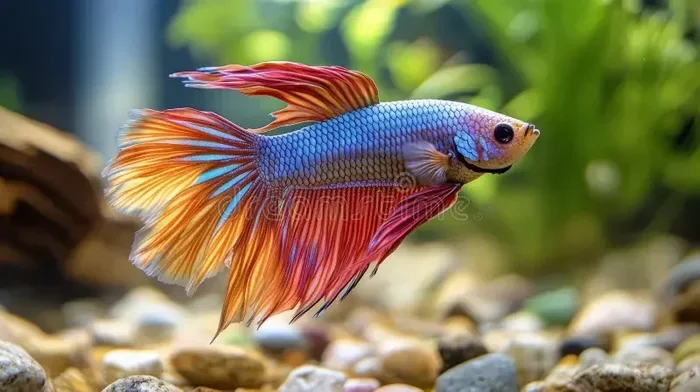
Betta fish are often called the dogs of the aquarium world because of their friendly, interactive nature and strong bond with owners. Like a loyal pup, they recognize their keeper, enjoy playtime, and thrive on consistent care, making them perfect for beginners and seasoned hobbyists alike.
Key Takeaways
- Personality parallels: Betta fish show affection, recognize owners, and love routine, much like dogs.
- Training potential: Simple tricks such as “come to hand” and target training are possible with patience.
- Care simplicity: Despite their dog‑like loyalty, bettas need specific water parameters and a stress‑free environment.
- Social behavior: Unlike many fish, bettas can enjoy interaction but still prefer solitary spaces.
- Health monitoring: Regular checks for fin health, jumping behavior, and water quality keep your “fish‑dog” happy.
- Longevity: With proper care, bettas can live 3‑5 years, giving you years of companionship.
- Fun facts: Their labyrinth organ lets them breathe air, and males flare fins like a proud pooch showing off.
📑 Table of Contents
- Introduction: Why the Comparison?
- 1. Betta Personality: The Canine Connection
- 2. Care Basics: From Puppy Pads to Aquarium Setup
- 3. Social Life: The Solo Companion
- 4. Lifespan and Long‑Term Commitment
- 5. Training and Enrichment: Keeping Your Betta Engaged
- 6. The Verdict: Are Betta’s the Dogs of Fish?
- Conclusion
Introduction: Why the Comparison?
When you hear someone say, “Betta fish are the dogs of fish,” it might sound like a joke. Yet, the statement holds a lot of truth. Dogs are known for their loyalty, eagerness to please, and ability to bond with humans. Betta fish, despite being tiny and silent, often display very similar traits. They recognize their owners, respond to hand‑feeding, and even learn simple tricks. For many aquarium hobbyists, a betta becomes more than a decorative splash of color—it becomes a companion.
In this article we’ll explore the personality quirks that earn bettas the “dog” nickname, compare their care needs to typical pet dogs, and give you practical tips on how to nurture this unique friendship. By the end, you’ll understand whether a betta is the right “fish‑dog” for your home and how to keep it healthy and happy for years to come.
1. Betta Personality: The Canine Connection
Recognition and Greeting
Just as many dogs wag their tails when you walk through the door, bettas often swim to the surface and flare their fins when you approach the tank. They learn to associate your presence with food and attention. This recognition can be enhanced by consistent hand‑feeding. Over time, your betta may even follow your finger around the glass, a clear sign of familiarity.
Playfulness and Curiosity
Dogs love a good game of fetch, and bettas love a good floating toy. Small, non‑toxic objects like a ping‑pong ball or a piece of smooth driftwood can become “playthings.” Watch for a betta nudging a floating leaf or chasing bubbles—these are signs of an inquisitive mind, much like a puppy exploring a new park.
Territorial Loyalty
Territory is a big deal for both dogs and bettas. While a dog guards its home, a male betta fiercely protects its tank. This is why they need a space where they feel secure. Providing plenty of hiding spots and a well‑decorated environment satisfies their need for a personal “den.”
Training Possibilities
Believe it or not, you can teach a betta simple tricks. Using a target stick (a small wooden dowel or even a chopstick), you can reward the fish for touching the tip with its nose. With repetition, the betta will swim to the target on command—much like a dog sits on cue. Patience and positive reinforcement are key; never punish a betta for not responding.
2. Care Basics: From Puppy Pads to Aquarium Setup
Tank Size and Environment
Unlike the “bowl” myth, a betta deserves at least a 5‑gallon tank. This provides enough swimming room and helps maintain stable water parameters. A gentle filter with a sponge pre‑filter is ideal—it keeps the water clean without creating a strong current that could stress the fish.

Visual guide about Are Betta’s the Dogs of Fish
Image source: blog-imgs-175.fc2.com
Water Temperature and Quality
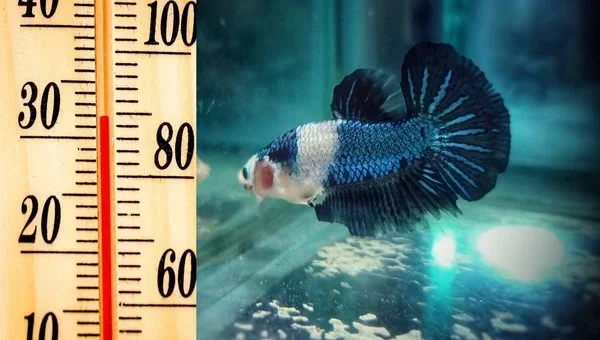
Betta fish are tropical and thrive at 76‑82°F (24‑28°C). A reliable heater keeps the temperature steady, just as a dog needs a comfortable indoor climate. Regular water changes (about 25% weekly) prevent the buildup of ammonia and nitrites, which can make a betta sick.
Feeding Routines
Dogs love a set feeding schedule; bettas do too. Offer high‑quality betta pellets once or twice daily, supplemented with occasional frozen or live foods like daphnia or bloodworms. Overfeeding leads to cloudy water and health issues, so keep portions small—about the size of the fish’s eye.
Health Monitoring
Watch for signs of stress: faded colors, torn fins, or excessive jumping. Jumping is a natural behavior—betas may leap to escape poor water conditions or a cramped space. If your betta jumps out, check the temperature, water quality, and tank size. For more on jumping behavior see our guide on why betta fish jump out of the tank.
3. Social Life: The Solo Companion
Why Betta are Generally Solitary
Male bettas are famously aggressive toward other males, a trait that mirrors a dog’s protective instincts over its territory. Female bettas can sometimes coexist in a sorority tank, but careful monitoring is essential. For those curious about keeping multiple bettas, read our article on can you have two betta fish in the same bowl for detailed guidelines.

Visual guide about Are Betta’s the Dogs of Fish
Image source: t.pimg.jp
Interaction vs. Over‑Stimulation
Just as a dog can become overstimulated by too many visitors, a betta can become stressed if constantly tapped or handled. Offer interaction in short, regular sessions—five minutes a few times a day is plenty. This balances bonding with respect for the fish’s need for calm.
Understanding Their “Dog‑like” Signals
When a betta flares its fins, it’s not just showing off; it’s also signaling a “stay away” message, similar to a dog’s growl. Learning to read these cues helps you avoid stress and maintain a harmonious environment.
4. Lifespan and Long‑Term Commitment
How Long Do “Fish‑Dogs” Live?
With proper care, bettas typically live 3‑5 years, though some reach 7 years. This lifespan is comparable to the early adulthood of many small dog breeds. Understanding the commitment helps you plan for the future, just as you would when adopting a puppy.
Factors That Influence Longevity
Water quality, diet, and stress levels are the biggest determinants of a betta’s lifespan. Regular water testing, a balanced diet, and a low‑stress environment can add years to your fish’s life. For deeper insight into lifespan, check out what is the life expectancy of a betta fish.
Health Checks: A Routine Like Vet Visits
Just as you’d take a dog to the vet for annual exams, schedule regular health checks for your betta. Look for fin rot, white spots, or cloudy eyes. Early detection of problems such as fungal infections can prevent serious illness.
5. Training and Enrichment: Keeping Your Betta Engaged
Target Training Basics
Start with a small stick placed near the water surface. When the betta touches it, reward with a pellet. Repeat several times a day, gradually increasing the distance. Over weeks, the fish will associate the stick with a treat and will swim to it on cue.
Interactive Toys and Puzzles
Floating mirrors can stimulate a betta’s natural curiosity. Small mazes made from PVC tubes offer a chance to explore and “hunt” for food. Rotate toys every few weeks to keep the environment fresh, much like changing a dog’s walking route.
Exercise Through Water Flow
A gentle current encourages swimming. Use a sponge filter that creates a mild flow, allowing the betta to swim against it—this is akin to a dog’s daily walk, providing both physical exercise and mental stimulation.
6. The Verdict: Are Betta’s the Dogs of Fish?
Summing Up the Similarities
Betta fish share many traits with dogs: they recognize owners, enjoy routine, can be trained, and thrive on interaction. They also demand consistent care, a safe environment, and regular health monitoring—responsibilities any dog owner would understand.
Key Differences to Remember
Unlike dogs, bettas cannot be taken for walks, and their communication is visual rather than vocal. They also have specific water needs that must be met continuously. Recognizing these distinctions ensures you provide the best care without unrealistic expectations.
Final Thoughts
If you’re looking for a low‑maintenance yet interactive companion, a betta may be the perfect “fish‑dog.” With the right tank setup, a balanced diet, and a little patience, you’ll enjoy a bond that rivals many traditional pets. Treat your betta with the same love and respect you’d give a canine friend, and you’ll be rewarded with vibrant colors, playful antics, and a loyal little swimmer by your side.
Conclusion
Betta fish truly earn the title “dogs of fish” through their affectionate nature, trainability, and devotion to their owners. While they differ in many ways—from breathing air with a labyrinth organ to needing a carefully controlled aquatic environment—the parallels are striking enough to make them a popular choice for pet lovers of all ages. By understanding their unique needs, providing proper care, and engaging them with simple training and enrichment, you’ll foster a rewarding relationship that lasts for years. So, the next time you greet your betta at the tank, think of the wagging tail of a dog—both are simply happy to see you.
Frequently Asked Questions
Do betta fish really recognize their owners?
Yes. Betta fish often swim to the surface and flare their fins when they see you approaching, especially if you regularly hand‑feed them.
Can I train a betta to do tricks?
Absolutely. Simple target training using a stick and rewarding with food can teach a betta to swim to a specific spot on cue.
How often should I change the water in a betta tank?
A 25% water change each week helps keep ammonia and nitrite levels low, ensuring a healthy environment for your fish.
Are bettas suitable for beginners?
Yes, provided you meet their basic needs: proper tank size, stable temperature, and clean water. They are more forgiving than many other fish species.
Why does my betta jump out of the tank?
Jumping can signal poor water quality, temperature spikes, or a cramped space. Check your tank conditions and make sure the lid is secure.
Do bettas need a heater?
Betta fish are tropical and thrive at 76‑82°F (24‑28°C). A reliable heater maintains this range and prevents stress.