Is Eating Fish Better Than Meat Environment
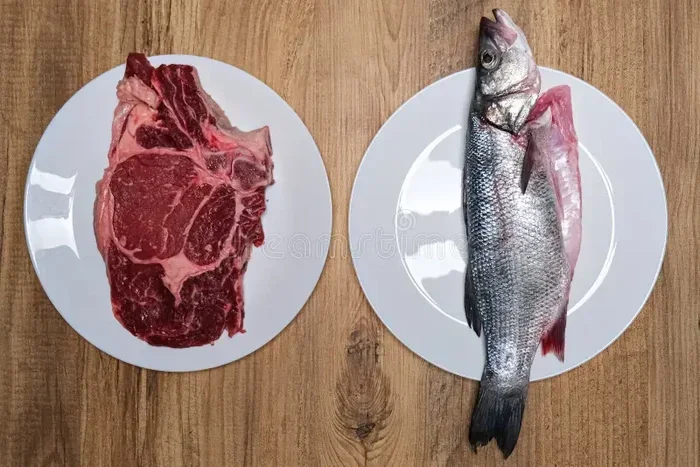
Is eating fish better than meat for the environment? The answer is more nuanced than you might think. Eating fish generally has a lower carbon footprint than beef or pork, but not always compared to chicken or plant-based options. Sustainability depends heavily on how the fish is caught or raised. This guide breaks down the real environmental impact of choosing fish over meat.
When you sit down to plan your meals, have you ever wondered about the bigger picture? The food on your plate does more than fuel your body. It affects the planet in ways you might not expect. Is eating fish better than meat for the environment? This is a question many people are asking as climate change becomes a bigger concern every day.
The short answer is: it depends. Fish can be a more sustainable choice than beef or lamb, but comparing it to chicken or pork tells a different story. Your environmental impact depends on the type of fish, how it was caught, and where it came from. Let us walk through the details so you can make informed choices.
More people are thinking about environmental impact when they shop for food. The carbon footprint of your diet matters. And seafood is a big part of that conversation. Whether you are a meat lover looking to swap things up or someone already eating fish and curious about the bigger picture, this article has you covered.
Key Takeaways
- Lower Carbon Footprint: Most fish produce fewer greenhouse gases than red meat and pork.
- Not All Fish Are Equal: Wild-caught and farmed fish have very different environmental impacts.
- Water Usage Matters: Fish farming uses less freshwater than livestock in many cases.
- Overfishing Is a Real Problem: Choosing sustainable seafood protects marine ecosystems.
- Diet Choices Count: Swapping beef for fish can reduce your personal ecological footprint significantly.
- Read Labels: Look for certifications like MSC or ASC to ensure your seafood is environmentally responsible.
- Understanding the Environmental Impact of Food Choices
- Fish vs. Meat: A Head-to-Head Comparison
- The Sustainability of Wild-Caught vs. Farmed Fish
- Why Fish Can Be a Better Environmental Choice
- Common Mistakes People Make When Choosing Seafood
- Quick Tips for Making Environmentally Friendly Seafood Choices
- The Bigger Picture: How Your Diet Affects the Planet
- Final Thoughts
- Conclusion
- Beef: Requires about 164 square meters of land per gram of protein.
- Pork: Requires about 30 square meters per gram of protein.
- Chicken: Requires about 12 square meters per gram of protein.
- Fish (farmed): Requires less than 5 square meters per gram of protein.
- Check for certifications: Look for MSC labels on wild-caught fish and ASC labels on farmed fish.
- Use seafood guides: Organizations like the Monterey Bay Aquarium provide free guides that rank fish by sustainability.
- Eat lower on the food chain: Smaller fish like sardines and herring have less environmental impact than large predators.
- Buy local when possible: Shorter supply chains mean fewer emissions from transportation.
- Vary your protein sources: Rotating between fish, chicken, and plant-based proteins reduces pressure on any single food system.
- Ask questions at the store: Find out where your fish was caught or raised. Transparency is a good sign.
- Reduce waste: Buy only what you need and use leftovers creatively. Wasted food means wasted resources.
📑 Table of Contents
Understanding the Environmental Impact of Food Choices
Every food we eat leaves a mark on the planet. Some marks are bigger than others. When we talk about sustainability, we are looking at how our food choices affect land, water, air, and ecosystems. Let us break down what that really means.
What Is a Carbon Footprint?
A carbon footprint measures the total greenhouse gases produced by a product or activity. For food, this includes everything from farming and feeding animals to transportation and packaging. Greenhouse gases like carbon dioxide and methane trap heat in the atmosphere and drive climate change.
Here is a simple way to think about it. Producing a kilogram of beef creates roughly 27 kilograms of CO2 equivalent. The same amount of pork creates about 12 kilograms. Chicken comes in at around 7 kilograms. Most fish varieties fall somewhere between 3 and 8 kilograms per kilogram of edible product. That makes fish a solid choice if you are trying to reduce your ecological footprint.
Why Does This Matter for Our Planet?
The food system is responsible for about one-quarter of all global greenhouse gas emissions. Livestock farming takes up huge amounts of land and water. It also drives deforestation, especially in places like the Amazon where forests are cleared for cattle grazing. Fish, by comparison, requires far less land to produce protein.
But here is the catch. Not all seafood is created equal. Some fishing practices damage marine ecosystems. Some farming methods pollute coastal waters. Understanding these differences is key to making sustainable diet choices.
Fish vs. Meat: A Head-to-Head Comparison
How does fish stack up against different types of meat? Let us look at the numbers and the factors that matter most.
Carbon Emissions
When we compare is eating fish better than meat environment in terms of emissions, fish generally wins. Small fish like sardines and anchovies have a very low impact. Larger fish like tuna and swordfish require more resources to catch. But even so, they typically produce fewer emissions than beef or lamb.
According to research on is eating fish better for the environment, replacing red meat with fish can cut your food-related emissions by up to 50 percent. That is a significant reduction. The environmental impact of your protein source really adds up over time.
Land Use
Raising cattle requires enormous amounts of land. Forests are cleared to create pastures. Feed crops like soy are grown on dedicated farmland. Fish, on the other hand, needs water, not land. Even farmed fish uses far less space than cattle or pigs.
Here is a quick comparison:
These numbers show why many experts see fish as a more land-efficient protein source. Less land used means less habitat destruction and more room for wildlife.
Water Usage
Water is another critical factor. Beef production is incredibly water-intensive. It takes about 15,000 liters of water to produce one kilogram of beef. Chicken needs around 4,000 liters. Most fish farming operations use significantly less, especially when they are based in marine environments rather than freshwater tanks.
However, some aquaculture practices do consume large amounts of freshwater. Shrimp farming, for example, can be quite water-heavy. So the water savings depend on the specific type of fish and farming method used.
The Sustainability of Wild-Caught vs. Farmed Fish
This is where things get complicated. The answer to is eating fish better than meat environment changes depending on whether the fish was wild-caught or farm-raised.
Wild-Caught Fish
Wild-caught fish come from natural habitats like oceans, rivers, and lakes. When done responsibly, this method has a relatively low environmental impact. The fish feed on natural food sources, and no extra feed or energy is needed to raise them.
But overfishing is a serious concern. Some fisheries harvest fish faster than populations can reproduce. This disrupts the marine ecosystem and threatens biodiversity. Choosing fish from well-managed fisheries is essential.
Look for the MSC (Marine Stewardship Council) certification on labels. This tells you the fish was caught using sustainable practices that protect ocean health and long-term fish populations.
Farmed Fish
Fish farming, or aquaculture, raises fish in controlled environments. This can be in ponds, cages, or tanks. Well-managed fish farms can produce protein efficiently with a low carbon footprint.
But poorly managed farms can cause problems. They may pollute local waterways with waste and chemicals. They can also spread disease to wild fish populations. And some farms rely on wild-caught fish to feed their stock, which creates a feedback loop that strains marine resources.
So is eating farmed fish better for the environment? It can be, if the farm follows best practices. Look for ASC (Aquaculture Stewardship Council) certification. These farms use responsible feed, manage waste properly, and minimize their impact on surrounding ecosystems.
A Quick Comparison Table
| Factor | Wild-Caught | Farmed Fish | Beef | Chicken |
|---|---|---|---|---|
| Carbon Emissions | Low | Low to Moderate | Very High | Moderate |
| Land Use | Minimal | Low | Very High | Low |
| Water Use | Low | Variable | Very High | Moderate |
| Ecosystem Risk | Overfishing | Pollution Risk | Deforestation | Moderate |
| Sustainability Rating | Depends on fishery | Depends on farm | Poor | Better than beef |
As you can see, there is no single winner. The sustainability of any protein source depends on how it is produced and managed.
Why Fish Can Be a Better Environmental Choice
Despite the complexities, there are strong reasons to consider fish as a more environmentally friendly protein. Let us explore the key benefits.
Fish Require Fewer Resources
Fish do not need land cleared for grazing. They do not need massive amounts of feed grown on farmland. Many species in the wild feed themselves naturally. Even farmed fish can be fed byproducts from other food industries, reducing waste.
Compared to why fish is better than meat in terms of resource efficiency, the numbers are compelling. Fish convert feed to body mass more efficiently than cattle or pigs. This means less input for the same output of protein.
Lower Greenhouse Gas Emissions
Methane from cattle is a major contributor to climate change. Cows produce large amounts of methane through digestion, and manure management adds to the problem. Fish do not produce methane in the same way. Their overall contribution to greenhouse gases is much smaller.
Choosing fish over beef is one of the simplest ways to reduce your personal carbon footprint. Even swapping beef for fish a few times a week makes a measurable difference over time.
Supporting Ocean Health
When you buy sustainably sourced seafood, you support practices that protect marine habitats. Healthy oceans absorb carbon dioxide, regulate climate, and support incredible biodiversity. By choosing responsibly caught or farmed fish, you are helping to preserve these vital ecosystems.
This connects directly to the broader question of which is better meat or fish from an environmental perspective. The evidence overwhelmingly points toward fish as the lighter-impact choice, with sustainable management being the key factor.
Common Mistakes People Make When Choosing Seafood
Even with good intentions, it is easy to make choices that hurt the environment more than help. Here are some mistakes to avoid.
Assuming All Fish Is Sustainable
Not every fish on the shelf is caught or farmed responsibly. Some species are overfished. Some farming operations harm local waterways. Always check for certifications like MSC or ASC before buying.
Ignoring the Source
Where your fish comes from matters. Some regions have stronger fishing regulations than others. Fish caught in well-managed fisheries has a much lower environmental impact than fish from unregulated areas.
Choosing the Wrong Species
Some fish species are more sustainable than others. Small, fast-reproducing fish like sardines, mackerel, and anchovies are excellent choices. Large predators like shark and swordfish are often overfished and should be avoided or consumed sparingly.
Overlooking Farmed Options
People sometimes assume wild is always better. But well-run fish farms can be more sustainable than poorly managed wild fisheries. The key is knowing what to look for on the label.
Quick Tips for Making Environmentally Friendly Seafood Choices
Want to make sure your seafood choices are good for the planet? Here are some practical tips you can start using today.
The Bigger Picture: How Your Diet Affects the Planet
Individual food choices may seem small, but they add up. If millions of people swap beef for fish, the collective environmental impact is enormous. Reduced land use, lower emissions, and less water consumption all contribute to a healthier planet.
This does not mean everyone needs to become vegetarian or vegan. Even modest changes in how much and what kind of meat you eat can make a real difference. Is eating fish better than meat for the environment? For most people, yes. Especially when you choose fish that is sustainably sourced and produced.
Your diet is one of the most powerful tools you have for reducing your personal impact on the climate. And seafood, when chosen wisely, can be a delicious and responsible part of that equation.
Final Thoughts
The answer to is eating fish better than meat environment is a hopeful yes, with some important caveats. Fish generally has a lower carbon footprint, uses less land, and requires less water than red meat or pork. But the sustainability of your seafood depends on how it is caught, farmed, and transported.
Making informed choices is the key. Look for certifications, choose sustainable species, and support responsible producers. Every meal is an opportunity to vote for the kind of planet you want to live on.
Next time you are at the grocery store or ordering at a restaurant, think about where your seafood comes from. A little awareness goes a long way. And the planet will thank you for it.
Conclusion
So, is eating fish better than meat for the environment? The evidence strongly supports yes. Fish offers a protein source with a lighter environmental footprint than most meats, especially beef and lamb. But sustainability is not automatic. It requires attention to sourcing, certifications, and fishing practices.
By choosing sustainably sourced seafood and being mindful of how your food choices affect the planet, you can enjoy the health benefits of fish while protecting the environment. Start with small swaps, stay curious, and keep learning about the environmental impact of what you eat.
Your plate matters more than you think. Make every meal count for your health and for the health of the planet.
Frequently Asked Questions
Is eating fish better than meat for the environment?
In most cases, yes. Fish typically produces fewer greenhouse gases and requires less land and water than beef, pork, or lamb. However, the environmental impact depends on the type of fish, how it was caught, and where it was farmed. Choosing certified sustainable seafood makes the biggest difference.
What is the most environmentally friendly fish to eat?
Small, fast-reproducing fish like sardines, anchovies, and mackerel are among the most sustainable options. They have low carbon footprints and are rarely overfished. Look for MSC-certified wild-caught or ASC-certified farmed versions for the best environmental choice.
Is farmed fish worse for the environment than wild-caught?
Not necessarily. Well-managed fish farms can be very sustainable and have a low environmental impact. Poorly managed farms, however, can pollute waterways and rely on wild fish for feed. Always look for ASC certification to ensure your farmed fish meets environmental standards.
How does eating fish compare to eating chicken for the environment?
Fish and chicken are fairly close in terms of environmental impact, but fish generally has a slight edge. Chicken has a moderate carbon footprint, while most fish varieties are lower. The difference becomes clearer when comparing fish to beef or lamb, where fish wins by a wider margin.
Can choosing sustainable seafood really make a difference?
Absolutely. Consumer demand drives how fisheries and fish farms operate. When you choose certified sustainable seafood, you support practices that protect marine ecosystems and reduce overfishing. Over time, these choices influence the entire seafood industry toward more responsible practices.
What should I look for on seafood labels to ensure it is environmentally friendly?
Look for the MSC label on wild-caught fish and the ASC label on farmed fish. These certifications verify that the product comes from well-managed fisheries or responsible farms. Avoid unlabeled or vague sources, and use seafood sustainability guides from trusted organizations.