Are Betta Fish Injected with Dye
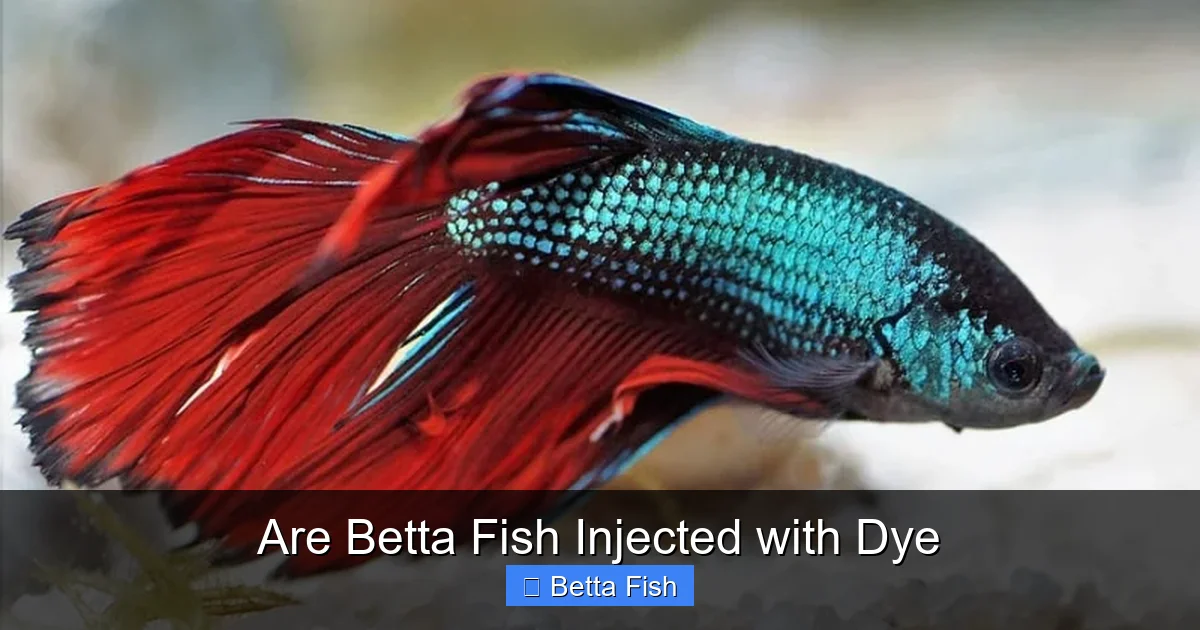
Betta fish are not injected with dye; their brilliant colors come from genetics, diet, and selective breeding. Understanding how these hues develop helps you choose healthy fish and avoid harmful practices.
Key Takeaways
- No dye injections: Betta coloration is natural, not the result of chemical dyes.
- Genetics matter: Breeders select for vivid pigments passed down through generations.
- Diet enhances color: Proper nutrition can intensify a betta’s hue without any artificial additives.
- Ethical breeding: Reputable sellers avoid harmful methods and prioritize fish health.
- Spot red flags: Over‑bright, uneven, or fading colors may indicate poor care or illegal practices.
- Proper tank setup: Clean water, appropriate temperature, and enrichment keep colors vibrant.
- Ask the right questions: When buying, inquire about breeding practices and source.
📑 Table of Contents
Introduction: The Rainbow of Betta Fish
If you’ve ever walked past a pet store and seen a betta flashing neon blues, fiery reds, or pastel pinks, you might have wondered how those colors get so intense. The internet is full of rumors—some say the fish are “injected with dye,” others claim secret chemicals are used. Let’s clear the water and find out what really creates that eye‑catching rainbow.
In this article we’ll explore the science behind betta coloration, the role of breeders, what illegal practices exist, and how you can be a responsible owner. By the end, you’ll know exactly why bettas look the way they do and how to keep them healthy and vivid—no mystery dyes required.
1. How Betta Fish Get Their Colors
Genetics: The Natural Palette
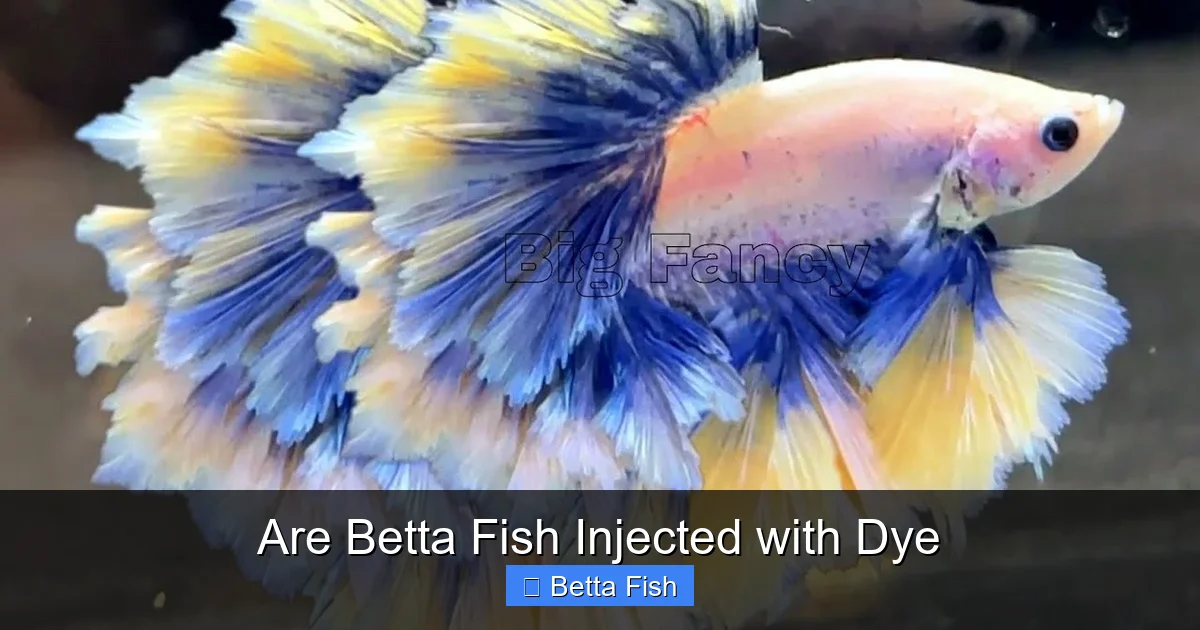
Betta splendens, the scientific name for the Siamese fighting fish, carries genes that produce two main types of pigment:
Visual guide about Are Betta Fish Injected with Dye
Image source: i.ytimg.com
- Melanophores: Dark pigments that create black, brown, or deep blue shades.
- Xanthophores and Erythrophores: Yellow and red pigments that mix to form orange, gold, and many pastel tones.
Selective breeding over decades has amplified these pigments, giving us the electric blues, bright reds, and even iridescent greens you see today. No injection, just careful pairing of fish with the desired genetic traits.
Diet: Feeding the Palette
Even the best genetics need the right fuel. High‑quality betta foods rich in carotenoids (found in shrimp, krill, and certain algae) can boost reds and oranges. For blues and purples, a diet low in carotenoids but high in protein helps the fish display their natural melanin‑based colors.
Example tip: Offer a frozen or live brine shrimp treat twice a week and a premium pellet formulated for bettas on other days. Watch the fins become richer over a few weeks.
Environment: Light and Water Quality
Clean, well‑filtered water and proper temperature (78‑80°F / 25‑27°C) keep the fish’s metabolism active, allowing pigments to shine. Poor water can cause colors to fade, making a fish look dull even if its genetics are perfect.
2. The Myth of Dye Injection
Where the Rumor Started
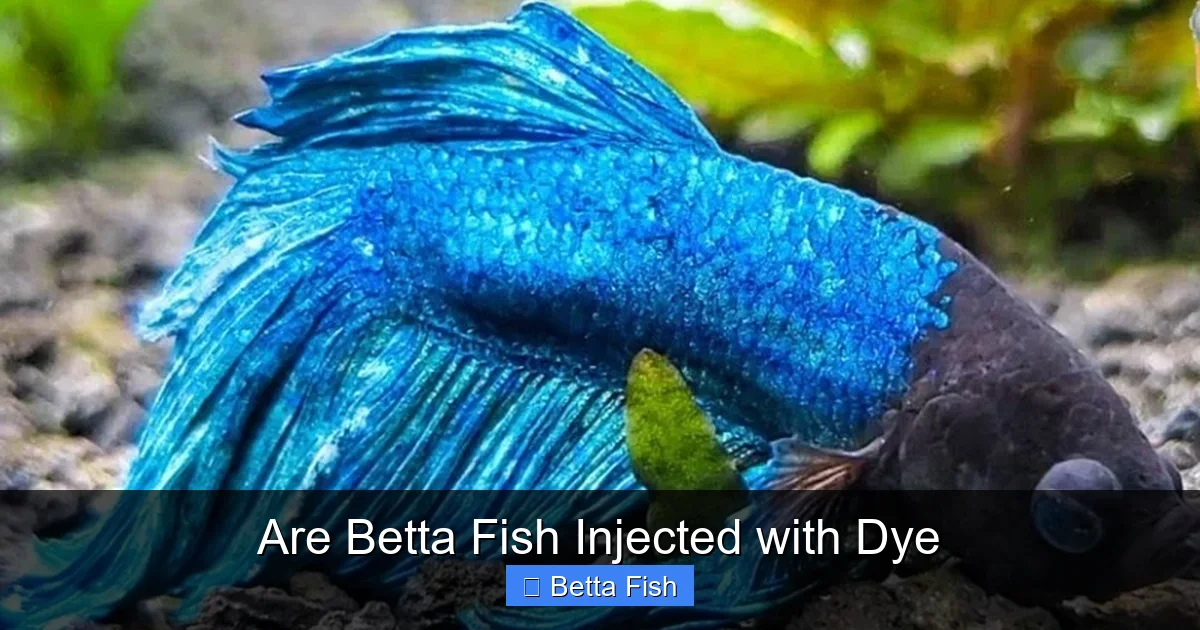
The “injected dye” myth likely began with early aquarium hobbyists who saw unusually bright, uniform colors that seemed too perfect. Some unscrupulous sellers tried to enhance fish temporarily with food dyes or even injected chemicals to make a quick profit.
Visual guide about Are Betta Fish Injected with Dye
Image source: infishtank.com
Why Dyes Are Not Used Anymore
Modern regulations, consumer awareness, and the rise of ethical breeding have made dye injection both illegal and unnecessary. Health‑wise, injecting a fish with dye can cause:
- Stress and weakened immune response.
- Organ damage leading to early death.
- Unnatural color fading once the dye wears off.
Reputable breeders focus on natural coloration because a healthy betta will keep its colors for years.
Red Flags When Buying
If a seller claims a betta’s color is “enhanced” or “guaranteed to stay bright for life,” ask for details. Look for these warning signs:
- Fish that appear overly glossy or have a “painted” sheen.
- Colors that seem uniform across the entire body without natural variation.
- No information about the fish’s lineage or diet.
Always request a health guarantee and ask about the source. A trustworthy shop will happily explain their breeding practices.
3. Ethical Breeding Practices
Selective Breeding vs. Genetic Manipulation
Ethical breeders use selective breeding—pairing fish with desirable traits—to enhance colors over generations. This is a natural process, unlike genetic engineering, which is rare and heavily regulated in the aquarium trade.
Visual guide about Are Betta Fish Injected with Dye
Image source: nippyfish.net
What to Look for in a Reputable Breeder
- Transparency: They’ll share parentage, water parameters, and feeding regimen.
- Healthy Stock: Fish should be active, have intact fins, and display natural variation in color.
- Documentation: Certificates of health and, if possible, a breeding log.
One good practice is to visit the breeding facility if possible, or at least ask for photos of the breeding tanks.
Link to Related Content
For more on creating a harmonious home for your betta, read our guide on Are Betta Fish Easy To Care For.
4. Caring for Your Colorful Betta
Tank Setup Essentials
A 5‑gal (or larger) tank with a gentle filter, heater, and live plants provides a stable environment. Use a soft substrate and add hiding spots like silk plants or caves to reduce stress.
Feeding for Vibrant Colors
Mix high‑protein pellets with occasional live or frozen foods rich in carotenoids. Avoid over‑feeding; two small meals per day is sufficient.
Maintaining Water Quality
Perform 25‑30% water changes weekly. Test for ammonia, nitrite, and nitrate—keeping ammonia and nitrite at 0 ppm and nitrate below 20 ppm prevents color fading.
Health Checks
Regularly inspect fins for tears or rot, eyes for cloudiness, and behavior for lethargy. Early detection of issues keeps colors bright and fish happy.
5. Frequently Asked Questions About Betta Coloration
Do bettas change color as they age?
Yes, many bettas become slightly duller as they age, especially if water conditions are poor. Good care can keep colors vivid for several years.
Can I use food coloring to enhance my betta’s color?
Adding food coloring to water or food is not recommended. It can stress the fish and cause health problems without lasting color benefits.
Why do some bettas have a metallic sheen?
Metallic or iridescent hues come from structural coloration—tiny cells that reflect light—rather than pigments. This is a natural trait in certain genetic lines.
Are dyed bettas more expensive?
Often, fish that appear “too perfect” are priced higher, but the extra cost usually reflects unethical practices. Natural, well‑bred bettas can be just as beautiful and healthier.
Do male and female bettas differ in color?
Both sexes can display vivid colors, but males often have longer, more elaborate fins, making their colors more noticeable.
Can water additives improve betta coloration?
Only high‑quality, fish‑safe supplements that contain natural pigments (like astaxanthin) are advisable. Avoid any product that claims to “inject dye” into the fish.
Conclusion: Celebrate Natural Beauty
Betta fish are a marvel of natural genetics, diet, and careful breeding—not the result of dye injections. By understanding how colors develop and choosing ethical sources, you ensure a healthy, vibrant companion that will brighten your home for years.
Remember, the best way to keep those stunning colors shining is simple: provide clean water, a balanced diet, and a stress‑free environment. When you buy a betta, ask about its lineage, feeding regime, and tank conditions—your curiosity protects both the fish and your investment.
Enjoy the rainbow of betta hues, and share the knowledge with fellow hobbyists. A well‑informed community means fewer myths and happier, healthier fish for everyone.
Frequently Asked Questions
Are betta fish injected with dye?
No. Betta coloration comes from genetics, diet, and selective breeding—not from any chemical injection.
Can a betta’s color fade over time?
Yes, stress, poor water quality, and inadequate nutrition can cause colors to dull. Proper care keeps them bright.
Is it legal to dye betta fish?
Injecting dye is illegal in many regions and violates animal welfare standards. Ethical sellers never use this practice.
How can I enhance my betta’s color naturally?
Feed high‑protein pellets and occasional live foods rich in carotenoids, maintain clean water, and keep the temperature stable.
What should I look for when buying a betta?
Choose a fish with active behavior, intact fins, and natural color variation. Ask the seller about breeding and diet.
Do all bettas have the same color potential?
No. Different genetic lines produce different palettes; some are bred for reds, others for blues or iridescent shades.